1. Who Is a 128GB iPhone Best For?
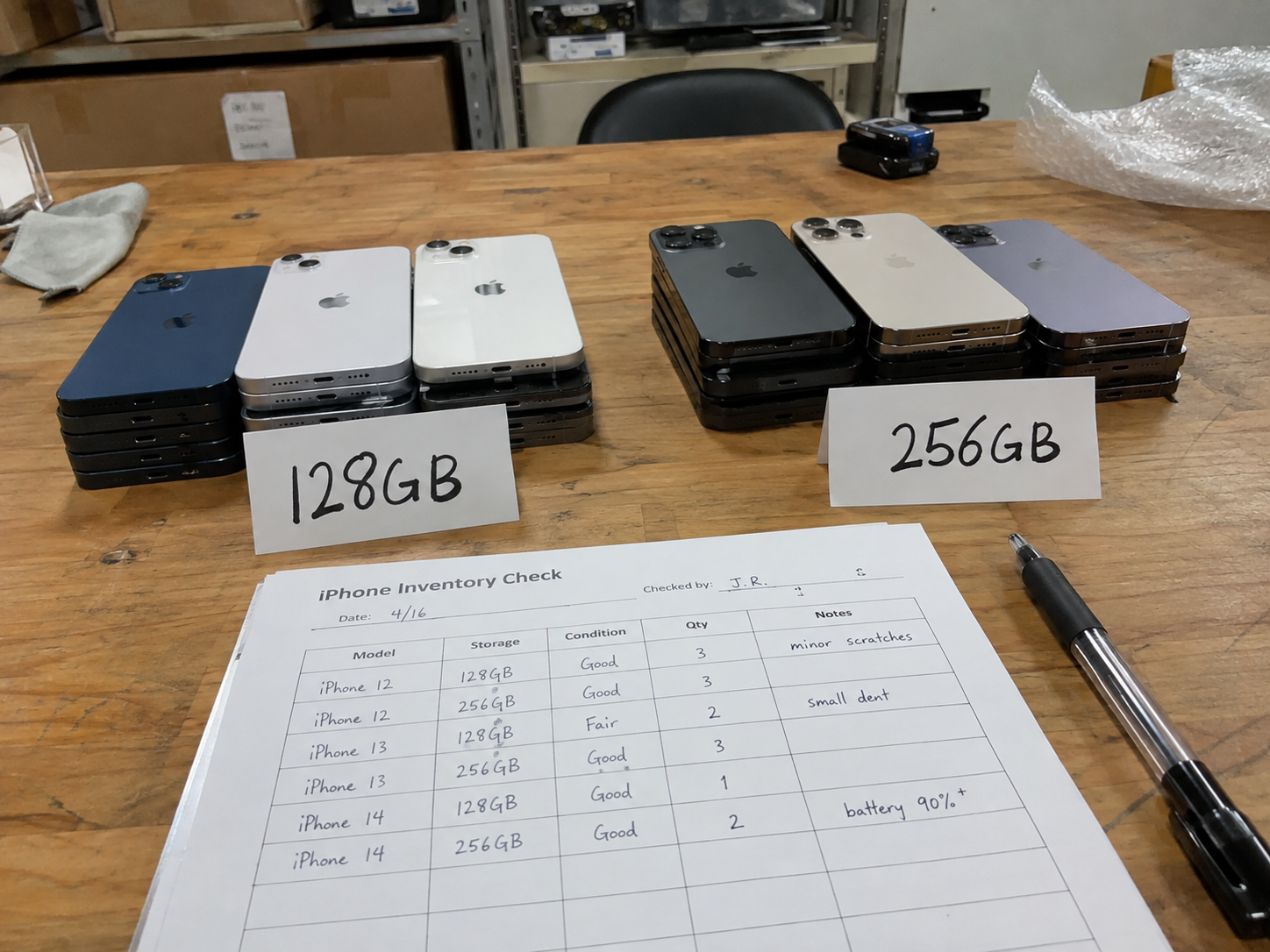
128GB can suit a broad group of users who stream content, manage media, use cloud syncing, and do not keep large offline libraries. It can also help price-sensitive buyers choose a later-generation model rather than paying more for capacity they may not use.
| Buyer type | Why 128GB may fit | Main limitation | Best resale approach |
|---|---|---|---|
| Everyday users | Standard apps and media | Less heavy-use headroom | Describe as practical daily storage. |
| Students | Streaming and cloud habits | Downloads can grow | Match affordable models. |
| Parents and family users | Normal photo use | Large libraries need care | Discuss backup habits. |
| Cloud photo users | Can manage local media | Cloud is not extra internal storage | State capacity accurately. |
| Streaming-first users | Fewer offline libraries | Travel downloads add pressure | Fit core retail stock. |
| Business standard users | Apps and documents fit | Local files can accumulate | Ask workflow needs. |
| Mainstream retail customers | Broad entry point | Not creator-focused | Use in value inventory. |
| Price-sensitive buyers | Can favor newer model | Less capacity flexibility | Compare model generation. |
When 128GB Is Usually a Sensible Starting Point
- The user streams rather than downloads extensively.
- Photo libraries are routinely managed or synced.
- Games and offline video are limited.
- The buyer values model generation or price more than extra storage.
2. Who Is a 256GB iPhone Best For?
256GB can be valuable for customers who keep more media and files on-device or expect to use the phone for longer. It is often worth evaluating for frequent photo and video users, gamers, download-heavy travelers, and business users with local files.
| Buyer type | Why 256GB may fit | Resale opportunity | Caution for wholesalers |
|---|---|---|---|
| Photo and video users | Larger libraries | Capacity-focused appeal | Verify demand locally. |
| Content creators | Recording and editing room | Premium audience | Premium may age slowly. |
| Heavy social users | Cached media and apps | Flexible daily use | Not every buyer needs it. |
| Mobile gamers | Large games and updates | Gaming appeal | Check model performance too. |
| Offline-content users | Music, maps, shows, files | Travel value | Regional buyer habits vary. |
| Professionals | Work files and apps | Business-use appeal | Storage is not security proof. |
| Long-term owners | Room for growth | Future-focused listing | No universal value recovery. |
| Premium or Pro buyers | Often capacity-aware | Configuration choice | Compare condition and model. |
Signs a Buyer May Benefit From 256GB
- Keeps extensive photos or video locally.
- Records frequent high-resolution video.
- Uses editing apps or large mobile games.
- Downloads media, maps, or files for offline use.
- Plans to keep the device for several years.

3. Real-World Storage: What Uses Space on an iPhone?
Storage use changes with habits. The same 128GB phone can feel spacious for a streaming user and constrained for a buyer who records video, keeps large attachments, installs games, and downloads content.
| Content type | Storage pressure | 128GB experience | 256GB experience | Buyer advice |
|---|---|---|---|---|
| iOS and system data | Baseline use | Reduces available space | Same role, more headroom | Check actual free space. |
| Photo libraries | Grows steadily | Manage sooner | More buffer | Ask backup habits. |
| 4K video | High | Fills quickly | More recording room | Consider recording style. |
| Social apps | Moderate to high | Cache adds up | More flexible | Review usage. |
| Messaging attachments | Variable | Needs cleanup | More tolerance | Long histories matter. |
| Mobile games | High | Selective installs | More games fit | Ask gamer profile. |
| Music and podcasts | Moderate | Limit downloads | More offline media | Travel use matters. |
| Shows and movies | High | Shorter library | More downloads | Streaming habits matter. |
| Work files | Variable | Can fit standard work | More local flexibility | Check workflow. |
| Offline maps | Moderate | Manage destinations | More coverage | Travel buyers may value it. |
How to Estimate Storage Needs Before Buying
- Review current device storage categories.
- Consider photo, video, download, and game habits.
- Allow room for future apps and system changes.
- Choose capacity with the ownership period in mind.
4. Photos, Video, and Content Creation
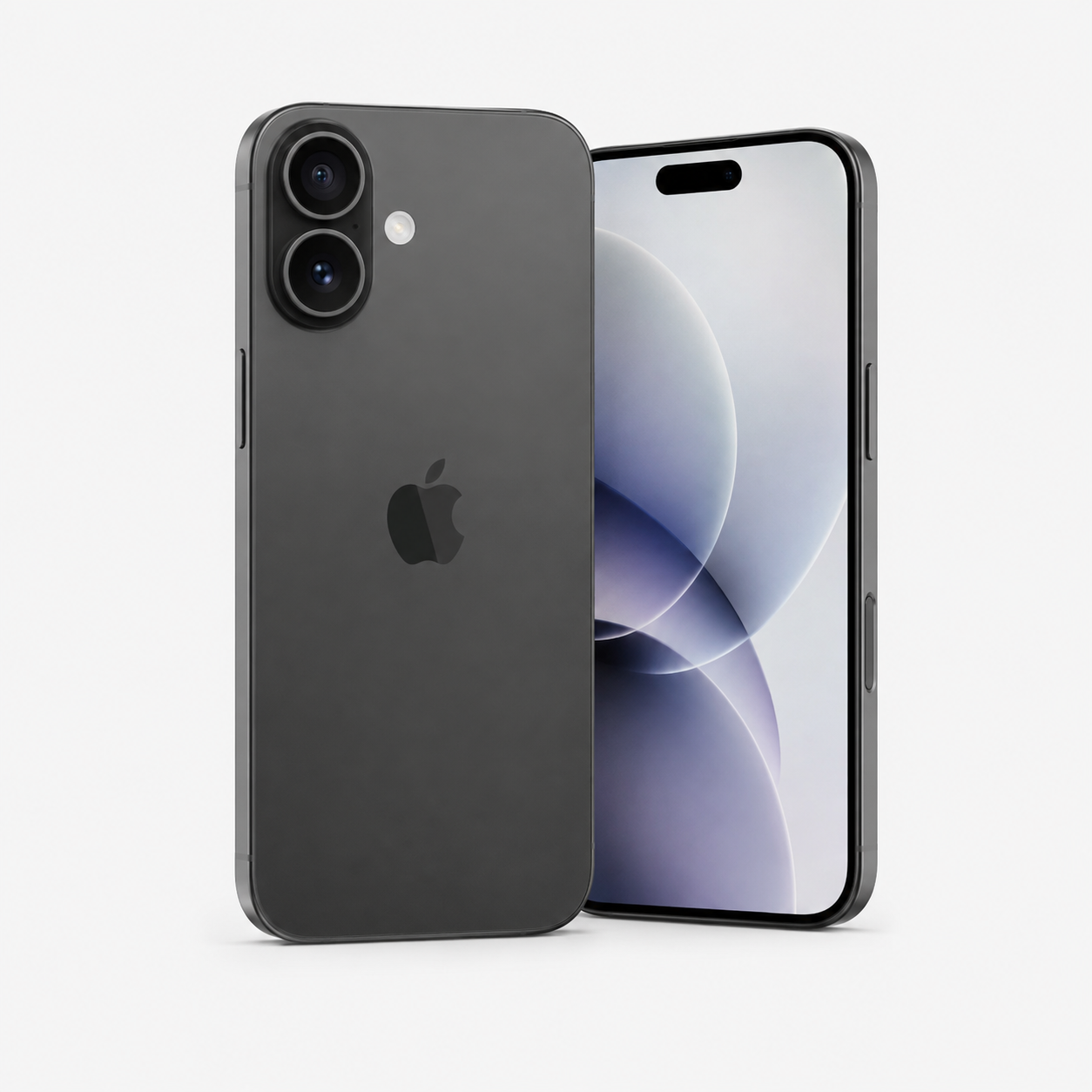
Occasional photo users may be comfortable with 128GB, especially when they manage media regularly. Frequent recording, long video, editing apps, downloaded clips, and local backups can make 256GB more attractive.
Cloud tools can assist storage management, but they do not replace built-in storage or guarantee convenient access when connectivity is limited. Resellers should not assume every customer has reliable cloud access.
| Usage pattern | 128GB suitability | 256GB suitability | Recommended buyer message |
|---|---|---|---|
| Occasional photos | Often suitable | Extra headroom | Review current library size. |
| Family photos | Can work with management | More comfortable | Consider growth over time. |
| Frequent video | May become restrictive | Usually more flexible | Ask recording habits. |
| Editing or creator use | Selective workflow | Better local buffer | Match to project needs. |
Storage Questions for Camera-Focused Buyers
- How often do you record video?
- Do you edit on the phone?
- Do you keep local originals or offload them regularly?
- Will the phone be used for travel or business capture?
5. Apps, Games, Downloads, and Offline Use
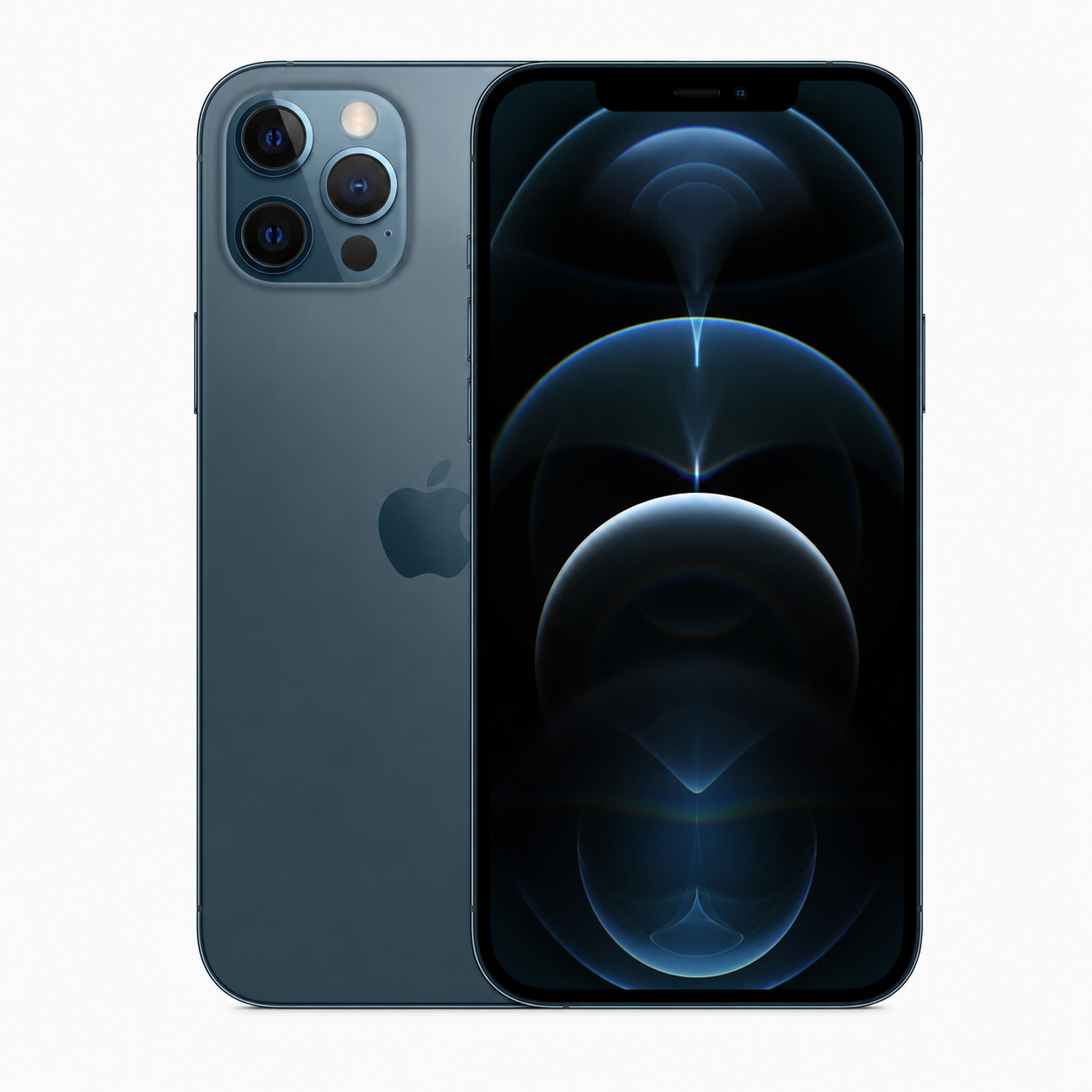
Modern app sizes, games, cached files, and downloaded media influence the daily experience. A 128GB phone can suit casual daily apps and standard work, while 256GB can be easier for large games, offline entertainment, education content, and travel files.
| Usage habit | 128GB impact | 256GB impact | Resale implication |
|---|---|---|---|
| Casual daily apps | Usually comfortable | Extra buffer | 128GB often fits mainstream. |
| Work apps | Fits standard use | More local files | Ask workflow. |
| Social apps | Cache needs management | More tolerance | Explain practical difference. |
| Large games | Selective library | More flexibility | Useful for gamer segment. |
| Offline music | Limited library | Larger library | Travel demand varies. |
| Movies and TV | Fewer downloads | More downloads | Capacity premium may appeal. |
| Travel maps | Manage coverage | More regions | Traveler profile matters. |
| Documents | Standard use fits | More offline files | Business users differ. |
| Education content | Selective downloads | More course material | Match buyer use. |
Best Fit
- 128GB: mainstream, streaming-first, and managed-media users.
- 256GB: gamers, offline users, and file-heavy workflows.
Watch Out For
- Do not assume cloud storage creates internal capacity.
- Do not sell capacity as a substitute for model, condition, or status checks.
6. 128GB vs 256GB for Long-Term Ownership
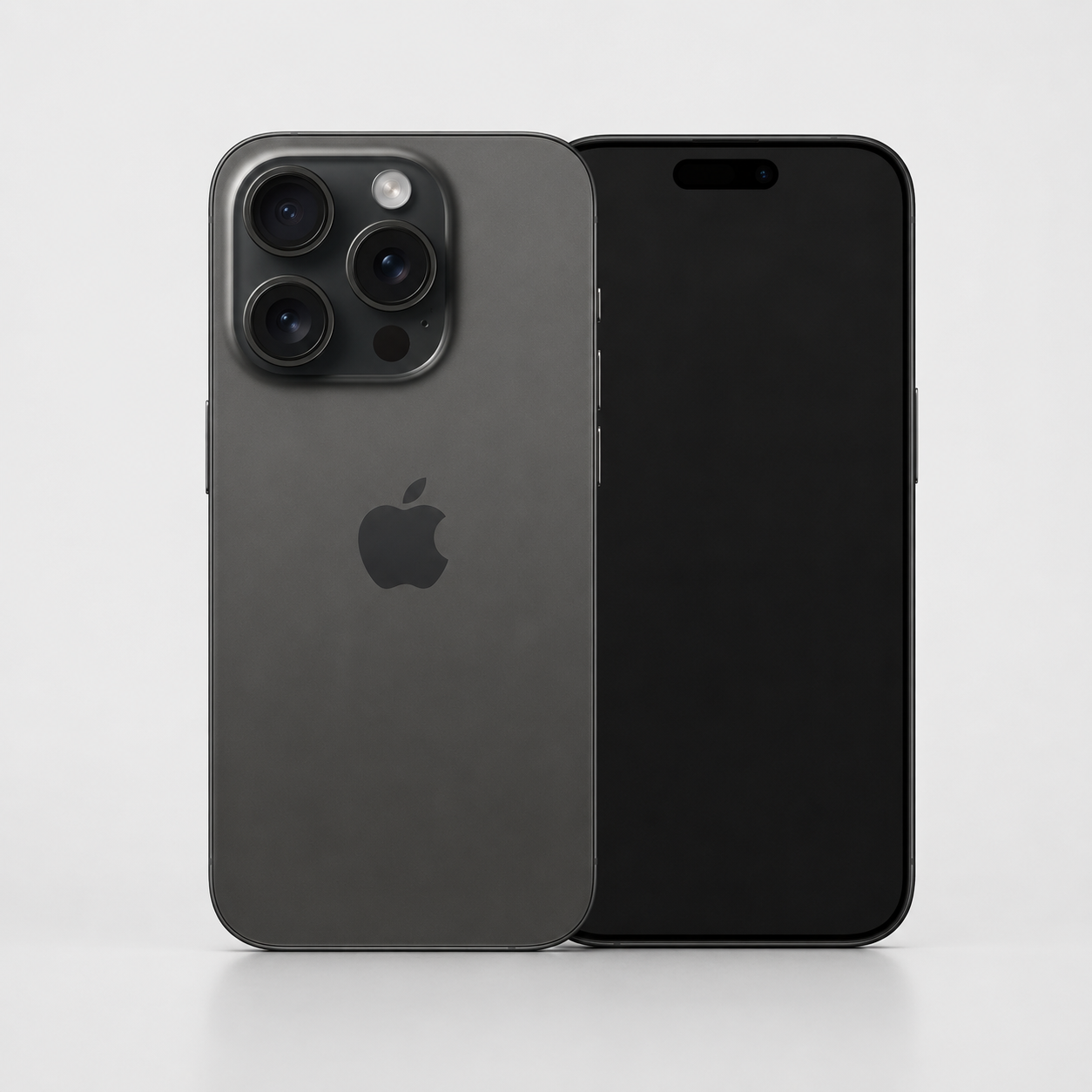
Capacity needs can change as photo libraries, apps, operating-system requirements, and content habits grow. A buyer keeping a device longer may value 256GB’s buffer, while a light user replacing frequently may reasonably prefer 128GB.
| Ownership scenario | 128GB consideration | 256GB consideration | Decision factor |
|---|---|---|---|
| One-year ownership | Often sufficient | Extra flexibility | Current use. |
| Two- to three-year ownership | Plan growth | More buffer | Media habits. |
| Longer-term ownership | Needs management | Can reduce pressure | Future use. |
| Light local use | Often practical | May be excess | Actual needs. |
| Family photo use | Can work with offload | More comfortable | Library growth. |
| Gaming and creator use | May be limiting | More suitable | Local content. |
| Business and travel use | Depends on files | More offline room | Workflow. |
Long-Term Storage Planning Questions
- How long will the buyer keep the device?
- Will media, apps, or files grow locally?
- Does offline access matter?
- Is the capacity premium justified by the resale plan?

7. How Model Generation Changes the Value of Storage
A newer iPhone with 128GB can sometimes be more commercially appealing than an older iPhone with 256GB, depending on condition, software support, features, price, and buyer demand. The reverse can also be true for capacity-focused shoppers; neither outcome is universal.
| Scenario | Potentially stronger choice | Why it may appeal | What to verify |
|---|---|---|---|
| Newer standard 128GB vs older premium 256GB | Market-dependent | Generation versus capacity tradeoff | Demand and condition. |
| Same iPhone, 128GB vs 256GB | Buyer-profile dependent | Capacity premium | Actual cost gap. |
| Standard 256GB vs Pro 128GB | Use-case dependent | Features versus storage | Camera and buyer needs. |
| Better-grade 128GB vs lower-grade 256GB | Condition may win | Visible quality affects trust | Grade and function. |
Never Compare Storage Without Comparing These Factors
- Exact model and age.
- Cosmetic grade and battery health.
- Screen and camera function.
- Lock and IMEI status.
- Local price gap and buyer profile.
8. Resale Value and Inventory Turnover
256GB may command a higher listing price in some markets, while 128GB may offer broader accessibility and faster turnover in others. The added resale value may not fully recover the higher wholesale acquisition cost.
| Resale factor | 128GB consideration | 256GB consideration | What to measure |
|---|---|---|---|
| Acquisition cost | Lower tier | Higher tier | Actual cost gap. |
| Expected listing price | Mainstream level | Possible premium | Comparable listings. |
| Buyer inquiries | Broader audience | Capacity-focused audience | Questions by capacity. |
| Conversion rate | Can benefit from price | Can benefit from flexibility | Local conversion data. |
| Days to sell | May turn faster | May be more selective | Stock aging. |
| Gross-margin estimate | Depends on costs | Depends on premium recovery | Total recovery costs. |
| Return rate | Expectation matters | Expectation matters | Accurate listing. |
| Stock-aging risk | Model and price matter | Premium can age | Sales velocity. |
| Customer satisfaction | Fit matters | Fit matters | Use-case match. |
Expected resale price minus purchase cost, testing cost, handling cost, warranty allowance, and selling cost equals the usable gross-margin estimate.
Why a Bigger Storage Tier Does Not Automatically Create a Better Wholesale Deal
- The acquisition premium can exceed the resale premium.
- Local buyers may prioritize model, condition, or price.
- Slow stock turnover can reduce the benefit of a higher tier.
- All capacity claims must be verified before listing.
9. How Wholesalers Should Build a 128GB and 256GB Inventory Mix
There is no universal inventory percentage for either capacity. Wholesalers should use sales records, local customer feedback, and small test orders to decide how 128GB and 256GB fit each exact model group.
| Inventory group | Capacity approach | Best purpose | Risk to manage |
|---|---|---|---|
| Value-conscious inventory | Evaluate 128GB first | Accessible retail offer | Capacity expectations. |
| Core mainstream inventory | Use both tiers | Choice without overstock | Sell-through mix. |
| Premium retail inventory | Evaluate 256GB | Capacity-focused buyers | Premium aging. |
| Pro-model inventory | Match model and use | Creator or feature buyers | Do not assume demand. |
| Test-order inventory | Buy a controlled mix | Market validation | Small sample limits. |
| Export or regional inventory | Follow destination data | Market fit | Local compatibility and demand. |
Evidence-Led Capacity Planning
- Review sales by exact model and capacity.
- Compare sell-through, margin, and return data.
- Buy a mixed test lot.
- Track customer questions and objections.
- Adjust the next purchase order using evidence.
10. How to Verify Storage Capacity Before Purchase and Resale
Capacity configurations differ by generation, model, and market. Never assume capacity from the model name alone, and never list a device as 256GB unless its device information and stock record confirm it.
- Confirm the exact iPhone model.
- Open Settings.
- Go to General > About.
- Check the Capacity entry.
- Review General > iPhone Storage for storage-use context.
- Match the displayed capacity with the supplier manifest.
- Match it with the listing, invoice, and packing label.
- Record any mismatch before accepting, listing, or shipping.
| Verification stage | What to record | Why it prevents disputes |
|---|---|---|
| Before purchase | Model and quoted capacity | Sets correct order scope. |
| Receiving | Settings capacity and manifest match | Finds substitution errors. |
| Listing | Verified storage and condition | Creates accurate listing. |
| Shipment | Device and packing record | Supports customer handover. |
Storage verification does not replace condition, battery, function, IMEI, Carrier Lock, or Activation Lock verification.

11. Practical Buying Checklist: 128GB or 256GB?
Product checks
- Exact model and capacity confirmed.
- Condition grade documented.
- Battery health reviewed.
- Camera and display function tested.
- Carrier Lock, Activation Lock, and IMEI checked separately.
Buyer-demand checks
- Local demand by model and capacity reviewed.
- Media, gaming, and travel needs considered.
- Expected ownership period considered.
- Customer objections tracked.
- Capacity mix tested in small lots.
Commercial checks
- Purchase-cost difference measured.
- Margin estimate includes recovery costs.
- Inventory velocity tracked.
- Stock-aging risk considered.
- No fixed profit assumption used.
Listing and communication checks
- Capacity matches Settings and manifest.
- Model, storage, and condition are transparent.
- Battery and repair disclosures are accurate.
- Network and status claims are separate.
- Customer fit is explained plainly.