HQB knowledge centre
Used iPhone Sourcing Guides
Practical articles for distributors, wholesalers, retailers, importers, online sellers, and mobile-device businesses planning used iPhone sourcing discussions.
Featured guides
Start With Product Definitions
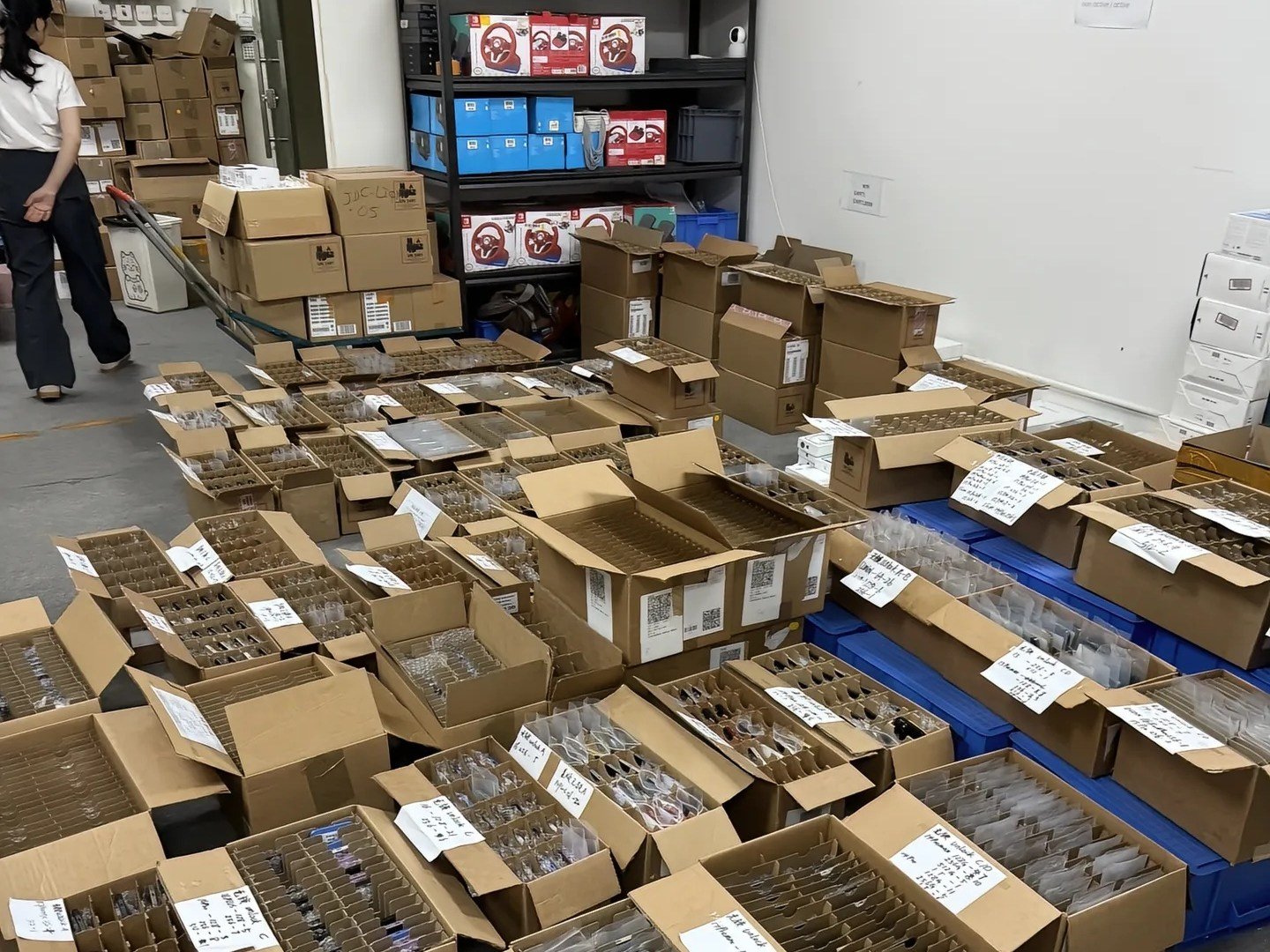
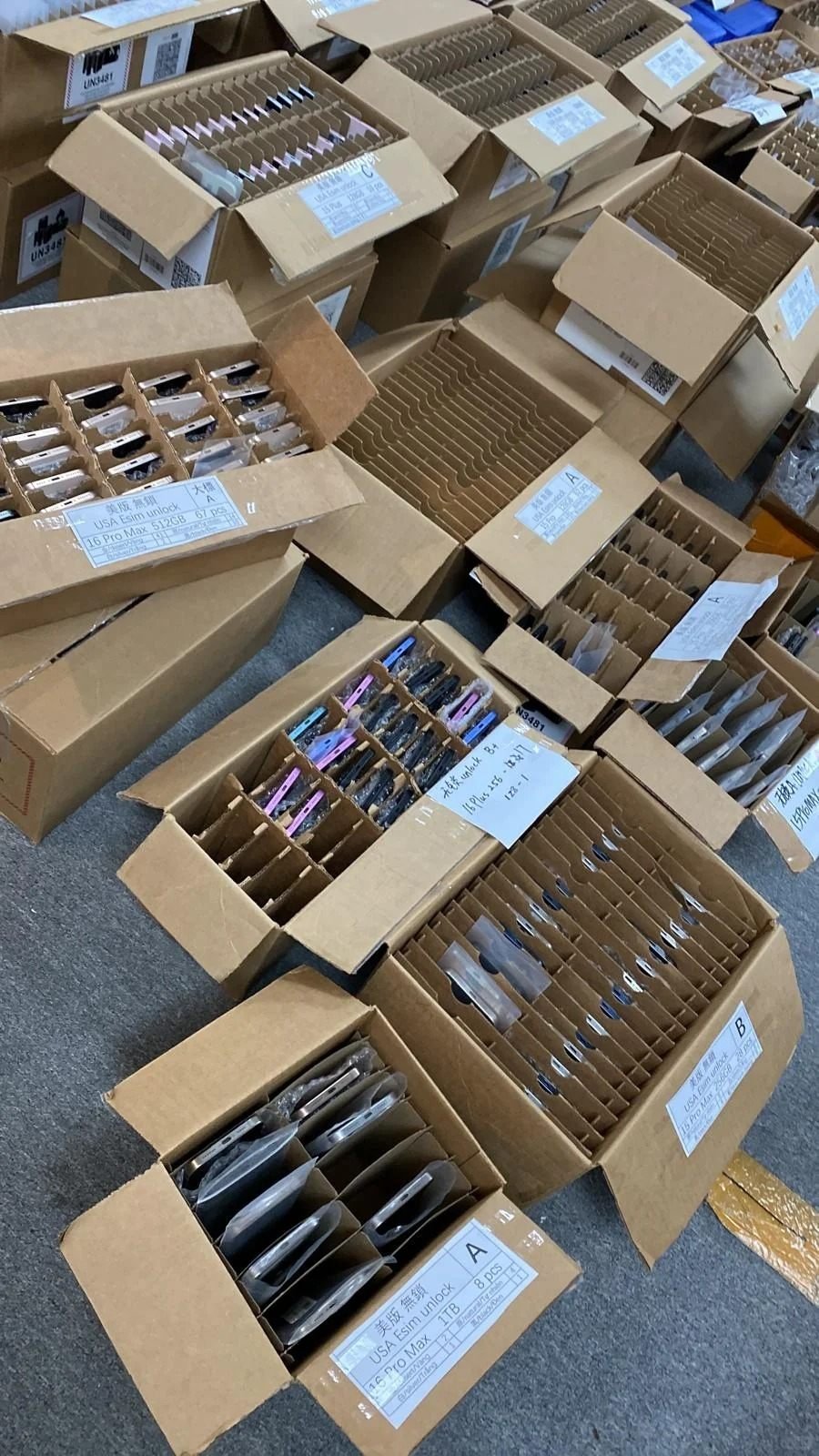
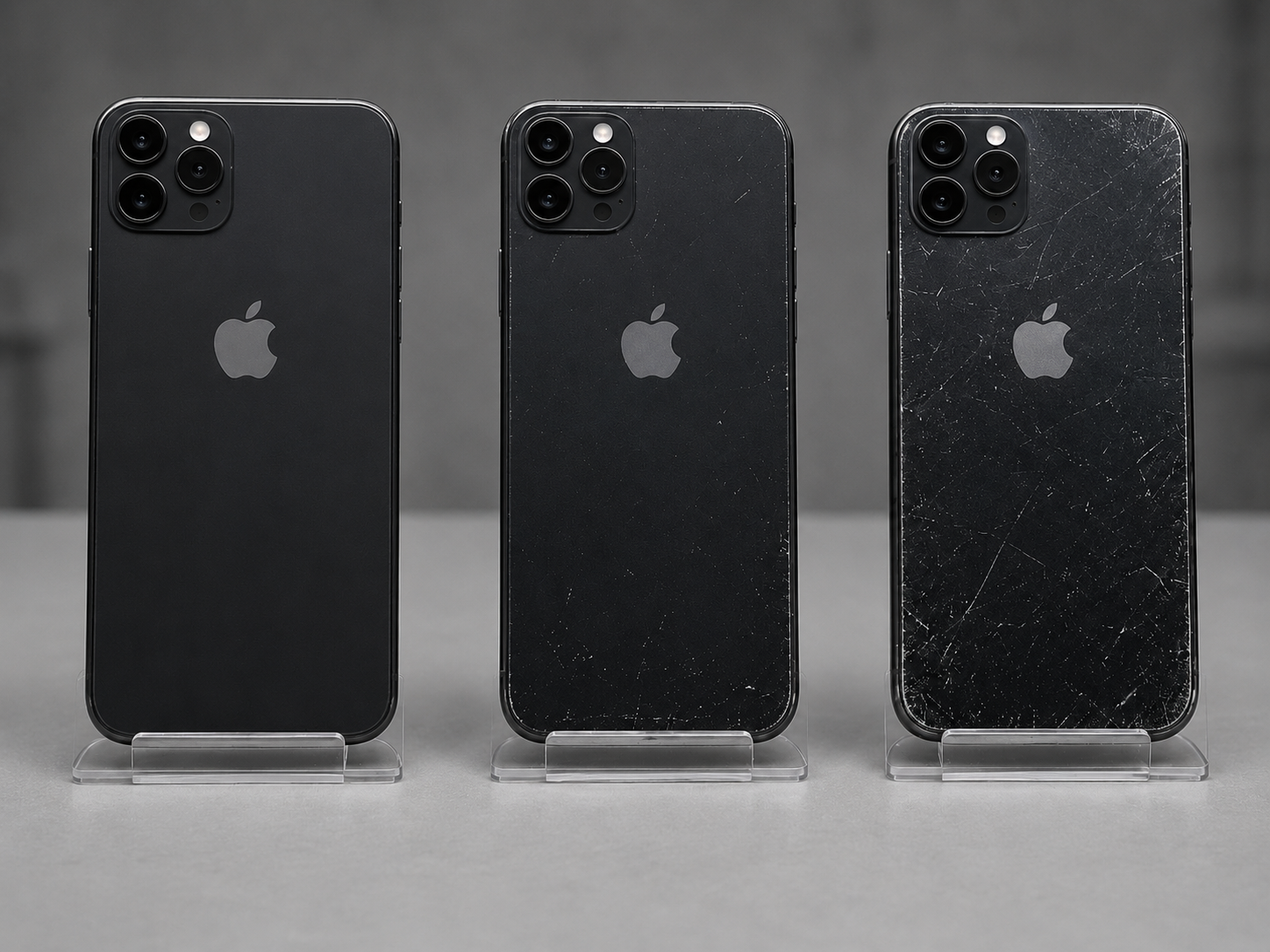
Before comparing quotations, make the model, configuration, condition definition, available product information, and commercial scope clear.
Complete guide library
More iPhone Sourcing Guides
Browse every HQB article for practical questions on models, condition, device status, wholesale buying, testing, and supplier selection.
Buyer checklist
Used iPhone Wholesale Checklist: What Buyers Should Confirm Before Ordering
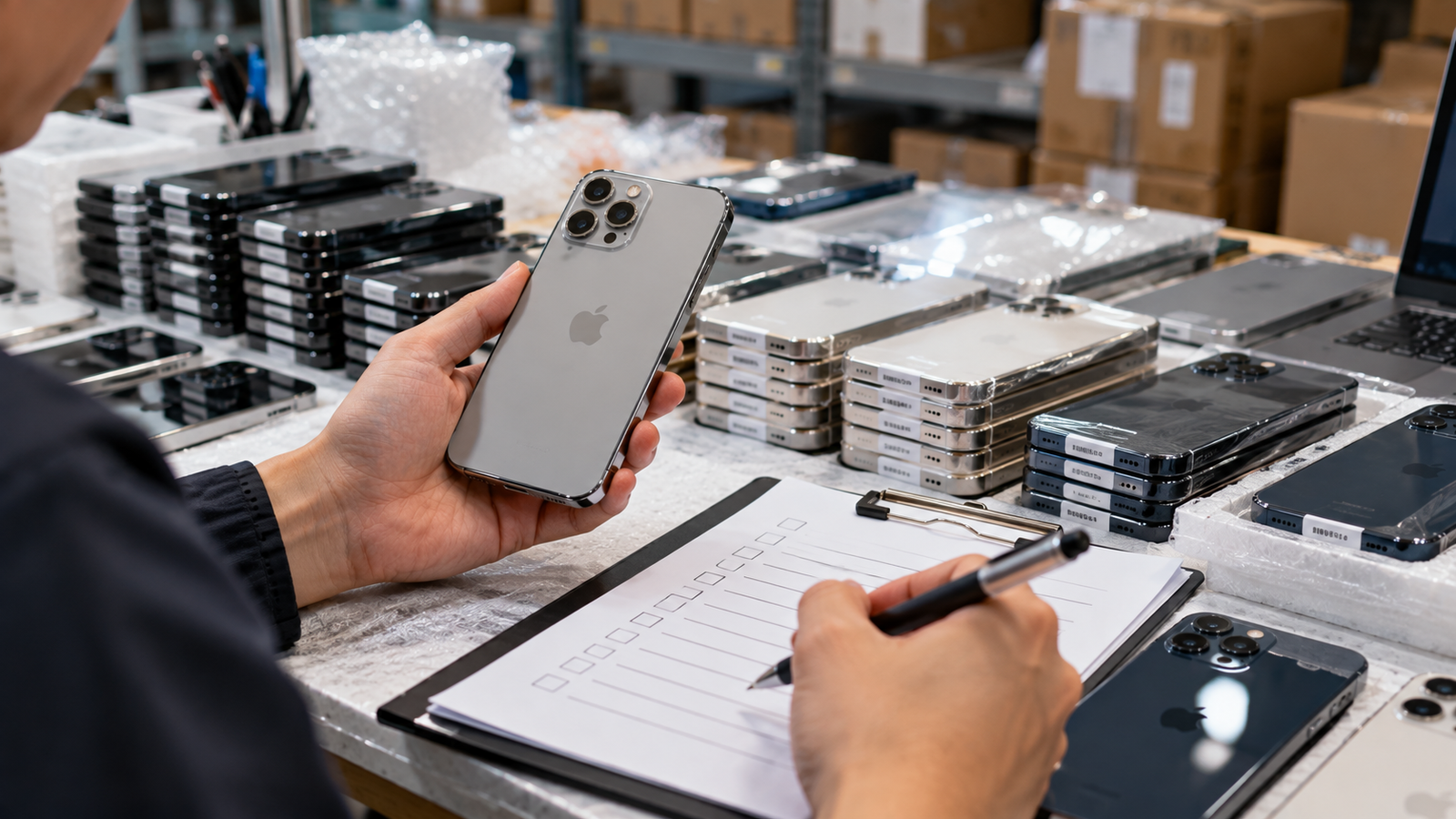
Define models, manifests, grading, testing, status checks, logistics, receiving, and exception handling before placing an order.
Read article →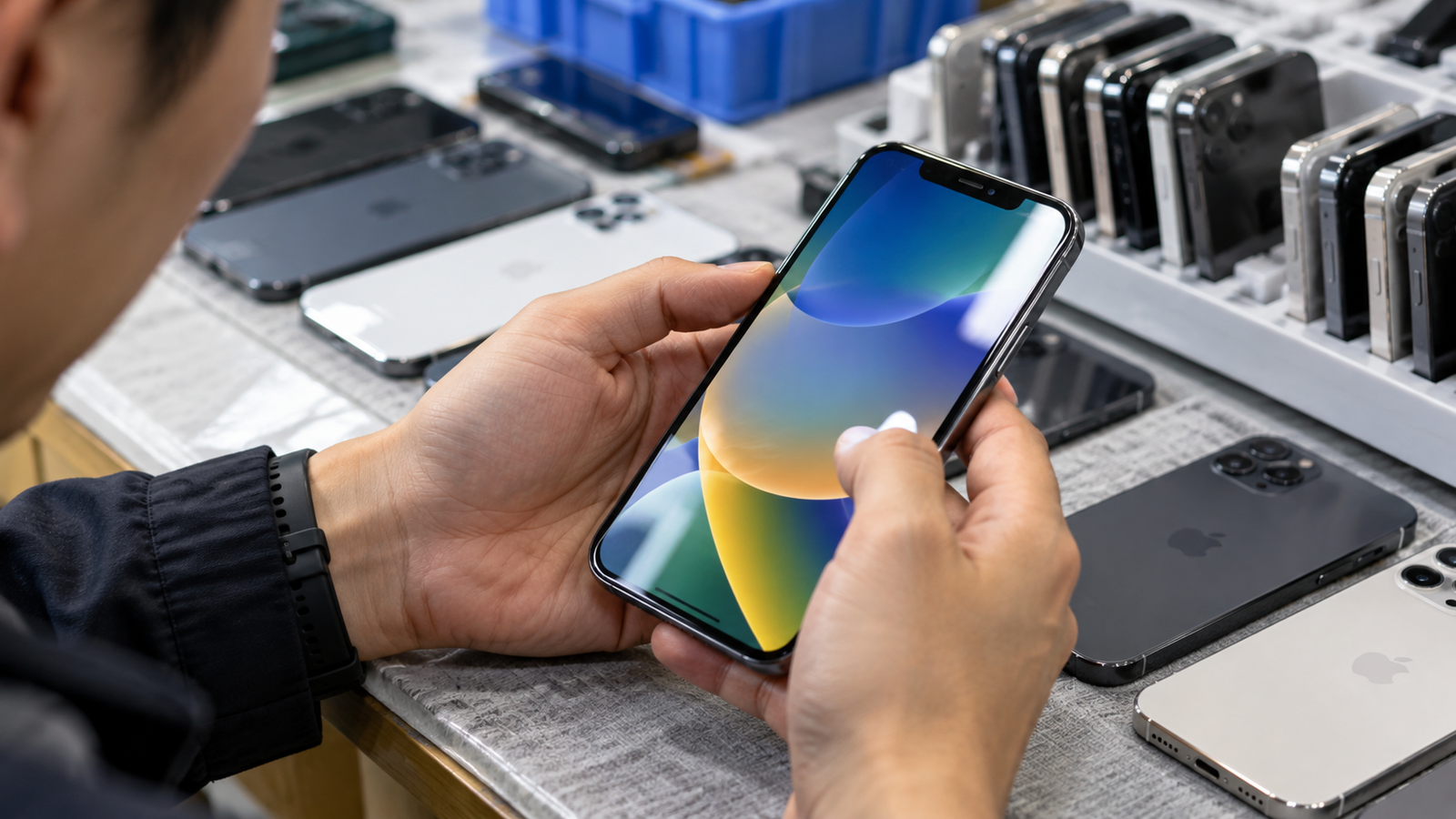
Screen inspection
How to Inspect a Used iPhone Screen Before Resale
Check glass, display output, touch response, service information, related functions, and device-level evidence before resale.
Read article →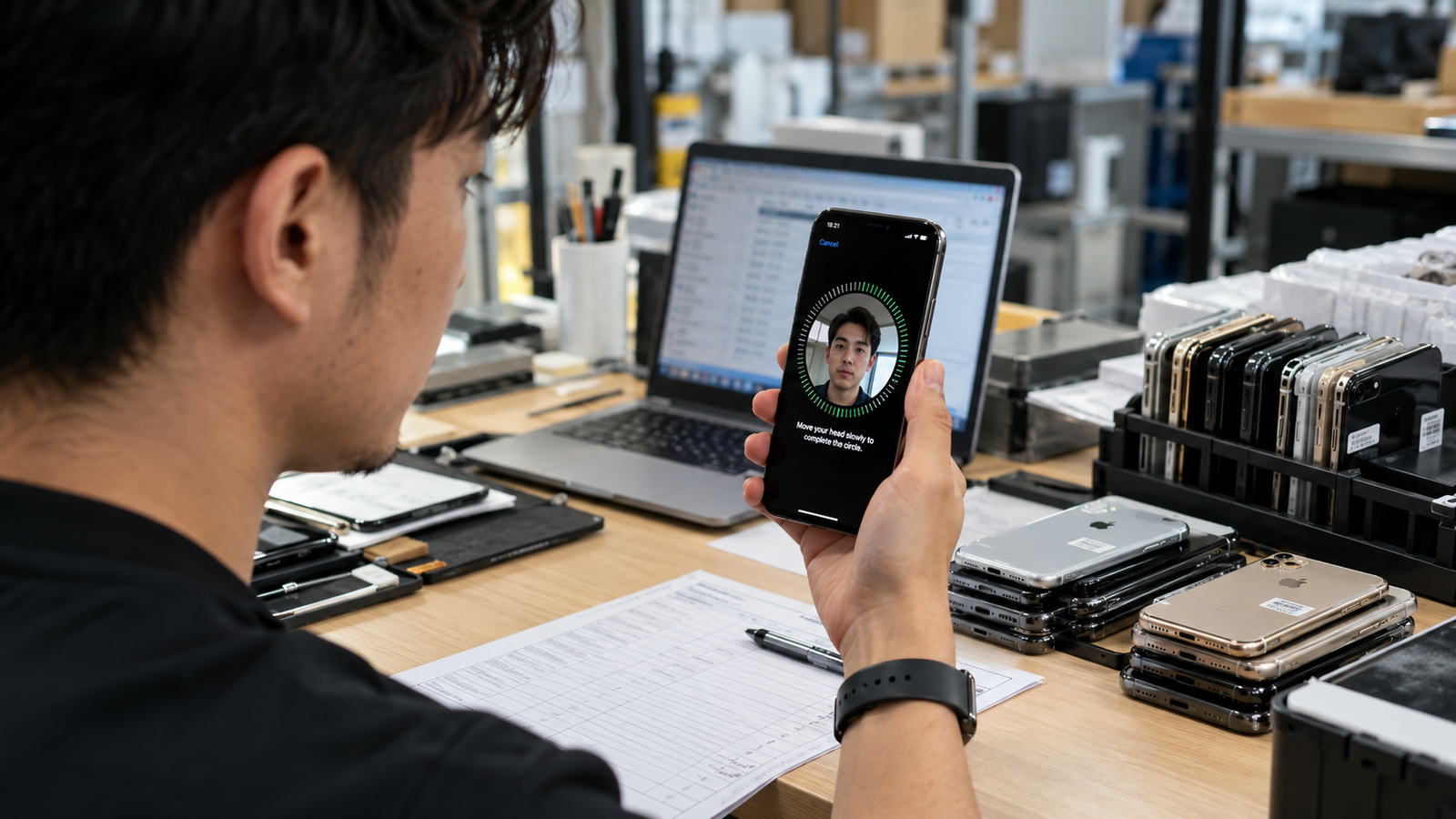
Function testing
How to Test Face ID on a Used iPhone Before Buying
Use authorized enrollment, unlock checks, related-function testing, and device records to review Face ID before purchasing.
Read article →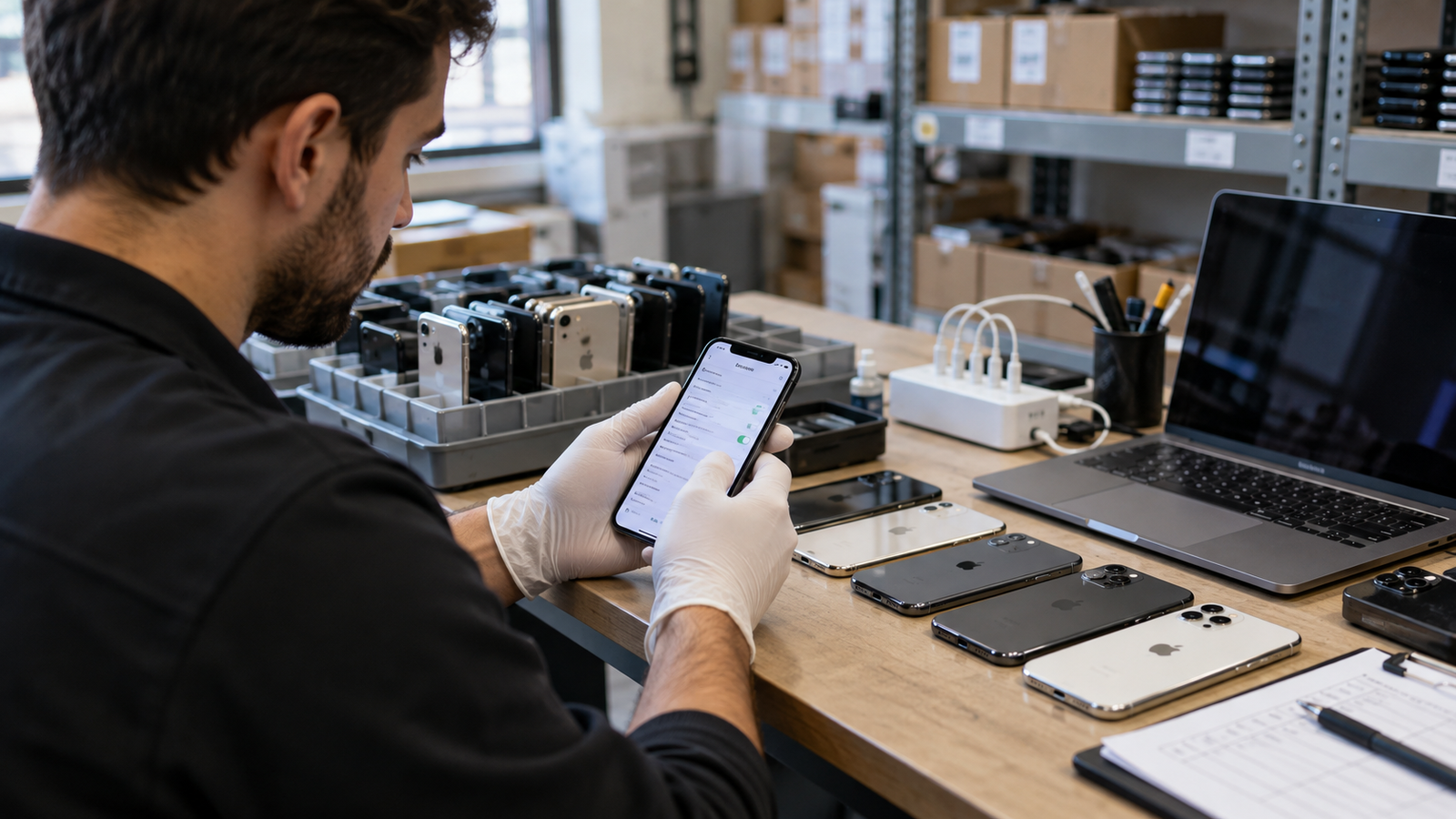
Battery checks
How to Check iPhone Battery Health Before Buying in Bulk
Review battery settings, charging, service messages, records, and exception handling for used iPhone bulk inventory.
Read article →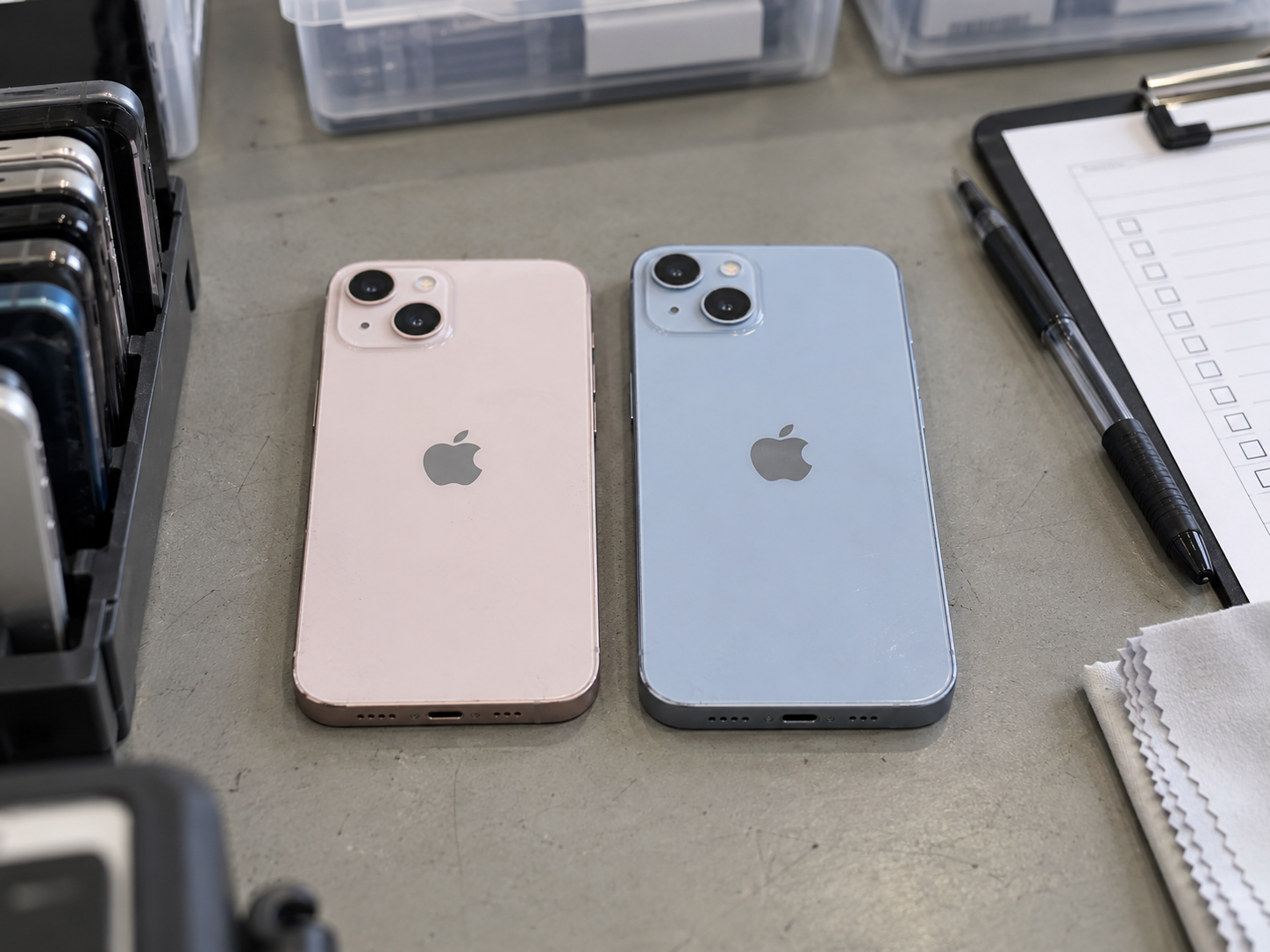
Model comparison
iPhone 13 vs iPhone 14: Which Is Better Used?
Compare two mainstream iPhone generations through condition, storage, battery, customer needs, and resale fit.
Read article →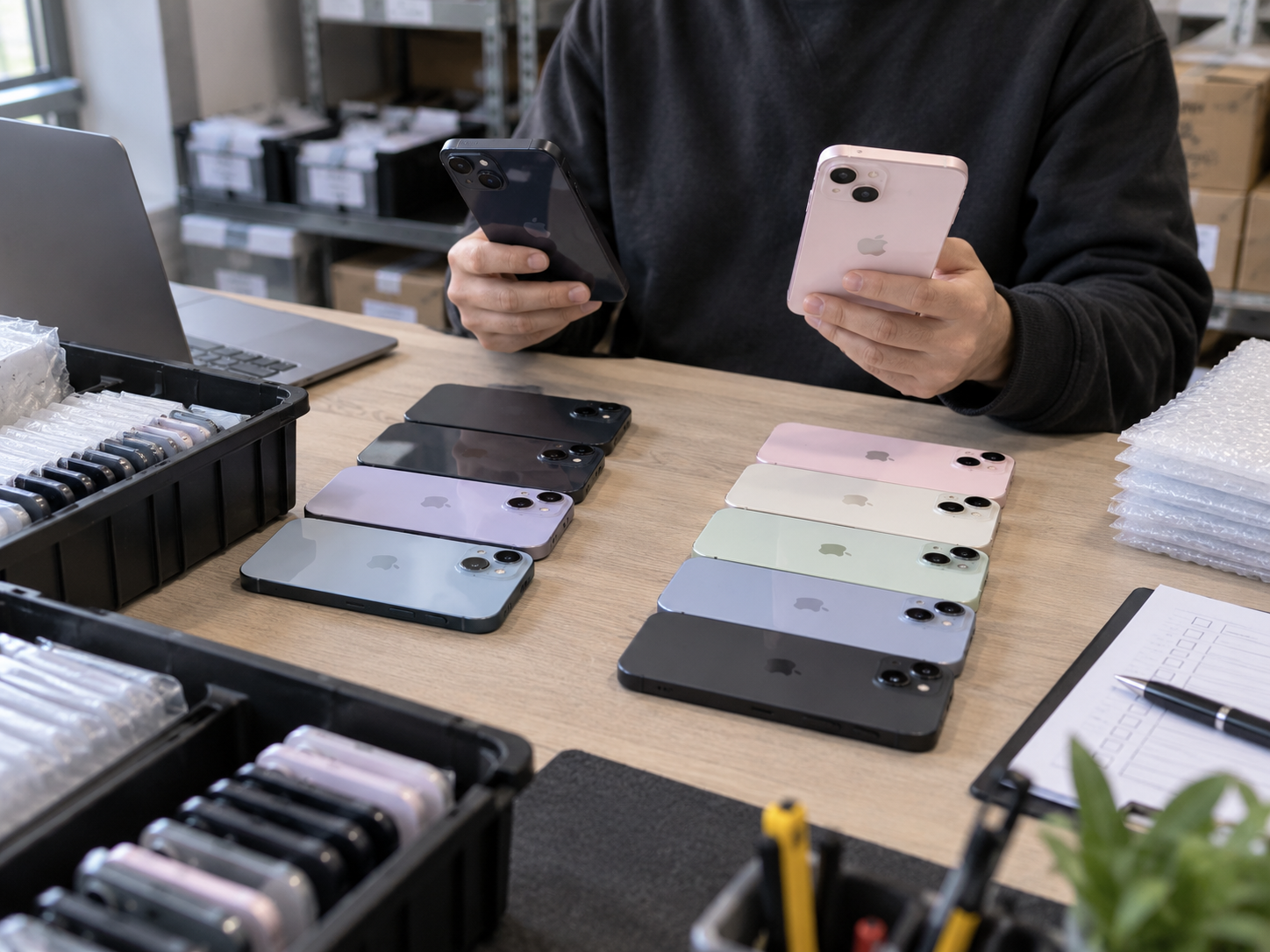
Model comparison
iPhone 14 vs iPhone 15 for Resellers
Review buyer demand, storage, condition, features, and destination fit before selecting a resale mix.
Read article →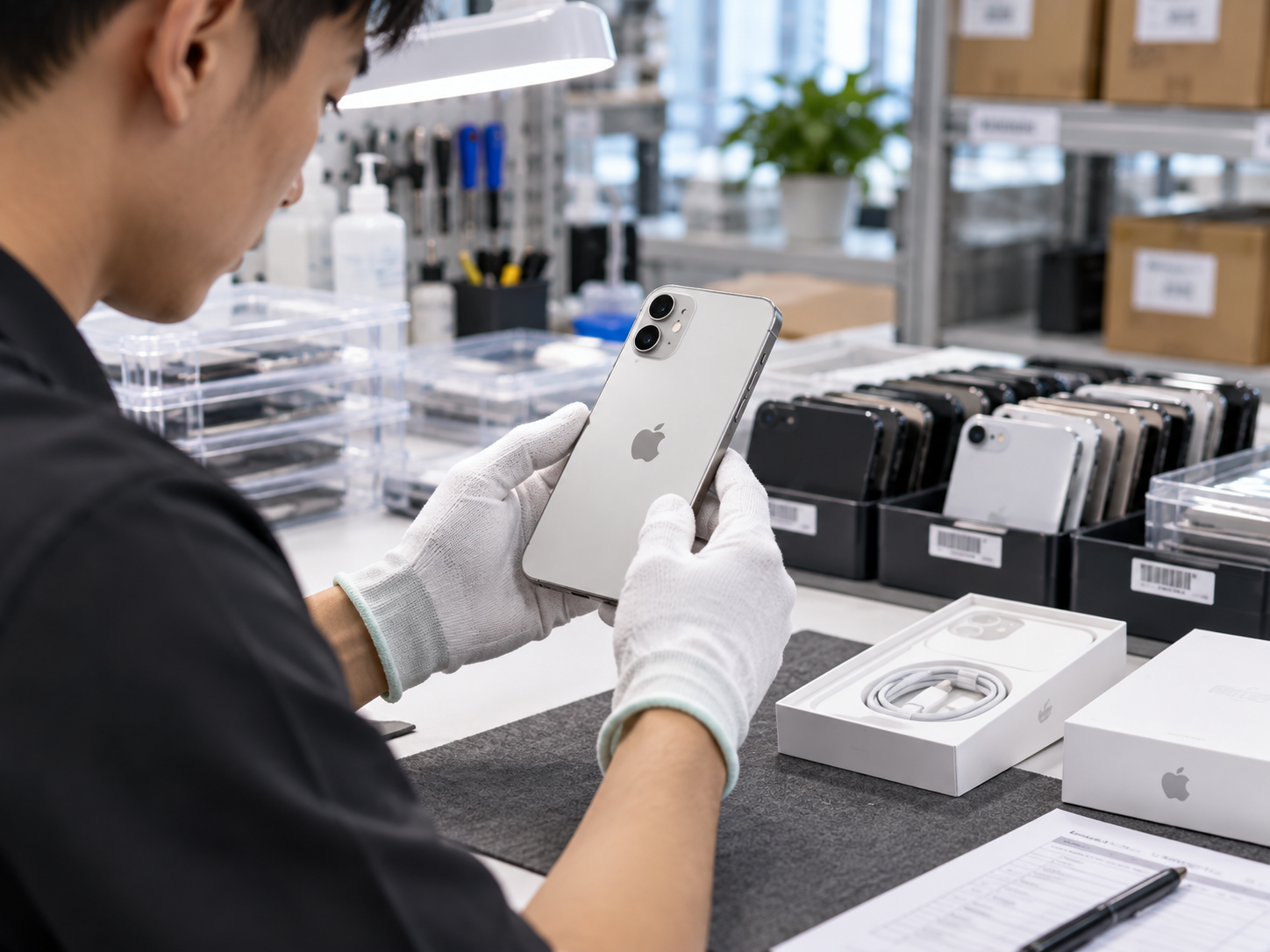
iPhone 13 guide
Refurbished iPhone 13: Why It Still Sells
Review iPhone 13’s mainstream resale profile, condition checks, storage options, and feature boundaries.
Read article →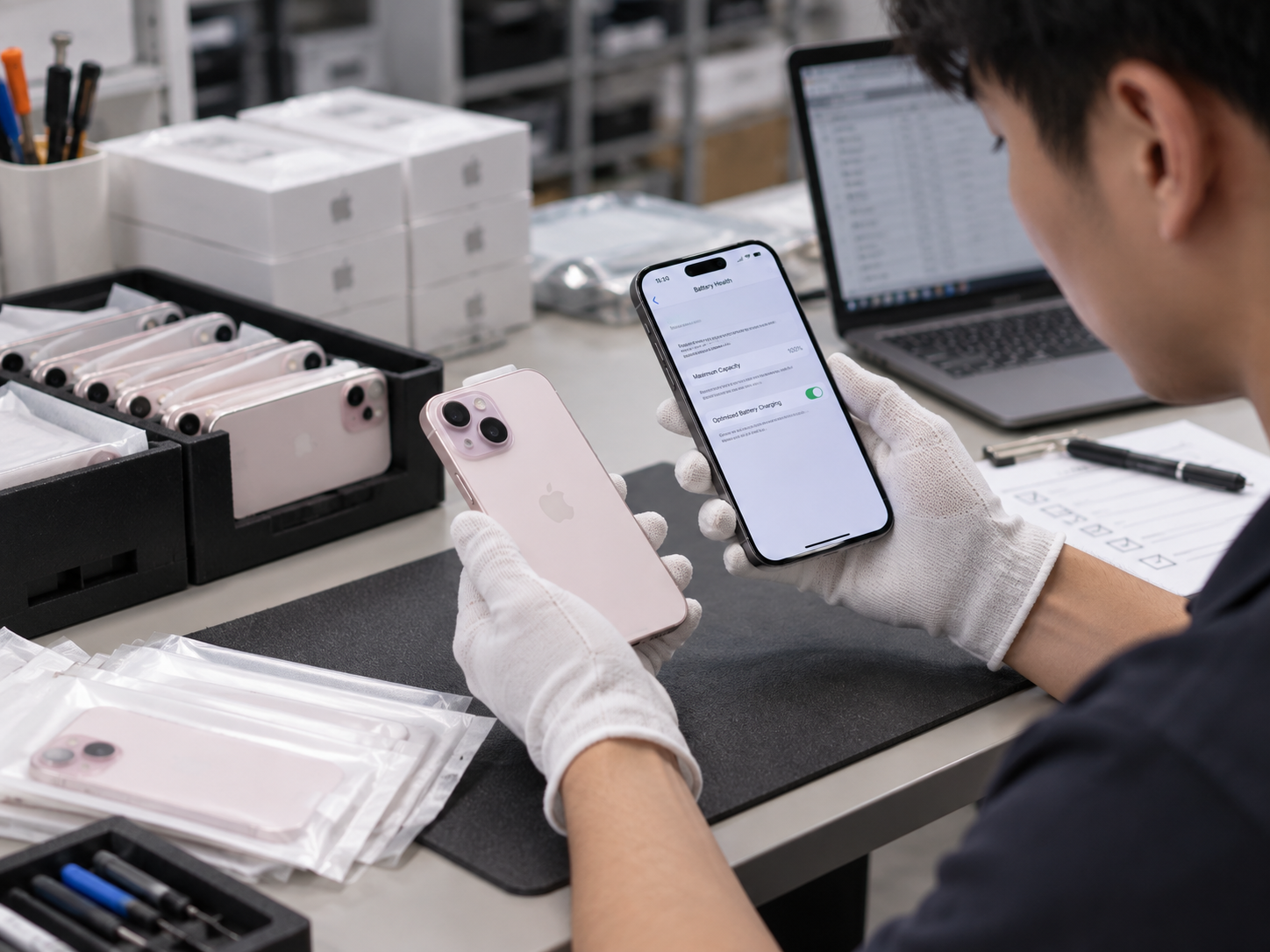
iPhone 15 guide
Refurbished iPhone 15: What Buyers Should Know
Understand iPhone 15 sourcing checks for condition, storage, status, software relevance, and customer fit.
Read article →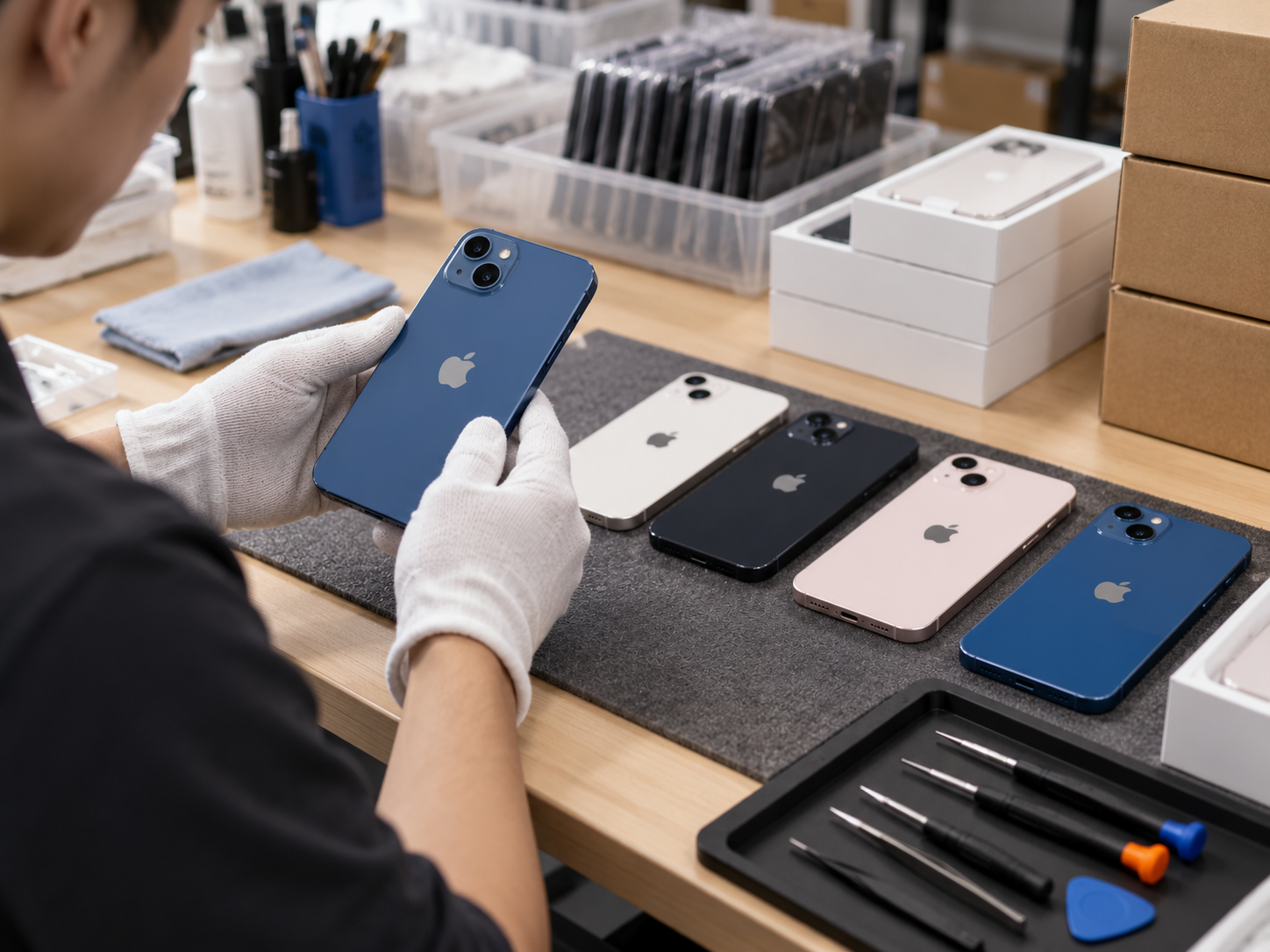
iPhone 16 guide
Refurbished iPhone 16: Is It Worth Buying?
Evaluate model suitability through buyer requirements, condition evidence, configuration, and market fit.
Read article →
Budget resale
Best Budget iPhones for Resale
Plan a practical budget iPhone mix through model, storage, grade, battery, and market-fit checks.
Read article →
Export sourcing
Best iPhones for Export Markets
Choose export-ready iPhone configurations through destination demand, status, condition, storage, network, and documentation checks.
Read article →
Pro model comparison
iPhone 13 Pro vs Pro Max for Resale
Compare size, battery references, storage, condition, and sourcing checks for Pro-series resale planning.
Read article →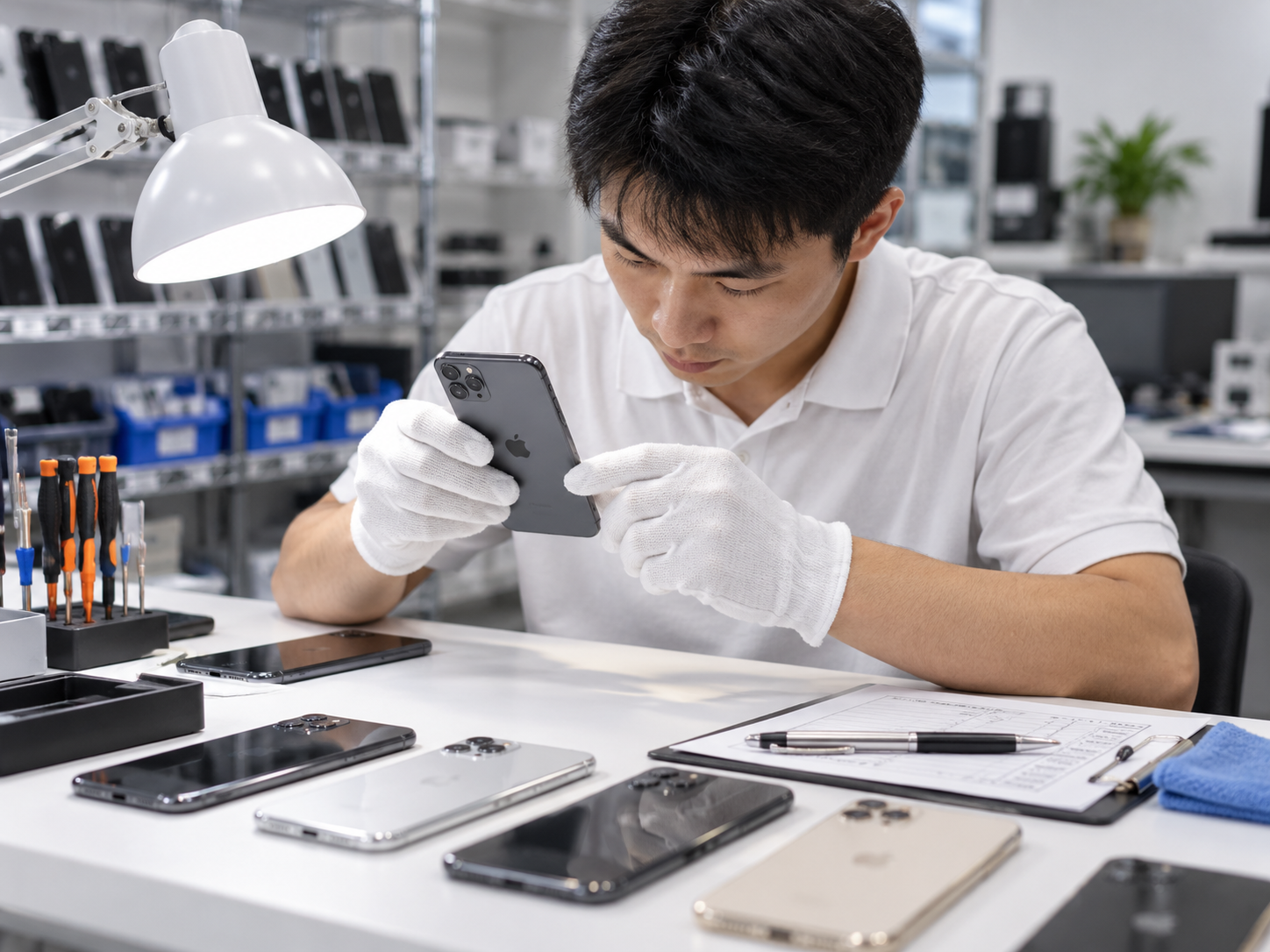
Condition review
How to Check a Used iPhone’s Condition
Review product identity, exterior condition, functionality, available battery and parts information, and written records.
Read article →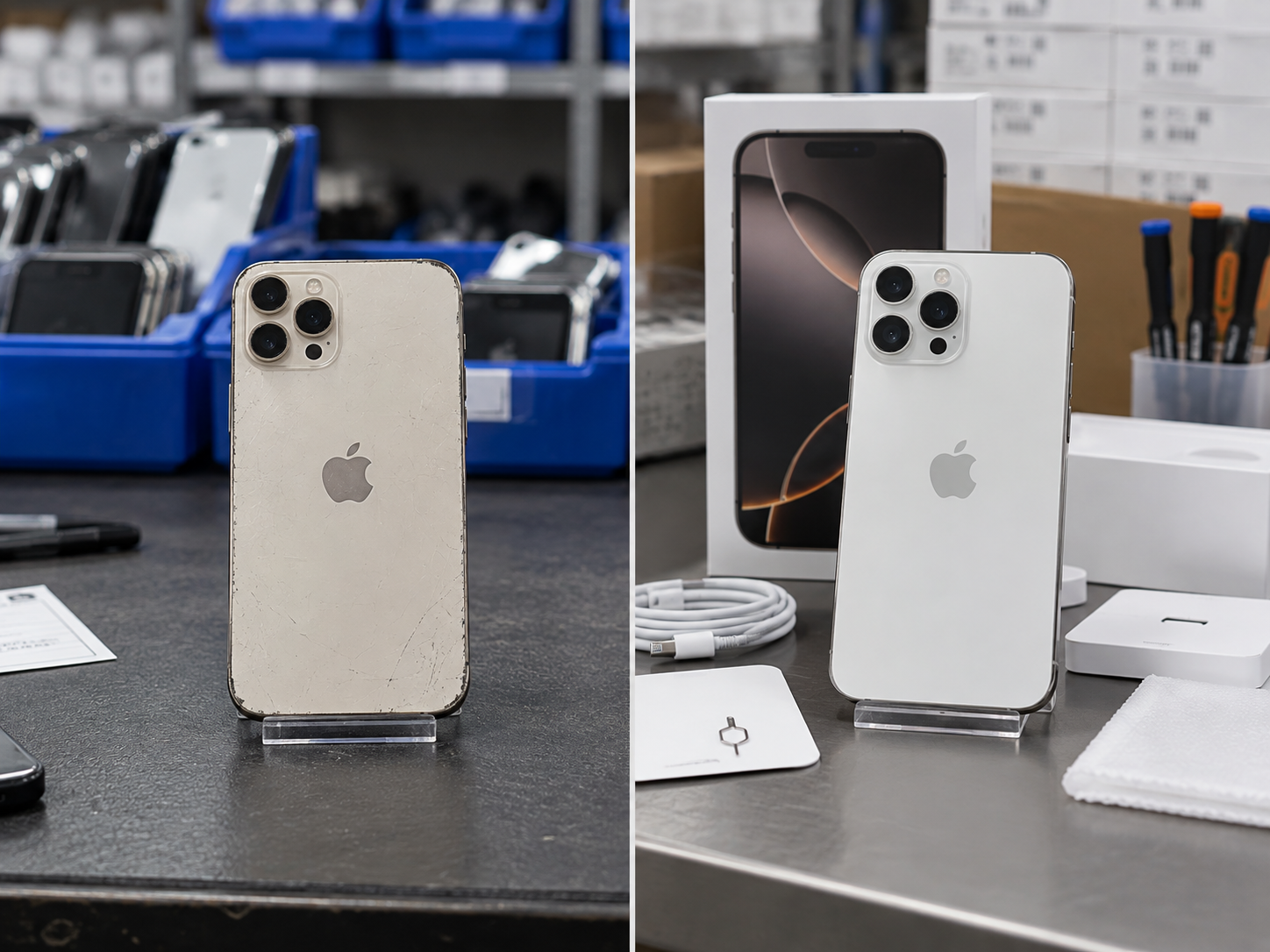
Product labels
Pre-Owned vs. Refurbished iPhones
Understand how seller definitions can differ and which product details deserve confirmation.
Read article →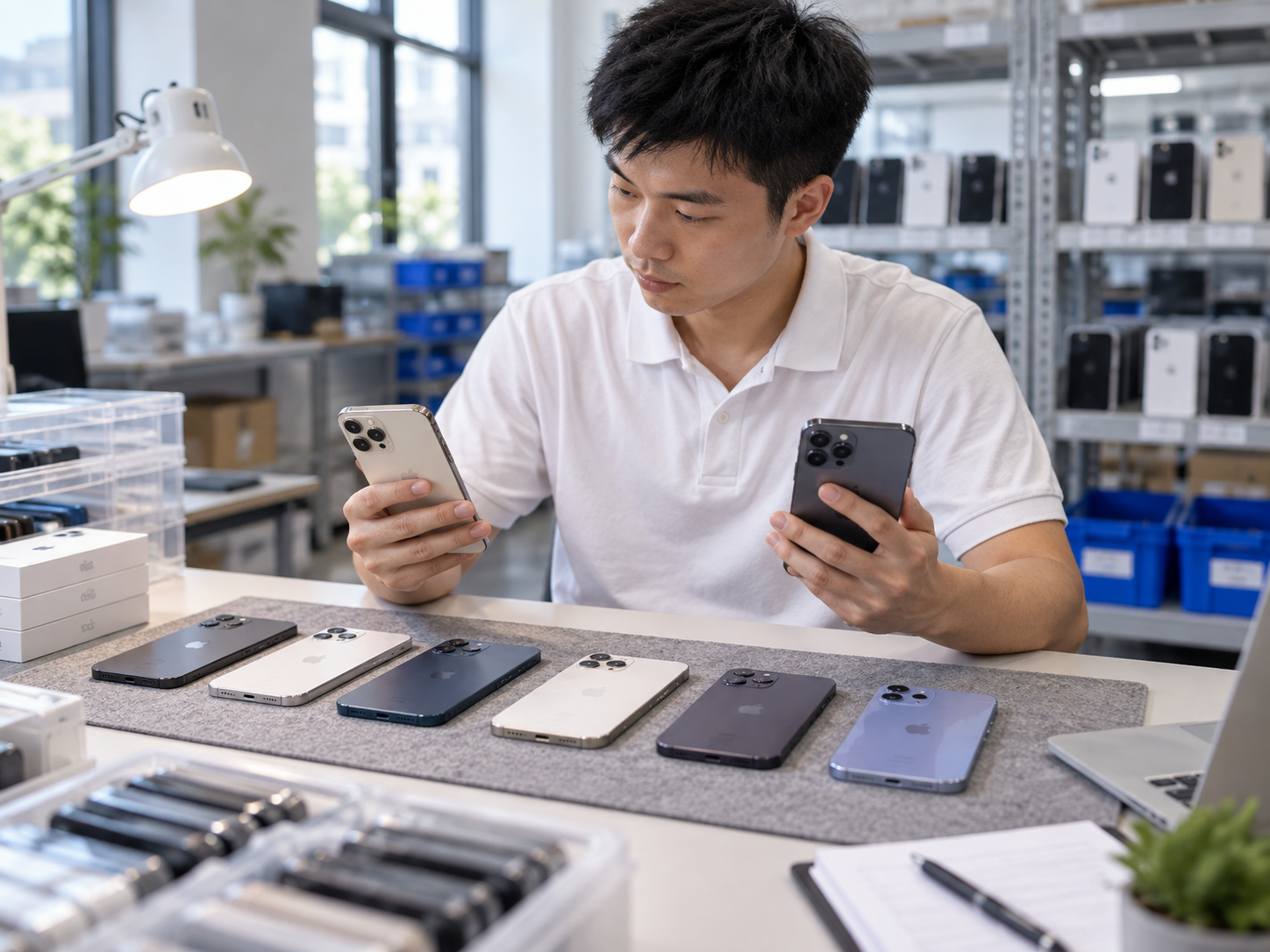
Model selection
Best Used iPhone to Buy in 2026
Compare practical used iPhone choices by budget, buyer needs, storage, condition, and resale priorities.
Read article →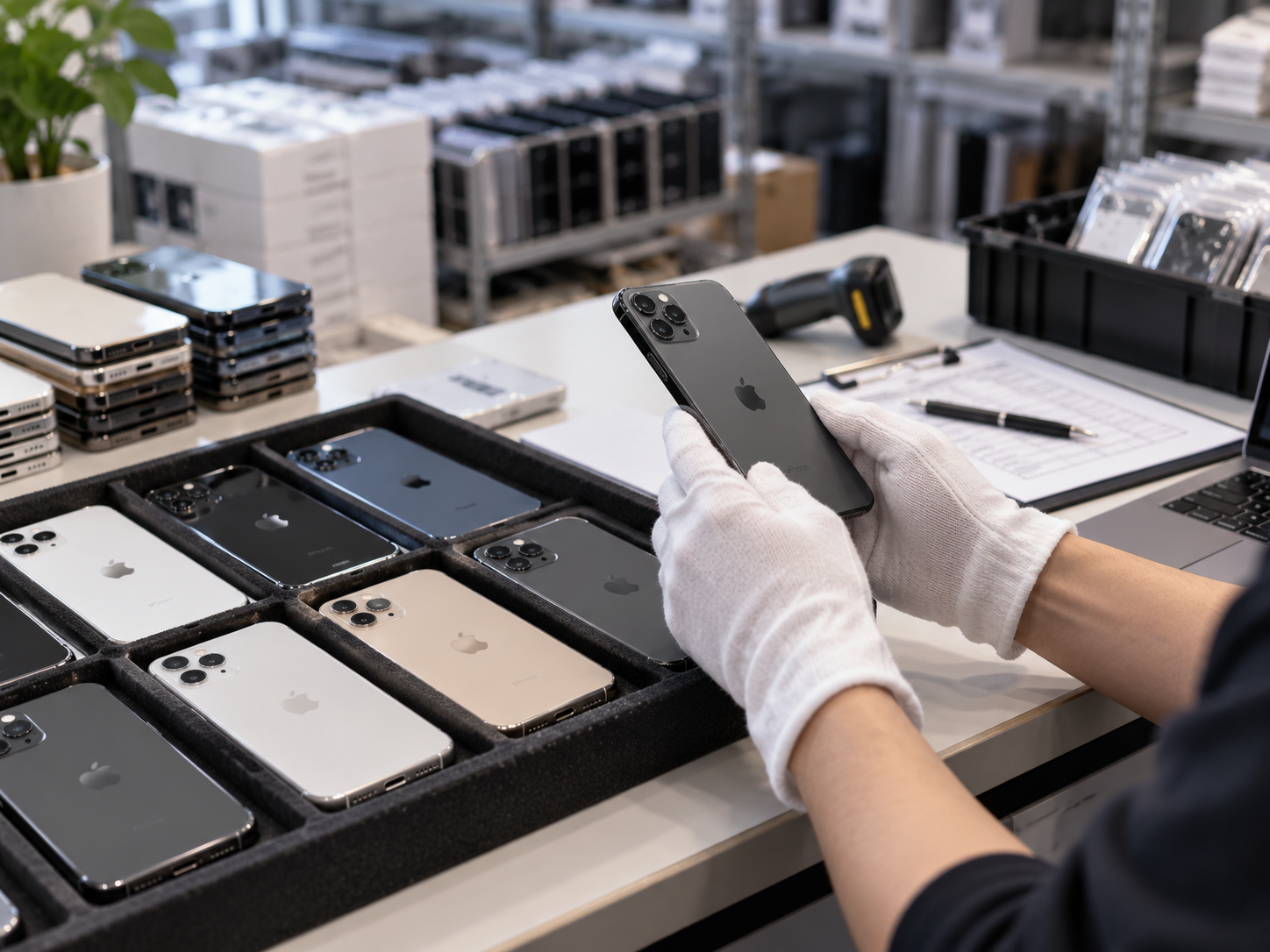
Device status
Factory Unlocked iPhone: A Complete Guide
Learn what factory unlocked means, what to verify, and how it affects market compatibility.
Read article →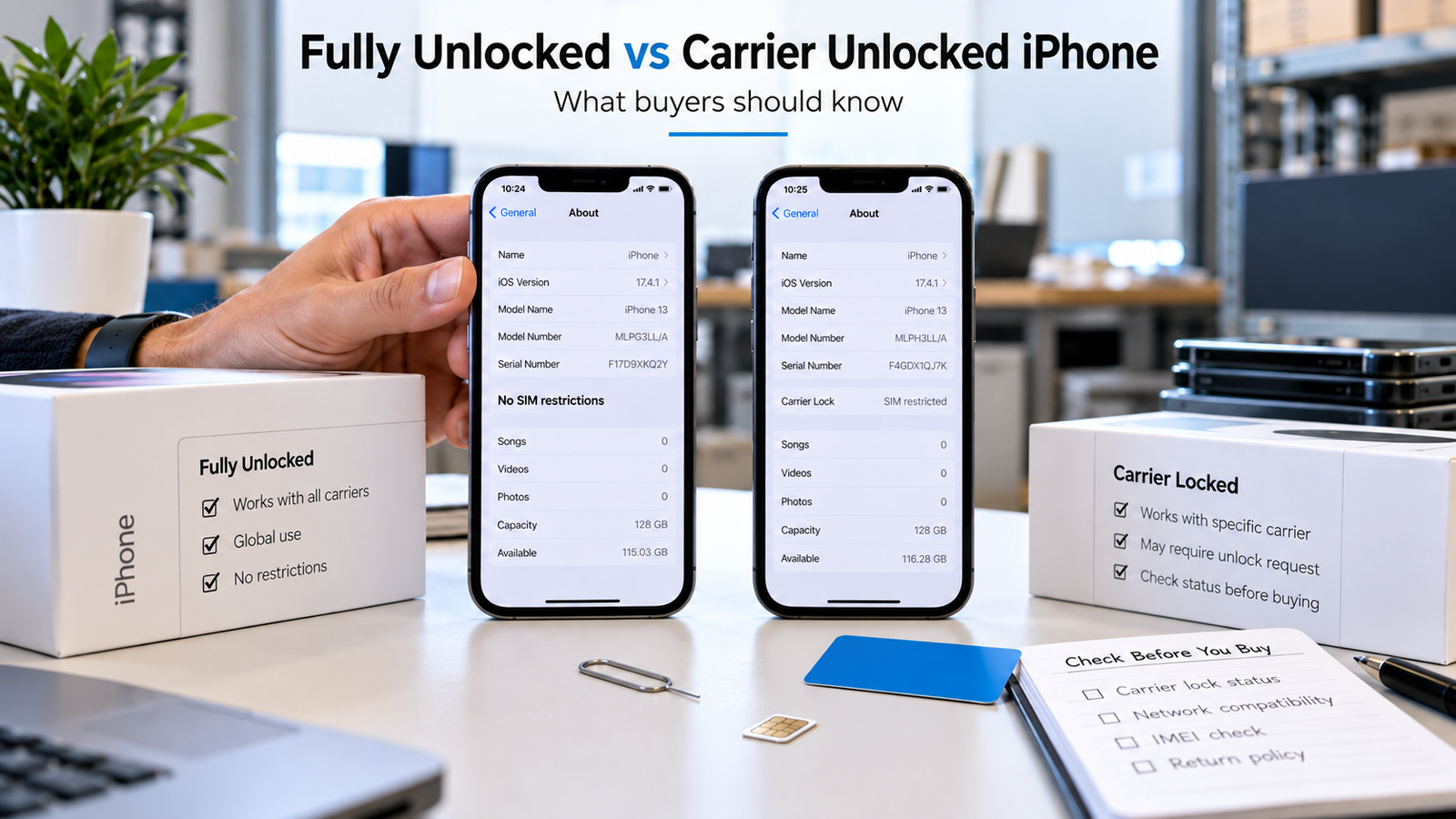
Device status
Fully Unlocked vs Carrier Unlocked iPhone
Compare current Carrier Lock status, original carrier history, and the B2B checks that support accurate resale.
Read article →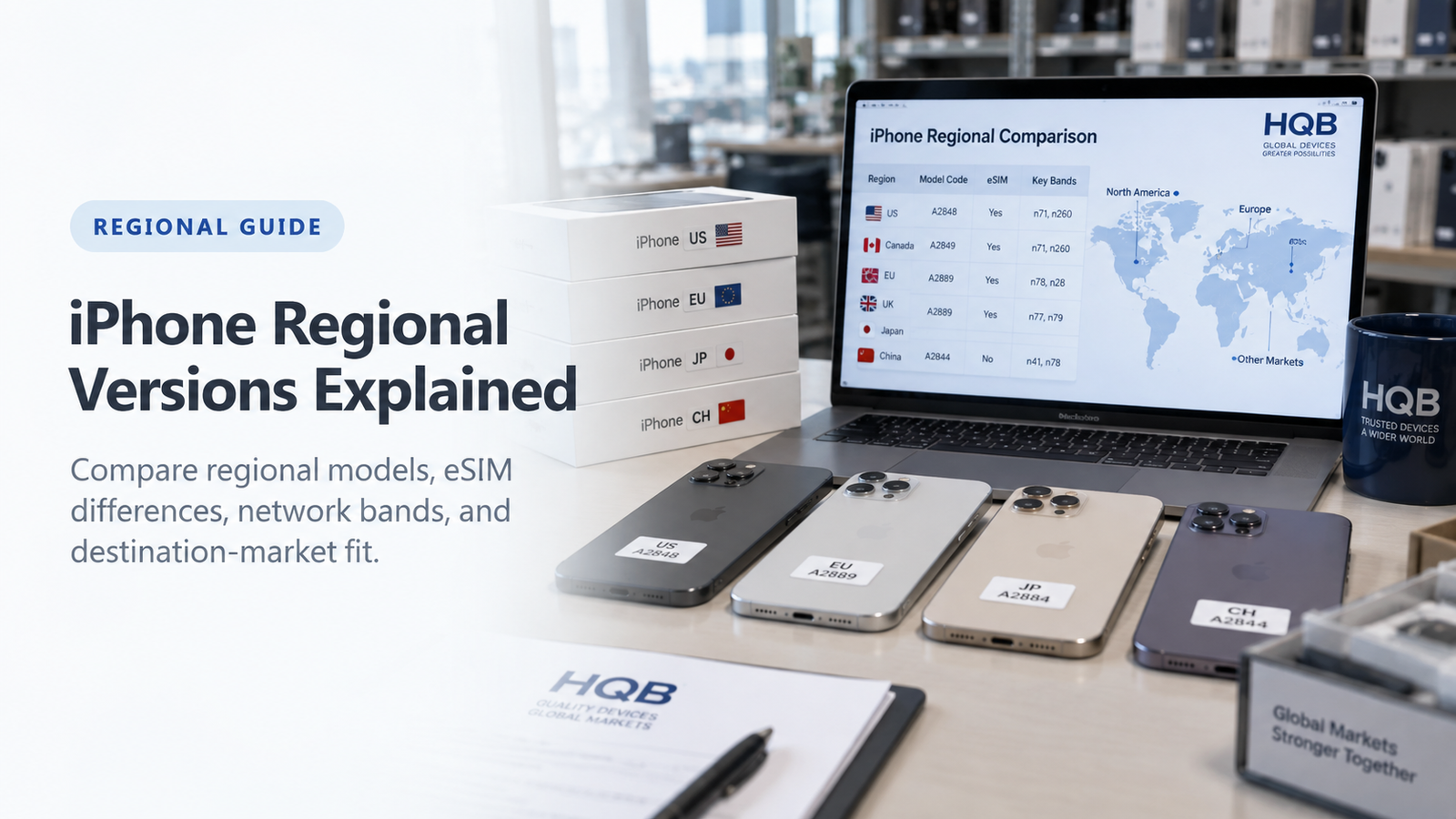
Regional compatibility
US Version vs International iPhone
Compare regional models, SIM arrangements, bands, eSIM requirements, and destination-market resale fit.
Read article →Regional compatibility
iPhone Regional Versions Explained
Compare US, China, Hong Kong, Japan, European and other iPhone variants for sourcing and resale.
Read article →
Bulk buying
Wholesale iPhones: A Buyer’s Guide
Plan a controlled wholesale purchase with clear requirements, traceable inventory, and receiving checks.
Read article →
Supplier selection
How to Choose an iPhone Wholesale Supplier
Evaluate suppliers through business evidence, written standards, inventory traceability, and claims controls.
Read article →
Quality control
How Are Used iPhones Tested Before Wholesale?
Understand the checks for display, battery, cameras, connectivity, device history, and locks.
Read article →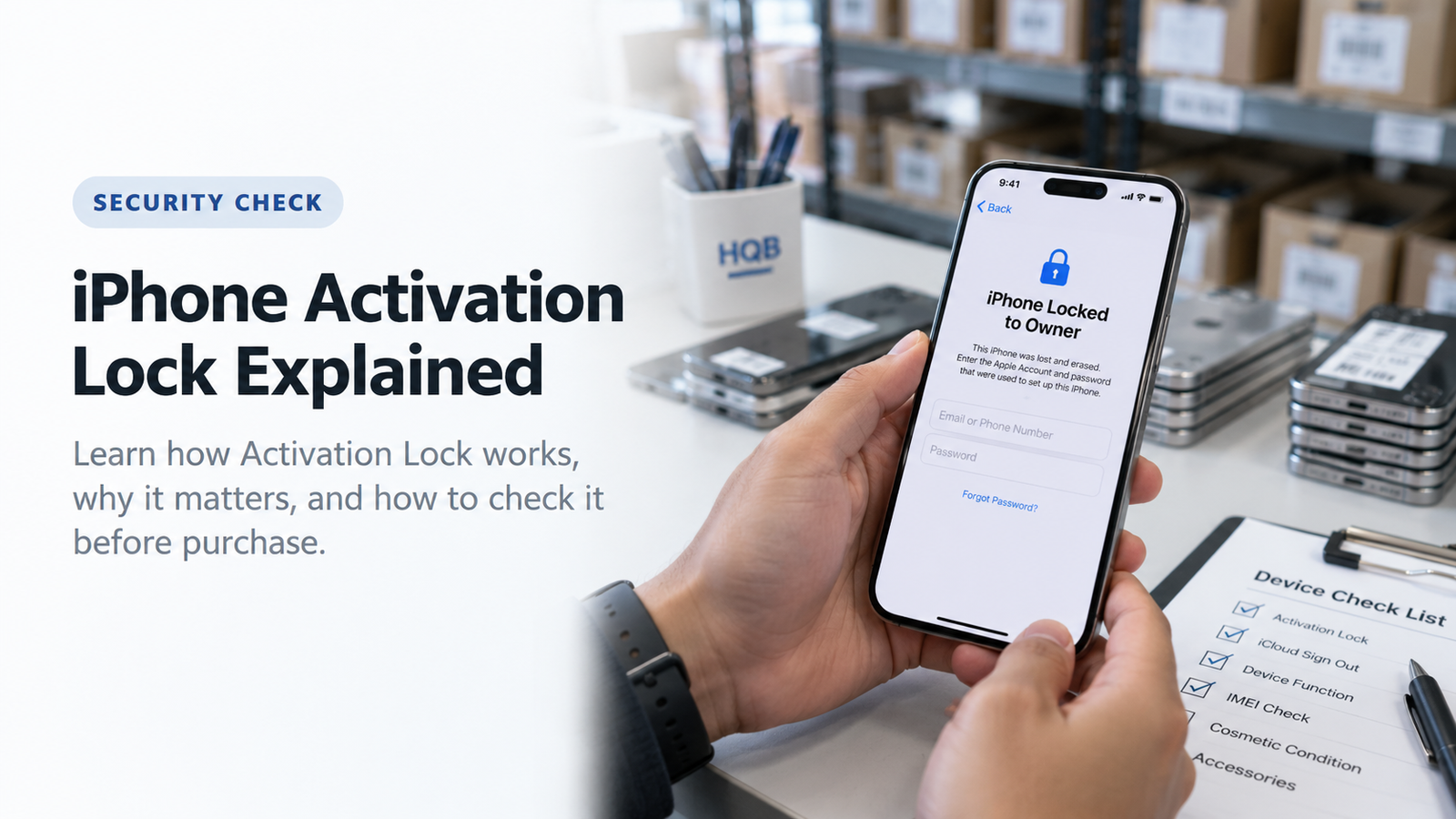
Device status
iPhone Activation Lock Explained
Understand Activation Lock, responsible ownership checks, and why legitimate verification protects resale.
Read article →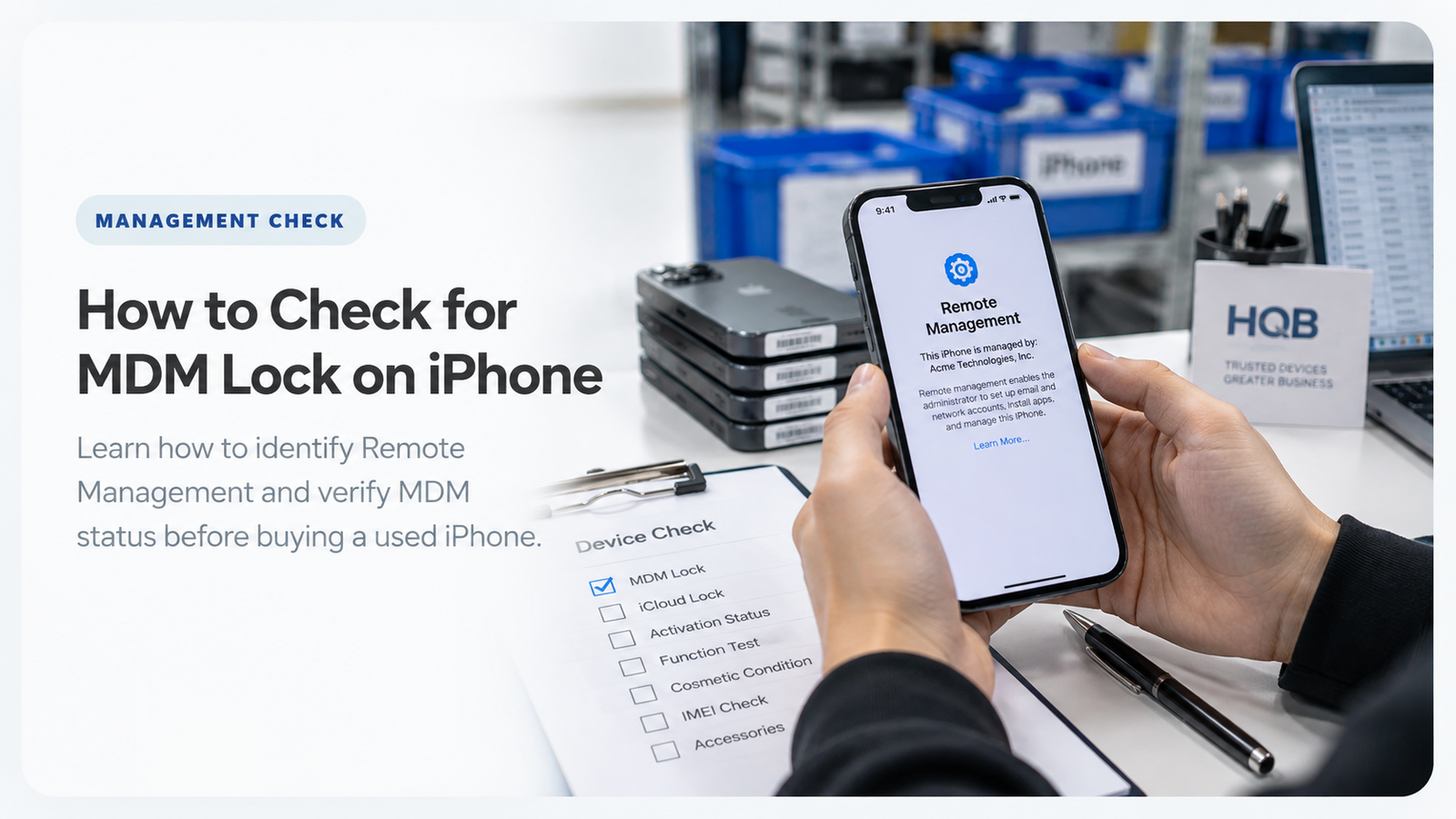
Device status
How to Check for MDM Lock on iPhone
Learn how to identify Remote Management during normal setup and document resale-readiness checks.
Read article →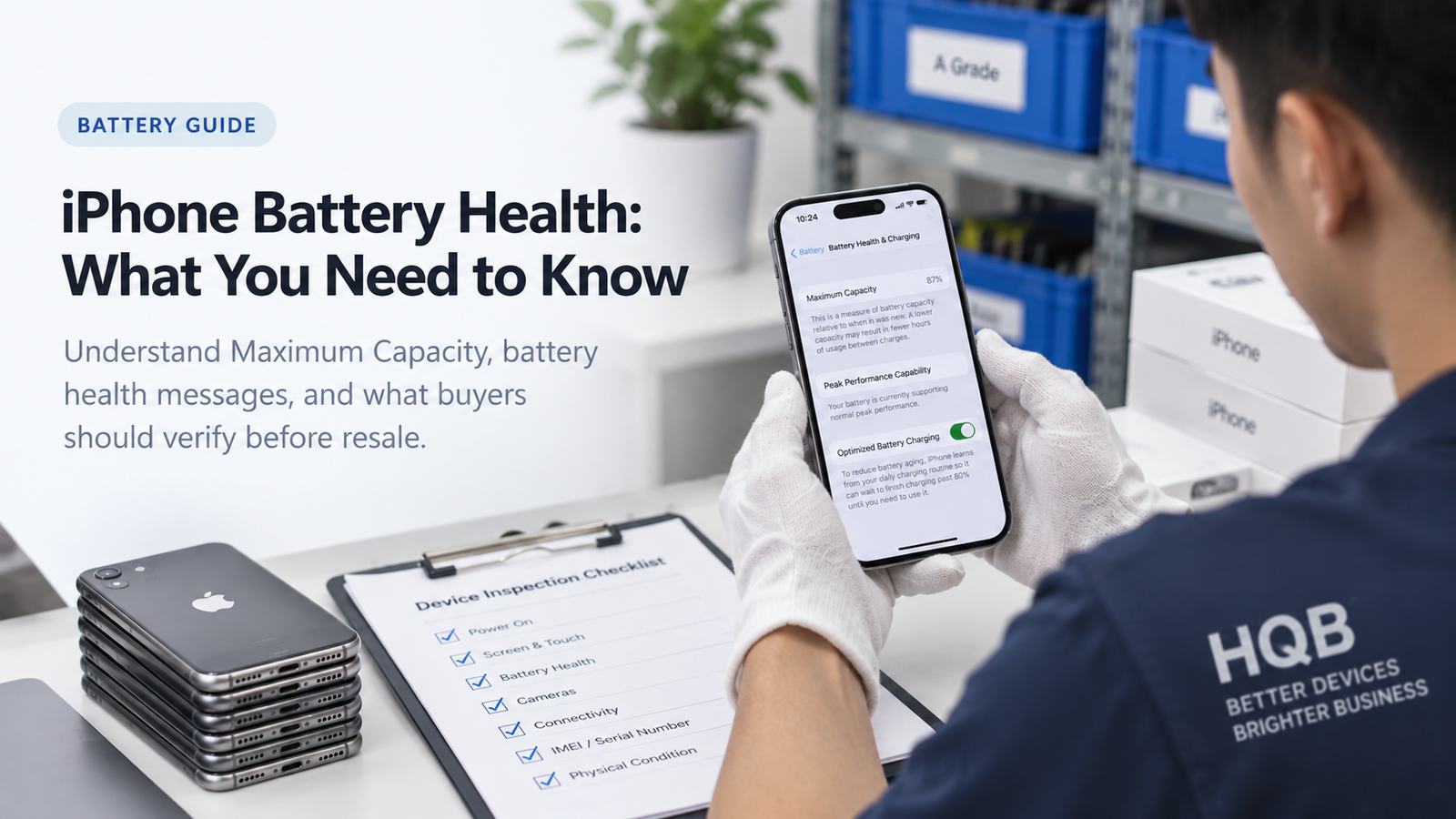
Battery checks
iPhone Battery Health: What You Need to Know
Review battery-health readings, capacity expectations, service messages, and purchase-order standards.
Read article →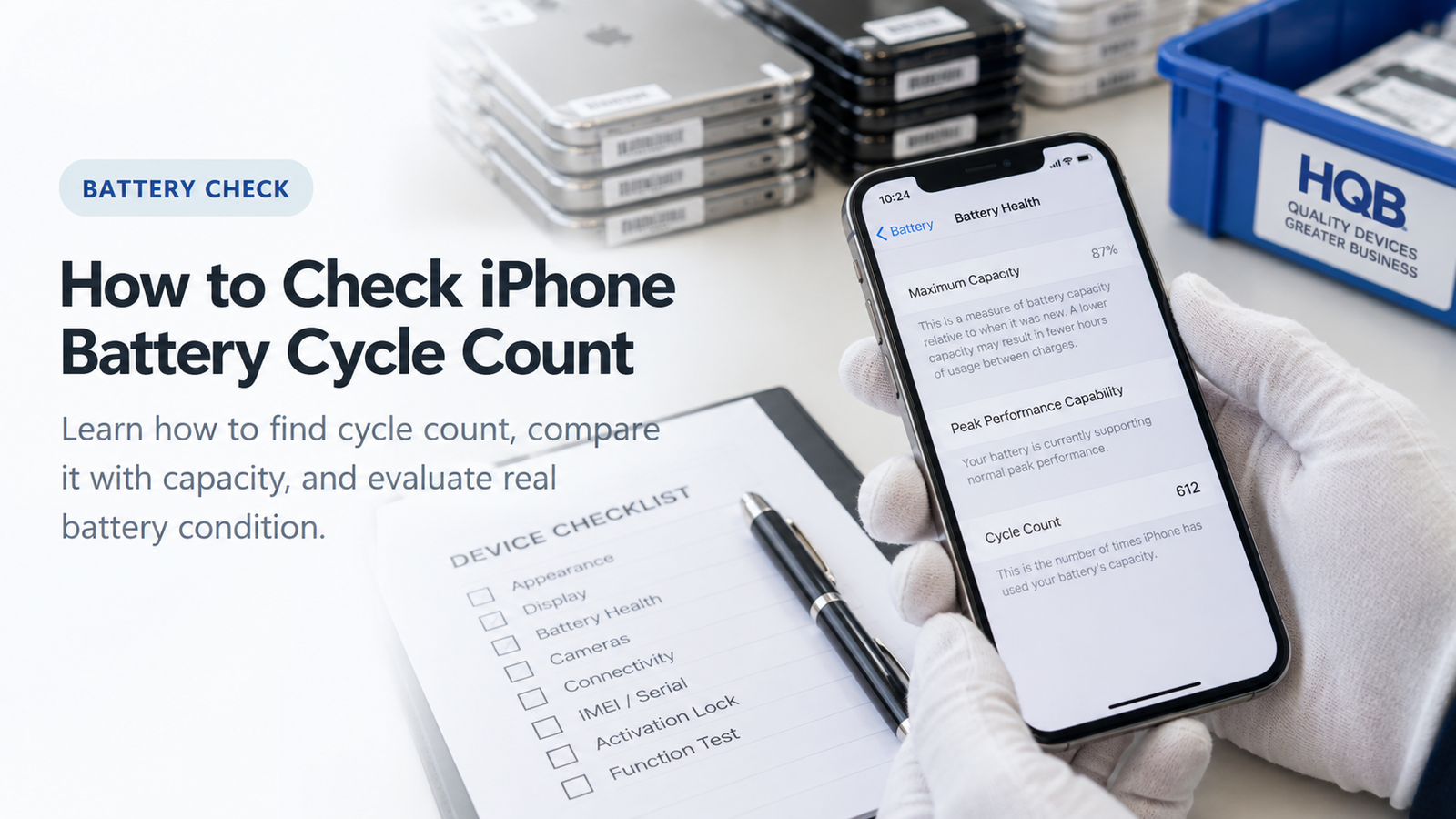
Battery checks
How to Check iPhone Battery Cycle Count
Understand Cycle Count, Maximum Capacity, battery history, and used-iPhone battery inspection.
Read article →
Resale planning
iPhone Resale Value: Which Models Hold Value Best?
Consider model demand, storage, condition, timing, and buyer preferences when planning inventory.
Read article →
Compatibility
Locked vs Unlocked iPhone: What’s the Difference?
Compare carrier status and compatibility questions before choosing inventory for a destination market.
Read article →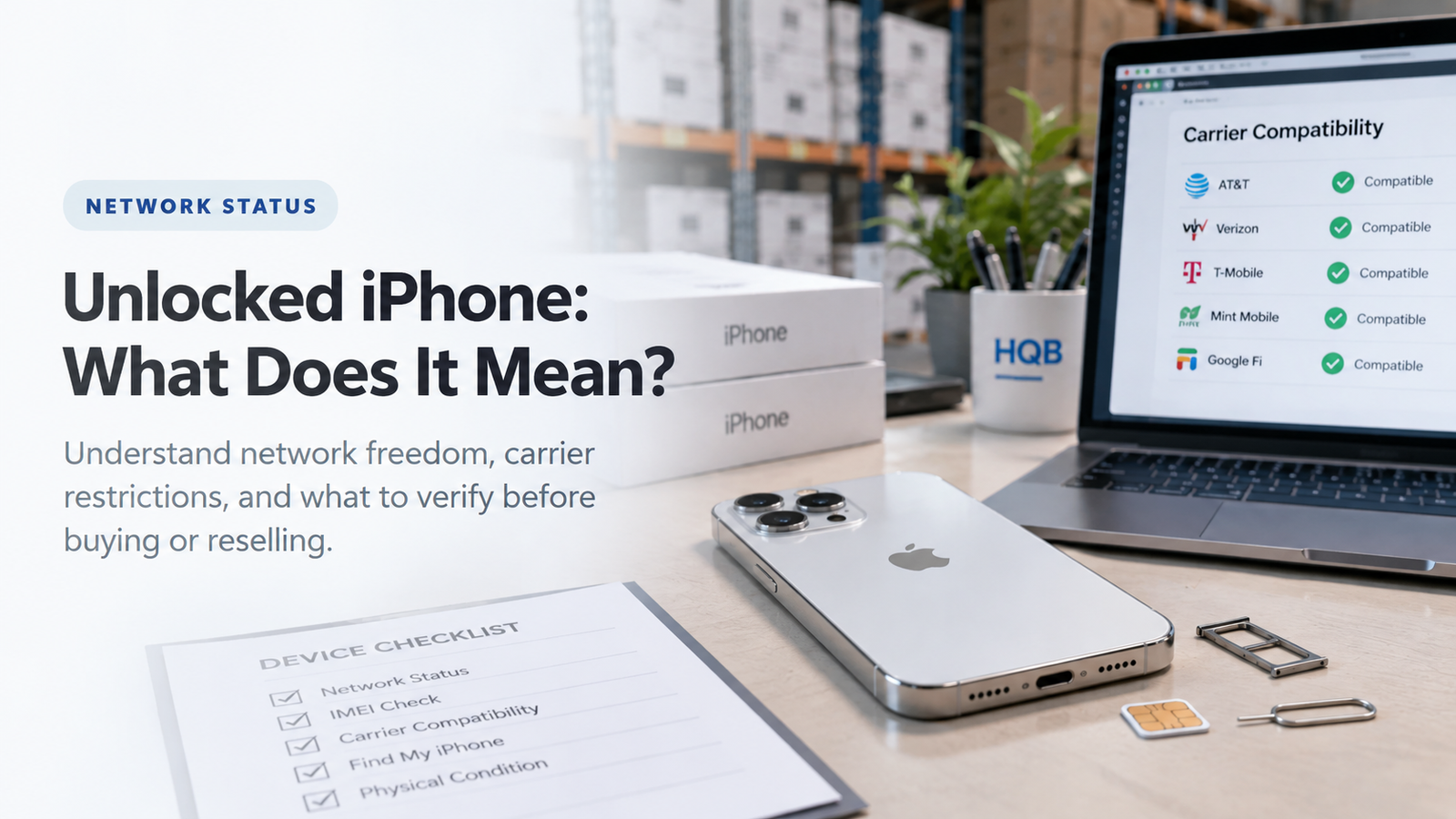
Compatibility
Unlocked iPhone: What Does It Mean?
Learn the practical checks behind an unlocked claim and how to keep device status discussions clear.
Read article →
Condition terms
Used iPhone Grading Explained
Use clear cosmetic and functional definitions to compare Like New, Excellent, Good, and other grades.
Read article →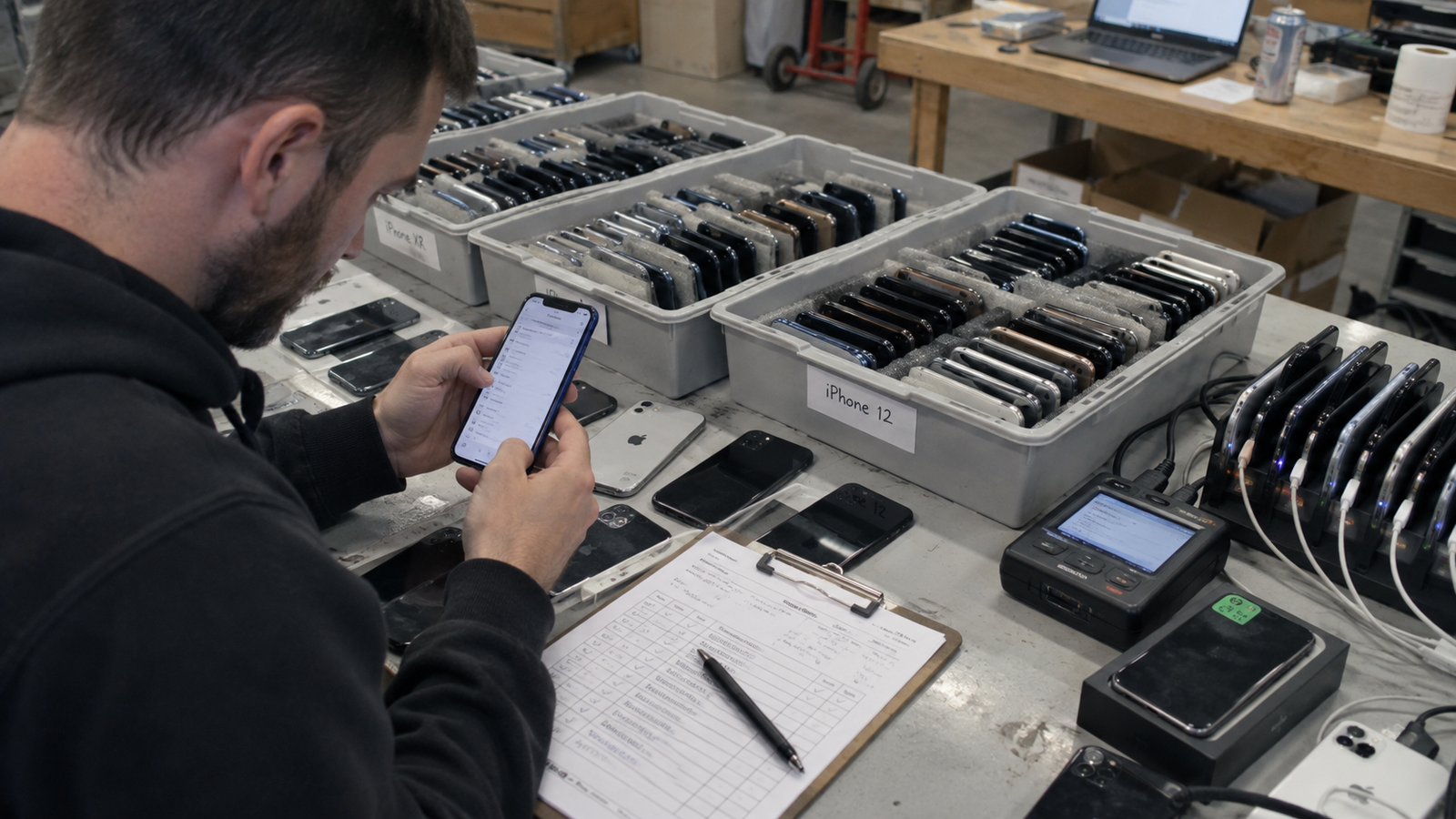
Receiving checks
What to Check When Buying Used iPhones in Bulk
Use a practical checklist for models, IMEIs, grading, testing, packaging, and delivery inspection.
Read article →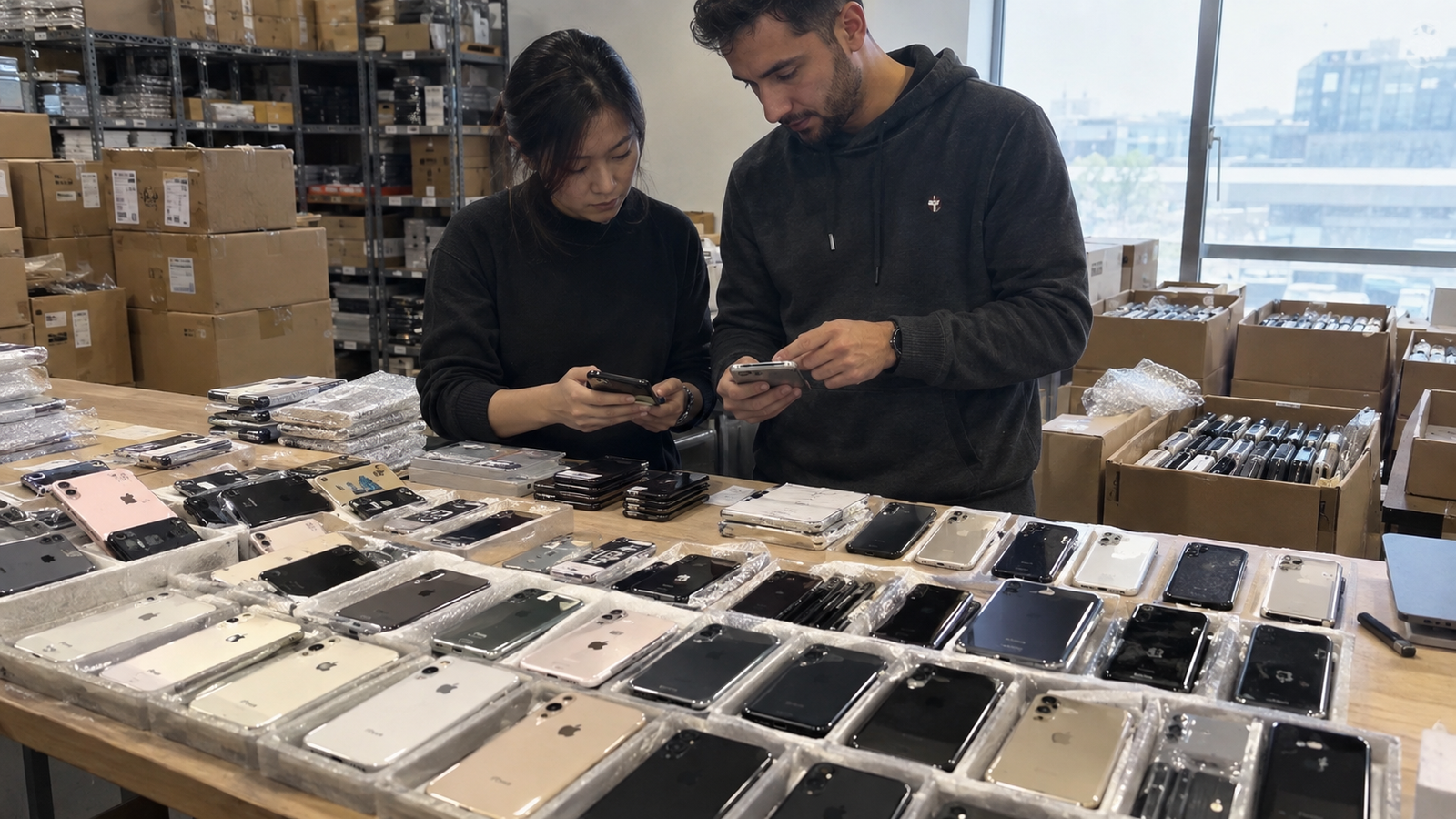
Sourcing options
Where to Buy Used iPhones in Bulk for Resale
Compare buying channels and the evidence to request before choosing a bulk iPhone source.
Read article →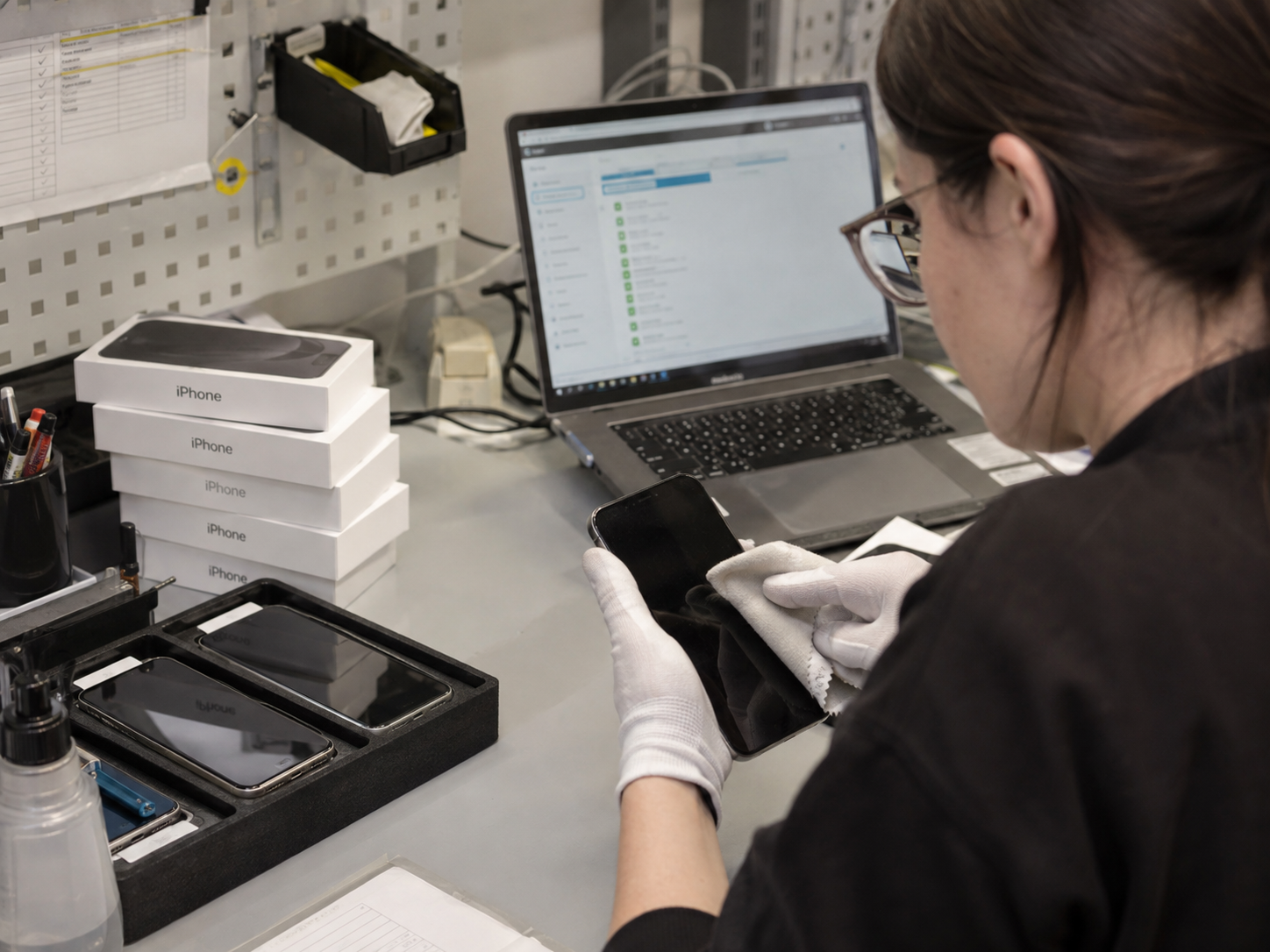
Product labels
Refurbished iPhone: What Does It Mean?
Learn what refurbishment can include and which battery, parts, grading, lock, warranty, and return details buyers should verify.
Read article →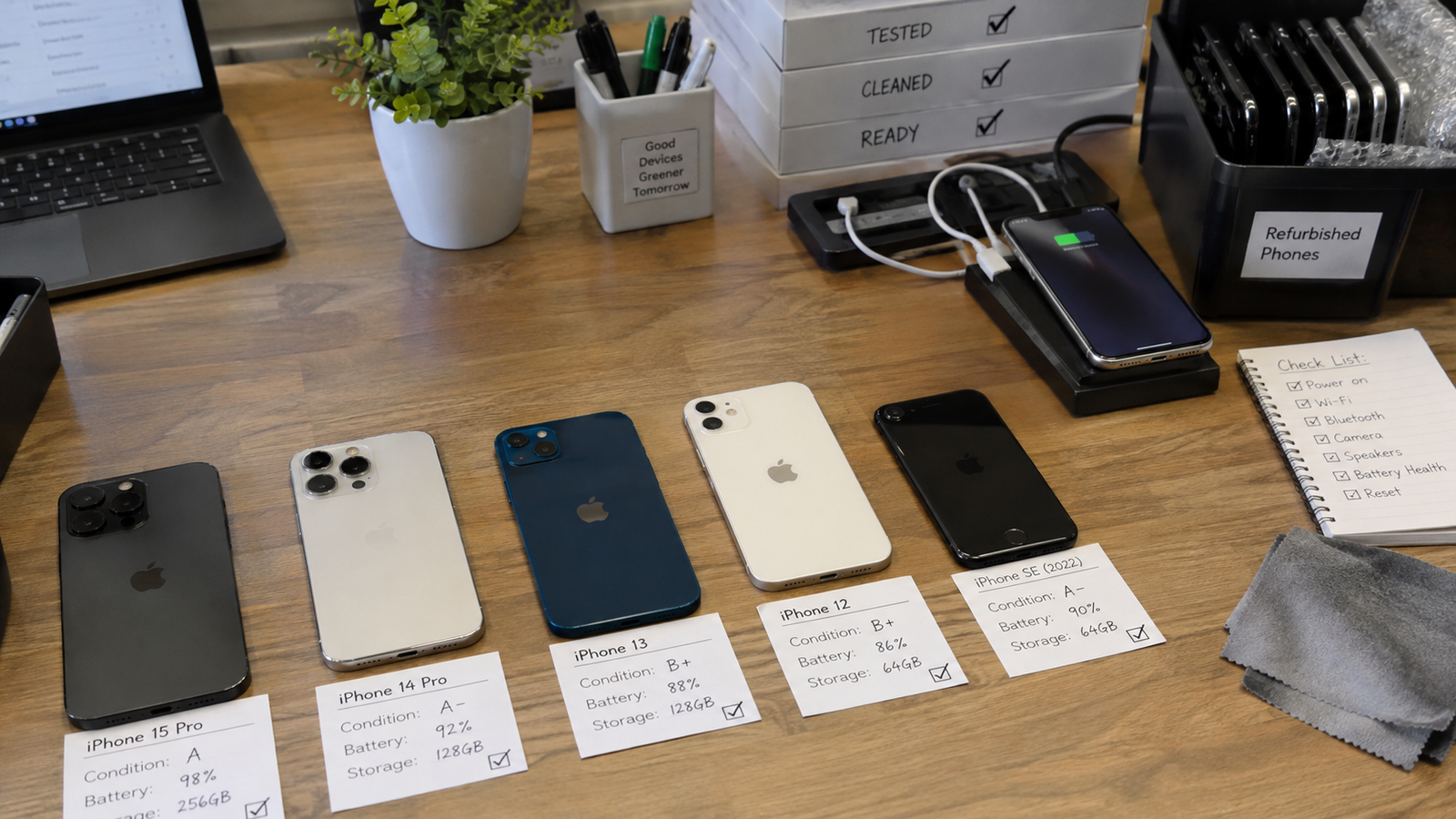
Model selection
Best Refurbished iPhone to Buy in 2026
Compare iPhone 13, 15, Plus, Pro, Pro Max, and newer options by buyer needs, verified condition, and resale fit.
Read article →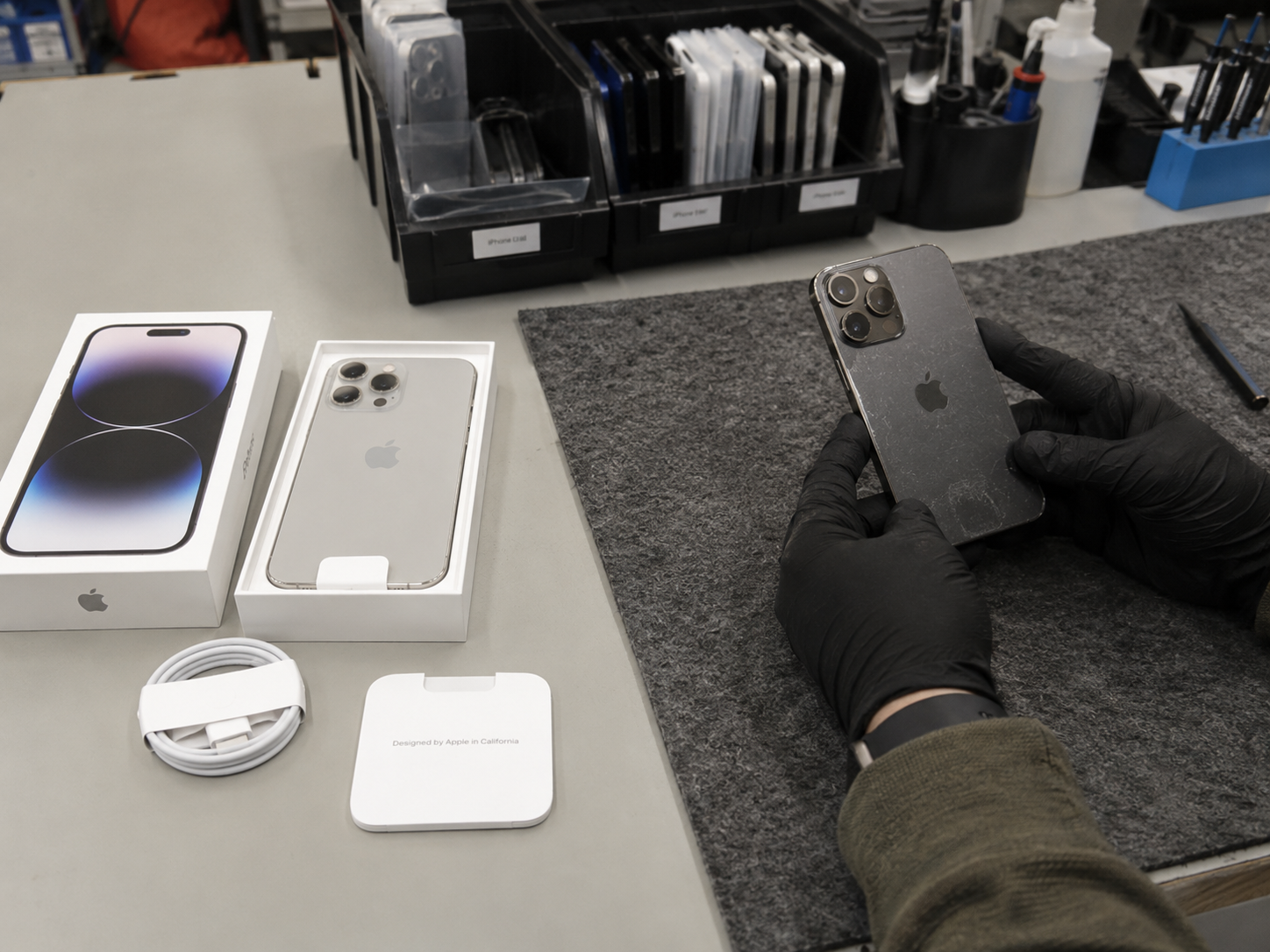
Buying comparison
Used iPhone vs New iPhone
Compare cost, condition, battery, warranty, features, resale value, and buyer risk before choosing used, refurbished, or new stock.
Read article →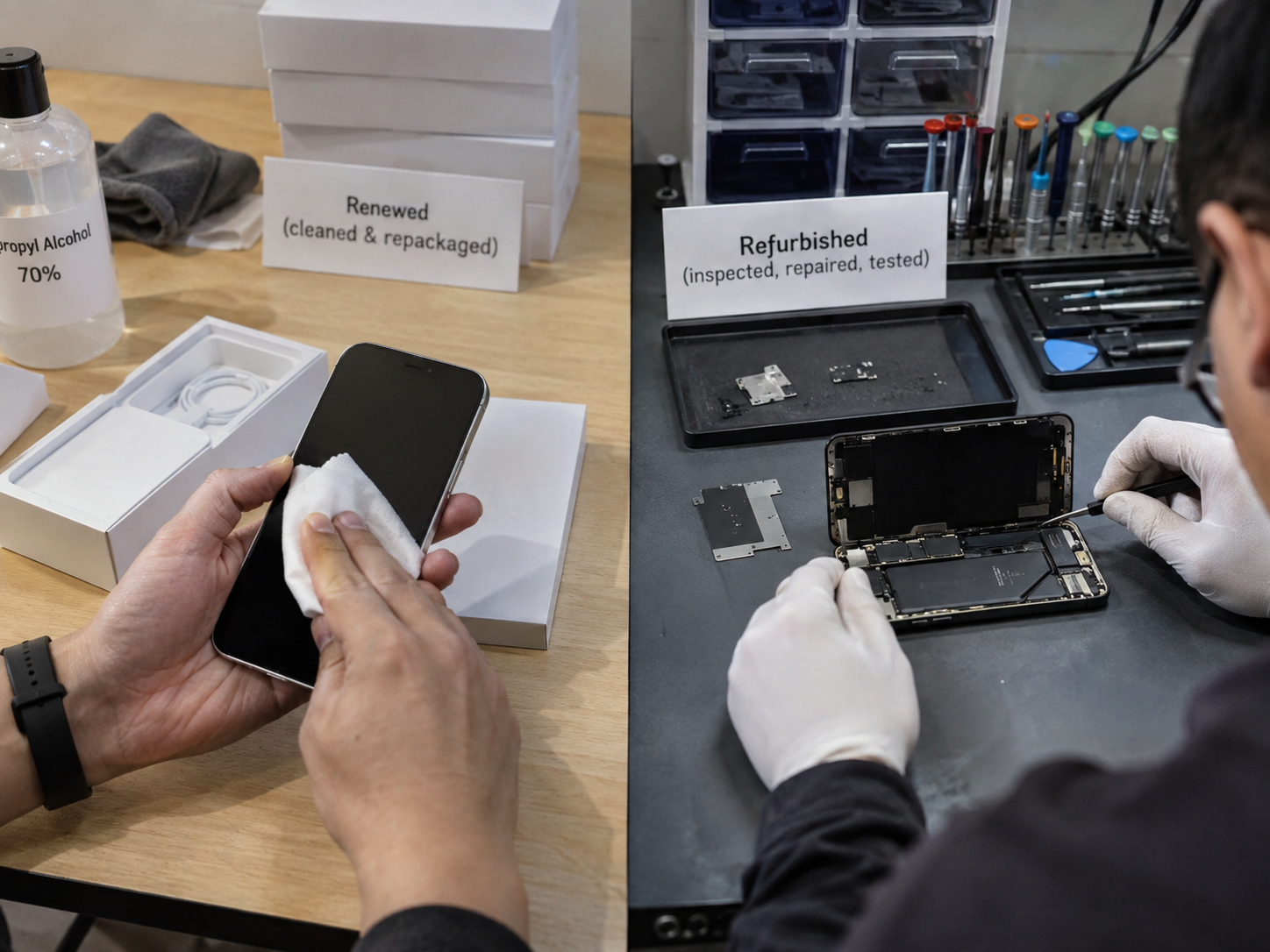
Product labels
Renewed vs Refurbished iPhone
Understand why renewed and refurbished labels vary by program, seller, testing, battery policy, parts disclosure, warranty, and returns.
Read article →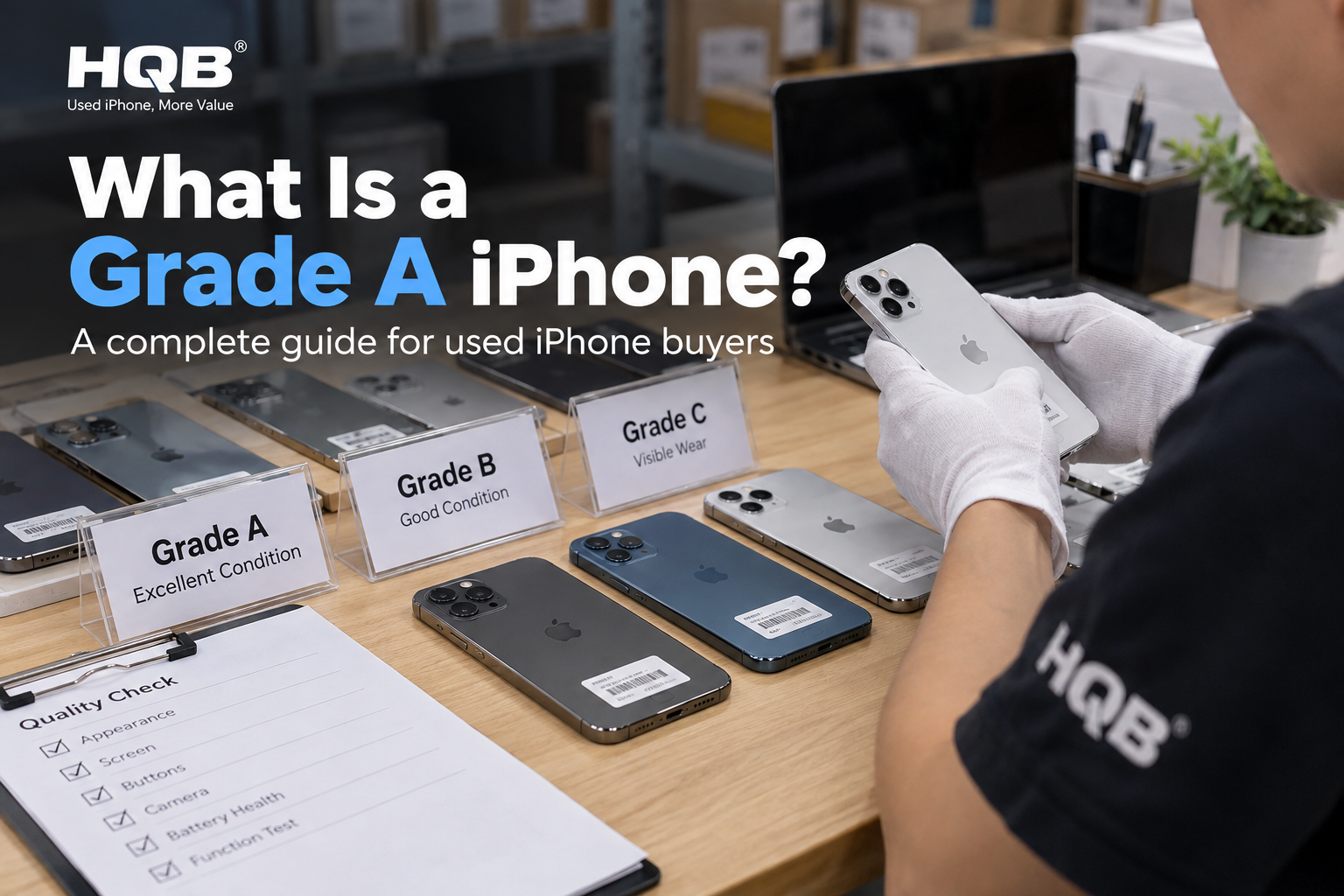
Condition terms
What Is a Grade A iPhone?
See why Grade A generally concerns appearance, why definitions vary, and which function, battery, parts, lock, and warranty checks remain essential.
Read article →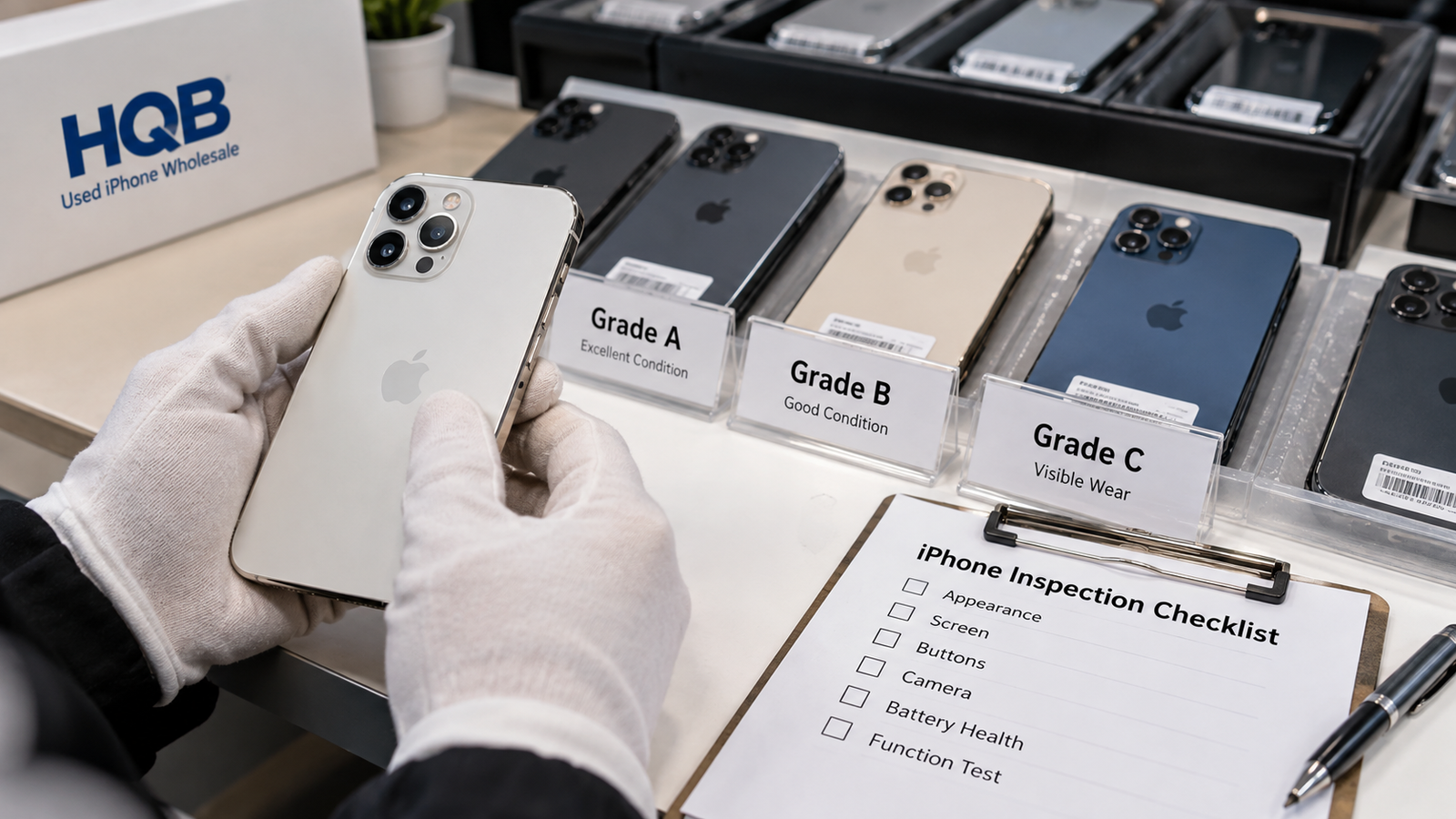
Condition comparison
Grade A vs Grade B iPhones
Compare cosmetic expectations, buyer profiles, battery and functional checks, written grading standards, and the questions that keep condition claims clear.
Read article →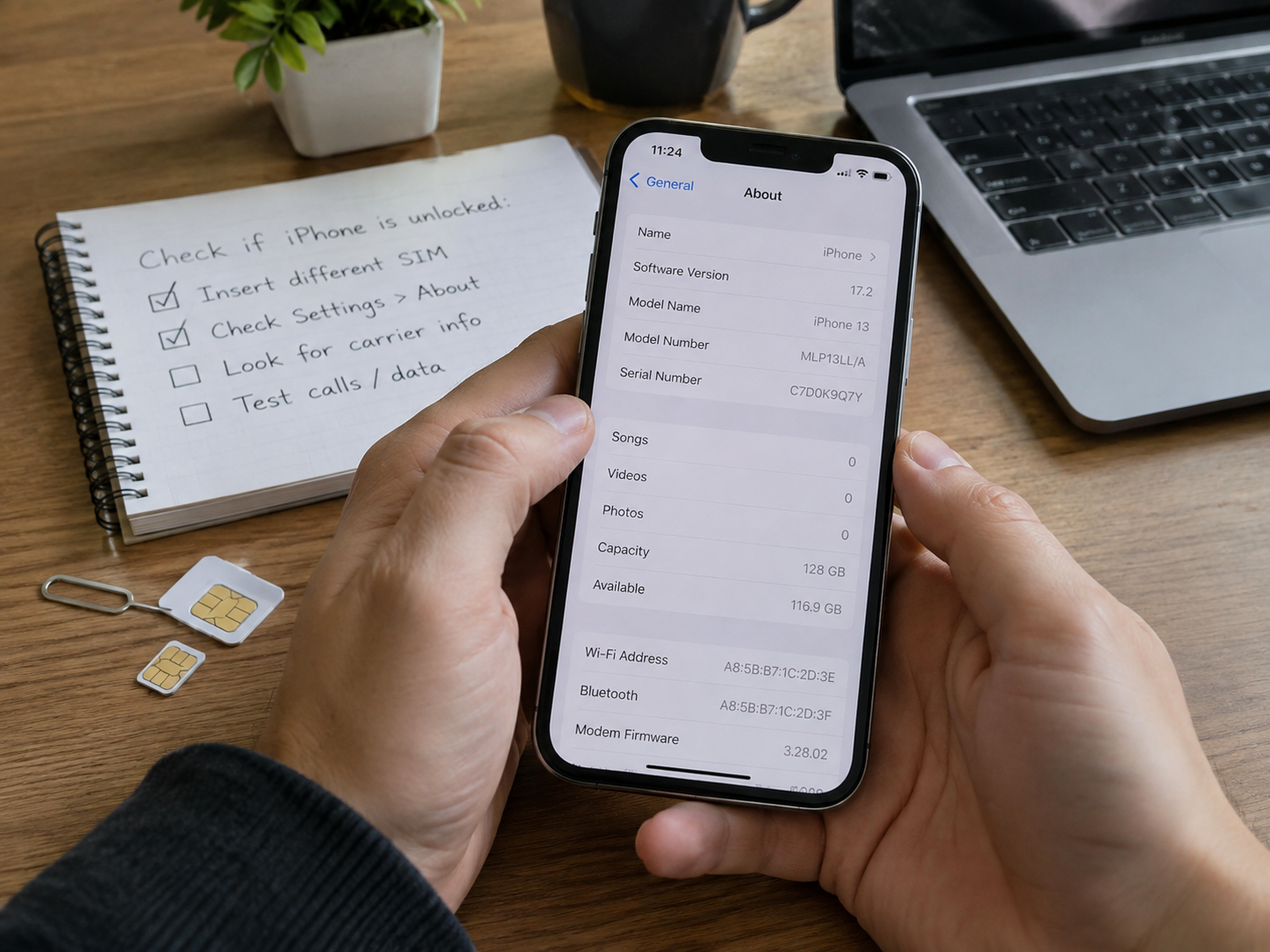
Device status
How to Check if an iPhone Is Unlocked
Follow practical carrier-status, setup, SIM/eSIM, model-compatibility, and lawful ownership checks before buying an iPhone for resale or personal use.
Read article →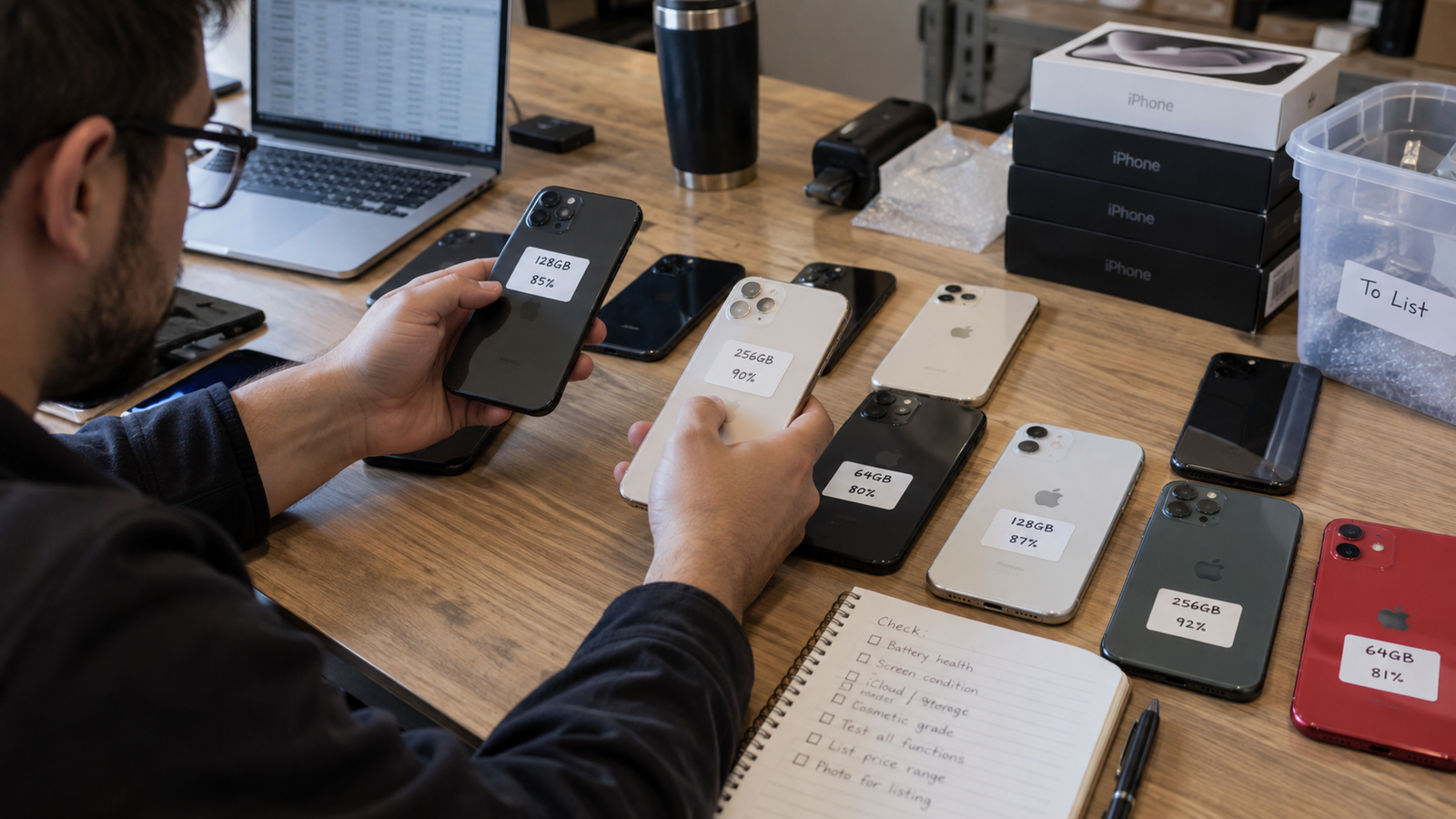
Resale planning
How to Choose Used iPhones for Resale
Plan a resale-ready model mix by market demand, condition grade, battery standards, documentation, pricing, warranty, and practical receiving controls.
Read article →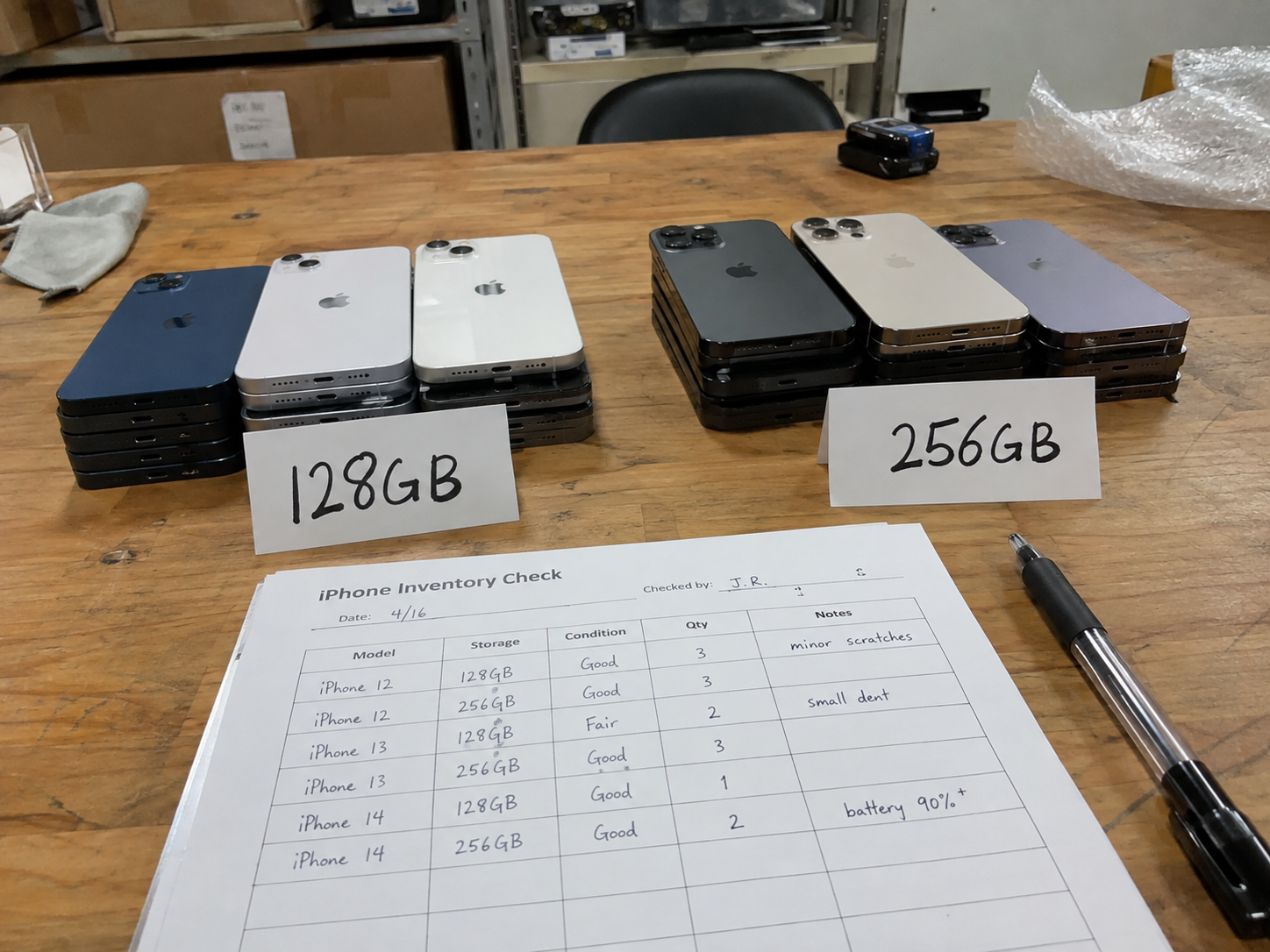
Storage planning
128GB vs 256GB iPhone
Compare storage capacity against buyer habits, media use, ownership period, resale demand, and inventory turnover.
Read article →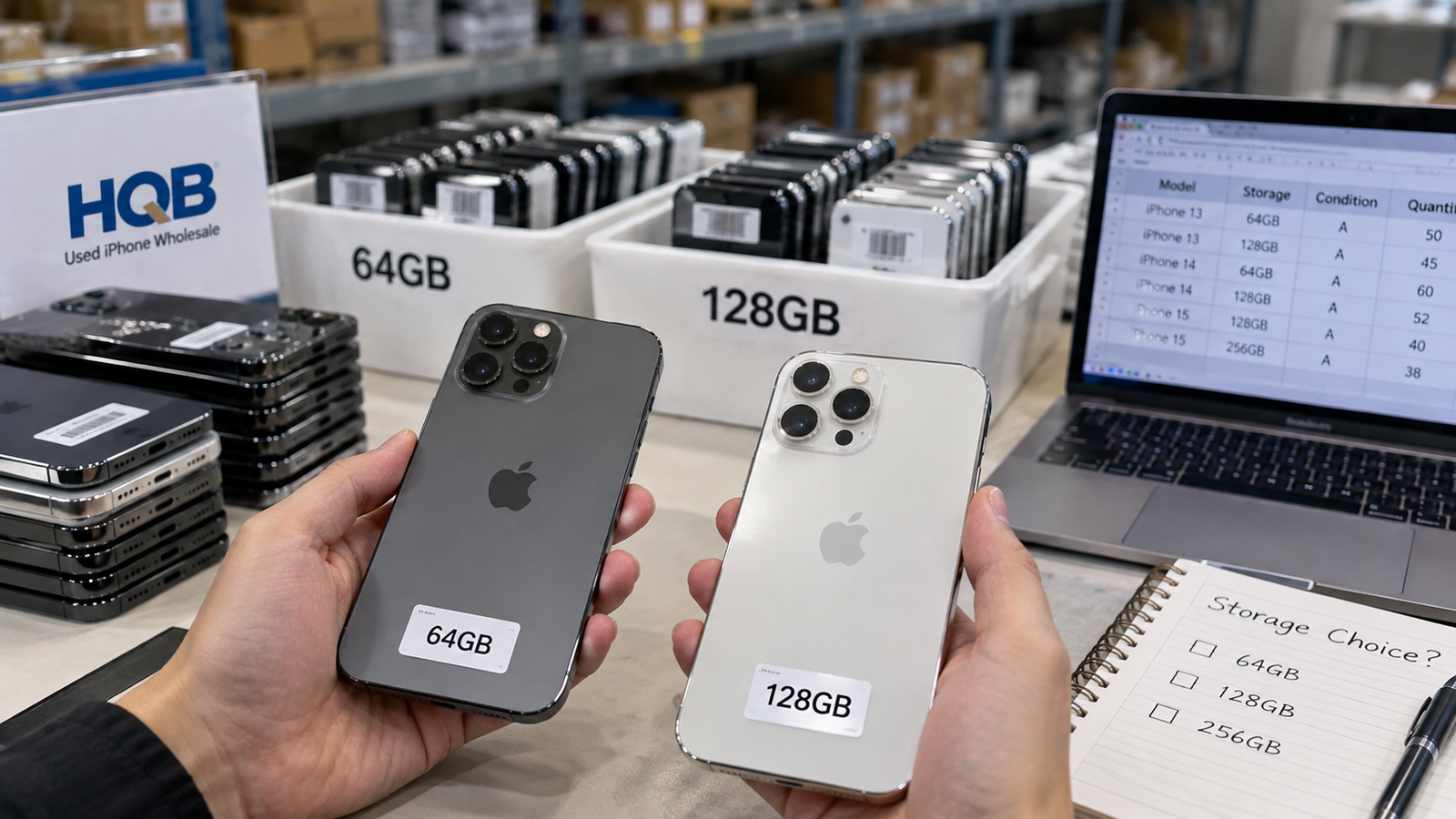
Storage planning
64GB vs 128GB iPhone
Understand how entry and mainstream storage tiers affect daily use, local media, pricing, and used iPhone resale.
Read article →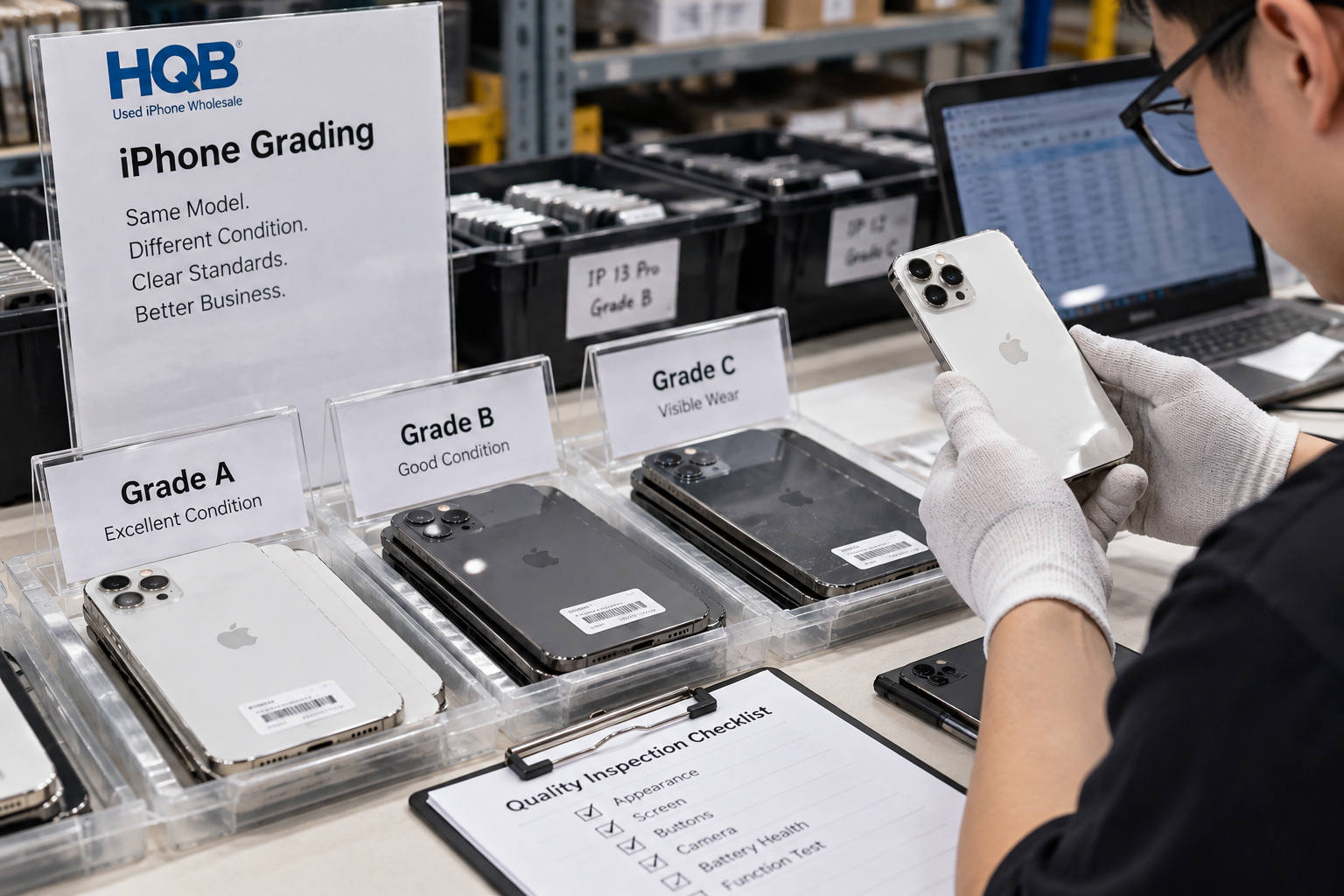
Model selection
Best iPhone Models for Wholesale
Evaluate iPhone generations by buyer demand, condition, capacity, regional fit, and realistic wholesale inventory planning.
Read article →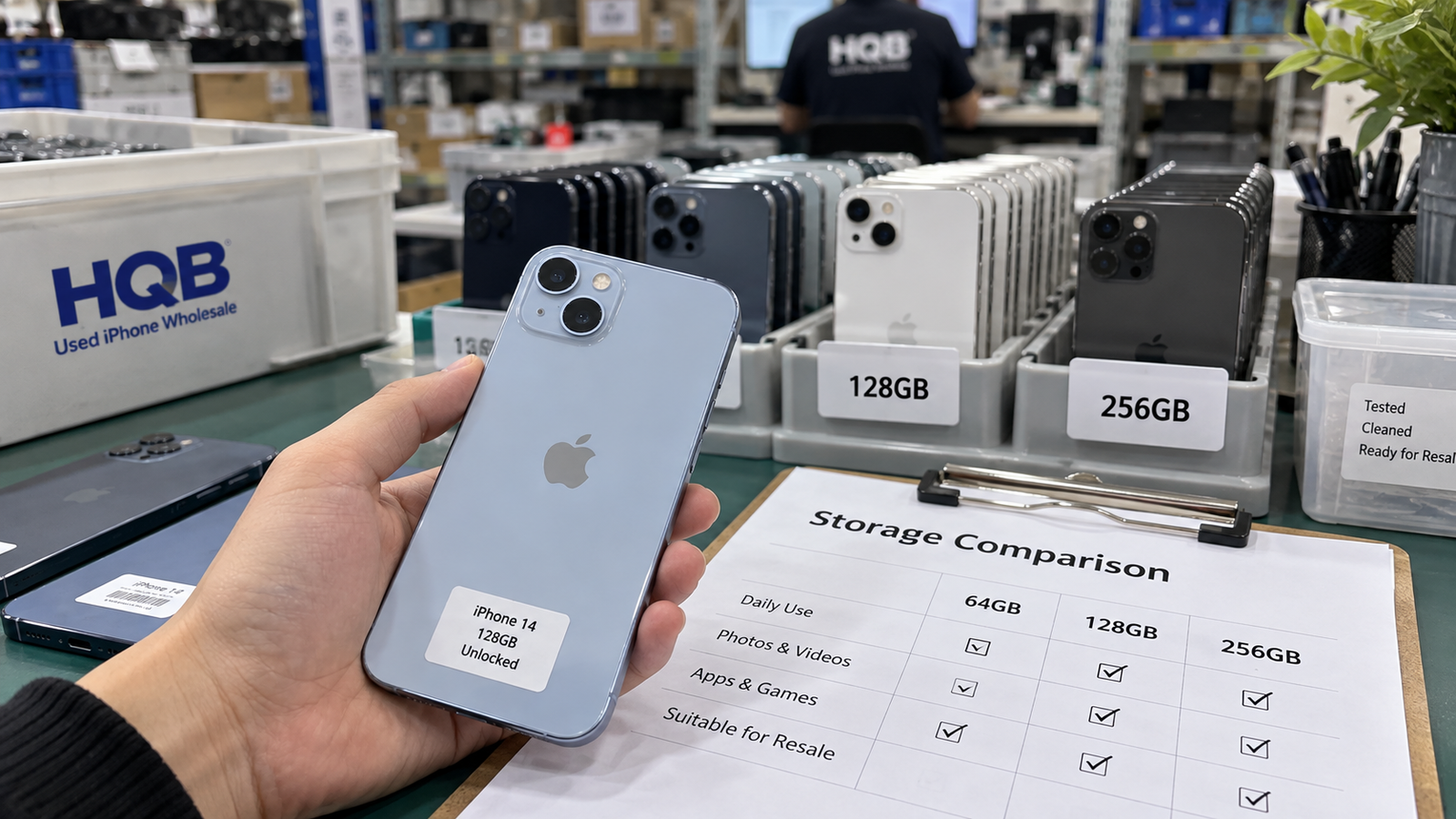
Resale planning
Best iPhone Storage for Resale
Use customer needs, storage cost, model generation, and inventory velocity to plan a practical capacity mix.
Read article →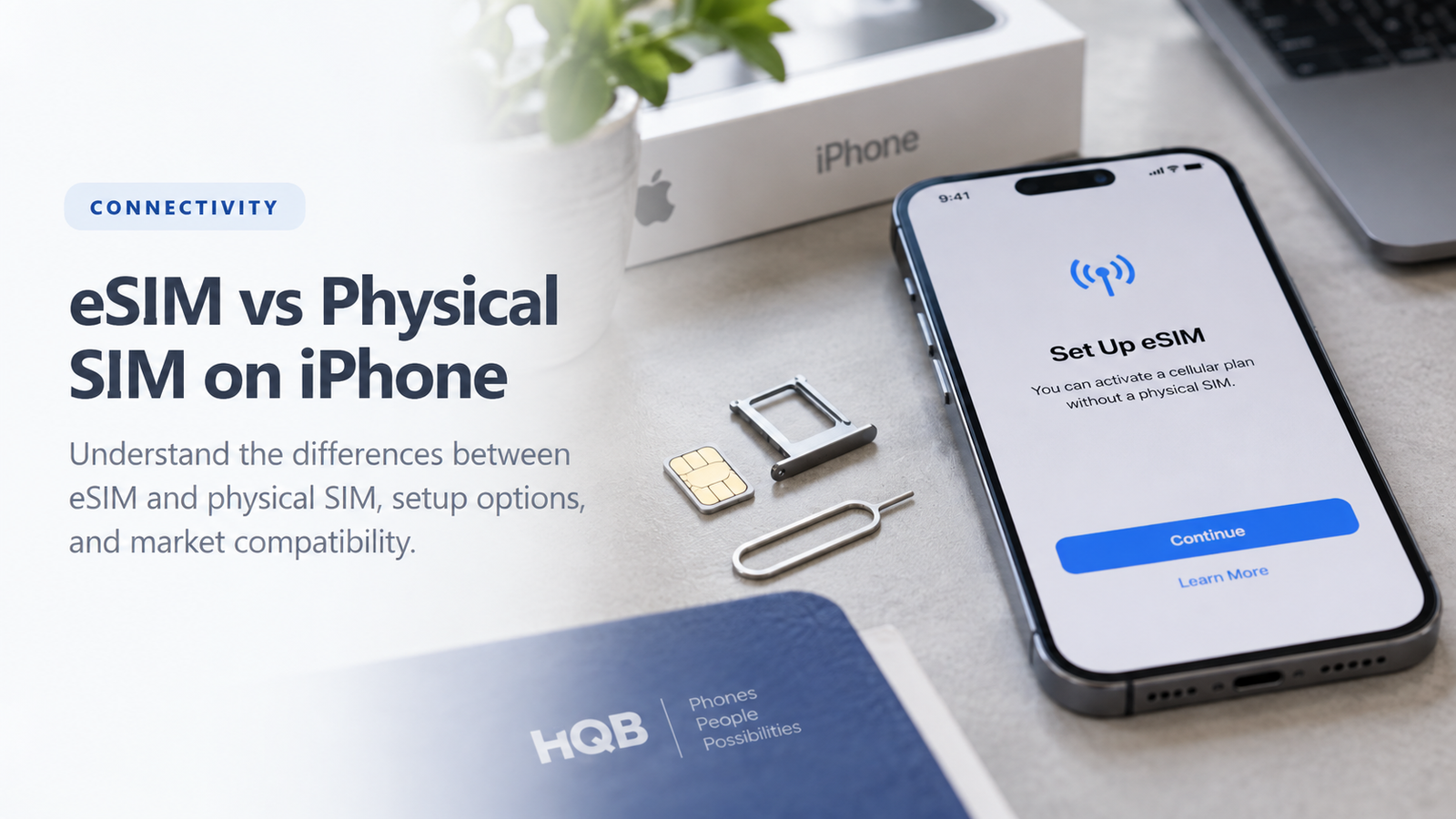
Connectivity
eSIM vs Physical SIM on iPhone
Compare digital and removable SIM options, regional variation, carrier requirements, and practical buying checks.
Read article →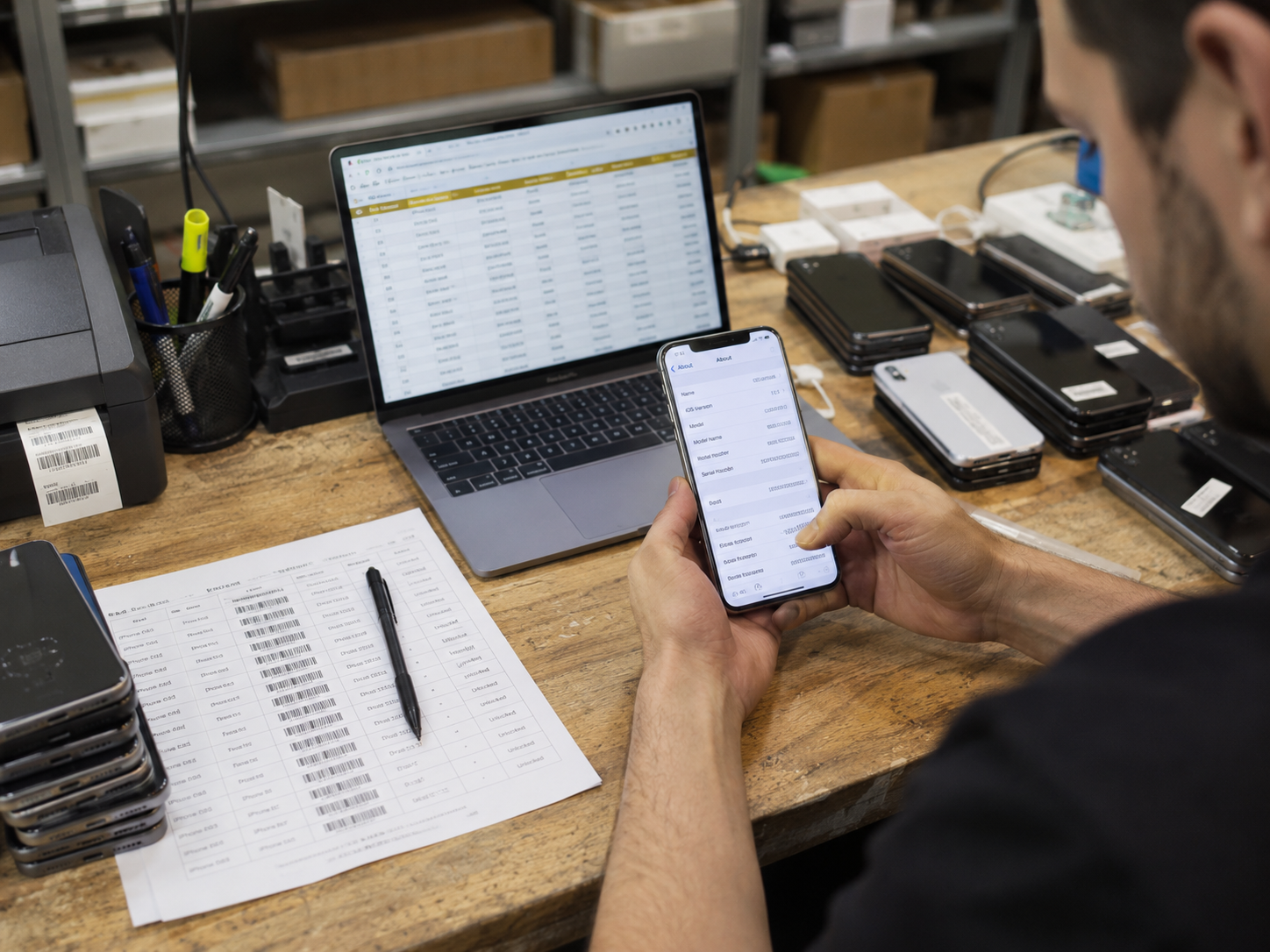
Device identifiers
ESN vs IMEI: What’s the Difference?
Learn which device identifiers matter for modern iPhones and why lock, ownership, and condition checks remain separate.
Read article →
Device status
How to Check iPhone IMEI
Follow a secure, practical process for locating an iPhone IMEI and matching it with legitimate supplier records.
Read article →
Device status
What Is a Blacklisted iPhone?
Understand why a flagged device identifier creates resale risk and why responsible buyers use lawful verification channels.
Read article →
Device status
What Is a Clean IMEI iPhone?
Learn what a clean IMEI result can indicate, what it cannot prove, and how buyers retain evidence responsibly.
Read article →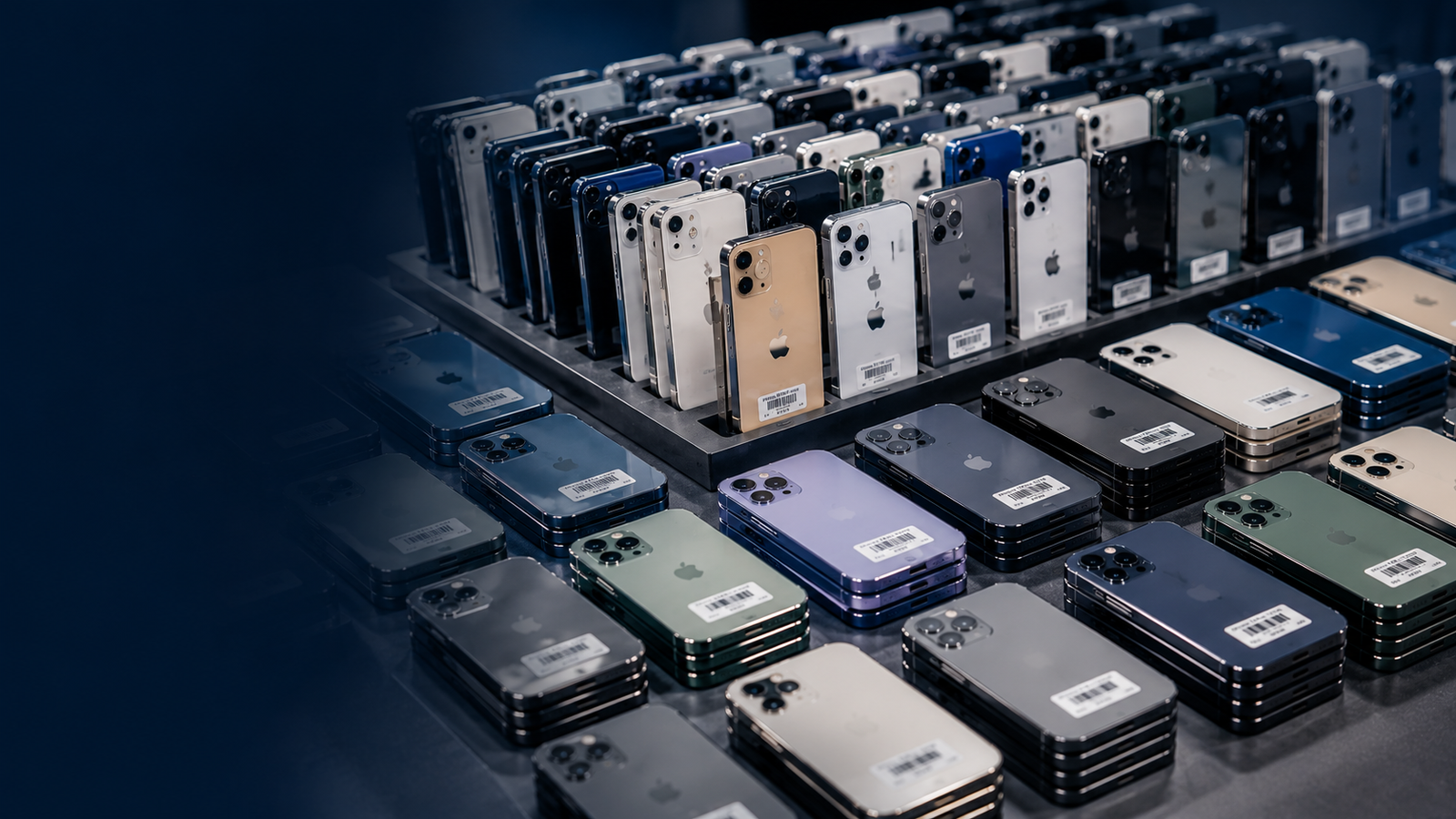
Condition terms
What Is a Grade B iPhone?
Review Grade B expectations, the need for written criteria, and the separate checks for battery, functions, locks, and repairs.
Read article →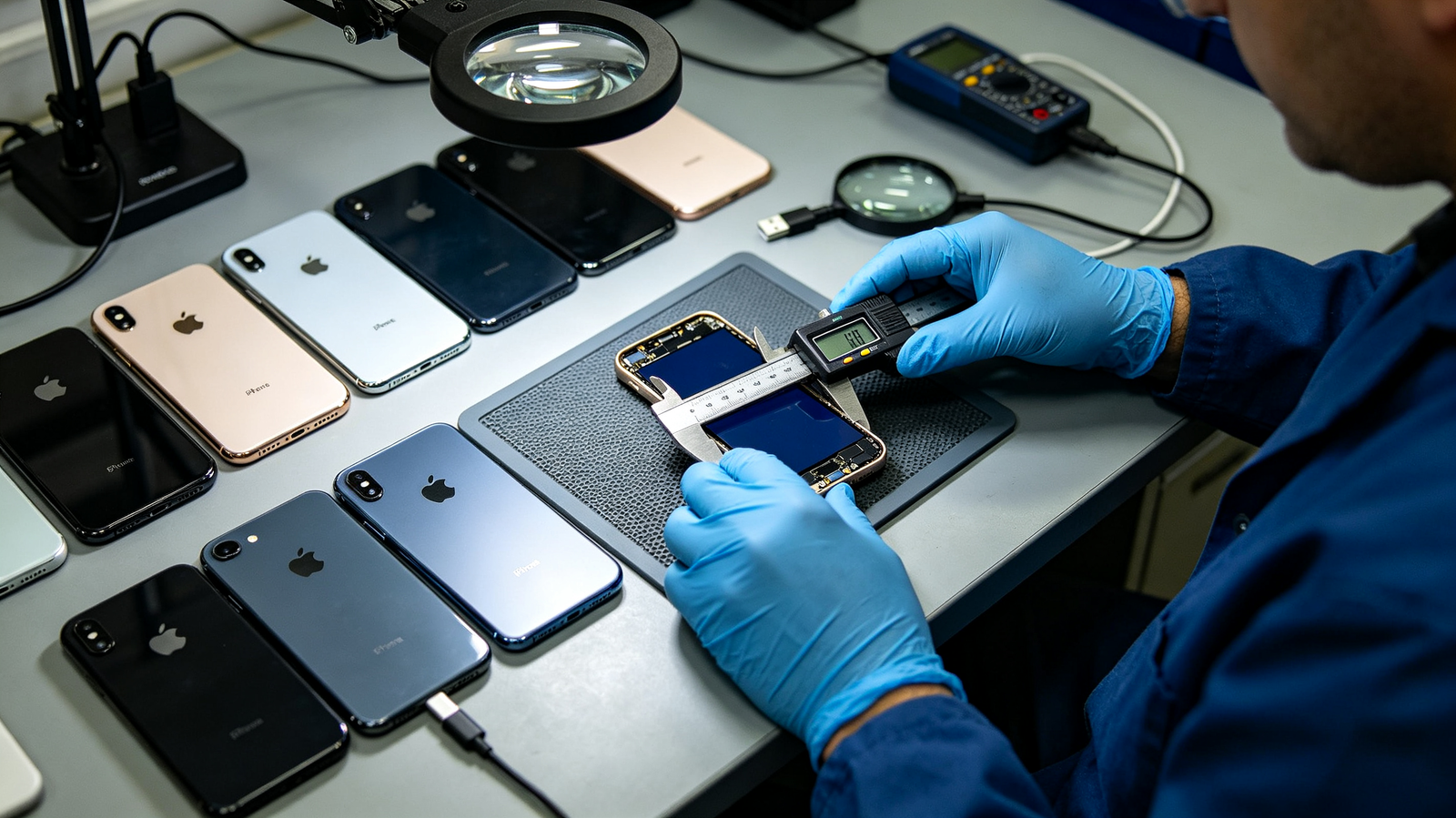
Connectivity
What Is an eSIM iPhone?
Understand digital SIM technology, eSIM-only regional models, Carrier Lock, travel compatibility, and used-device verification.
Read article →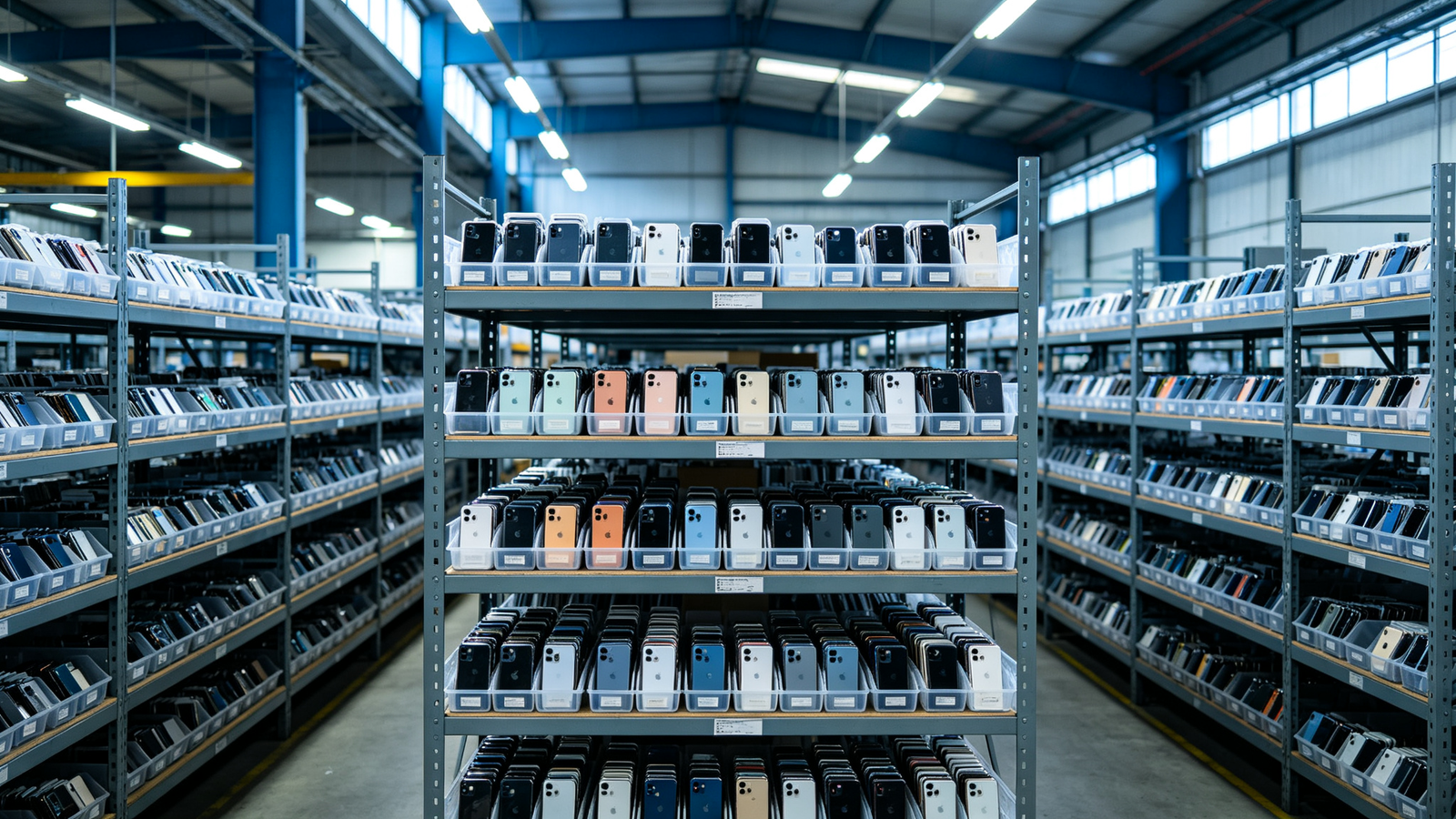
Sourcing options
Where to Buy Used iPhones in Bulk
Compare wholesalers, refurbishers, marketplaces, local sources, and liquidation channels through a documented acceptance process.
Read article →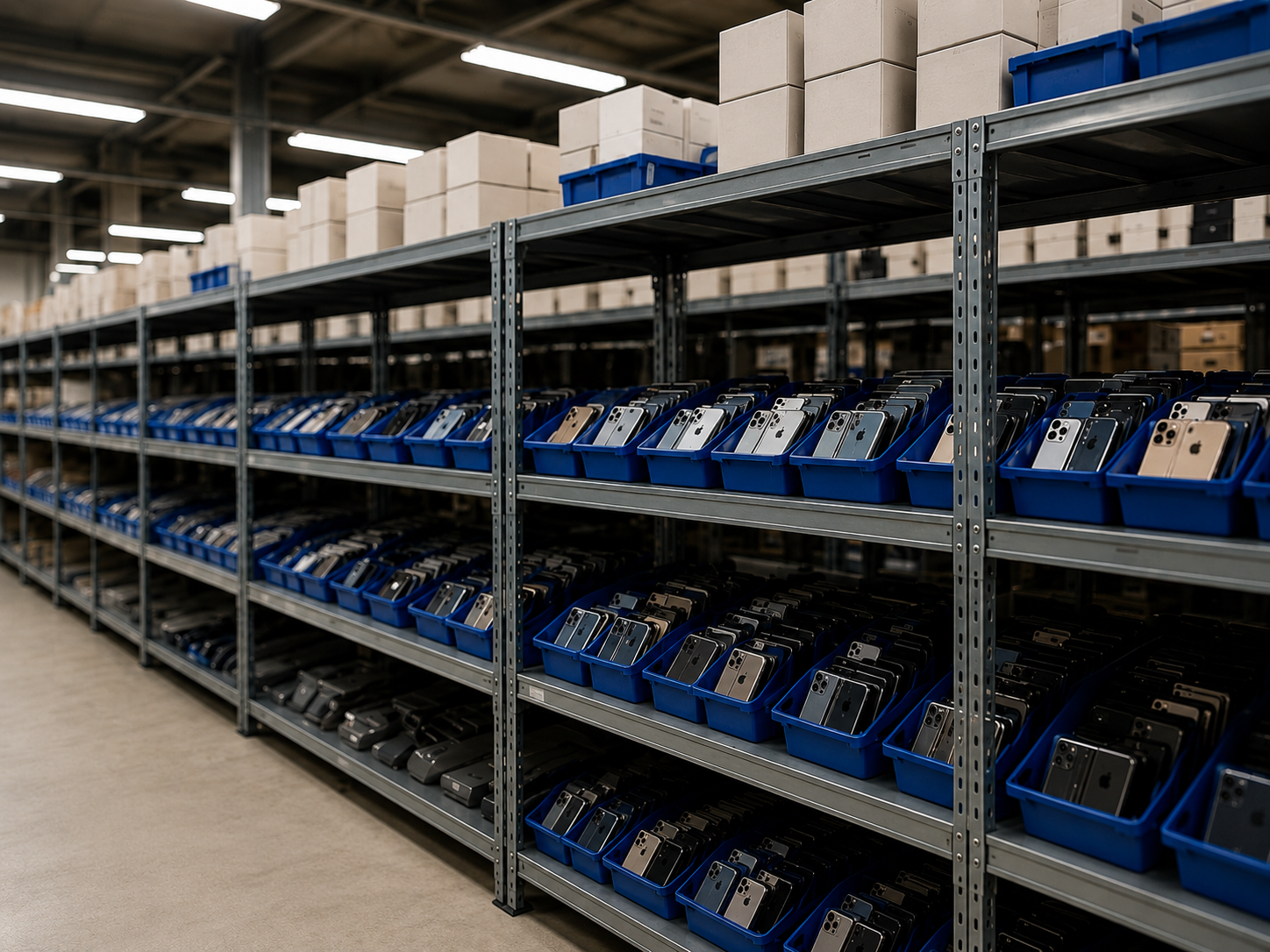
Wholesale sourcing
Where to Buy Wholesale iPhones
Compare new, used, refurbished, carrier-return, and regional wholesale channels before selecting inventory for your market.
Read article →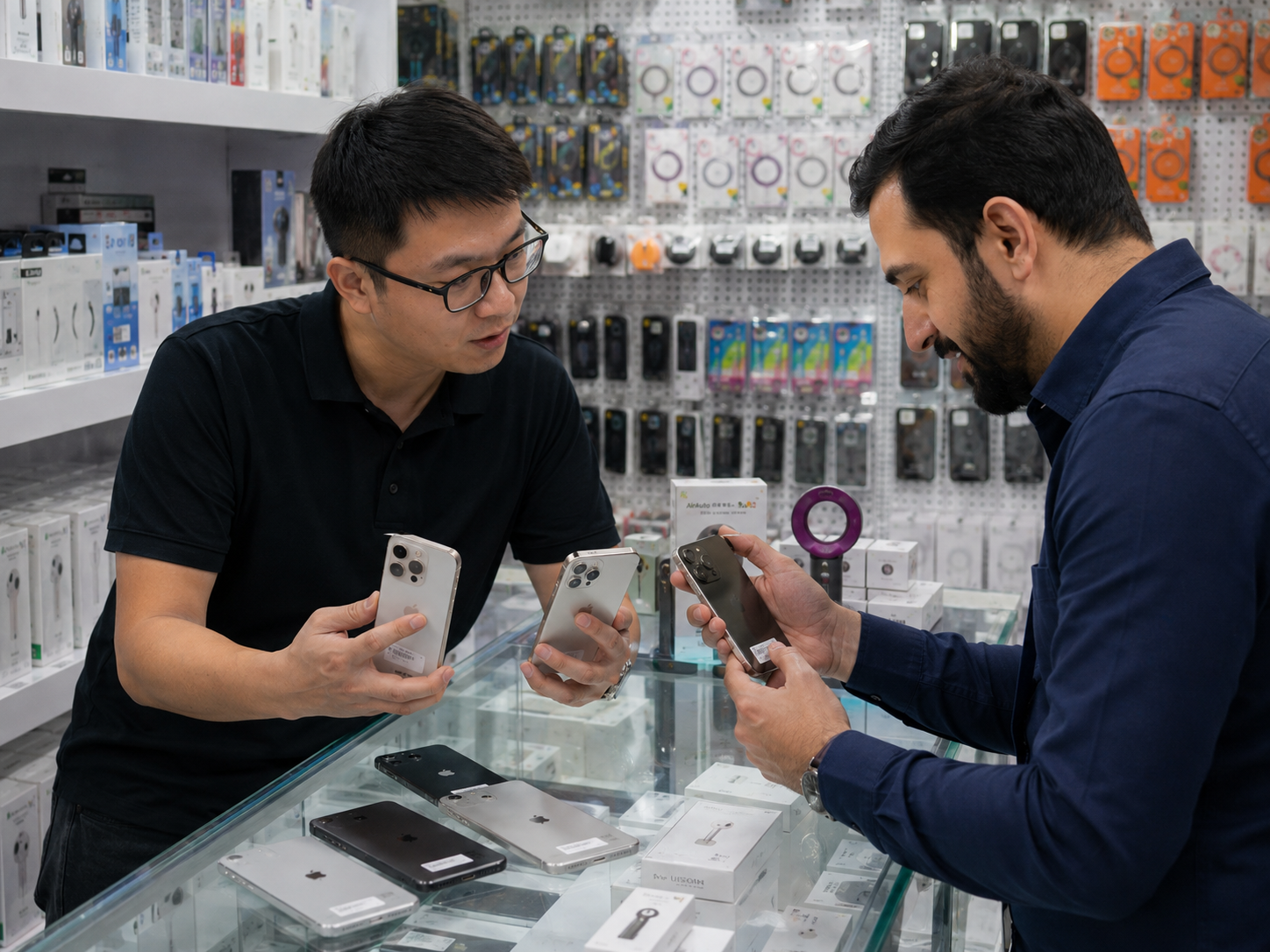
Supplier sourcing
How to Find Used iPhone Suppliers
Use a structured process for supplier discovery, identity checks, batch records, controlled samples, incoming inspection, and long-term supplier performance.
Read article →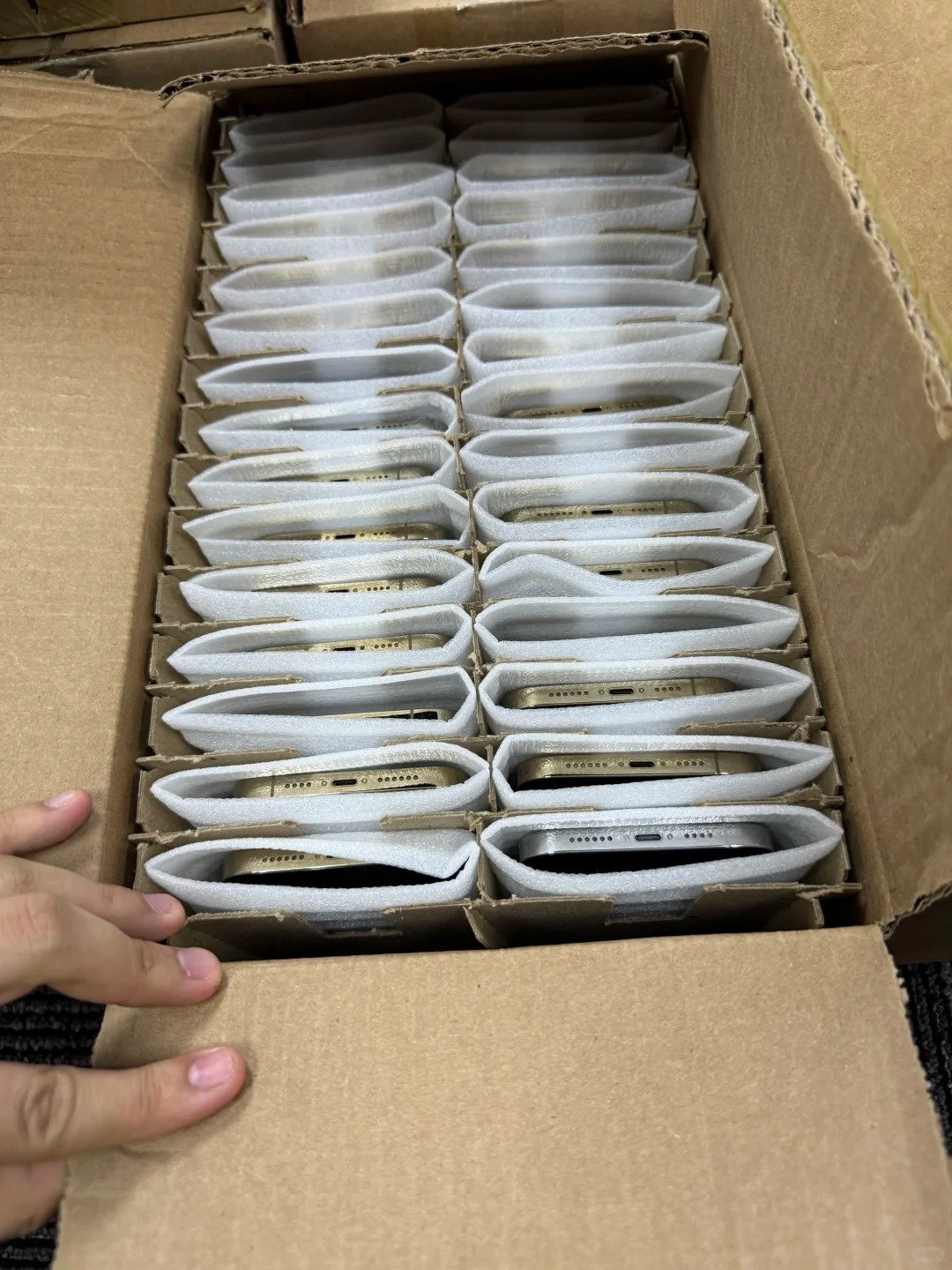
Refurbished sourcing
How to Source Refurbished iPhones
Source transparent refurbished stock through clear product requirements, supplier verification, refurbishment records, controlled samples, and repeat-order performance checks.
Read article →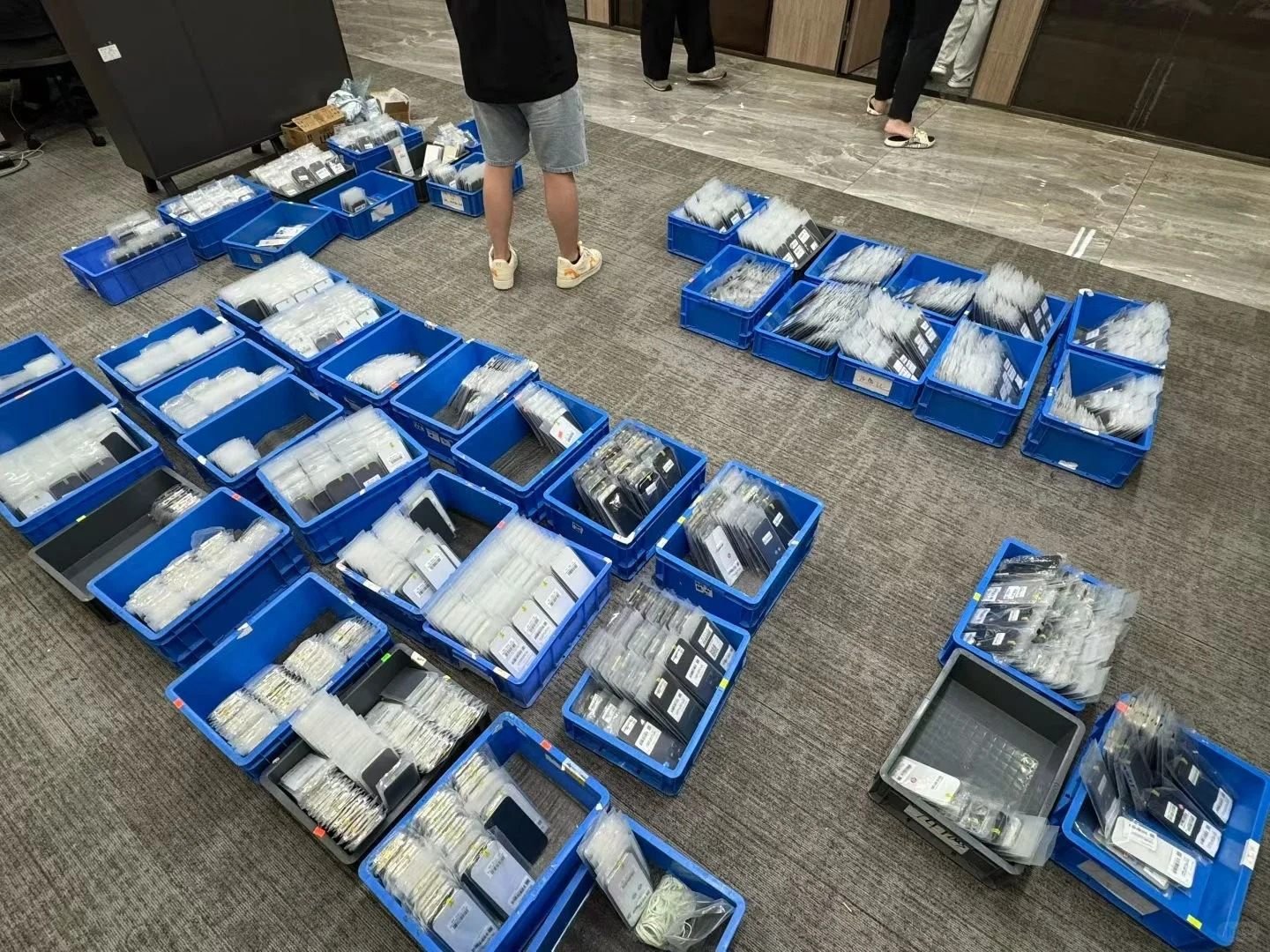
Device compatibility
Unlocked iPhones Wholesale: Buyer Guide
Verify carrier status, device identity, activation readiness, regional variants, SIM configurations, quality, and commercial terms before buying unlocked iPhones in volume.
Read article →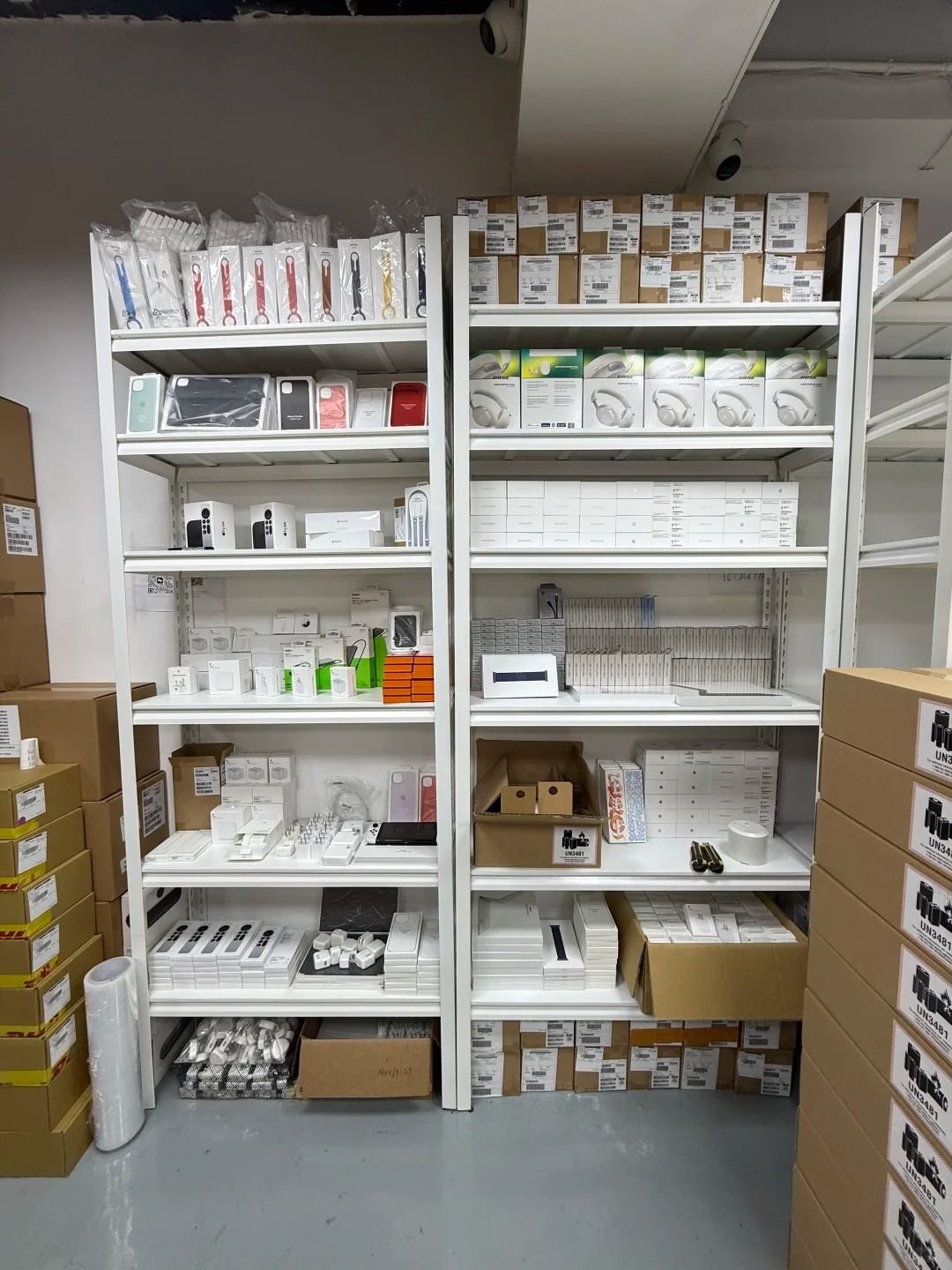
Wholesale buying
Refurbished iPhones Wholesale: Buyer Guide
Buy documented refurbished iPhones through matched specifications, battery and repair evidence, unit records, sample inspection, and clear warranty and return controls.
Read article →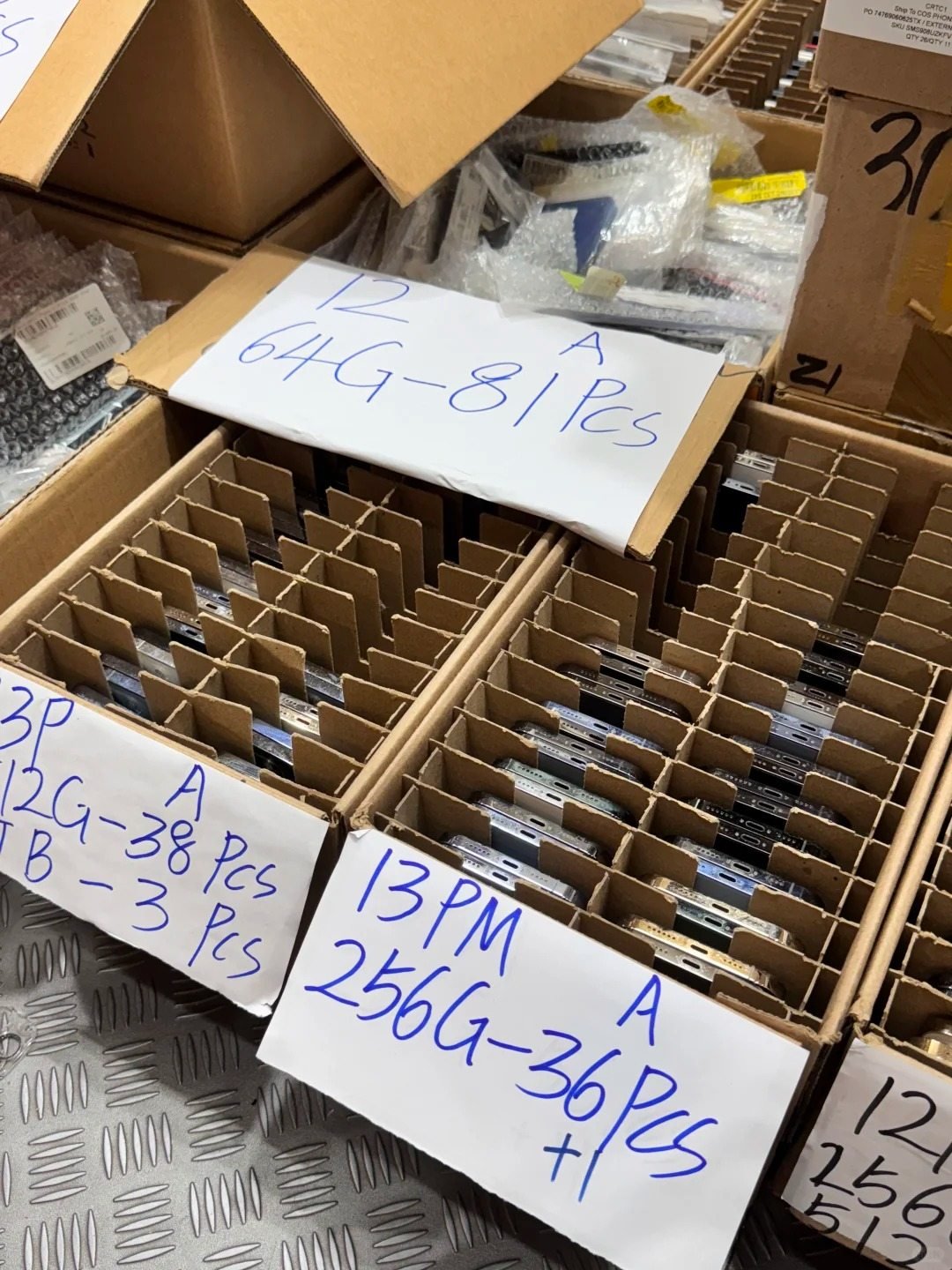
Resale planning
Used iPhones for Resale: Buyer Guide
Choose used iPhones for resale with customer profiles, full device verification, transparent listings, supplier records, measured margin, and inventory-turnover data.
Read article →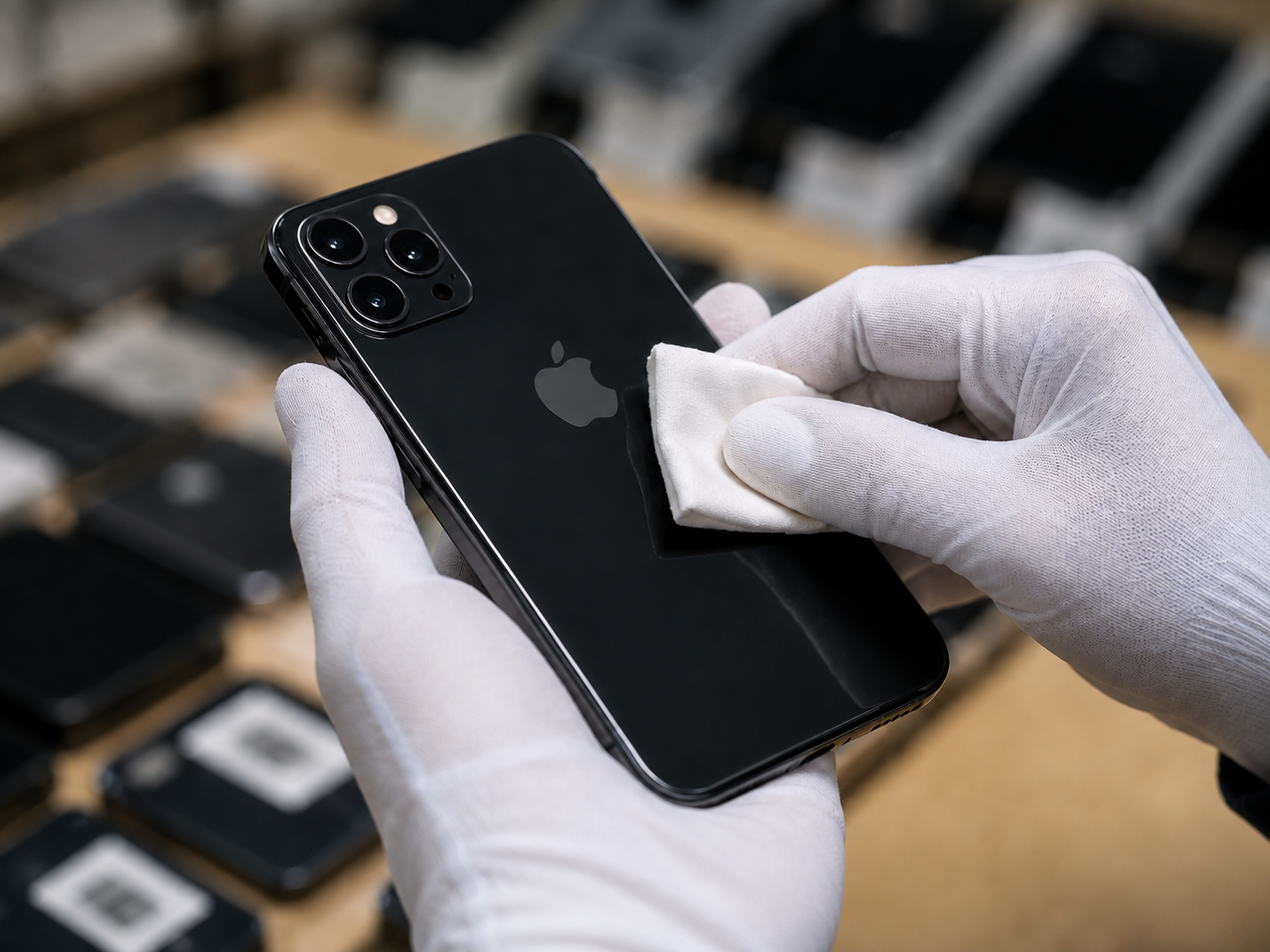
Quality control
How to Test Used iPhones in Bulk
Build a repeatable process for inventory reconciliation, device identity, status checks, grading, functional testing, exception quarantine, and clear quality-control records.
Read article →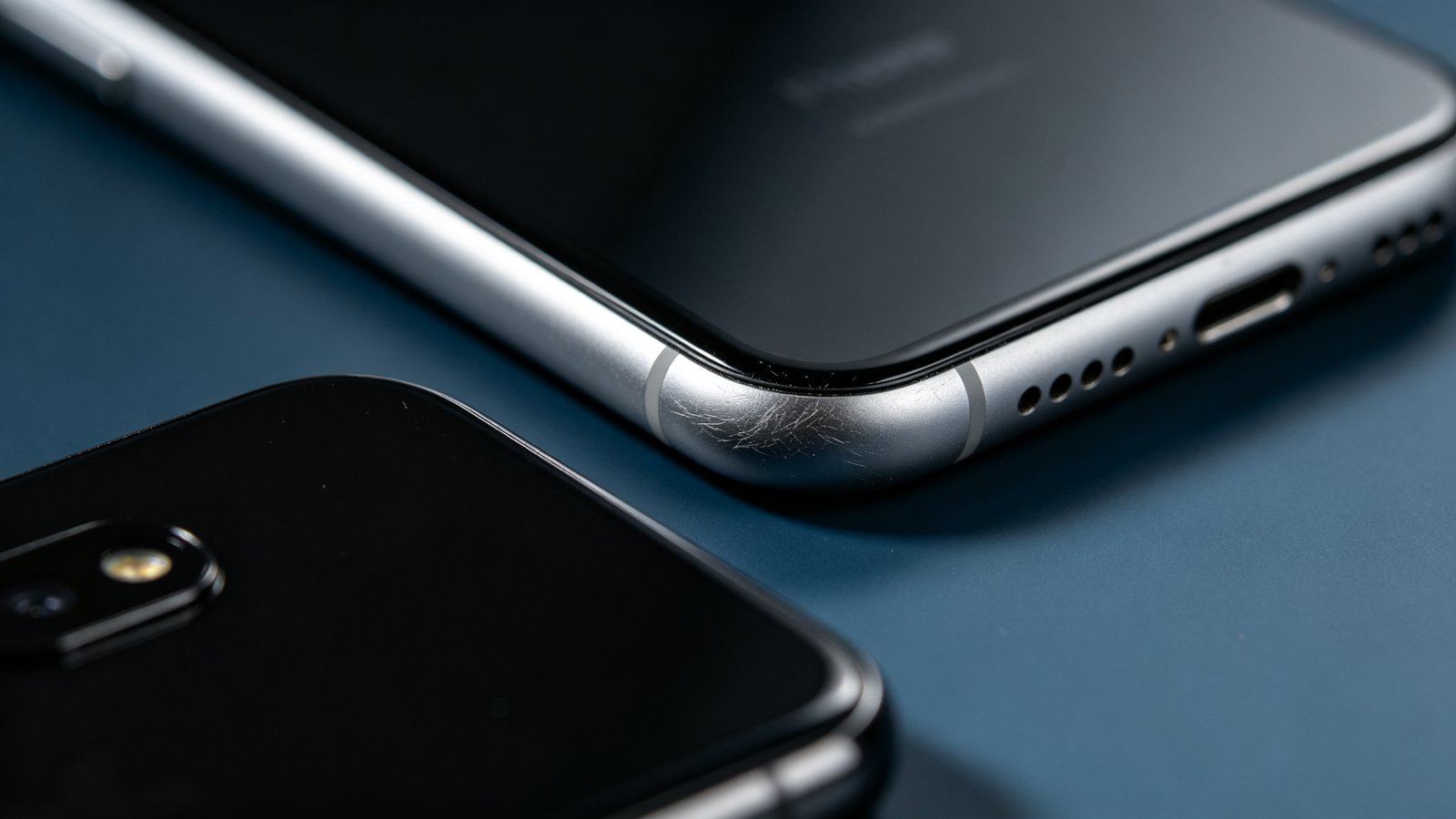
Purchase verification
What to Check Before Buying Bulk iPhones
Use a documented pre-purchase process for specifications, supplier identity, manifests, device status, quote comparison, commercial terms, and controlled sample orders.
Read article →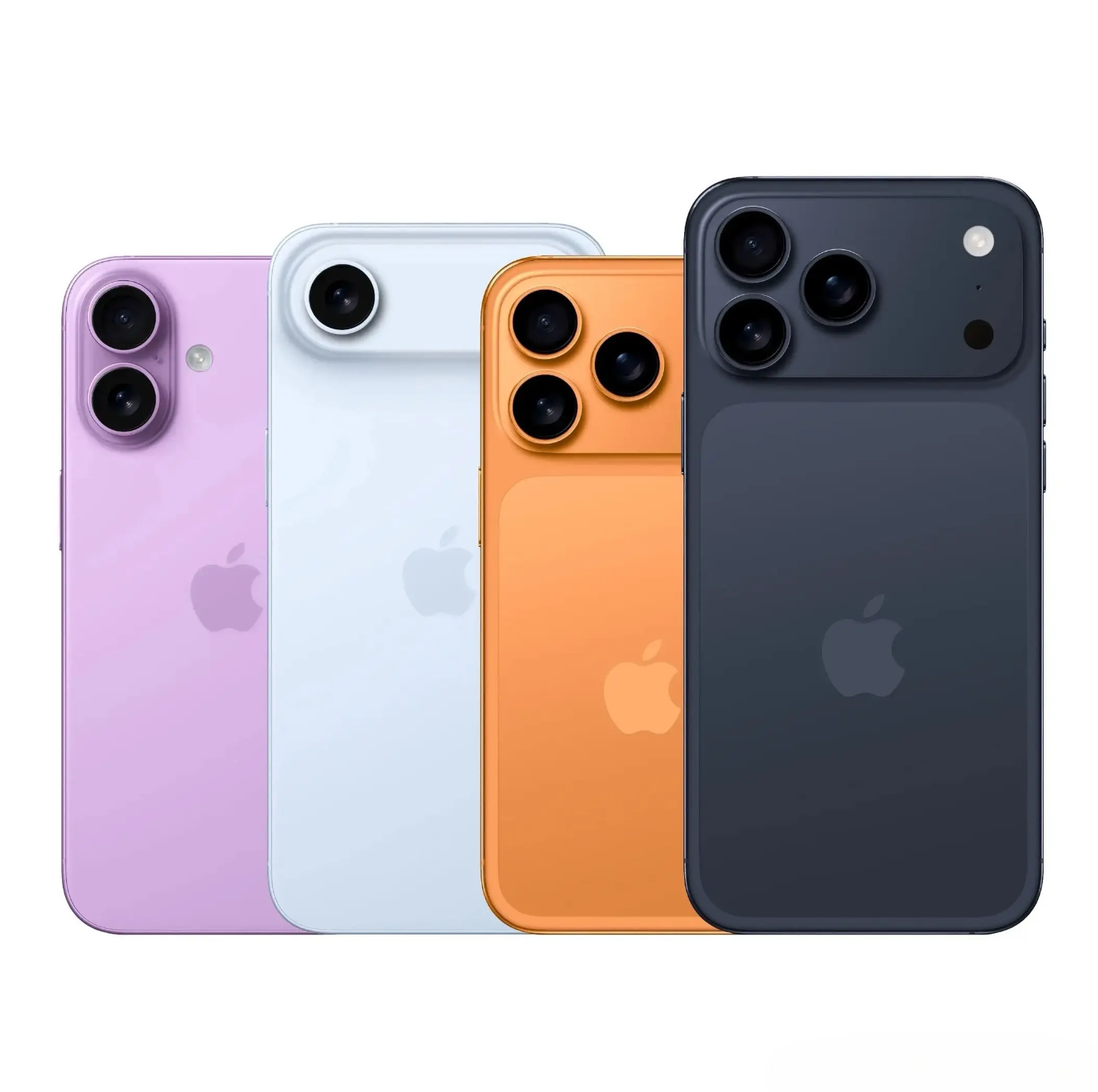
Resale value
How Much Are Used iPhones Worth?
Estimate used iPhone value with matched device records, current market comparisons, condition and status checks, complete costs, and practical inventory-turnover data.
Read article →
Resale planning
Which Used iPhone Sells the Fastest?
Use sell-through, condition, storage, and local buyer evidence to test a practical used iPhone sourcing mix.
Read article →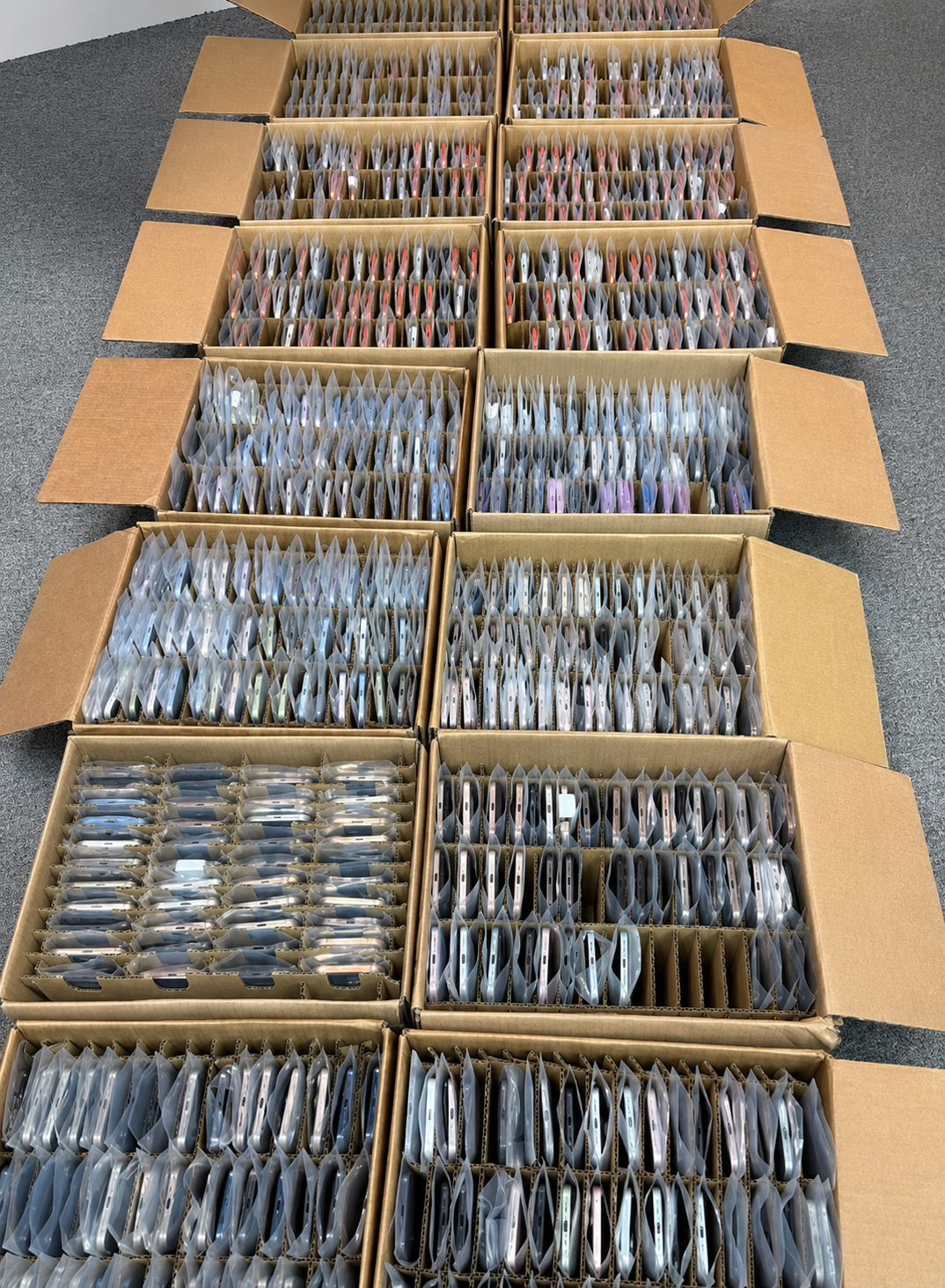
Wholesale pricing
Used iPhone Wholesale Prices Explained
Learn how exact specifications, quality evidence, order terms, landed cost, and claims policy shape a valid used iPhone wholesale quote.
Read article →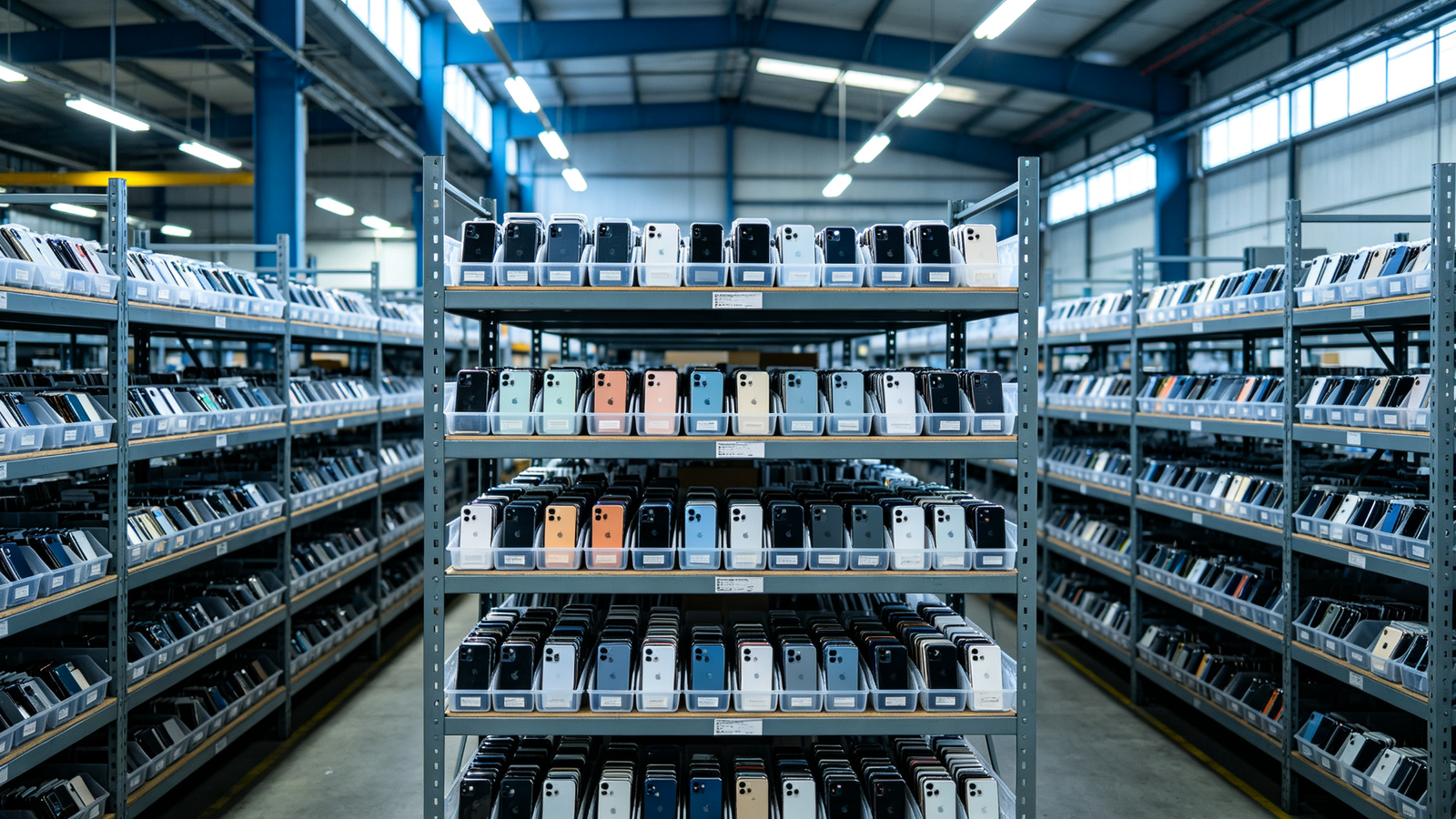
iPhone 13 guide
Is the iPhone 13 Still Worth Buying in 2026?
Compare iPhone 13 features, iOS 26 compatibility, battery health, storage, condition, and newer-model alternatives before buying.
Read article →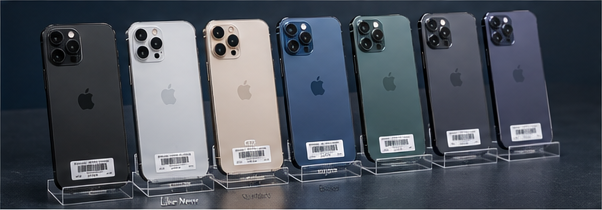
Resale comparison
iPhone 12 vs iPhone 13 for Resale
Compare used iPhone 12 and iPhone 13 inventory by storage, battery, cameras, condition, target market, margin, and resale potential.
Read article →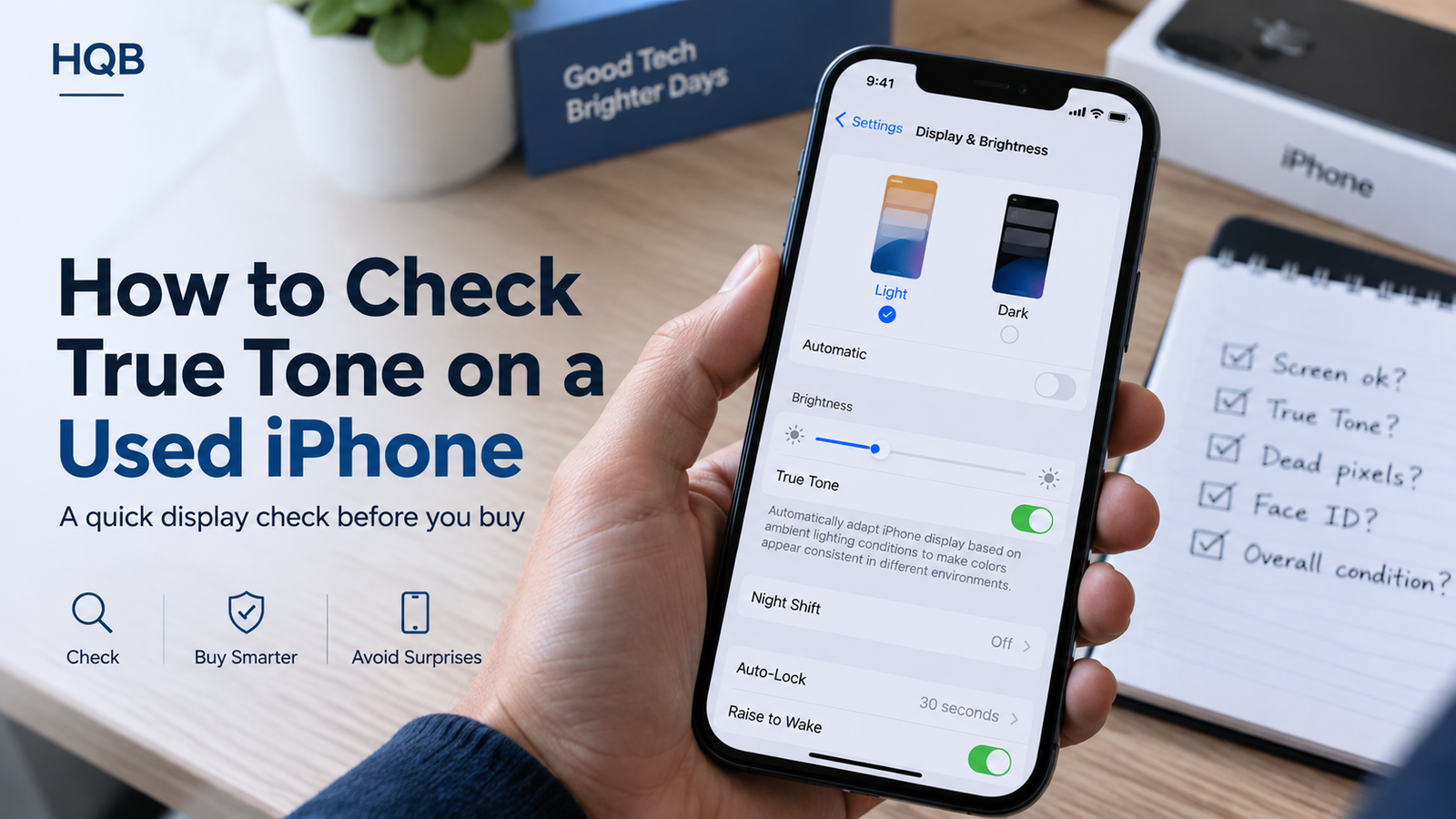
Display checks
How to Check True Tone on a Used iPhone Before Buying
Use practical display, settings and repair-history checks before buying a used iPhone for resale.
Read article →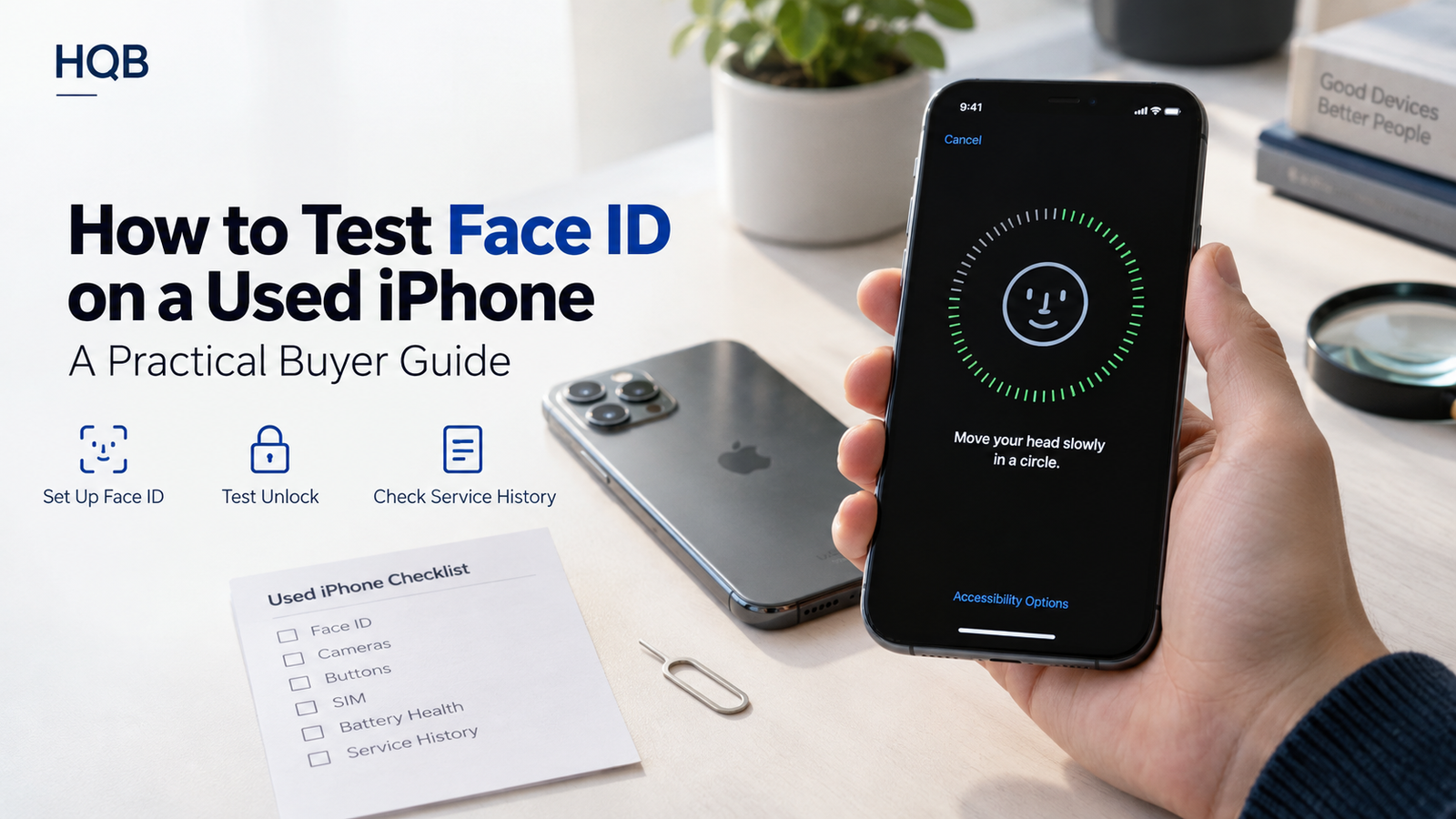
Functional checks
How to Test Face ID on a Used iPhone Before Buying
Learn how to test enrollment, repeated unlocking and repair-related Face ID status before purchase.
Read article →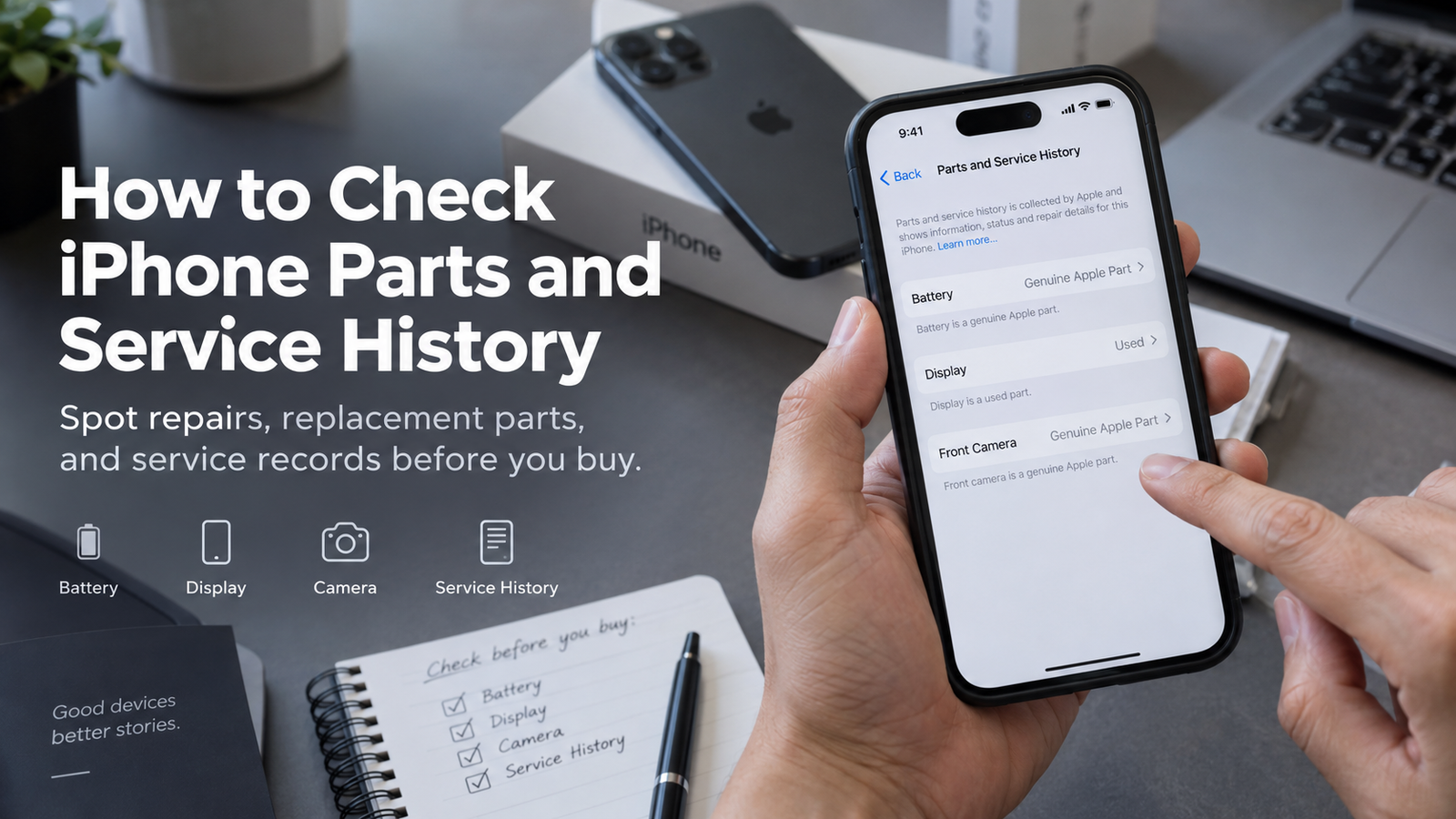
Repair checks
How to Check iPhone Parts and Service History
Understand Genuine, Used, Unknown, Unverified and Finish Repair messages on a used iPhone.
Read article →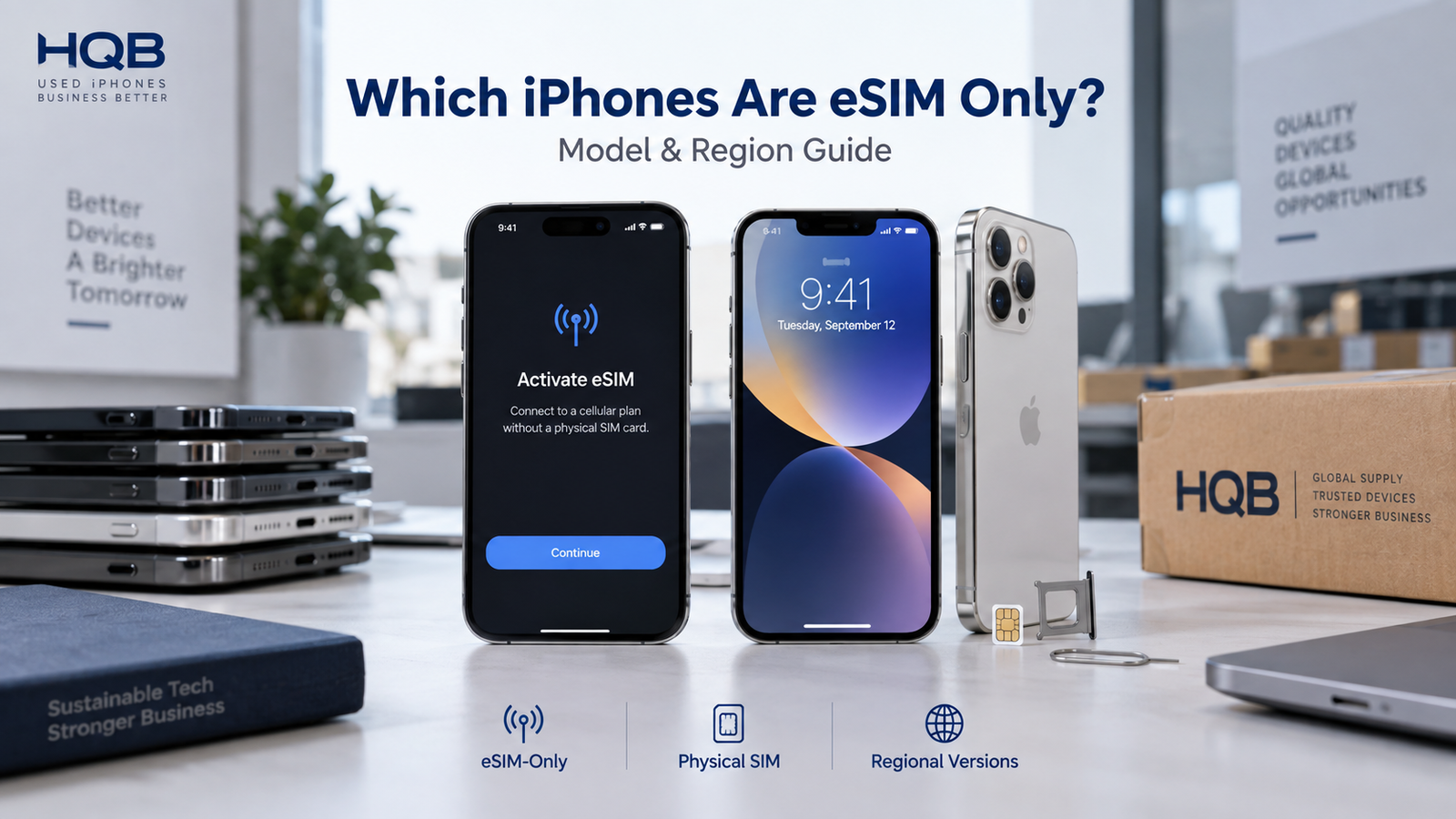
Regional compatibility
Which iPhones Are eSIM Only? Complete Model & Region Guide
Compare eSIM-only and physical-SIM iPhone configurations by model, sales region and resale market.
Read article →Sourcing discussion
Discuss Your iPhone Requirements
Send HQB the iPhone models, intended market, and sourcing questions relevant to your business. The inquiry helps frame a discussion about product scope, current information, and quotation requirements.