BUYER FRAMEWORK
Why One Model Cannot Win Everywhere
Used iPhone demand changes when the destination, sales channel, customer budget, and device evidence change. A reliable buyer treats model choice as a local planning task rather than a universal prediction.
| Variable | How it can change demand | Buyer action |
|---|---|---|
| Destination market | Alters preferred price band and model age | Define market before sourcing |
| Sales channel | Changes buyer expectations | Separate retail, export, and marketplace data |
| Storage capacity | Affects perceived value | Track sales by exact storage tier |
| Grade | Affects price and buyer confidence | Use written grade definitions |
| Battery information | Influences customer acceptance | Document separately from grade |
| Carrier status | May affect usability | Verify for the intended market |
| Model age | Changes customer expectations | Review current software and feature requirements |
The Used iPhone Demand Ladder
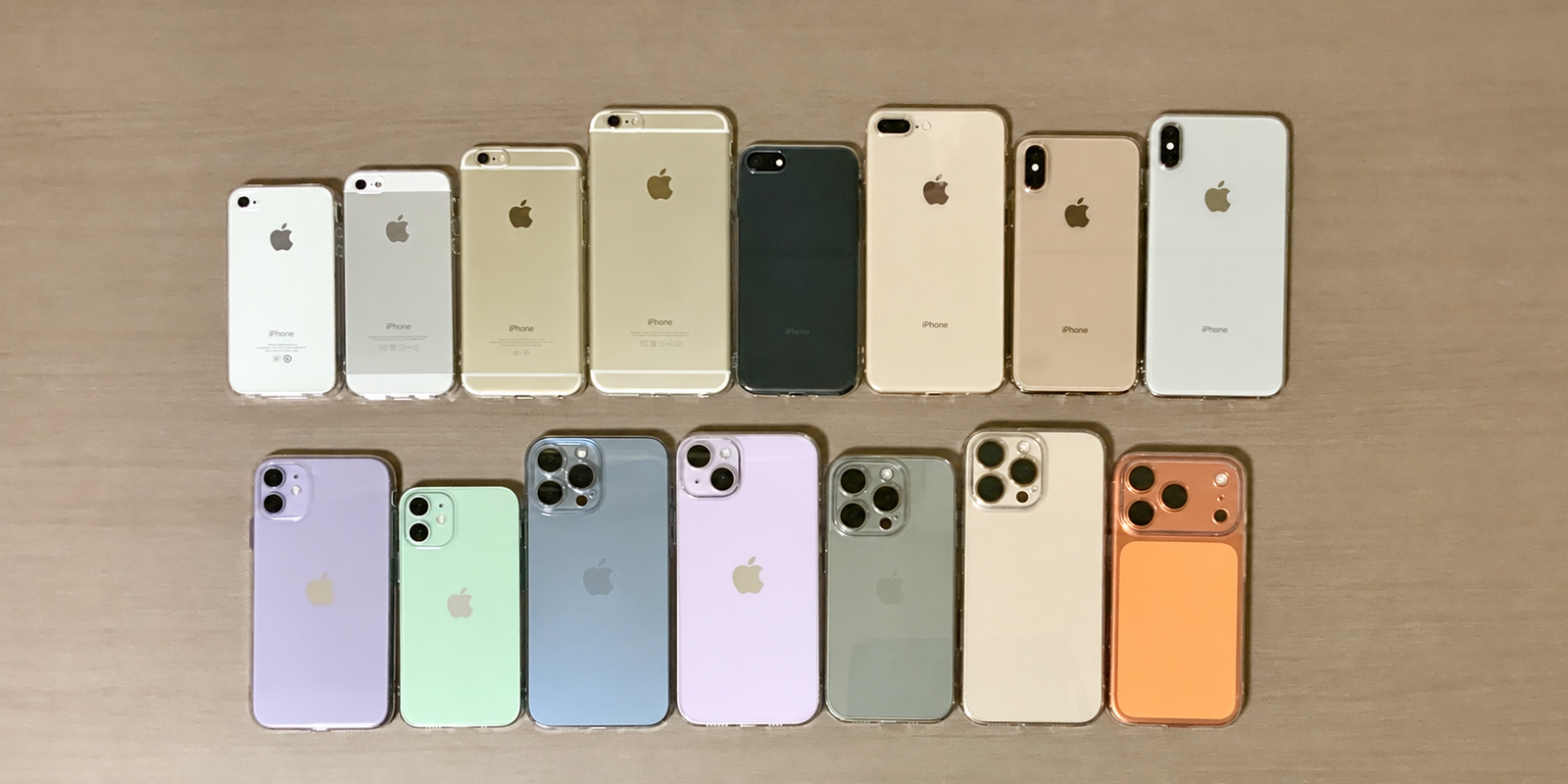
A demand ladder helps a reseller test several buying categories without claiming one permanent winner. Each category needs local evidence before it becomes a repeat purchase line.

| Category | Example models to evaluate | Typical buyer question | Verification priority |
|---|---|---|---|
| Entry value | iPhone 11 and iPhone 12 series | Is the ticket price accessible? | Software suitability and battery condition |
| Balanced mainstream | iPhone 13 and iPhone 14 series | Is the model familiar and appropriately positioned? | Storage, grade, and customer demand |
| Newer standard | iPhone 15 and iPhone 16 series | Are newer features worth the higher purchase cost? | Exact configuration and local preference |
| Premium Pro | Pro and Pro Max models | Does the market value display, camera, and storage upgrades? | Battery, grade, camera, and price position |
| Specialist demand | Mini, Plus, or high-capacity configurations | Is there enough local demand for the format? | Demand evidence before scaling stock |
This is a sourcing framework, not a universal sales ranking. HQB should only publish model rankings when supported by its own verified sales data.
What Makes a Used iPhone Move Faster
Buyer Familiarity
Familiar models are easier to explain and compare, but familiarity alone does not prove turnover.
- Track search and inquiry themes.
- Compare repeat buyer requests.
Reachable Price Position
A lower selling price may widen access, but it can also reduce margin or create quality concerns.
- Compare matched configurations.
- Do not use unmatched asking prices.
Clear Condition Disclosure
Transparent grade, battery, repair, activation, and lock information can reduce hesitation.
- Use device-level records.
- Keep functional and cosmetic facts separate.
Correct Storage Mix
Storage demand should be tracked by exact model, buyer segment, and region.
- Record each capacity tier.
- Check capital tied up in niche storage.
| Demand driver | Why it matters | Data to collect |
|---|---|---|
| Buyer familiarity | Reduces product explanation burden | Search and inquiry volume |
| Price position | Determines audience reach | Comparable listing data |
| Storage tier | Affects usability and perceived value | Sales by capacity |
| Condition grade | Shapes buyer confidence | Return and dispute data |
| Battery evidence | Affects used-device acceptance | Battery-related questions |
| Feature relevance | Supports customer use cases | Most-requested feature notes |
| Supplier documentation | Reduces uncertainty | Claim and return records |

Start with a Test Assortment
New buyers should avoid a large purchase based only on online opinions. A controlled test assortment across defined segments gives a team evidence on demand, condition claims, capital exposure, and the quality of its own listing process.
| Test segment | Example purpose | What to compare |
|---|---|---|
| Value standard model | Test accessible price demand | Sell-through and condition claims |
| Mainstream standard model | Test broad customer fit | Storage and grade performance |
| Premium Pro model | Test feature-led demand | Battery condition and buyer objections |
| Large-screen model | Test display and battery preference | Conversion and inventory days |
| Higher-storage model | Test specialist capacity demand | Demand relative to capital tied up |
- Define the destination market.
- Set a fixed evaluation period.
- Use consistent grades and device disclosures.
- Track model, storage, grade, battery information, and sales channel.
- Compare results before expanding the next purchase order.
Build a Sales Velocity Dashboard
A dashboard removes emotion from purchasing decisions. It does not need to predict the future. It needs to make comparable outcomes visible so the team can identify configurations that meet local demand with acceptable quality and holding time.
| Model | Storage | Grade | Units listed | Units sold | Median inventory days | Return rate | Buyer notes |
|---|---|---|---|---|---|---|---|
| Example Model A | 128GB | Excellent | Add HQB data | Add HQB data | Add HQB data | Add HQB data | Add buyer feedback |
| Example Model B | 256GB | Good | Add HQB data | Add HQB data | Add HQB data | Add HQB data | Add buyer feedback |
| Example Model C | 128GB | Like New | Add HQB data | Add HQB data | Add HQB data | Add HQB data | Add buyer feedback |
- Sell-through rate = units sold divided by units available during the same period.
- Use median inventory days instead of only average days.
- Compare like for like: same model, storage, grade, market, and channel.
- Do not call a model fastest-selling from a small or incomplete sample.
- Review claims and returns before increasing stock.
Compare Standard, Pro, and Pro Max Models
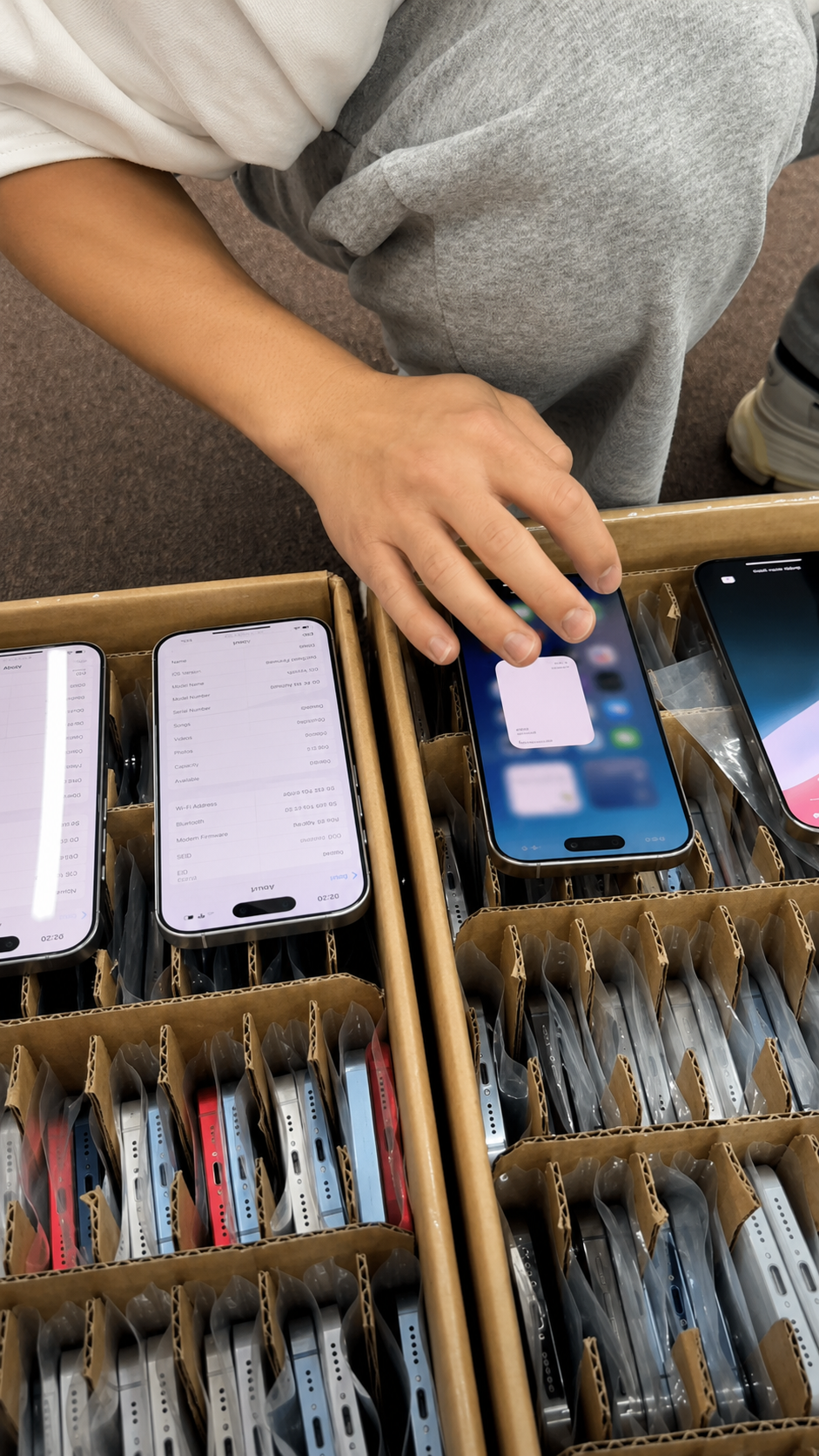
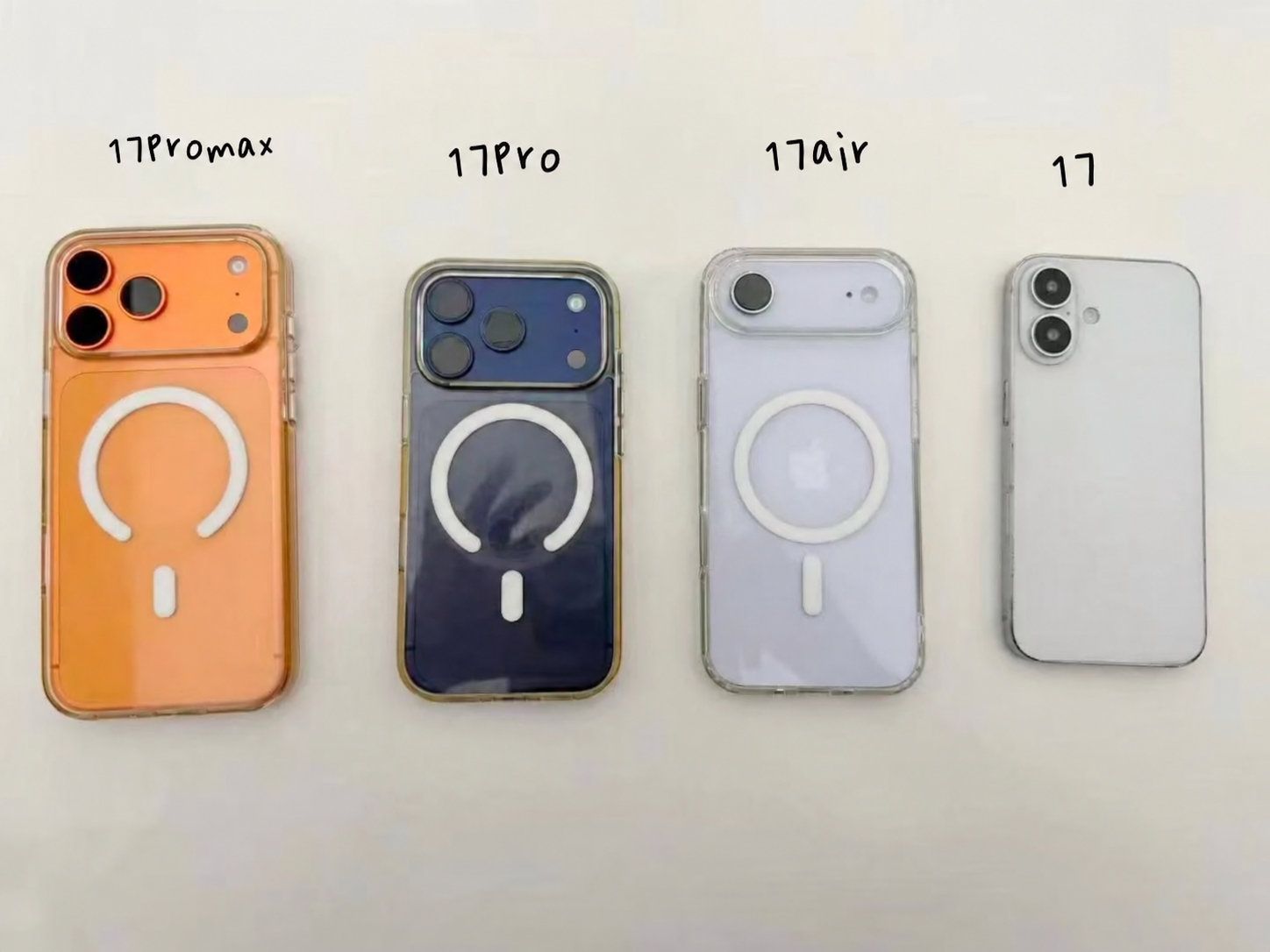
Standard, Pro, and Pro Max models can serve different buyer segments. A model tier should be evaluated by the buyer profile it reaches, the local price position, and the documented unit quality. No category always sells faster.
| Model category | Potential buyer appeal | Potential limitation | What to test |
|---|---|---|---|
| Standard iPhone | Familiar, straightforward positioning | May lack premium features | Price-band demand and storage mix |
| Pro iPhone | Premium camera and display positioning | Higher ticket may narrow the audience | Grade and battery expectations |
| Pro Max iPhone | Large display and higher battery positioning | Larger size may limit preference | Screen-size demand and inventory days |
| Mini iPhone | Compact size preference | Narrower specialist audience | Local demand before bulk buying |
| Plus iPhone | Larger standard-model format | Depends on local size preference | Conversion versus standard size |
Storage, Grade, and Battery Matter More Than Titles
A familiar model can become slow-moving when the storage tier is wrong, cosmetic quality does not match the listing, battery information is weak, or repair disclosures are unclear. These factors should be recorded individually at receiving, not inferred from a supplier label.
| Configuration factor | Fast-moving signal | Slow-moving risk |
|---|---|---|
| Storage | Matches local buyer needs | Capacity does not match target demand |
| Grade | Clearly defined and consistently disclosed | Ambiguous or inconsistent grading |
| Battery | Transparent evidence where available | Missing or conflicting information |
| Cosmetic condition | Photos and notes align with grade | Unexpected visible wear |
| Lock status | Confirmed for destination requirements | Unverified carrier or account restrictions |
| Repair disclosure | Clear and factual | Hidden or unclear component history |
Receiving Checklist
- Verify model identity and storage.
- Check activation and account status.
- Test display, cameras, buttons, speakers, microphones, charging, Wi-Fi, Bluetooth, and cellular functions.
- Inspect cosmetic condition and record battery information where available.
- Separate functional condition from cosmetic grade.

Avoid Slow-Moving Inventory
Slow stock is often caused by incomplete information, incorrect market positioning, or overbuying—not simply by choosing an older model. Correct the cause through clear records and smaller, evidence-led purchase cycles.
- Do not buy large lots before testing demand.
- Do not mix grades without separate records.
- Do not quote storage tiers that are not verified.
- Do not assume all colors have equal demand.
- Do not sell devices with unclear activation or carrier status.
- Do not publish unsupported fastest-selling claims.
| Problem | Likely cause | Practical response |
|---|---|---|
| Long inventory days | Wrong model or price position | Compare same-market listings and buyer requests |
| High return rate | Grade or functionality mismatch | Improve testing and disclosure process |
| Low conversion | Weak product-market fit | Review model, storage, and price band |
| Repeat buyer objections | Missing information | Add clearer verification records |
| Too much capital tied up | Oversized purchase order | Use smaller test lots before scaling |

Build a Market-Specific Model Shortlist
Value-First Shortlist
Prioritize accessible models that meet current customer expectations. Select the actual configuration only from local evidence.
- Check condition claims.
- Verify practical storage demand.
Mainstream Shortlist
Test recognizable standard iPhone models with practical storage options and clear grade disclosures.
- Compare conversion by capacity.
- Track buyer objections.
Premium Shortlist
Test Pro and Pro Max models only where buyers value their display, camera, and storage positioning.
- Check higher-ticket acceptance.
- Review battery and grade evidence.
| Segment | Model candidates | Required evidence before scale-up |
|---|---|---|
| Value | HQB-selected models based on local demand | Sell-through, grade, battery, and return data |
| Mainstream | HQB-selected standard models | Storage and price-band performance |
| Premium | HQB-selected Pro and Pro Max models | Buyer willingness and quality consistency |
| Specialist | Mini, Plus, or high-capacity models | Verified niche demand |

Supplier Verification for Fast Resale
A model cannot move quickly when units arrive with unexpected defects, inconsistent condition, or status restrictions. Device-level verification supports accurate listings and reduces time spent resolving avoidable buyer questions.
| Verification item | Why it affects resale | What HQB should confirm |
|---|---|---|
| Exact model | Prevents incorrect listings | Model identity |
| Storage capacity | Prevents catalog mismatch | Device-level capacity |
| Grade standard | Supports buyer expectation | Written condition definition |
| Battery information | Supports transparent positioning | Available evidence and disclosures |
| Functional testing | Reduces avoidable returns | Test scope |
| Activation status | Supports usability | Account-removal confirmation |
| Carrier status | Supports market fit | Destination requirements |
| Repair disclosure | Supports trust | Relevant part or repair information |
| Lot consistency | Supports scalable resale | Grade and configuration mix |