Buying controls
What to Know Before Buying Bulk iPhones
1. Know Your Customer Before You Choose Inventory

The right bulk order depends on who will buy the devices after delivery. Define demand before asking suppliers to quote. This keeps the decision focused on stock that your sales channel can actually describe and move.
- Destination country and target city or region
- Customer type: retail buyer, online shopper, repair customer, distributor, or company
- Preferred iPhone models and storage capacities
- Price range customers can afford
- Demand for standard, Plus, Pro, and Pro Max models
- Expected cosmetic condition and battery-health expectations
- Required network, SIM, and eSIM support
- After-sales support and repair capability
- Desired stock-turnover speed
Buyers must verify their own destination-market import rules, taxes, radio approvals, local carrier compatibility, and SIM/eSIM requirements. Write them into the sourcing request, rather than assuming a model sold elsewhere will fit locally.
2. Choose Models That Match Your Market

Each generation targets a different budget and demand level. Older models can support entry-value resale; current-generation and Pro models can support premium ranges when storage, regional variant, and condition are controlled. HQB can discuss iPhone X, XR, XS, XS Max, iPhone 11 Series, iPhone 12 Series, iPhone 13 Series, iPhone 14 Series, iPhone 15 Series, iPhone 16 Series, and iPhone 17 Series.
| Market Position | Suggested Model Direction | Purchasing Focus |
|---|---|---|
| Entry-value | iPhone X, XR, XS, XS Max, iPhone 11 | Functional condition and affordable acquisition cost |
| Mainstream resale | iPhone 12 and iPhone 13 Series | Balanced demand, features, and price |
| Higher-value retail | iPhone 14 and iPhone 15 Series | Battery, grade consistency, and storage options |
| Premium resale | iPhone 15 Pro, iPhone 16 Series, iPhone 17 Series | Regional compatibility, storage, and excellent condition |
| Repair and components | Older or damaged devices | Fault descriptions and parts-recovery potential |
- Which models sell fastest in the target market?
- Which storage options are most requested?
- Are local buyers sensitive to battery health?
- Are repair parts and technicians available?
- Is local eSIM support suitable for the selected regional variants?
3. Understand the Inventory Type You Are Buying

Used, refurbished, open-box, and as-is inventory require different expectations. Do not use a category as a substitute for evidence. Ask what the supplier has tested, repaired, disclosed, and excluded from the batch.
| Type | What It Usually Means | Buyer Advantage | Buyer Responsibility |
|---|---|---|---|
| Used | Previously owned device | Flexible price and model availability | Confirm cosmetic grade and test scope |
| Refurbished | Inspected and repaired where needed | More standardized resale presentation | Confirm repair and parts policy |
| Open-box | Packaging opened or lightly handled | Potential premium appearance | Confirm activation and exact condition |
| Customer return | Returned after a previous sale | Potentially newer inventory | Confirm return reason and testing result |
| As-is | Untested or fault-affected stock | Lower acquisition price | Confirm defect categories and recovery plan |
4. Do Not Treat a Grade Label as a Full Quality Report

Cosmetic grading does not automatically prove battery condition, functionality, or lock status. Like New, Excellent, Good, Grade A, and Grade B are not universal standards. They are supplier-defined descriptions that need written limits and representative examples.
| Grade | Cosmetic Expectation | What It Does Not Automatically Confirm |
|---|---|---|
| Like New / Premium | Very limited visible wear | Battery health, lock status, and repair history |
| Grade A / Excellent | Light signs of use | Carrier status and complete functional testing |
| Grade B / Good | Visible but acceptable wear | Screen originality or parts history |
| Grade C / Fair | Heavier scratches, scuffs, or dents | Whether all functions are acceptable |
| As-is | Varies by device | Any specific cosmetic or functional standard |
- Request written grade criteria and representative images.
- Define acceptable marks on screens, frames, back glass, and camera lenses.
- Agree the allowed percentage of exception units.
- Add the grade standard to the purchase order.
5. Check Battery Health and Parts History Separately

Battery health and repair history can affect resale value, customer expectations, and future service needs. A high battery percentage alone does not prove overall device quality, and a grade label does not answer parts-history questions.
- Agree a battery-health threshold or disclosed range.
- Confirm whether the policy applies per unit, per lot, or by grade.
- Check abnormal charging behavior or visible battery swelling.
- Review Parts and Service History where device and iOS version provide it.
- Note Genuine, Used, Unknown, or other relevant messages.
- Plan battery or repair reserves when comparing prices.
6. Verify IMEI, Activation Lock, and Carrier Status

Device-status checks are essential before inventory is resold. Request a traceable identifier process and verify status in the lawful ways available for the destination market. A clean-looking device can still be unsuitable if its account or carrier status conflicts with the intended sale.
- Request a full IMEI list before final payment.
- Confirm listed IMEIs match the order quantity.
- Spot-check devices across models and grades.
- Reconcile physical devices with the manifest on arrival.
- Use lawful destination-market resources for lost or stolen checks.
- Confirm devices do not show “iPhone Locked to Owner” during setup.
- Where available, check carrier status; “No SIM restrictions” indicates an unlocked iPhone in Settings.
- Document and quarantine every mismatch or status issue.
7. Test Functionality Before You Sell

Visual inspection cannot reveal every defect. Use the same functional test scope for supplier samples and incoming stock where practical. A test result is not a future warranty, but it is useful evidence of the condition represented at the time of inspection.
- Display brightness, touch response, and screen defects
- Front and rear cameras, autofocus, flash, and video
- Face ID or Touch ID where applicable
- Speakers, microphones, vibration, and physical buttons
- Charging port and charging function
- Wi-Fi, Bluetooth, cellular service, and GPS where needed
- Battery behavior and thermal performance
- Signs of liquid damage, corrosion, severe frame damage, or swelling
- Device setup and account-status check
- Match between physical device, model information, and manifest
8. Verify the Supplier and Current Inventory

A polished website or low quote does not prove a supplier can deliver the promised lot. Match commercial details with current stock evidence and documented policies. A supplier should be able to explain who controls the inventory and how a buyer can inspect a discrepancy.
Supplier verification
- Confirm business name, address, e-mail, and phone.
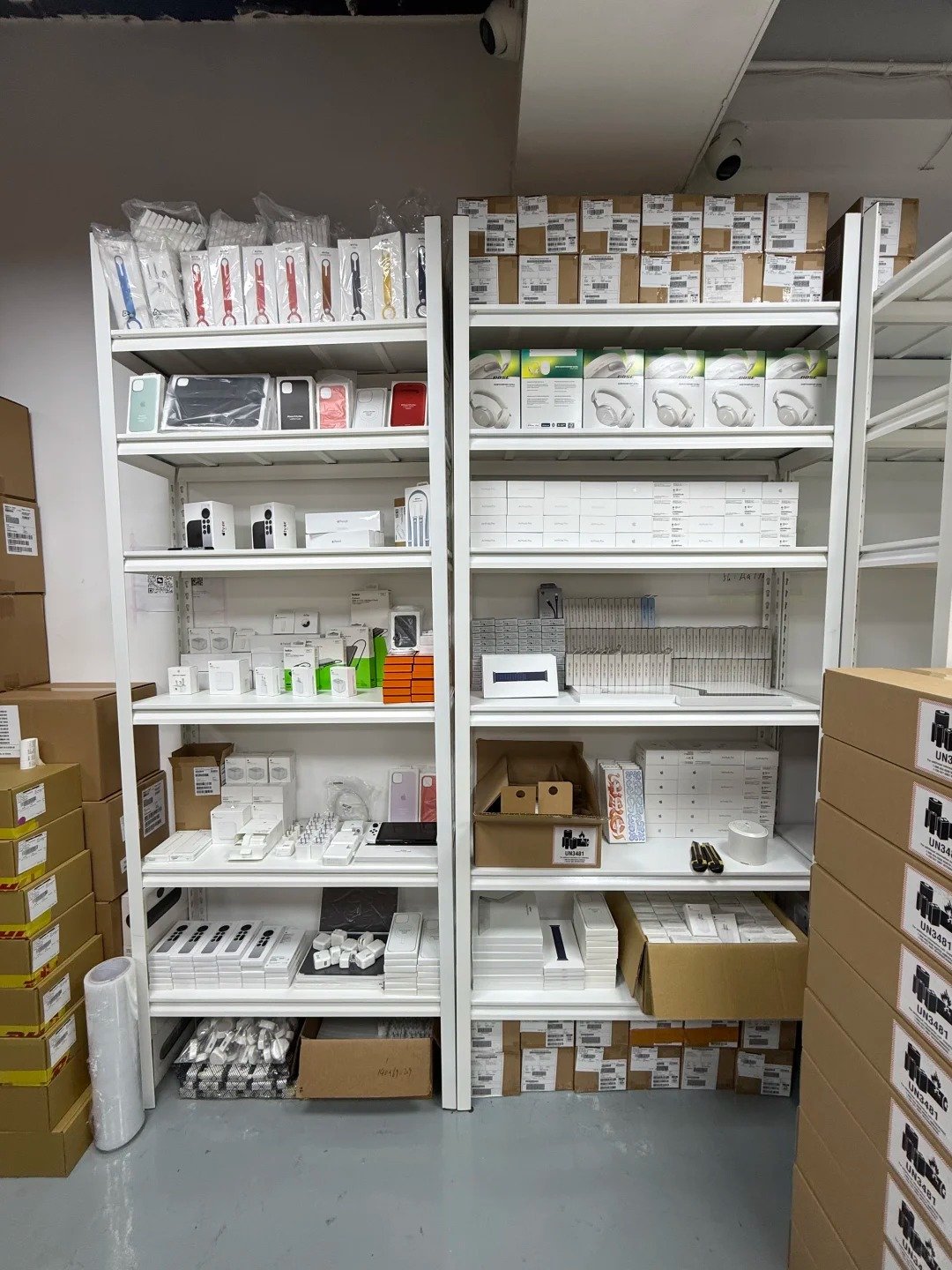
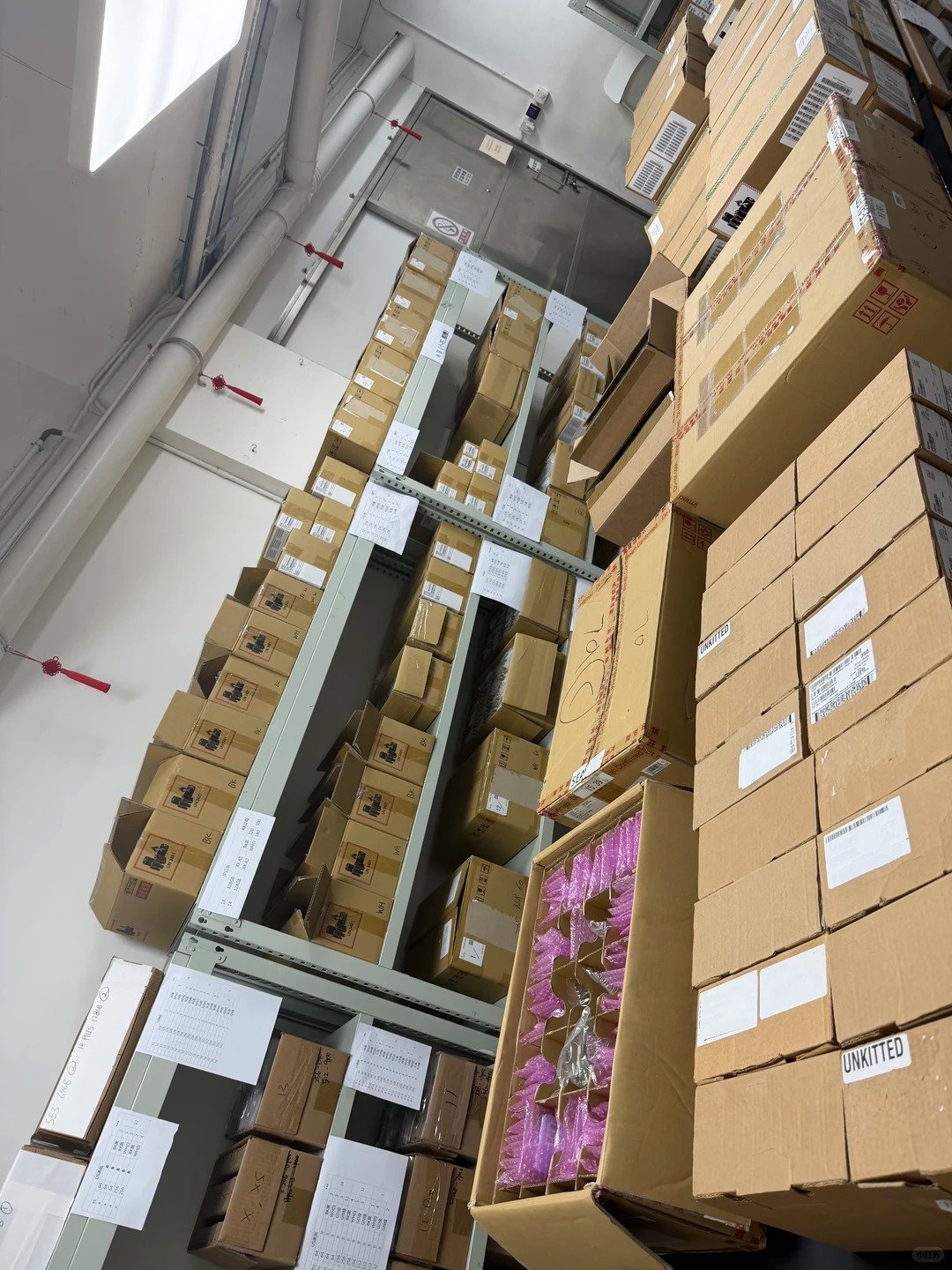
- Request current warehouse or stock evidence.
- Ask whether the supplier owns or controls inventory.
- Request a detailed stock manifest.
- Ask for written grade, battery, testing, and lock policies.
- Confirm shipping origin and documents.
- Review samples, payment, inspection, and claims terms.
Red Flags
- Refusal to share stock details before payment
- Broad claims such as “100% perfect stock”
- No written grading standard
- Unclear response to locked or blacklisted devices
- Pressure for fast full payment
- No defined claims process
- Stock photos unrelated to the proposed lot
9. Use Samples to Reduce First-Order Risk

A sample order tests actual quality, documentation, packing, communication, and claims behavior before a larger commitment. It should include several models and grades from the intended mix, not only a best-looking selection.
- Compare received devices with the written grade definition.
- Match physical IMEIs to the manifest.
- Test functions, battery, parts history, lock, and carrier status.
- Inspect packaging and shipping protection.
- Measure communication quality and response speed.
- Record actual landed cost and preparation labor.
- Scale only when results meet the agreed standard.
10. Calculate Landed Cost, Not Only Unit Price

The quoted price is only one part of the final cost of sellable inventory. Compare the cost of a batch after logistics, local requirements, inspection, repairs, accessories, and claims work are included.
| Cost Area | Buyer Question |
|---|---|
| Unit price | Does it match agreed model, storage, grade, and battery standard? |
| Freight and insurance | Who arranges shipment and carries transit risk? |
| Import taxes and compliance | What costs and approvals apply in the destination market? |
| Payment fees | Are there bank, currency, platform, or escrow charges? |
| Inspection and sorting | What labor is needed to receive and prepare units? |
| Repairs and replacements | What defect reserve should be planned? |
| Packaging and accessories | What is included and what must be purchased separately? |
| Claims logistics | What is the cost of resolving exceptions? |
11. Put the Order Terms in Writing

Written terms convert expectations into measurable requirements. A purchase order should connect the quoted price to the model mix, grade definition, test policy, manifest, shipping conditions, and remedies available if the order differs from the agreed scope.
- Buyer and supplier legal details
- Order date and reference number
- Models, storage, colors, grades, quantities, and unit prices
- Grade and defect definition
- Battery-health and parts-disclosure policy
- Functional-test standard and IMEI manifest requirement
- Activation Lock and carrier-status requirement
- Packaging, shipping, and payment milestones
- Inspection and claim deadline
- Replacement, return, credit, or refund procedure
12. Inspect Bulk iPhones Immediately on Arrival

Receiving inspection should be structured and completed within the agreed claim window. Do not mix accepted stock with disputed units before documentation is complete. The earliest photographs, carton counts, device records, and test notes provide the clearest basis for a fair claim.
| Step | Action | Evidence to Keep |
|---|---|---|
| 1 | Count cartons against shipment documents | Carton count and arrival photos |
| 2 | Inspect outer packaging before opening | Damage photos or video |
| 3 | Scan or record devices | IMEI and serial reconciliation log |
| 4 | Compare units with the manifest | Model, storage, color, grade, and quantity record |
| 5 | Test essential functions | Test results and exception notes |
| 6 | Review battery, parts history, and lock status | Unit-level quality record |
| 7 | Separate approved and disputed stock | Quarantine list |
| 8 | Submit claims quickly | Written report with photos and test evidence |
Review every delivery before placing repeat orders. Track manifest accuracy, grade consistency, test results, status exceptions, transit damage, and claims response. This gives procurement teams evidence to refine quantities and standards over time.
Build a receiving team around a shared checklist
Bulk orders move through more than one pair of hands. Procurement, warehouse, testing, repair, and sales teams should be able to read the same approved specification. The receiving team needs to know what is allowed in the lot, what must be tested, and which issues require immediate quarantine rather than a subjective decision at the bench.
Use an order reference on carton labels, manifest files, test sheets, and exception reports. This prevents a device from being separated from its model, grade, and delivery evidence once stock is unpacked. A simple shared folder and identifier convention is often more useful than a complicated system that staff cannot follow.
- Approved purchase order and current manifest
- Arrival photos and packing-list count
- Unit or lot-level test and condition record
- Quarantine list for disputed devices
- Supplier contact and written claim deadline
- Final approval record before a device is listed for sale
Separate acceptable variation from a genuine exception
A mixed-grade bulk order will naturally contain visible variation. The key question is whether the variation was included in the written definition and allowed grade mix. A minor mark within a defined Grade B standard is different from a cracked lens, an undisclosed lock, a different storage capacity, or a failed test function.
Classify the issue before contacting the supplier. This makes the claim specific and helps both parties decide whether the evidence supports an adjustment, replacement, additional inspection, or simply normal acceptance under the agreed standard.
| Observation | First comparison | Possible action |
|---|---|---|
| Light cosmetic mark | Written grade definition and photos | Accept if within agreed standard |
| Lower grade than ordered | Grade rule, quantity allowance, and unit photos | Document as condition exception |
| Functional failure | Agreed test policy and test record | Quarantine and report with identifier |
| Status or identity mismatch | Manifest and lawful status evidence | Hold from resale and use claim process |
| Transit damage | Carton photos, packing condition, and receiving time | Notify relevant party under shipping terms |
Prepare approved inventory for honest resale
Once devices are approved, transfer the same facts into your internal stock records. Model, storage, color, grade, battery disclosure, status checks, accessories, and repair information should not be changed into vague labels by the time the device reaches a retailer or customer-facing listing.
Segmenting inventory helps sales teams price and describe it correctly. For example, a used Grade A device with a documented battery range should not be grouped indiscriminately with Like New stock, and an as-is unit should not share a shelf or sales record with tested resale-ready devices. Clear segmentation also makes stock counts and later warranty or return discussions easier to audit.
Approved stock
- Identifier reconciled with manifest
- Condition and test result recorded
- Correct sales channel and price band assigned
- Accessories and packaging status marked
- Storage location and listing reference set
Quarantine stock
- Not available for resale or repair release
- Identifier and evidence retained together
- Issue, date, and test operator recorded
- Supplier notification status tracked
- Released only after written resolution
Measure supplier performance after every order
Repeat purchasing should be based on delivered performance, not simply a familiar contact or a lower next quote. Track the percentage of devices that matched the manifest, the written grade, the battery policy, and the test standard. Also track the time needed to resolve a claim and whether the supplier explains variations before shipment.
These measures do not need to be complicated. A small scorecard gives the buyer a reasoned basis for changing order size, grade mix, sample method, payment timing, or defect reserve. It also highlights when a market issue should not be confused with a supplier issue: a correctly delivered model can still move slowly if local demand has changed.
| Review area | Question after delivery | Next-order use |
|---|---|---|
| Manifest accuracy | Did physical stock match the record? | Adjust traceability requirements |
| Grade accuracy | Did cosmetics match the agreed examples? | Refine grade language or mix |
| Test outcome | How many units needed separation or repair? | Review test policy and reserve |
| Commercial response | Were documented claims handled fairly and promptly? | Confirm or amend claim terms |
| Market result | Did the selected models fit local demand? | Update the next model plan |
Scale only when the process remains controlled
A successful small order is useful evidence, but it is not a blanket promise that every later batch will be identical. When increasing volume, reconfirm available models, grade distribution, battery policy, manifest timing, and inspection capacity. Higher volume can magnify a small mismatch, especially when cartons are split across different destinations or teams.
Keep the next order manageable for your warehouse, cash flow, and claim process. A clear batch plan may divide models by destination, keep as-is stock separate from tested stock, or establish different acceptance rules for premium and entry-value channels. This is how a bulk purchase becomes a repeatable procurement process rather than a one-time gamble.
Before confirming the next batch, compare the actual result with the original buying brief. Check which storage capacities moved quickly, which grade generated the most preparation work, and whether the cost of handling exceptions changed the intended margin. This information is more reliable than a general impression of whether the shipment was “good.”
Share the updated brief with the supplier before the next quotation. A specific request—such as a revised model mix, a lower permitted Grade C percentage, a separate list for premium units, or a longer inspection period for a complex lot—helps both sides prepare an order that is easier to deliver and accept.