
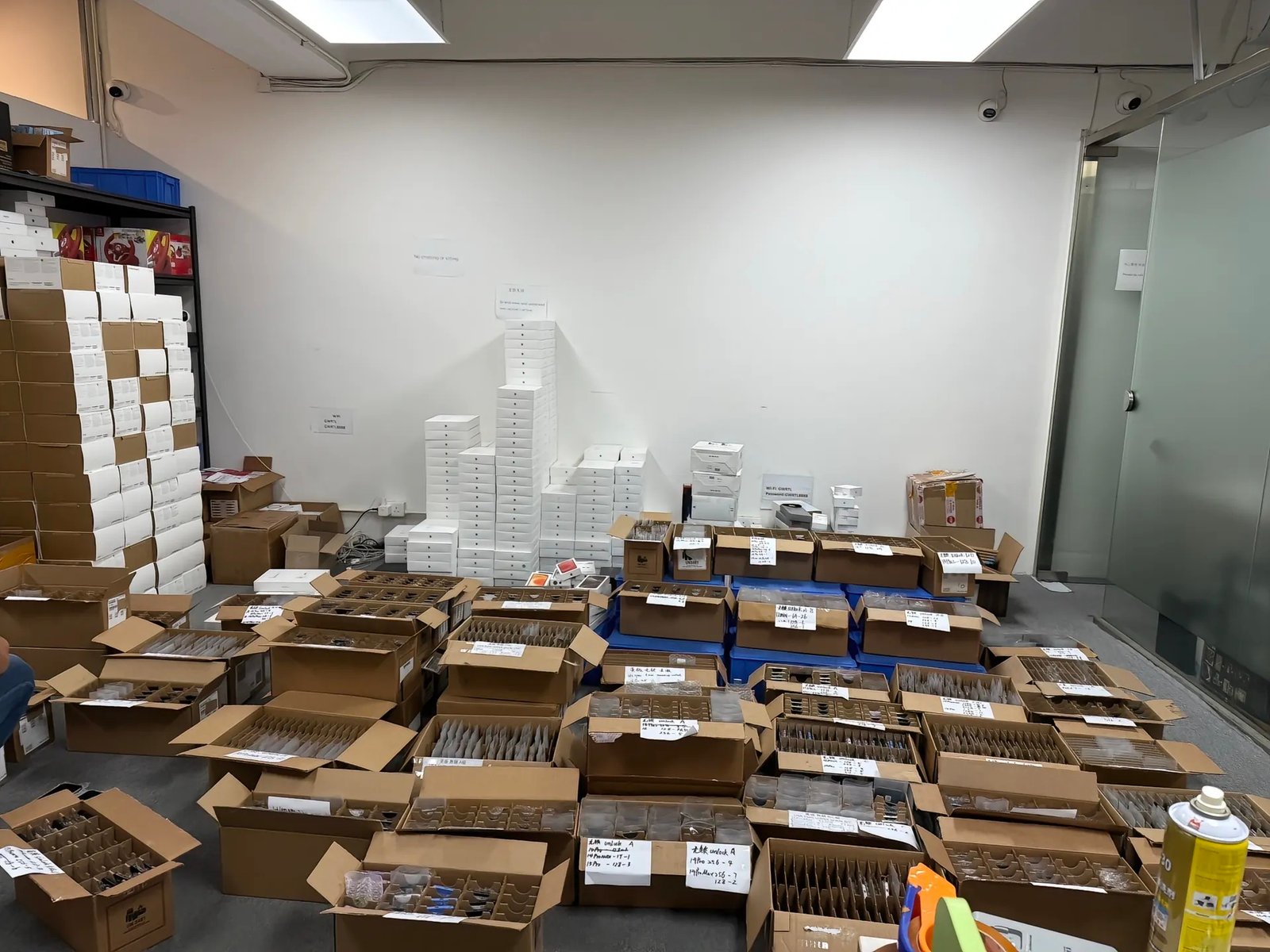
What Is Used iPhone Wholesale?

Used iPhone wholesale means purchasing multiple pre-owned Apple devices as inventory for resale, distribution, repair, refurbishment, or business supply. The same phrase can cover several very different product types, so buyers should define the lot before comparing price.
Inventory may include tested used devices, refurbished devices, customer returns, open-box stock, or as-is repair lots. The right choice depends on the sales channel, repair capability, risk tolerance, and destination market. Verifiable inventory is more useful than attractive photographs or a low headline price without supporting records.
| Inventory Type | Typical Condition | Suitable Buyer | Main Verification Need |
|---|---|---|---|
| Tested used | Previously owned; condition varies | Retailers and online resellers | Grade, battery, and functional-test standard |
| Refurbished | Inspected and repaired where needed | Buyers needing consistency | Repair process and parts disclosure |
| Customer returns | Returned after retail sale | Experienced resellers | Return reason, test result, and completeness |
| Open-box | Lightly handled or returned packaging stock | Premium resale channels | Activation, packaging, and condition evidence |
| As-is / repair | Known or unknown faults | Repair shops and parts buyers | Fault categories and expected recovery rate |
How Used iPhone Wholesale Works

1. Start With the Market, Not the Stock

Define the destination market and customer before choosing models or requesting prices. A quote is only comparable when each supplier receives the same brief. A device that looks inexpensive may not fit local network needs, expected cosmetic condition, or the price level your customers accept.
- Destination country and target customer type
- Preferred models and storage capacities
- Price segments: entry, mid-range, premium, or repair
- Local demand for standard, Plus, Pro, and Pro Max models
- Network-band and SIM/eSIM needs
- Local repair-part availability
- Desired inventory turnover speed
- Budget and acceptable landed cost
- Local expectations for cosmetic condition and battery health
Buyers remain responsible for import rules, taxes, local radio requirements, network compatibility, and SIM/eSIM requirements in the destination market. Record these requirements in a short sourcing sheet and send the same sheet to each supplier.
For a commercial used iPhone wholesale comparison, give each supplier the same purchase brief: target models, quantity range, grade, battery expectation, destination, and preferred shipment timing. This lets a B2B buyer compare availability and terms on a like-for-like basis.
2. Choose the Right Used iPhone Model Mix

No single series suits every business. Older iPhone models can support lower entry prices, while newer models may fit premium resale but require more capital. A balanced order can reduce reliance on one customer segment and create options when individual storage or color combinations change.
| Buyer Need | Suggested Model Direction | Purchasing Priority |
|---|---|---|
| Entry-value resale | iPhone X, XR, XS, XS Max, iPhone 11 | Affordable cost and functional reliability |
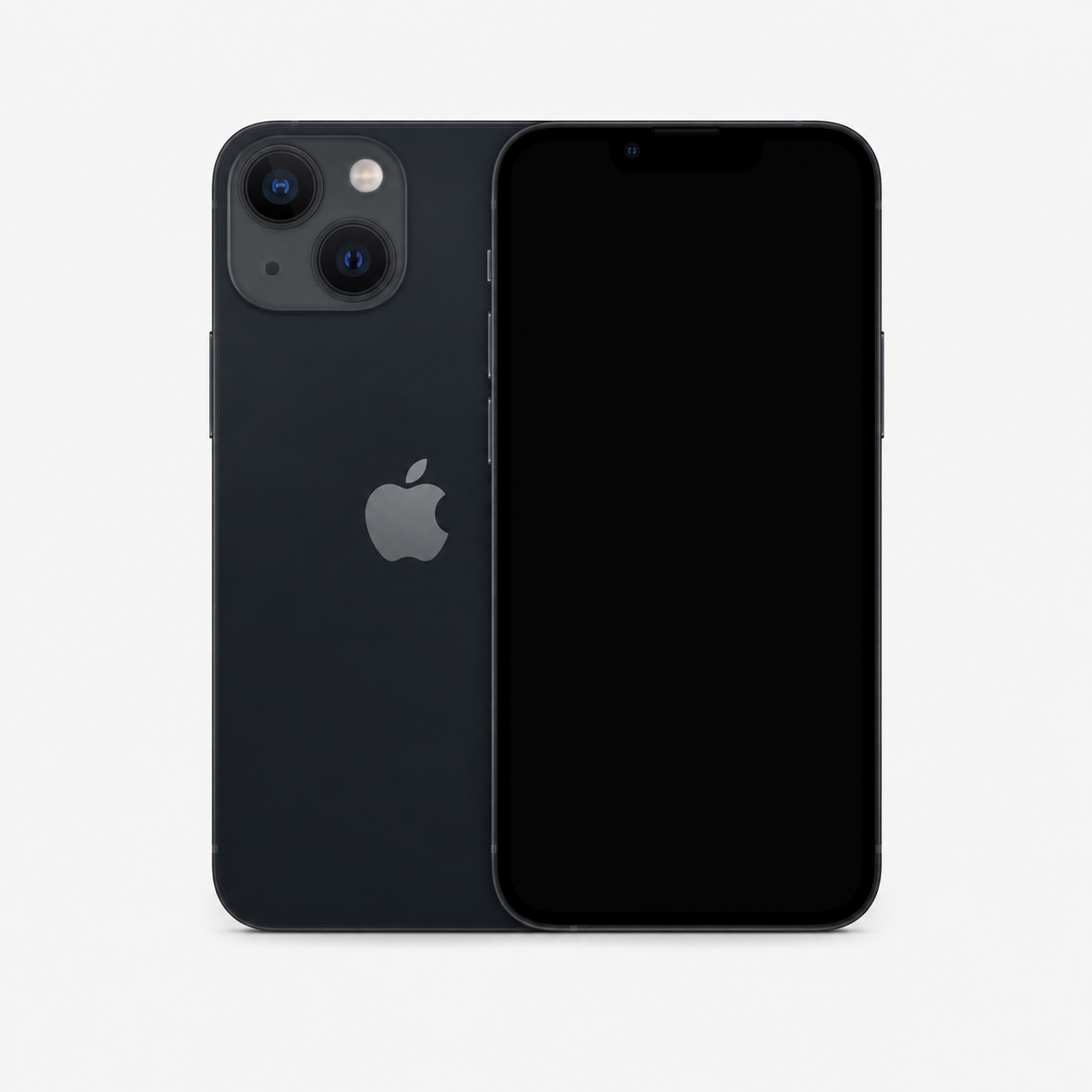
| Mid-market resale | iPhone 12 and iPhone 13 Series | Balanced demand, performance, and price |
| Higher-value retail | iPhone 14 and iPhone 15 Series | Cosmetic consistency and battery quality |
| Premium resale | iPhone 15 Pro, iPhone 16 Series, iPhone 17 Series | Storage options, regional variant, and condition accuracy |
| Repair or parts recovery | Older, damaged, or as-is units | Clear fault disclosure and component value |
HQB can discuss iPhone X, XR, XS, XS Max, iPhone 11 Series, iPhone 12 Series, iPhone 13 Series, iPhone 14 Series, iPhone 15 Series, iPhone 16 Series, and iPhone 17 Series according to the buyer's required mix and market. Buyers can also review HQB’s iPhone product catalog when narrowing a wholesale model mix.
3. Understand Used, Refurbished, and As-Is Inventory

“Used” and “refurbished” are not interchangeable. Used inventory may be tested to a supplier-defined standard without a repair process. Refurbished inventory may include repairs, replacement parts, or a more structured presentation. As-is stock should be purchased only where the buyer has clear risk controls and can handle the expected recovery work.
| Category | Expected Condition | Main Advantage | Main Risk |
|---|---|---|---|
| Used | Previously owned, tested to a stated standard | Flexible price and model availability | Cosmetic and battery variation |
| Refurbished | Tested and repaired where needed | More standardized presentation | Different repair and parts standards |
| Customer return | Returned from a previous sale | Potentially light use | Unknown return reason or missing accessories |
| Open-box | Packaging opened or lightly handled | Premium appearance potential | Activation and condition must be checked |
| As-is | Faulty, untested, or mixed condition | Lower acquisition cost | Higher repair labor and uncertain yield |
4. Choose a Reliable Used iPhone Wholesale Supplier

Supplier reliability is demonstrated through proof, process, and consistency—not only a large catalogue or a low quotation. Match the company that issued the quote with the people holding stock, the method used to describe devices, and the terms offered if the delivery differs from the order.
Supplier checklist
- Confirm legal business name and contact details.
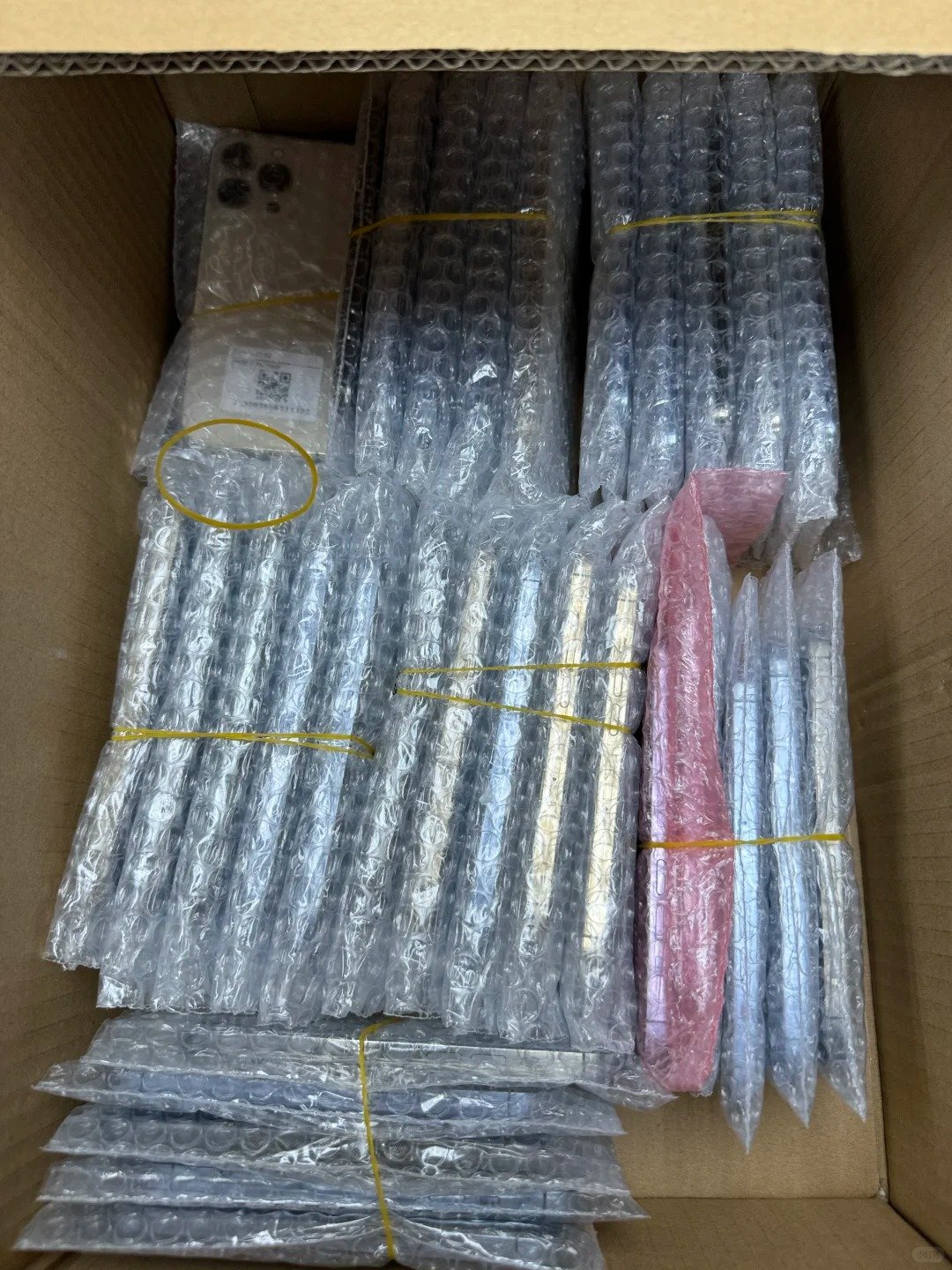
- Request current inventory photos or video.
- Ask who owns or controls the offered inventory.
- Request written grading definitions.
- Ask for battery and functional-test policy.
- Confirm the IMEI manifest process.
- Ask how Activation Lock and carrier status are handled.
- Review payment, shipping, and claims terms.
- Request samples before scaling where practical.
- Keep all commitments in writing.
Supplier Red Flags
- Refusal to provide a manifest or current stock evidence
- Vague claims such as “100% perfect”
- No written grade or defect policy
- Pressure for full payment without documents
- Unclear response to lost, stolen, locked, or defective devices
- Claims about bypassed or software-unlocked phones
5. Request a Detailed Inventory Manifest

A stock list should make each unit or defined lot traceable. It creates a reference for inspection, payment, dispatch, and claims. The level of identifier detail can vary by transaction, but the buyer and supplier should agree on it before the final payment milestone.
| Required Field | Buyer Benefit |
|---|---|
| Model and model number | Confirms the device variant |
| Storage capacity | Prevents value and listing mismatch |
| Color | Supports accurate resale listings |
| IMEI or serial reference | Enables tracking and reconciliation |
| Cosmetic grade | Connects devices to agreed condition standards |
| Battery-health result or range | Supports accurate pricing and planning |
| Carrier status | Confirms expected network usability |
| Activation Lock status | Reduces unusable-device risk |
| Parts or repair disclosure | Supports transparent resale |
| Quantity and unit price | Creates a clear commercial record |
6. Verify IMEI, Activation Lock, and Carrier Status

Cosmetic grade, functional test results, battery health, parts history, IMEI status, Activation Lock, and carrier status are separate checks. Treating them as one “quality” label leaves important questions unanswered. Use a documented process and reconcile the physical devices when they arrive.
- Request the IMEI list before final payment.
- Confirm listed IMEIs match the promised quantity.
- Verify samples across different models and grades.
- Reconcile physical devices against the manifest on arrival.
- Use lawful destination-market resources for lost or stolen checks.
- Confirm devices do not show “iPhone Locked to Owner” during setup.
- Check carrier status where available; “No SIM restrictions” indicates an unlocked iPhone in Settings.
- Document exceptions and submit claims promptly.
7. Set Grade, Battery, and Functional-Test Standards

A supplier’s Grade B may not match another supplier’s Grade B. Grade A, Grade B, Like New, Excellent, and Good are supplier-defined descriptions, not universal standards. Agree the visual boundary, functional requirements, battery policy, and handling of repair-related messages in writing before the order is approved.
| Grade | Cosmetic Expectation | Functional Expectation | Buyer Control |
|---|---|---|---|
| Like New / Premium | Minimal visible wear | Fully functional | Define allowable micro-marks and request examples |
| Grade A / Excellent | Light signs of use | Fully functional | Agree display, frame, and back-glass condition |
| Grade B / Good | Noticeable but acceptable use | Fully functional unless stated otherwise | Define permitted scratches, scuffs, and small dents |
| Grade C / Fair | Heavier cosmetic wear | Functional unless otherwise stated | Require specific defect disclosure |
| As-is | Condition varies | Not guaranteed | Require fault categories and recovery assumptions |
- Display condition, touch response, brightness, and dead-pixel checks
- Camera, flash, focus, and video testing
- Face ID or Touch ID where applicable
- Speakers, microphones, buttons, vibration, and charging port
- Wi-Fi, Bluetooth, mobile network, and GPS where relevant
- Battery health and charging behavior
- Signs of liquid damage, swelling, or severe structural damage
- Parts and Service History where available
- Any Genuine, Used, Unknown, or repair-related message affecting downstream disclosure
8. Place a Sample Order Before a Large Purchase

A sample order tests the supplier's real quality, documents, packing, communication, and claims process. It should represent the models and grades you intend to buy, rather than a hand-selected group that cannot be compared with later stock.
- Choose multiple models and grades from the intended mix.
- Compare physical condition with the written grade standard.
- Match sample-device IMEIs to the manifest.
- Test essential functions, battery, lock status, and network status.
- Check packaging and shipping protection.
- Measure response quality when an issue is found.
- Record actual landed cost and preparation labor.
- Scale only after results match expectations.
Samples do not guarantee every later lot, but they establish a measurable baseline. Save photos, notes, and test records so the parties can refer to the same examples on a repeat order.
9. Calculate Total Landed Cost Before Buying
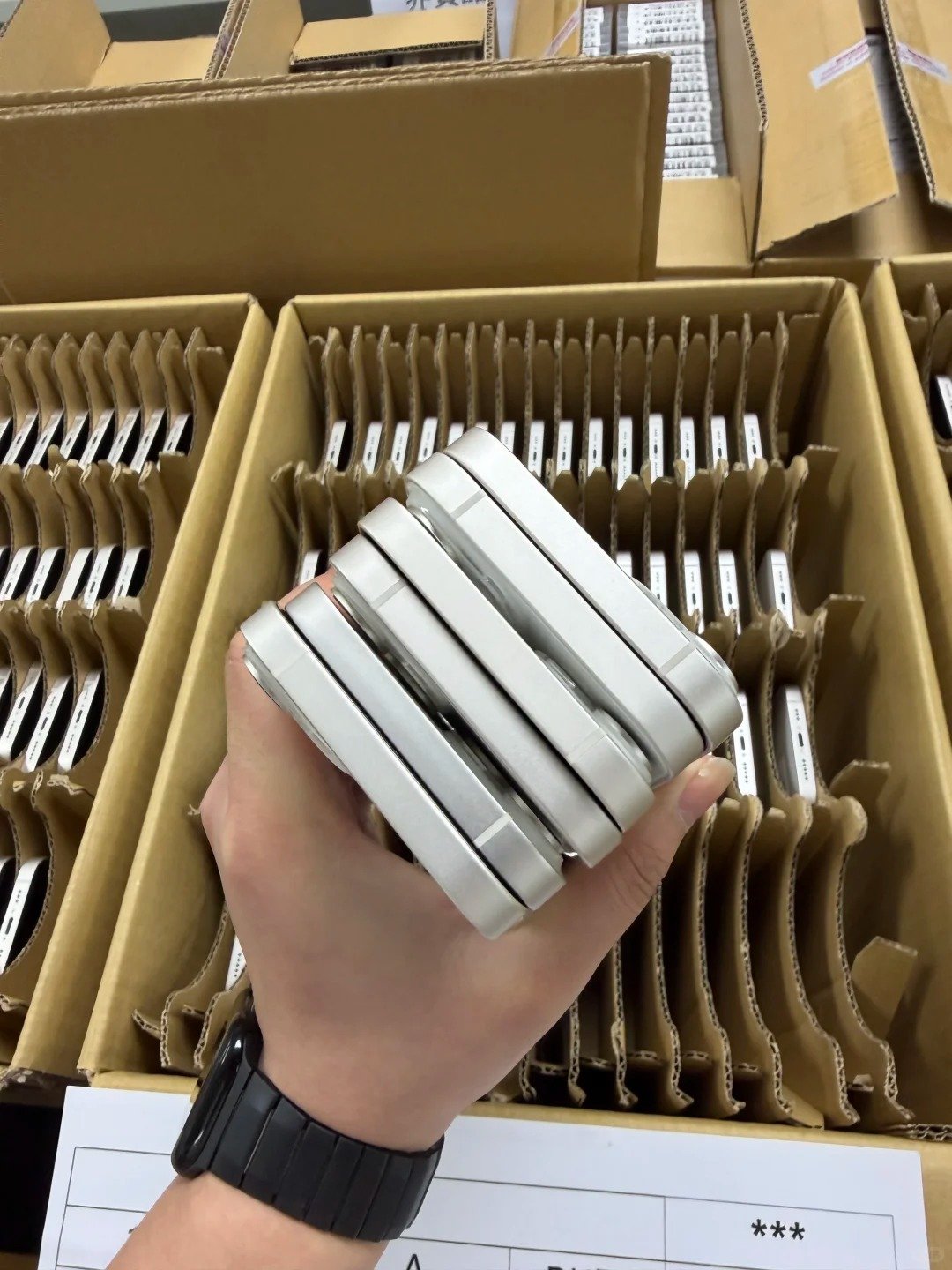
Unit price alone does not show the true cost of sellable inventory. A lower quote can require more inspection, repair, accessories, claims work, or local compliance cost. Compare suppliers using the expected total cost for the units that your business can realistically sell.
| Cost Component | Buyer Question |
|---|---|
| Unit purchase price | Does the quote match the agreed model, grade, and battery standard? |
| Freight and insurance | Who arranges transport and carries transit risk? |
| Import taxes and compliance | What destination-market costs or approvals apply? |
| Payment fees | Are there banking, platform, currency, or escrow charges? |
| Inspection labor | What time and cost are required to test and prepare stock? |
| Repair reserve | What defect allowance should be planned? |
| Packaging and accessories | What is included and what must be sourced separately? |
| Claims logistics | What does it cost to replace, return, or resolve exceptions? |
10. Use a Written Purchase Order and Clear Claims Terms

Clear terms protect both buyer and supplier because they turn a conversation into an inspectable scope. A purchase order should not rely on a grade label alone. It should state what will be delivered, what evidence will accompany it, and how a documented mismatch is handled.
- Buyer and supplier legal details
- Order reference and date
- Exact models, storage, colors, grades, quantities, and prices
- Battery-health and parts-disclosure policy
- Functional testing standard
- IMEI manifest requirement
- Activation Lock and carrier-status conditions
- Packaging and shipment requirements
- Payment milestones
- Inspection period after delivery
- Evidence needed for claims
- Replacement, credit, return, or refund procedure
11. Inspect Every Shipment on Arrival

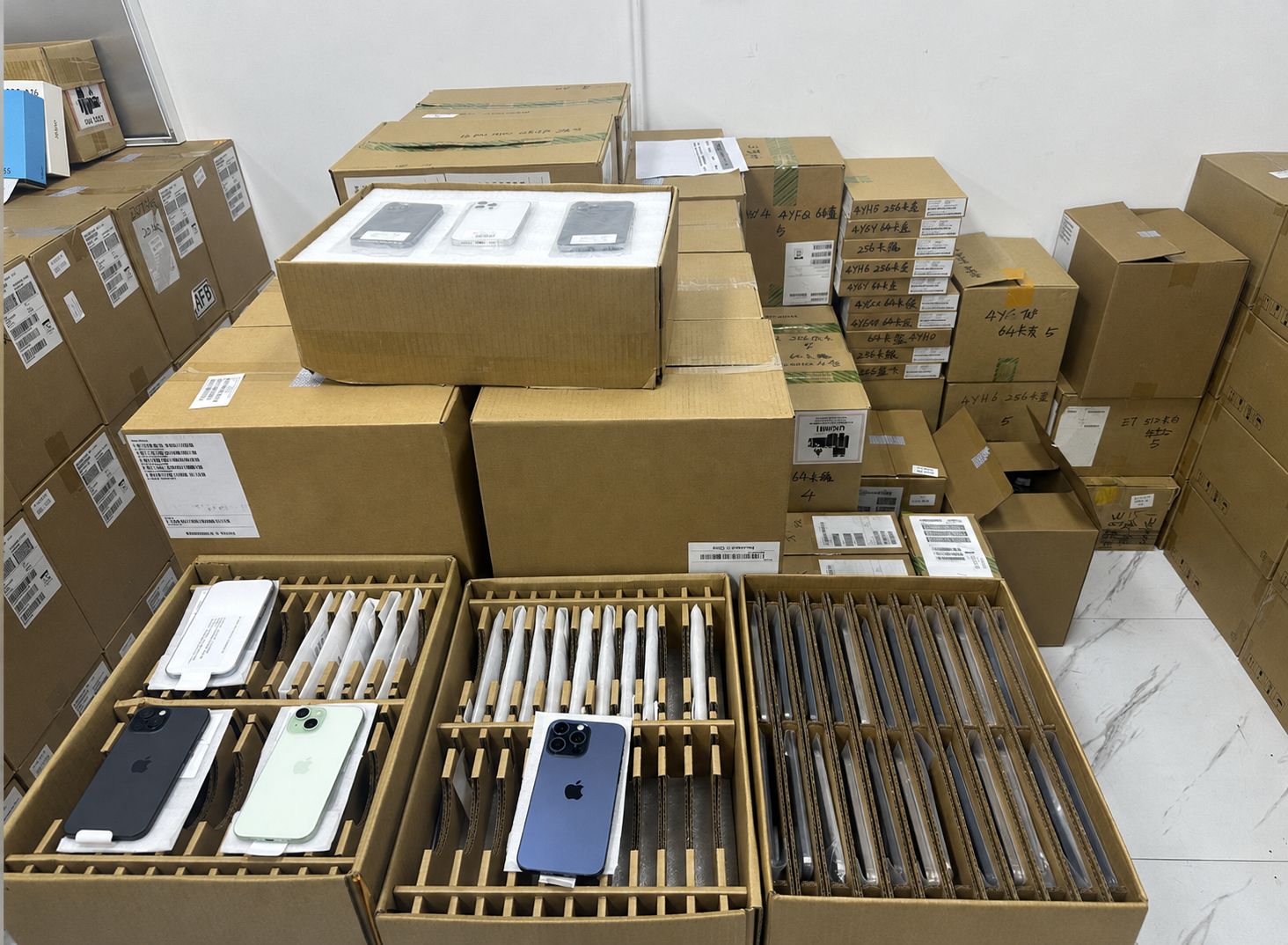
Incoming inspection should begin quickly enough to meet the agreed claims period. Photograph the shipment before opening, retain the packing materials until the count is confirmed, and separate disputed devices from approved stock. A consistent process protects the buyer's records and gives the supplier specific information to review.
| Step | Action | Evidence to Keep |
|---|---|---|
| 1 | Count cartons against shipping documents | Arrival photos and carton count |
| 2 | Check external packaging before opening | Damage photos or video |
| 3 | Scan or log devices | IMEI and serial reconciliation report |
| 4 | Compare against the manifest | Model, storage, color, grade, and quantity record |
| 5 | Test required functions | Test results and exception notes |
| 6 | Review battery, parts, and lock status | Unit-level condition records |
| 7 | Separate approved and disputed units | Quarantine list |
| 8 | Submit claims within the agreed window | Written summary and supporting evidence |
12. Build a Repeatable Wholesale Reorder Process
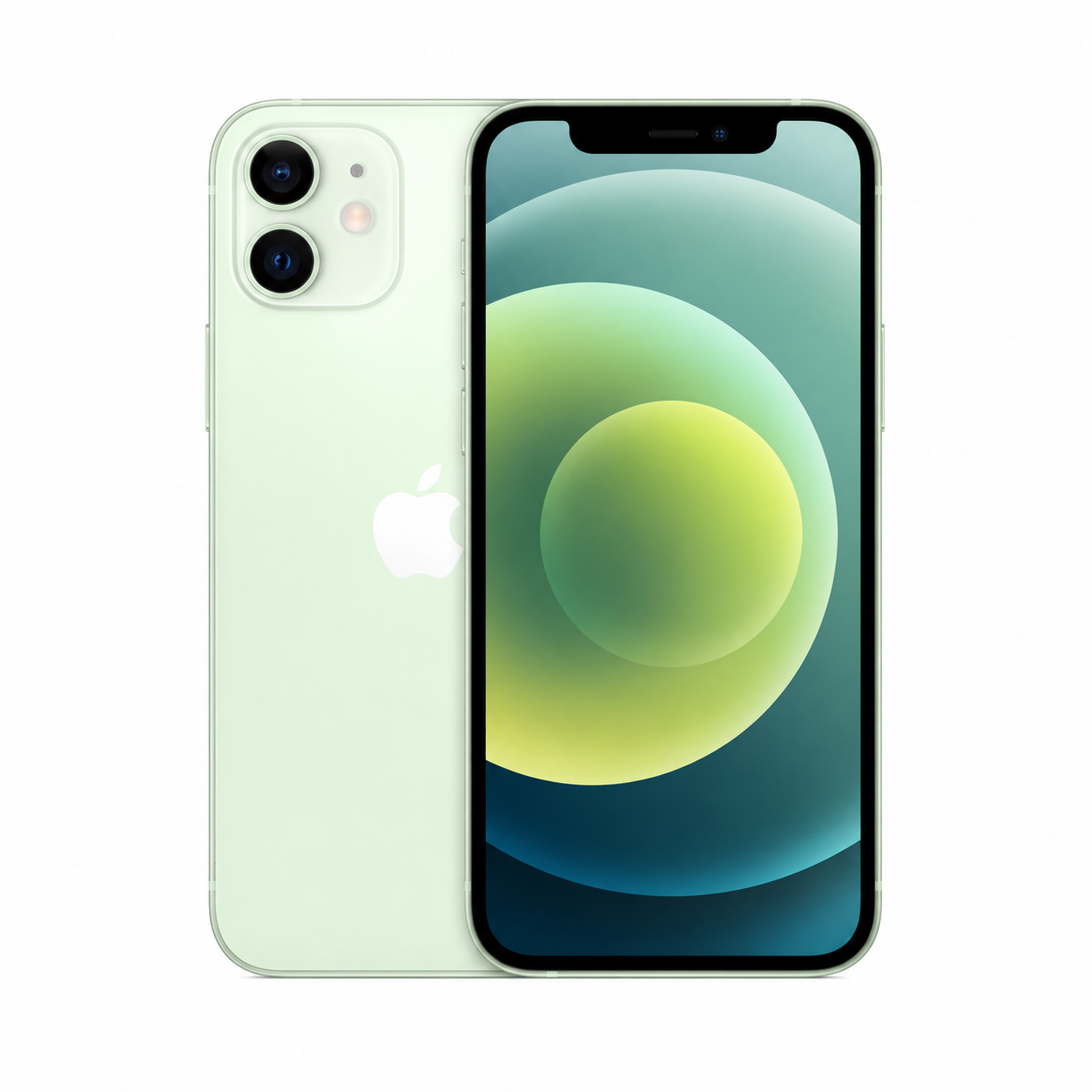
Every delivery produces evidence for the next buying decision. Record whether the manifest was accurate, whether grades matched the examples, how many devices met the battery policy, and how claims were handled. This turns reorder decisions into a review of delivered performance rather than a response to the latest quotation.
| Scorecard Area | Example Measure |
|---|---|
| Manifest accuracy | Percentage of devices matching supplied records |
| Grade accuracy | Percentage matching the agreed cosmetic standard |
| Functional pass rate | Percentage passing required tests |
| Battery consistency | Percentage meeting the stated policy |
| Lock-status compliance | Percentage free from undisclosed account or carrier issues |
| Packaging quality | Transit-damage rate |
| Claims handling | Response speed and fairness of resolution |
| Commercial value | Landed cost compared with actual sell-through results |
A supplier can be a useful long-term partner when expectations stay clear as order size grows. Keep the scorecard, sample records, purchase orders, and arrival notes together so changes in model mix or grade can be discussed from evidence.
Keep one shared record from quotation to sale
Wholesale control becomes easier when the purchasing, receiving, repair, and sales teams refer to the same record. Assign an order reference before payment, then use it on the manifest, carton labels, receiving report, exception log, and supplier correspondence. This simple connection reduces the chance that a device is separated from the evidence that describes it.
Do not overwrite an old stock list when a supplier changes availability. Save the dated version and request a revised version. A current list may change quickly, but a dated record explains which units and conditions were actually offered at the time of the decision.
- Quote and approved specification
- Current manifest and revision date
- Purchase order and payment reference
- Shipping documents and carton labels
- Receiving and test records
- Exception and claims correspondence
Separate evidence by risk type
Different issues need different evidence. A cosmetic mismatch may need consistent photographs; an identifier mismatch needs the physical device and manifest reference; a functional claim needs the agreed test result. Keeping these categories separate makes the buyer's report precise and gives the supplier a fair basis for response.
| Issue type | Useful evidence | Decision question |
|---|---|---|
| Quantity or model mismatch | Carton count, labels, manifest, and receiving log | Does the physical shipment match the commercial record? |
| Cosmetic condition | Consistent photos and written grade definition | Is the observed wear within the agreed standard? |
| Functional exception | Test result, identifier, and date | Does the device meet the stated functional policy? |
| Battery or parts disclosure | Unit record and agreed policy | Was the delivered result represented accurately? |
| Status issue | Lawful status result and device reference | Does the agreed remedy apply? |
Plan the warehouse and sales handoff
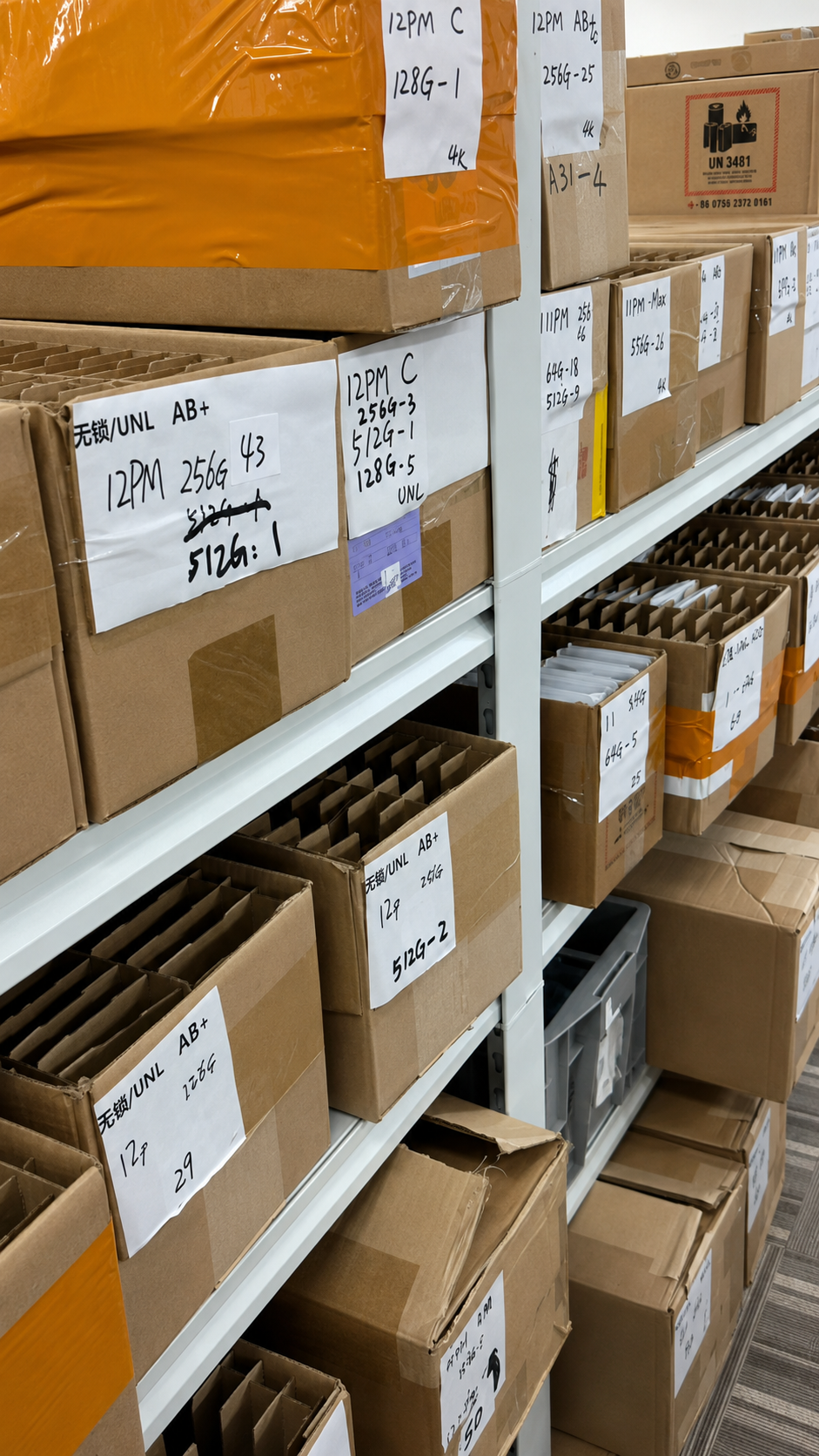
Receiving is not complete when a carton has been opened. Label approved devices by order, model, storage, grade, and destination channel before they are mixed into stock. Place disputed devices in a separate quarantine area so they are not accidentally sold, repaired, or listed while a claim is open.
Sales teams should receive the same facts used by procurement. If the purchase order allows a certain Grade B cosmetic range, the listing process should describe that range honestly rather than using a generic premium image. Battery and repair-related information should be handled according to the buyer's local obligations and the information recorded for the unit.
Approved-stock handoff
- Match approved identifiers to the inventory system.
- Assign grade and channel labels consistently.
- Attach permitted battery and repair information.
- Confirm accessories and packaging status.
- Store devices in a traceable location.
Exception-stock handoff
- Mark the device as unavailable for sale.
- Keep the identifier and evidence together.
- Record the observed issue and test date.
- Follow the purchase-order claim method.
- Release only after a documented resolution.
Use review meetings to improve the next order
After a shipment is processed, review the scorecard with the people who received, tested, repaired, and sold the stock. The purpose is to find repeated patterns, not to treat a single exception as the whole supplier relationship. A buyer may adjust the next order's model mix, grade allowance, sample size, battery policy, packing requirement, or claim window based on actual results.
Measure results against the original market plan as well. A model can arrive exactly as ordered but still move slowly if local demand, storage preference, or price position was misjudged. Separating supplier performance from market performance leads to better reorder decisions.
Use the review to decide whether the next order should be broader, narrower, or simply more specific. For example, a strong result in one iPhone 13 storage mix does not automatically mean that every color or grade should be expanded. Compare the actual sell-through path with the delivery record: which models sold, which needed preparation, which were returned by customers, and which consumed unexpected support time.
Document the decision in the next request rather than relying on a verbal memory. A clear reorder instruction might change the battery range, limit the lower-grade percentage, request a different carton label, or ask for a separate manifest by sales channel. This feedback helps HQB and the buyer focus the next discussion on practical requirements.
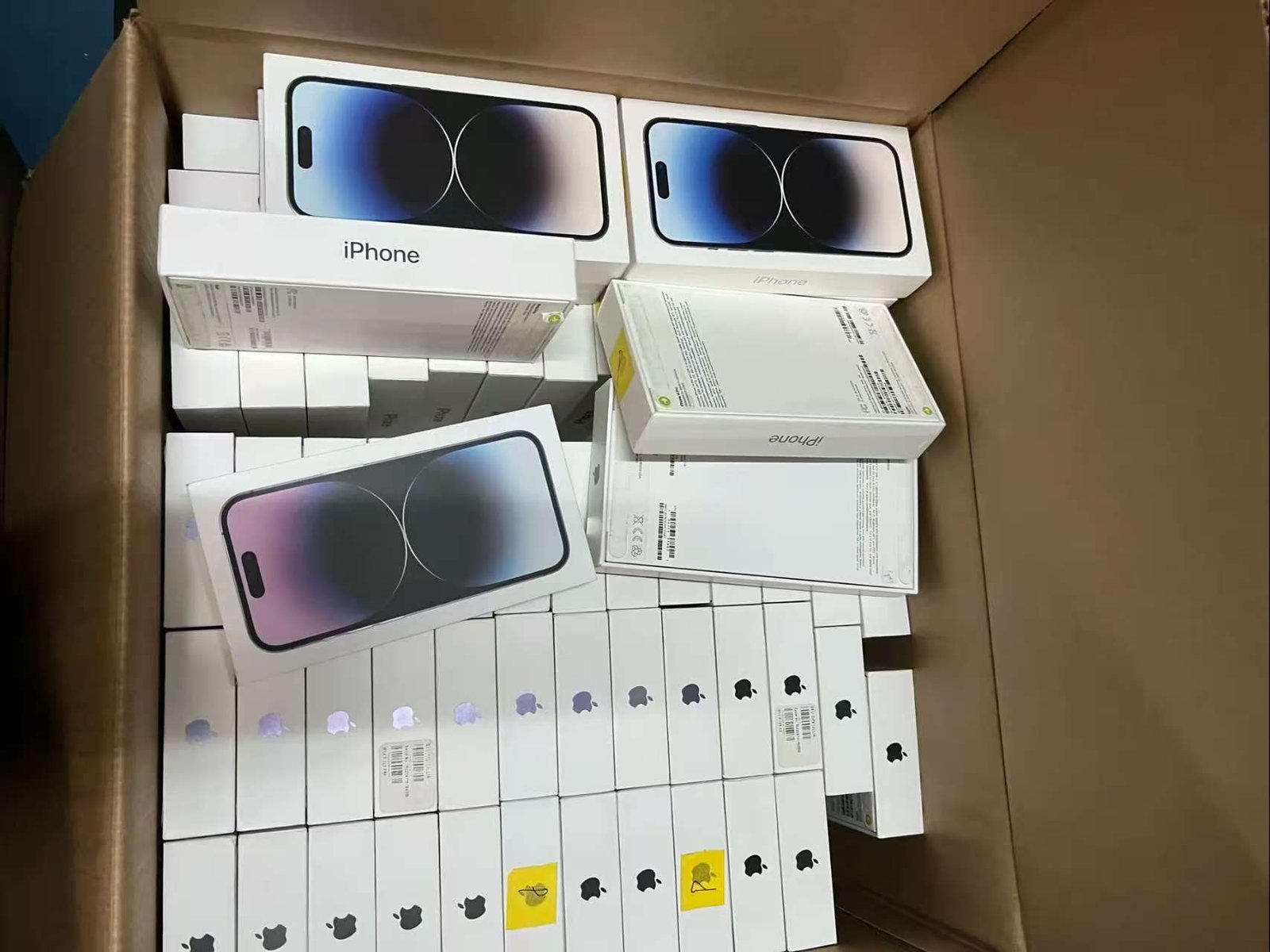
Frequently Asked Questions About Used iPhone Wholesale
What does used iPhone wholesale mean?
It means buying multiple pre-owned iPhones as business inventory for resale, distribution, repair, refurbishment, or supply. The buyer should define product type, model mix, condition, status, and documentation before comparing offers.
Is used or refurbished iPhone inventory better for resale?
Neither label is automatically better. Used stock can offer flexible model availability; refurbished stock can offer a more structured presentation. Compare written testing, battery, repair, parts, grade, and device-status information.
What should I request before paying for a wholesale order?
Request the quote, written grade and test policy, current stock evidence, manifest process, battery and parts disclosure, device-status controls, shipping terms, purchase order, inspection period, and claims procedure.
Why is an IMEI manifest important?
It connects the offer to physical devices, supports receiving reconciliation, and gives both parties a clearer record when a shortage, mismatch, or status exception is reported.
How can I avoid Activation Lock issues?
Ask for the supplier's legitimate status process, inspect devices during setup, reconcile identifiers, and use lawful checks. Do not buy devices that need any bypass or unauthorized account action.
What battery-health policy should I request?
Ask whether the policy is a minimum, range, or unit-level reading; how low readings and service messages are handled; and what remedy applies if delivered units differ from the written order.
Are Grade A and Grade B the same for every supplier?
No. Like New, Excellent, Good, Grade A, and Grade B are supplier-defined descriptions. Request photos and a written definition of permitted screen, frame, lens, and back-glass wear.
Should I buy sample units before placing a larger order?
Where practical, yes. A representative sample tests real condition, identifiers, packing, communication, documentation, and the supplier's response to an exception.
What should be included in a used iPhone purchase order?
Include the legal parties, models, storage, colors, grades, quantities, prices, battery and parts policy, test standard, manifest, status conditions, shipping, payment, inspection window, and claims remedies.
How should I inspect used iPhones after delivery?
Photograph cartons, count units, reconcile identifiers, compare the manifest, test the agreed functions, record battery, parts, and lock-status exceptions, and submit evidence within the agreed time.
Summary
Buy Used iPhones Wholesale With a Clear Process
Start with destination-market demand, then choose an inventory type and model mix that fits your sales channel. Verify the supplier and its current stock; require written grading, testing, battery, and parts standards; and confirm IMEI, Activation Lock, and carrier-status controls separately.
- Use samples where practical before scaling.
- Calculate total landed cost, not only unit price.
- Use a written purchase order and claims procedure.
- Inspect every shipment promptly and record exceptions.
- Track supplier performance before reordering.
For a current wholesale sourcing discussion, compare the Products catalogue and its model collections, then use this bulk sourcing channel guide to prepare your target models, quantity range, Grade, destination market, and preferred order timing. HQB is a Shenzhen-based B2B used and refurbished iPhone supplier that can review available stock and commercial requirements for a quote.
Talk to HQB
Request a Used iPhone Wholesale Quote
Tell HQB the models, quantities, grades, and destination market you need.
sales@usedphonehqb.com
Related Articles
Wholesale iPhones: A Buyer’s Guide
Learn how to evaluate iPhone inventory, suppliers, written standards, and receiving procedures before placing a wholesale order.
Used iPhone Grading Explained: Like New, Excellent, and Good
Understand how to compare condition labels, request written cosmetic standards, and prevent grading disputes in wholesale orders.
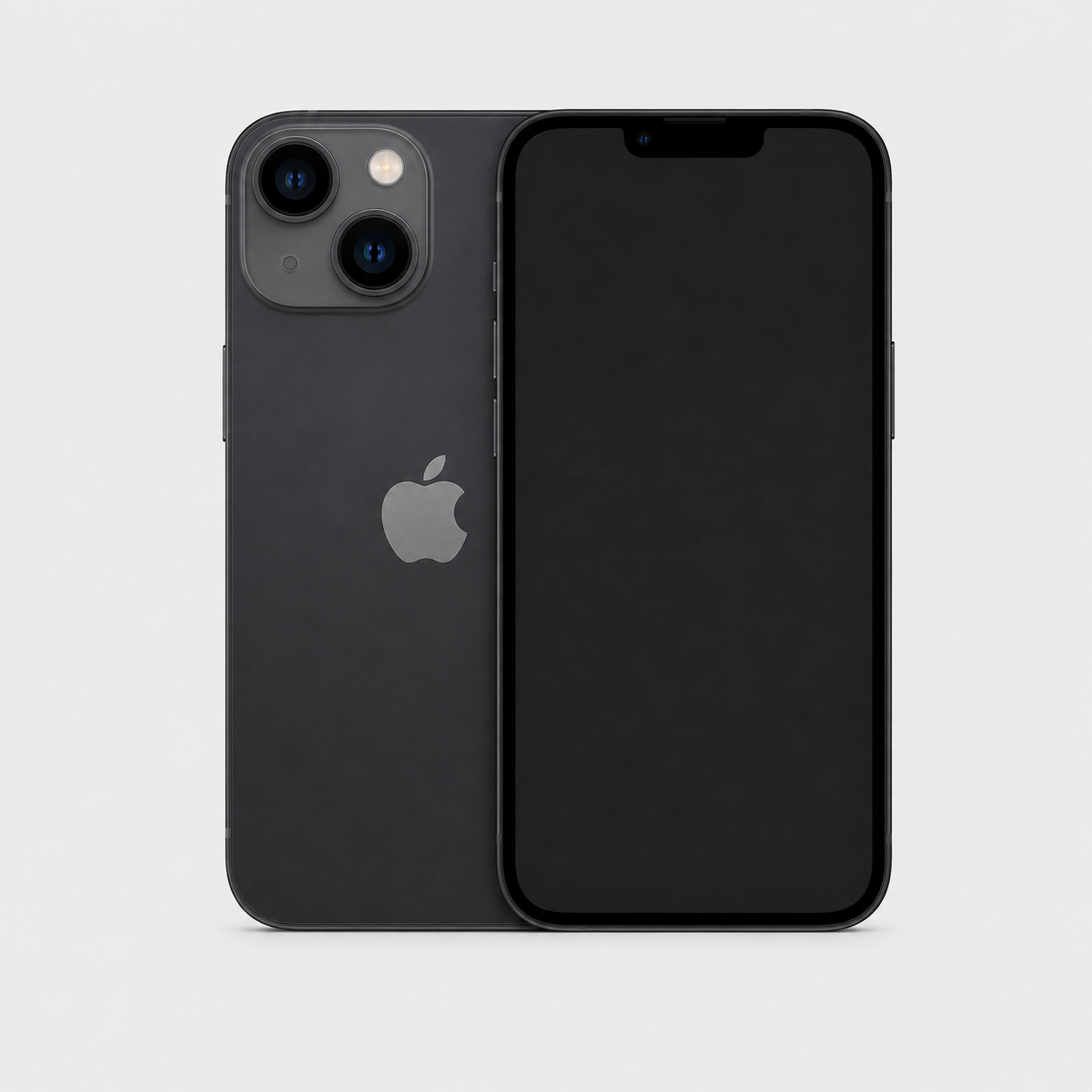
How Are Used iPhones Tested Before Wholesale?
See the essential display, camera, battery, connectivity, parts-history, and lock-status checks used in a structured testing process.