Channel guide
The Best Places to Source Used iPhones for Resale
1. Start with Your Resale Market Before Choosing a Source

Sourcing starts with demand rather than availability. Premium retail, value resale, repair operations, online listings, and export distribution can each require a different mix of model, storage, grade, battery, region, and support.
Define your market
- Destination, customer, demanded models, storage, variant, SIM/eSIM needs.
- Expected grade, battery policy, price range, and margin.
- Ability to repair, return, or handle lower-grade units.
Buyer action
Write a sourcing specification before comparing offers. A source that fits one resale model may create unwanted inventory in another.
For repeat bulk sourcing, ask shortlisted suppliers to quote against the same model mix, quantity range, grade, battery standard, destination, and delivery requirement. This gives B2B buyers a clearer basis for comparing availability, commercial terms, and total landed cost.
2. Buy from Professional Used iPhone Wholesalers

Professional wholesalers can suit buyers needing recurring inventory, mixed model availability, batch records, and a structured commercial process. “Wholesaler” is a category, not a guarantee: verify identity, current stock, grade standards, battery policy, lock controls, and claim terms.
- Confirm exact model, storage, colour, regional mix, grade distribution, and lead time.
- Request invoice, packing list, traceable order reference, IMEI or batch process, and written test policies.
- Use a sample or controlled first order when appropriate.
3. Buy from Professional Refurbishers

Refurbishers may suit buyers who value documented testing, cleaning, repair processes, and consistent resale readiness. Refurbished does not automatically mean every component is new or original; request the actual battery, repair, functional-test, and Parts and Service History policy.
| Question | Why it matters |
|---|---|
| What is tested? | Shows how functional condition is assessed |
| Which parts may be replaced? | Clarifies repair scope |
| Are parts disclosed? | Supports transparent resale |
| Are repaired devices re-tested? | Confirms post-repair control |
| What battery policy applies? | Supports accurate pricing |
4. Consider Carrier, Trade-In, and Insurance-Return Supply Channels

Return and trade-in ecosystems can create larger-volume supply, sometimes with newer models, but condition, locks, repair history, and completeness can vary. Buyers need scale, sampling discipline, and clear agreement on whether stock is tested, graded, repaired, or sold as received.
- Request model and storage breakdown plus grade and status mix.
- Confirm handling of lost, blocked, carrier-locked, and owner-locked devices.
- Request sample evidence and a written exception policy before a large lot.
5. Source Corporate Buyback and IT Asset Disposition Inventory

Corporate refresh cycles can provide traceable batches with more consistent models, but management profiles, data clearing, ownership transfer, battery condition, and accessories still require confirmation.
Corporate batch questions
- Factory reset and new-setup readiness.
- Management controls removed.
- Serial or IMEI traceability.
- Grade, test, battery, and accessory standard.
Buyer action
Keep corporate batches separate until data-clearing, account status, and variant compatibility are checked against the purchase requirement.
6. Use B2B Wholesale Marketplaces Carefully

Marketplaces can expand choice and enable comparison, but the platform does not replace verification of the individual seller, actual units, or commercial terms. Keep key specifications documented in the order flow rather than relying on informal messages.
- Verify seller identity and current stock data.
- Request grade definition, battery policy, real photos or samples, and traceability method.
- Confirm payment, shipment, inspection, and dispute process before scaling.
7. Understand Liquidation and Auction Lots Before Buying

Liquidation can offer lower entry prices or volume, but it can also bring wide variation in condition, tests, completeness, and resale readiness. It is best suited to buyers with inspection, repair, grading, and claims capacity.
| Lot type | Possible advantage | Higher-risk factor |
|---|---|---|
| Tested and graded | More predictable | Higher cost |
| Customer return | Potential newer models | Variable return reason |
| Mixed / untested | Lower entry price | Function and grade risk |
| Salvage | Parts value | Not normal resale stock |
For bulk auction refurbished iPhones, an auction label does not confirm the refurbishment or resale standard. Before bidding, request the lot's Grade distribution, quality-control and test scope, repair and parts disclosure, IMEI or lock-status process, packing details, shipping terms, and claim window. Treat untested or mixed-condition stock as a sorting and repair-risk purchase until the evidence supports another classification.
8. Build Local Buyback and Trade-In Networks

Local buyback can provide direct recurring supply and faster handover, but it needs strong intake controls. Verify seller identity and ownership where appropriate, check IMEI and Activation Lock, test essential functions, record battery and repair information, and separate damaged or locked units.
- Use a written intake record for model, serial/IMEI, condition, and status.
- Check Settings > General > About, Battery Health & Charging, and Parts and Service History where supported.
- Follow applicable local laws and business requirements.
9. Verify Every Channel with Samples and Documentation

Channel choice should be validated with samples, records, and receiving inspection. Check whether the model, grade, IMEI, lock status, carrier status, battery policy, parts history, core functions, packaging, and response to questions match the documentation.
A sample or trial order should mirror the intended bulk order as closely as practical: the same Grade standard, quality-control scope, manifest or batch record, test method, packaging, shipping route, and claims process. A small order is useful only when the evidence can be compared with the larger order being considered.
| Sample result | What it suggests | Buyer response |
|---|---|---|
| Full match | Strong initial evidence | Consider controlled repeat order |
| Disclosed minor variance | Standard may be usable | Clarify before scaling |
| Grade / battery mismatch | Expectation gap | Pause and renegotiate |
| Lock or IMEI issue | High resale risk | Escalate and do not scale |
10. Inspect the Shipment Before You Release Stock for Resale
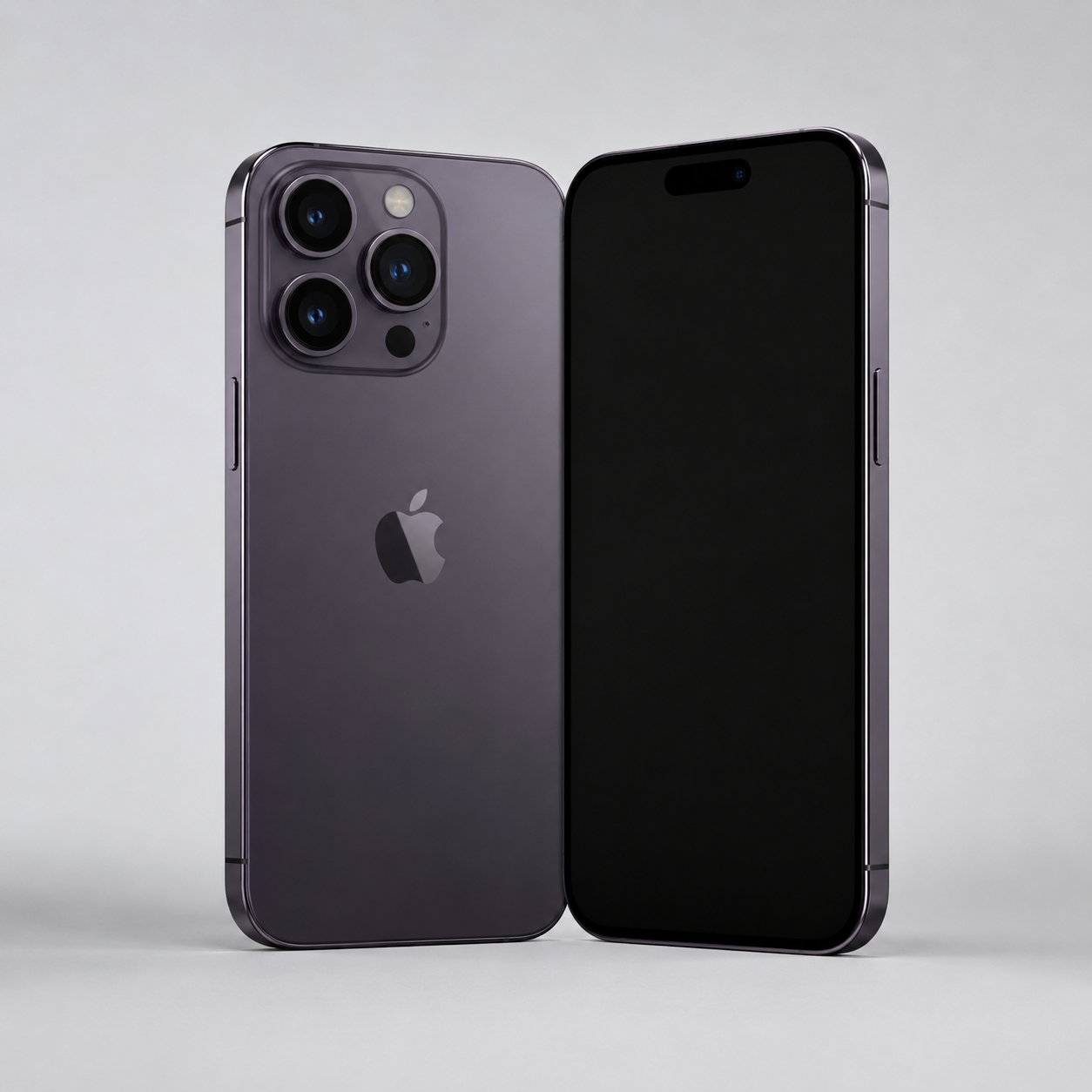
Supplier selection continues after delivery. Photograph cartons, count devices, compare the packing list, confirm model and grade labels, match selected units to records, inspect appearance, review battery and repair disclosure, and test samples before resale release.
- Separate approved, disputed, and hold inventory.
- Record defects with photos, video, IMEI, and written notes.
- Submit any claim within the agreed timeframe.
11. Choose the Channel That Supports Long-Term Resale, Not One-Time Savings
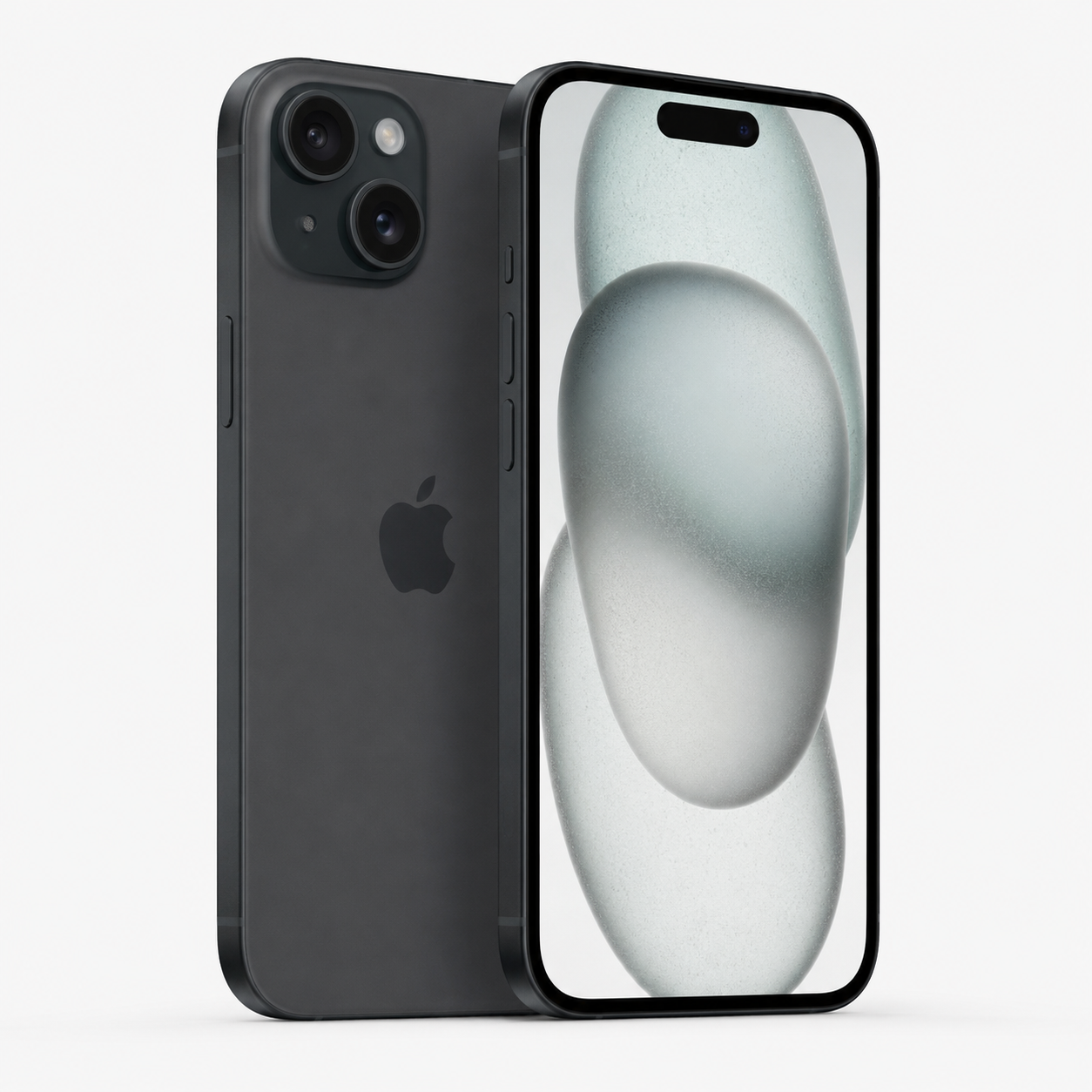
A dependable strategy may use more than one channel, but each must meet the same model, grade, battery, lock, test, documentation, shipment, and claim requirements. Lower price has little value if it adds unrecoverable defects or destroys downstream customer trust.
Channel scorecard
- Target models, variants, and resale grade fit.
- Battery, repair, IMEI, and lock transparency.
- Sample, shipment, and claim controls.
Better sourcing question
Which channel can consistently provide verified, resale-ready iPhones that match our market and margin requirements?