Supplier evaluation
How to Evaluate an iPhone Wholesale Supplier Step by Step
1. Start With Your Own Buying Requirements

Start before asking for quotes. A supplier cannot give a comparable offer when the buyer has not defined the intended market, acceptable condition, and commercial limits. A short sourcing specification turns broad conversations into an order that can be checked. It also prevents an attractive price for the wrong storage mix, grade, carrier status, or battery range from becoming the benchmark.
- Destination market and customer segment
- Target models, colours, and storage capacities
- Desired cosmetic grade and allowed grade mix
- Battery minimum or acceptable range
- Carrier-unlocked and lawful market requirements
- SIM and eSIM requirements
- Order quantity and expected monthly volume
- Target landed-cost range
- Testing, documentation, and claims expectations
- Delivery method and import documents required
Keep this sheet practical. It is not a contract, but it gives every supplier the same brief. If a seller offers a substitute, ask them to identify the exact difference rather than accepting a vague “same quality” statement.
2. Verify That the Supplier Is a Real, Accountable Business

Verification is a pattern, not one document. Check whether the legal name, email domain, phone number, address, payment details, quotation, and shipment records point to the same accountable operation. A real business should be able to describe who owns inventory, who prepares orders, and who handles a claim without changing its story.
Verification checklist
- Legal name, business email, phone, and address
- Details that remain consistent in documents and communication
- Registration or tax documents appropriate to the transaction
- A contact who answers operational questions directly
- Current warehouse, inventory, or operations evidence
- Relevant trade references or feedback where available
- All important promises stated in writing
Red flags
- Changing company information
- Personal messaging only and no business contact
- No address or identity evidence
- Avoiding written commitments
- Very broad claims with no operational detail
- Pressure to pay before stock details are shared
Good verification does not mean assuming that every company must look identical. It means matching the evidence to the risk and order size. A buyer can begin with a smaller, documented sample order while continuing to verify the commercial relationship.
3. Confirm the Supplier Actually Controls the Offered Inventory

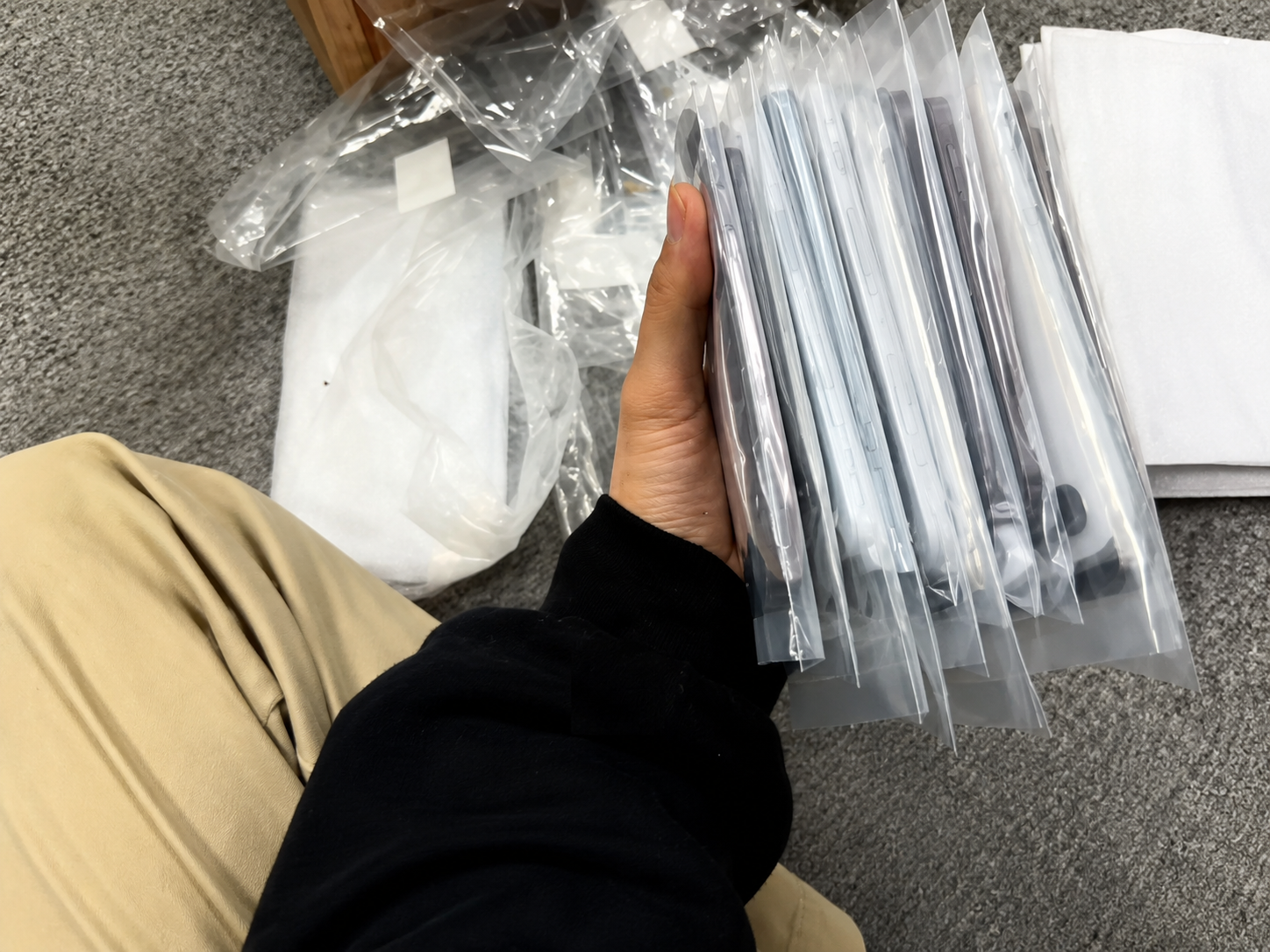
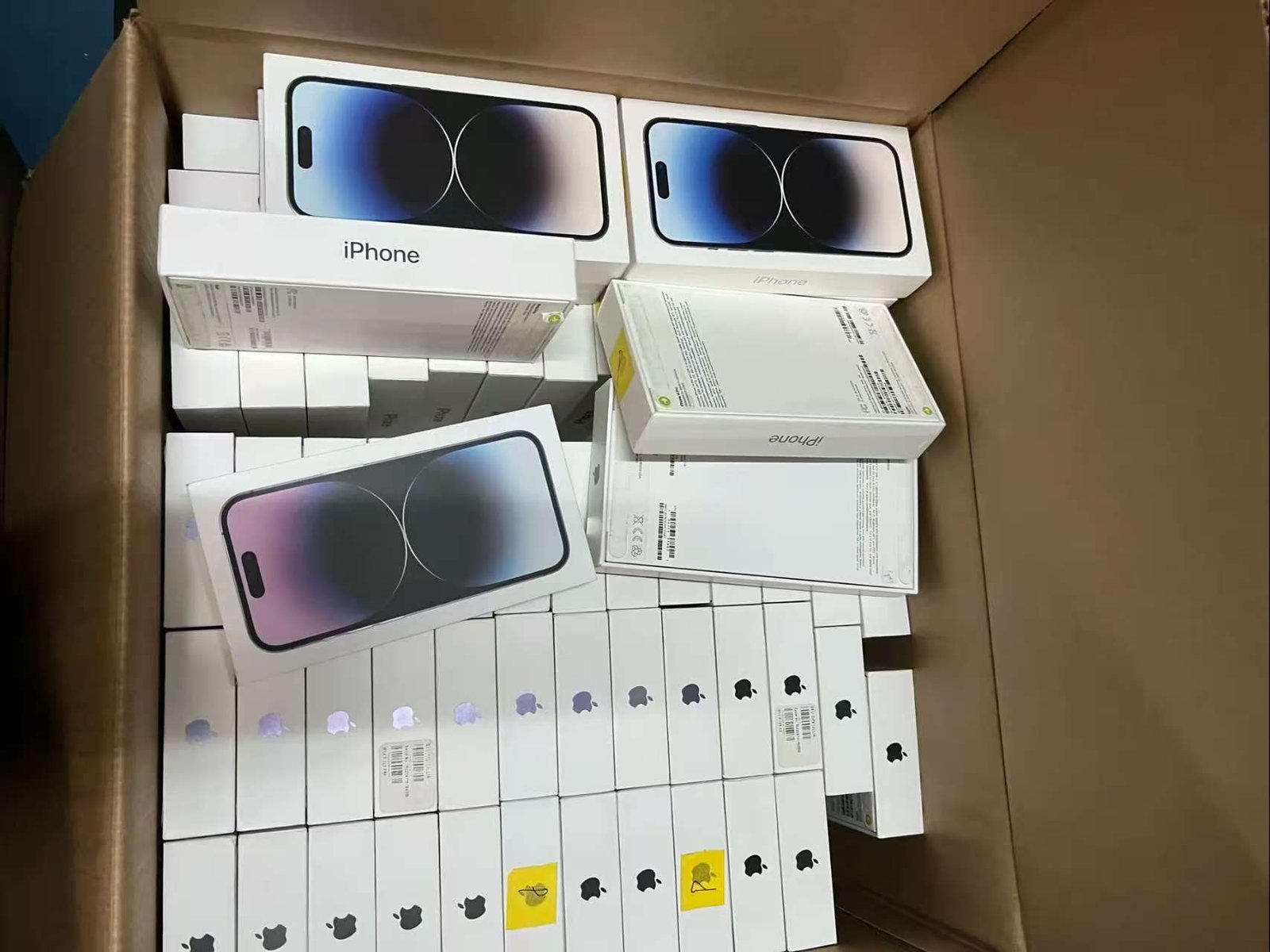
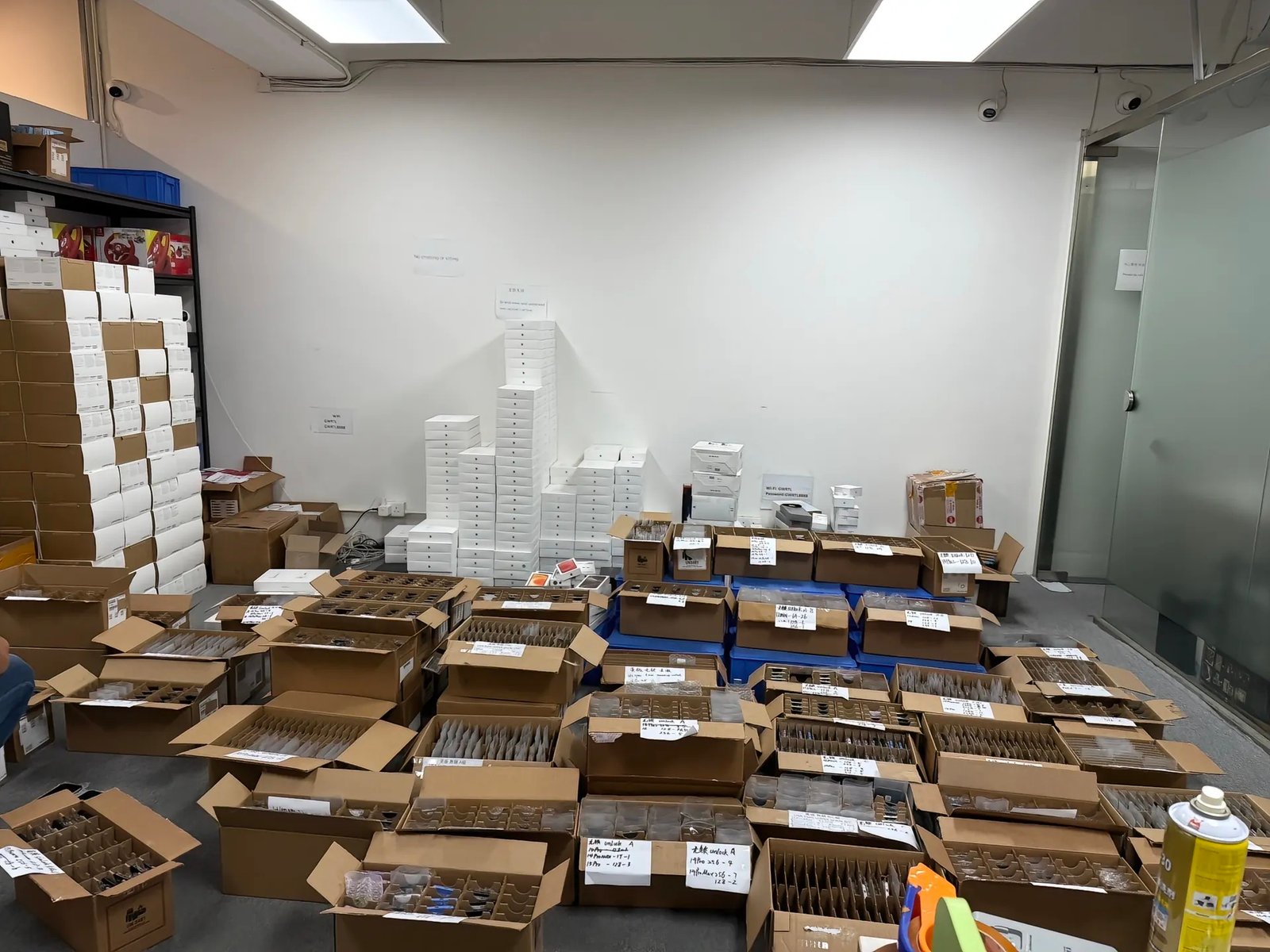
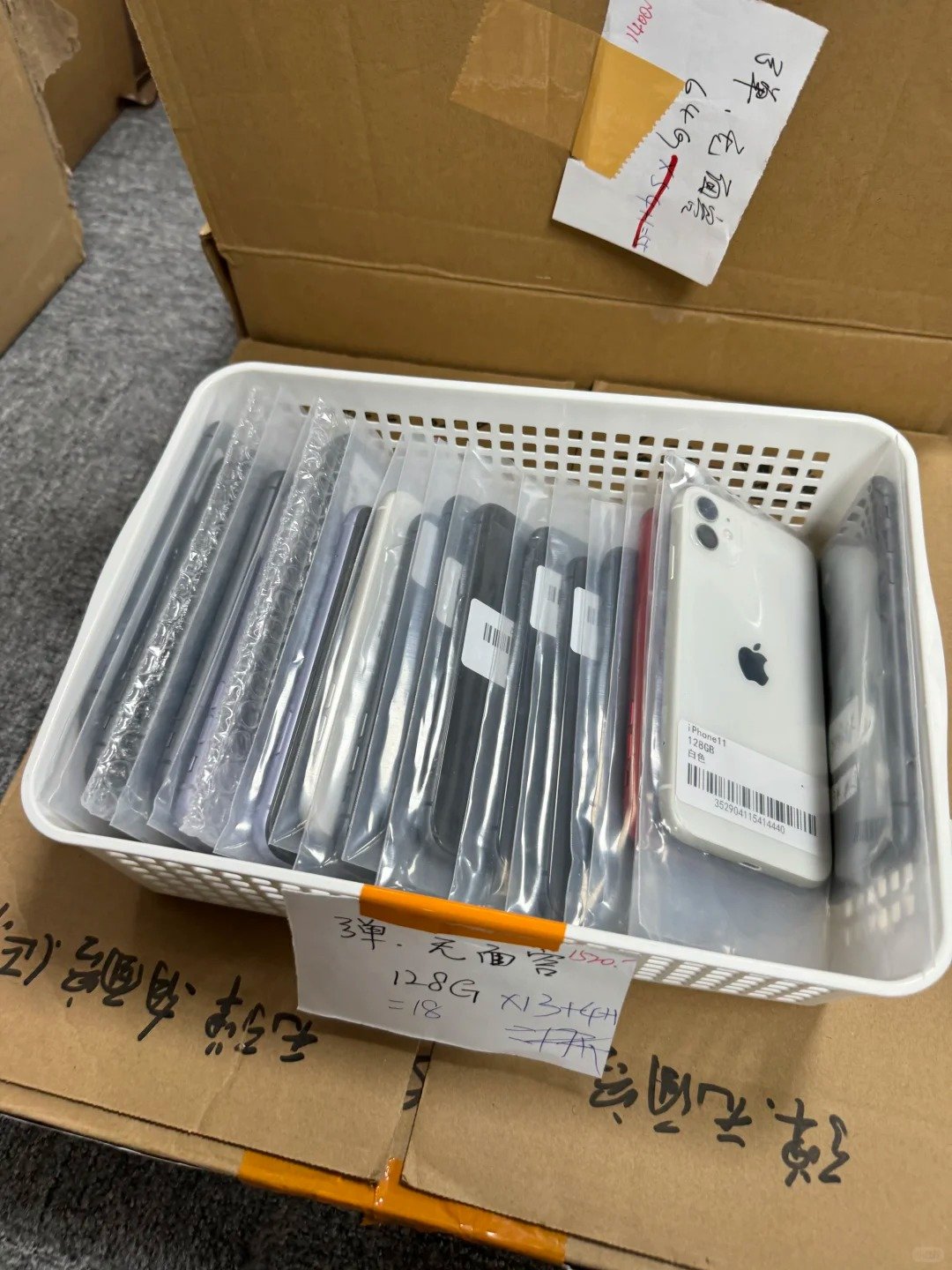
An inventory list is useful only when it relates to current stock. Ask for photos or video that connect the list, models, labels, and quantities. Where unit-level records are appropriate, a manifest makes it possible to reconcile what was offered, paid for, dispatched, and received. It also reveals whether a supplier owns the lot, holds it on consignment, or plans to source it after the order is placed.
- Current photos or video, linked to a date or order reference
- Model, colour, storage, and quantity
- Grade breakdown and battery policy or range
- IMEI or serial-number manifest as agreed
- Packaging and accessory status
- Stock location and shipping origin
- Whether stock is owned, consigned, or sourced after order
There is no single right format for every deal. What matters is that the supplier explains the level of detail it can provide and that the evidence becomes more specific as the buyer moves toward payment.
4. Ask for a Written Grading Standard

Words such as “excellent” and “premium” are sales labels unless they are defined. A written grading standard should distinguish cosmetic wear from functional condition and state what defects are allowed. It should also be paired with representative images; buyers should not assume that a single polished hero photograph represents every device in the lot.
| Grade Label | Typical Meaning | What Must Be Defined in Writing |
|---|---|---|
| Like New / Premium | Very limited wear | Micro-scratches, frame marks, and screen condition |
| Grade A / Excellent | Light wear | Wear limits and functional requirements |
| Grade B / Good | Visible but resale-acceptable wear | Scratches, scuffs, dents, and bezel marks |
| Grade C / Fair | Heavier wear | Examples of permitted cosmetic issues and functional condition |
| As-Is | Varies | Known faults, untested status, and recovery assumptions |
- Request representative photos for each grade.
- Confirm whether grading covers cosmetics, function, or both.
- Ask if screens, lenses, frames, and back glass are included.
- Set the allowed percentage of lower-grade units.
- Put the agreed definition in the purchase order.
5. Review Testing, Battery, and Parts-History Procedures

Testing is valuable when it is repeatable and explained. Ask what is checked, when a device fails, whether failed units are reworked or separated, and whether the result is recorded by unit or lot. Battery health is one part of resale readiness; capacity, charging behaviour, service messages, swelling, and the buyer's market expectation all affect the acceptable policy.
- Display, touch, brightness, and dead-pixel check
- Camera functions
- Face ID or Touch ID
- Speakers, microphones, buttons, and vibration
- Port and charging function
- Wi-Fi, Bluetooth, mobile network, and GPS
- Battery health and charging behaviour
- Liquid indicators, swelling, and frame condition
- Parts and Service history
- Repair messages
| Parts status | What it may mean | Buyer action |
|---|---|---|
| Genuine | A genuine Apple part or process may be recorded | Request clear note and transparency |
| Used | A part may have been used in another iPhone | Assess the supplier's sourcing standard |
| Unknown | Non-genuine, incomplete, unverified, or not working as expected | Inspect, disclose, or reject under the agreement |
| No history shown | History may be unavailable | Use other functional and documentation controls |
6. Confirm IMEI, Activation Lock, and Carrier-Status Controls

Device status controls protect both the buyer and the buyer's customers. Ask how identifiers are captured, how the supplier checks account lock and carrier status, and how the manifest is reconciled after receipt. The answer should describe a legitimate process, not a workaround.
- Can the supplier provide an IMEI list before payment or shipment?
- Does the listed count match the physical quantity?
- What is the process for lost or stolen status?
- How is “Locked to Owner” avoided during setup?
- How is carrier status confirmed for the destination market?
- How does the buyer reconcile records after arrival?
- What remedy applies to locks or later blacklisting?
7. Evaluate Communication Quality and Commercial Transparency

Clear communication is an operating control. It shows whether the supplier can identify exceptions before they become expensive. Look for direct answers, current records, and a willingness to state boundaries. Professional communication does not mean that every answer is immediate; it means that the answer is consistent, documented, and useful for the next decision.
| Strong Supplier Behavior | Warning Sign |
|---|---|
| Direct answers supported by records | Vague statements with no evidence |
| Explains grades and defects | Claims every device is perfect |
| Shares model and quantity details | Offers only broad categories |
| Identifies exceptions early | Hides variations until later |
| Uses written commercial terms | Changes important terms informally |
| Has a claims structure | “We will discuss it later” |
8. Place a Sample Order Before Scaling

A sample order converts claims into observations. Select models and grades that represent the intended order, then inspect them using the same standard you will apply at scale. The sample should not be treated as a ceremonial box of best units; it should be a controlled test of documentation, quality, packaging, delivery, and supplier response.
- Use models and grades intended for the larger order.
- Compare actual condition with samples and written grade.
- Reconcile IMEIs against the supplied records.
- Test functions, battery, locks, and parts history.
- Inspect packaging and transit protection.
- Record defects and the supplier's response time.
- Use the results to decide whether and how to scale.
9. Review Payment Terms and Purchase-Order Protection
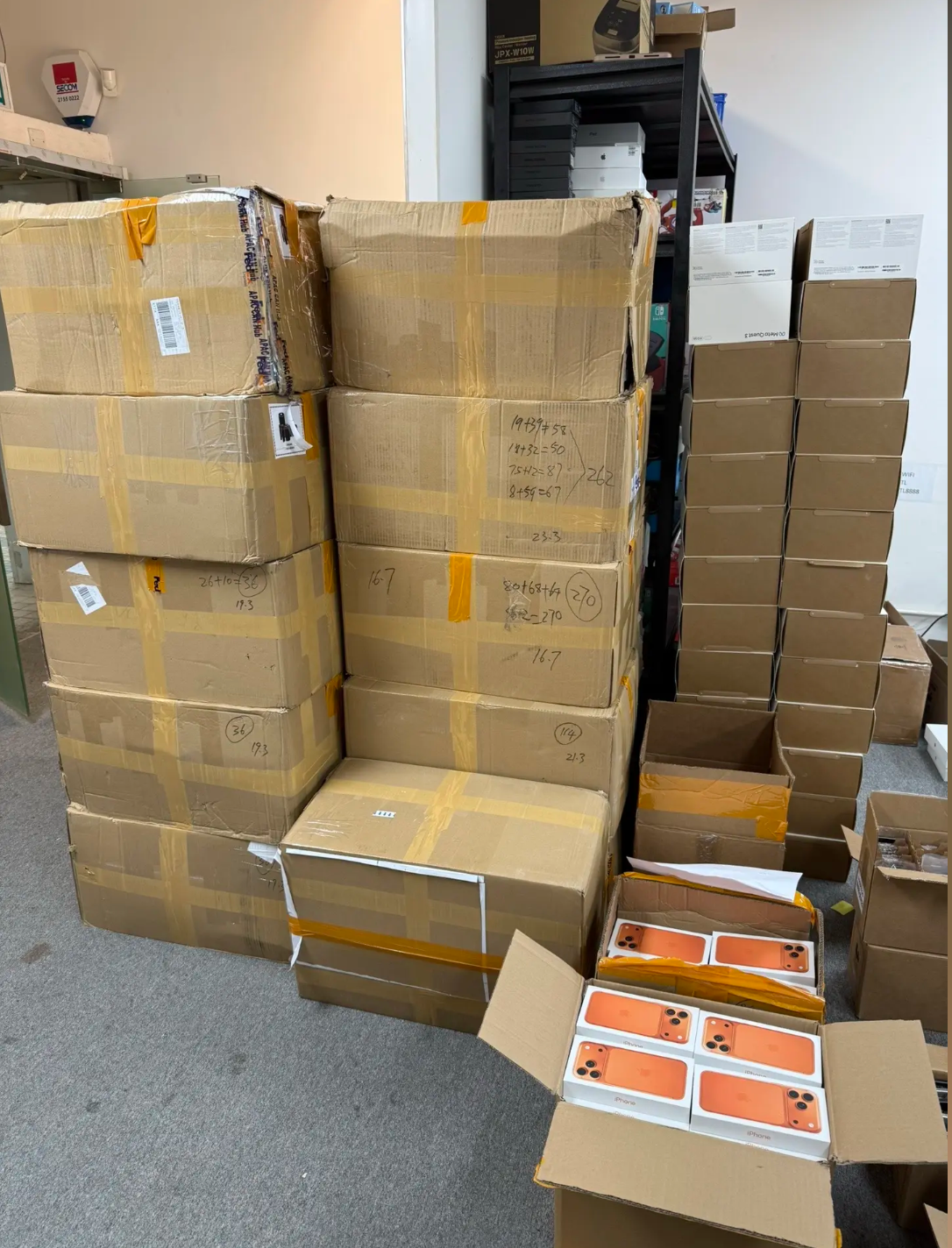
The purchase order turns the commercial discussion into an inspectable reference. It should identify not only price and quantity, but also the quality and traceability conditions that made the price acceptable. Match payment milestones to the evidence shared at each stage, and make sure any inspection or claim deadline is realistic for the shipment method and receiving process.
- Legal buyer and supplier details, date, and order reference
- Exact models, storage, grades, quantities, and prices
- Battery and parts-history expectations
- IMEI manifest and activation or carrier-status process
- Packaging and shipping requirements
- Payment milestones and bank details
- Inspection period and evidence required for a claim
- Rules for shortage, mismatch, replacement, credit, return, or refund
10. Check Shipping, Packaging, and Incoming-Inspection Support

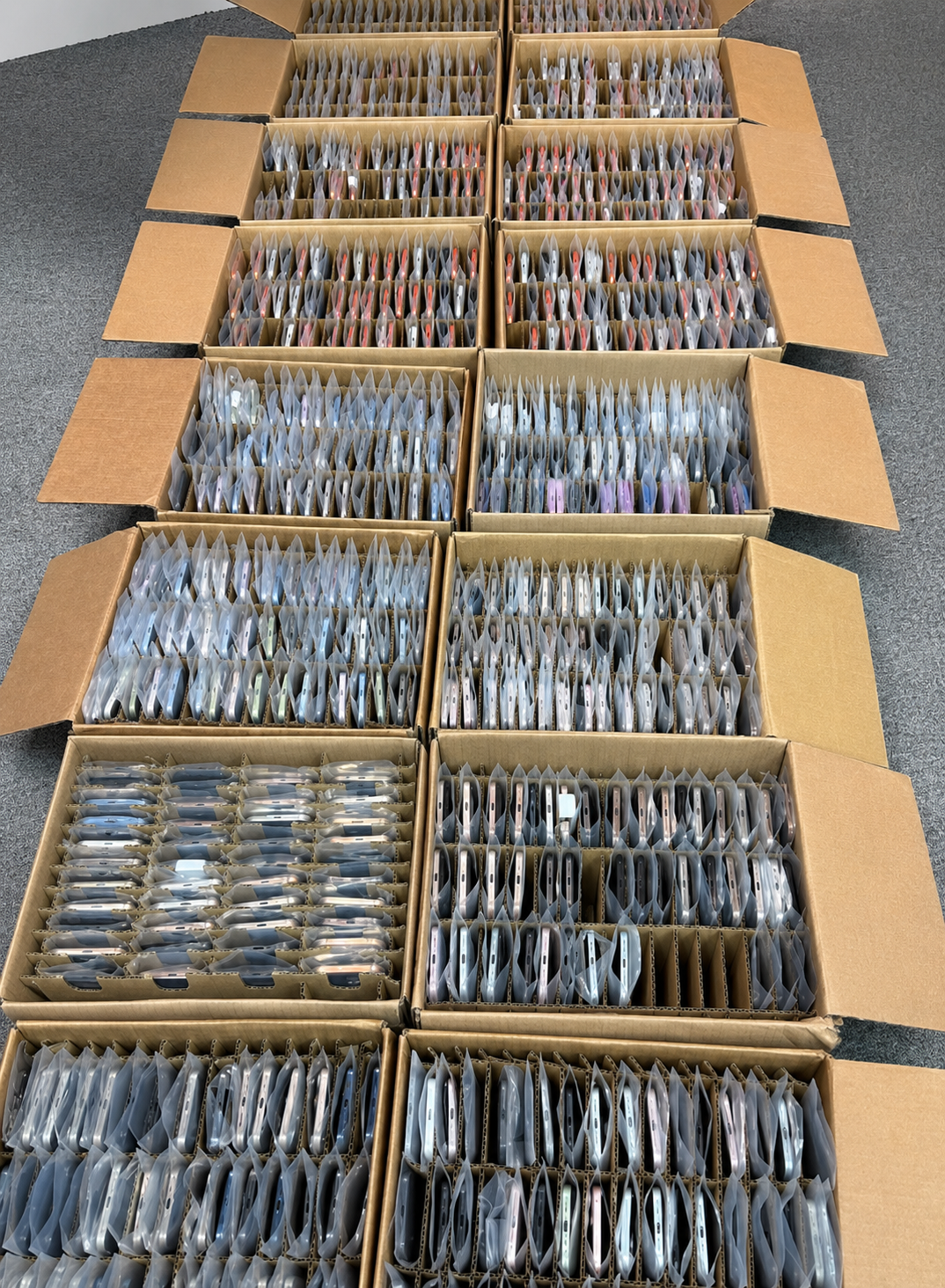
A good supplier supports a clean handover from warehouse to buyer. That includes labels that relate cartons to the shipment record, packaging that limits movement and moisture exposure, and a practical way to document a problem at arrival. Plan the receiving process before dispatch so staff know when to photograph cartons, reconcile counts, and test units.
| Shipping and receiving area | What to confirm |
|---|---|
| Shipment documents | Invoice, packing list, and shipping reference |
| Carton labels | Carton count and traceable labels |
| Packaging | Protection from impact, moisture, and transit movement |
| Insurance and risk | Responsible party and shipping terms |
| Inspection window | Time allowed for shortage or mismatch reporting |
| Evidence | Photos, video, test logs, and IMEI records |
| Claims response | Contact, resolution timeline, and available remedies |
11. Score Suppliers Before Choosing a Long-Term Partner

Use a documented scorecard to compare suppliers on the factors that will affect resale and reorder reliability. A score does not replace judgment, but it prevents one appealing feature—usually price or a fast reply—from overshadowing missing evidence. Update the score after every sample and delivery so the long-term decision reflects actual performance.
| Scorecard category | What good looks like |
|---|---|
| Business verification | Identifiable and accountable |
| Inventory traceability | Unit or lot is documented |
| Grade accuracy | Delivered devices match the written standard |
| Testing quality | Clear and consistent procedure |
| Device status | IMEI, lock, and carrier status documented |
| Battery and repair transparency | Honest, usable disclosure |
| Communication | Prompt, clear, and consistent |
| Claims | Fair and written process |
| Commercial value | Landed cost fits the actual market condition |
| Reorder consistency | Stable shipments over time |
Build an evidence folder for every supplier
Keep the same small folder structure for each potential partner: company verification, quotations, stock lists, grade policy, test policy, sample results, purchase orders, shipping records, and claims correspondence. This habit is simple, but it changes a sourcing decision from memory and impressions into a comparison your team can revisit. It also helps a new colleague understand why a supplier was approved and what conditions must remain true for the next order.
Date each file and record the person who supplied it. Inventory can move quickly, and an old manifest should not be mistaken for a live offer. If an offer changes, ask for a revised version rather than trying to reconcile different messages by hand. A supplier that manages its own information carefully makes this much easier.
Separate product risk from commercial risk
Product risk includes grade accuracy, battery condition, repair disclosure, locks, and functionality. Commercial risk includes payment timing, shipment responsibility, inspection time, and the remedy for an exception. Both deserve attention. A well-tested device is still a poor business outcome if the order does not state how a documented shortage will be handled; equally, a generous claim clause cannot make undefined grades acceptable.
Assign an owner internally for each area. Procurement may lead the commercial discussion, while a receiving or technical lead confirms the inspection method. When both people see the same written requirements before payment, fewer assumptions are carried into the arrival check.
Use a repeatable receiving routine
The first minutes after delivery create the strongest evidence if something is wrong. Before opening cartons, photograph external labels, carton count, seals, and visible transit damage. Open packages in a consistent sequence; preserve the packing material until counts and obvious mismatches have been recorded. Compare models, storage, grades, and IMEIs to the packing list before units become mixed with other inventory.
Then use a sampling plan or unit test plan that matches the order, destination market, and agreement. Record the test date, operator, device identifier, observed issue, and supporting photo or video. Separate a cosmetic difference from a functional failure and compare each against the written order condition. Clear receiving notes make a fair claim easier for both parties to review.
- Photograph the unopened cartons and labels.
- Count cartons and devices against the shipment documents.
- Reconcile identifiers before stock is redistributed.
- Apply the agreed grade standard under consistent lighting.
- Record functional, battery, lock, and parts-history exceptions.
- Notify the supplier within the agreed inspection window.
Measure the performance that affects your resale operation
Do not measure a supplier only by the number of units delivered. Track the rate of grade mismatch, battery exceptions, functional failures, identifier discrepancies, transit damage, and claim resolution time. These figures reveal whether the apparent unit price reflects the work required after receipt. They also make it easier to negotiate a realistic grade mix or price adjustment from evidence rather than frustration.
For repeat orders, note whether the supplier can maintain the same standard when model availability changes. A consistent partner may explain that supply is tighter or that a certain grade mix has shifted; the important point is that the change is disclosed before the buyer commits. Predictable, candid variation is manageable. Undisclosed variation is what damages a resale plan.
| Internal metric | Question to review after each order | Useful follow-up |
|---|---|---|
| Manifest accuracy | Did physical units and identifiers match the record? | Correct the reconciliation method before reorder |
| Grade accuracy | Did delivered cosmetics match the agreed definition? | Share examples and adjust the grade rule if needed |
| Functional pass rate | How many units needed rework or separation? | Review the supplier's test process and remedy |
| Claim response | Was the issue acknowledged and resolved on time? | Confirm the remedy in the next purchase order |
| Reorder stability | Did later lots perform as agreed? | Update the supplier score and volume plan |
Make the first large order deliberately manageable
After a successful sample, scale in a way that your receiving team, cash flow, and claims process can support. A staged order can be appropriate when the stock is mixed, the destination has specific carrier or eSIM requirements, or the supplier relationship is new. Ask whether the lot can be divided by model or grade, and define whether the manifest will be issued before dispatch, with dispatch, or through another agreed method.
The goal is not to create unnecessary paperwork. It is to ensure that the paperwork corresponds to an operational decision: what you are buying, how you will verify it, and what both sides will do when the shipment does not match. When that connection is clear, a supplier discussion becomes more efficient, not less.