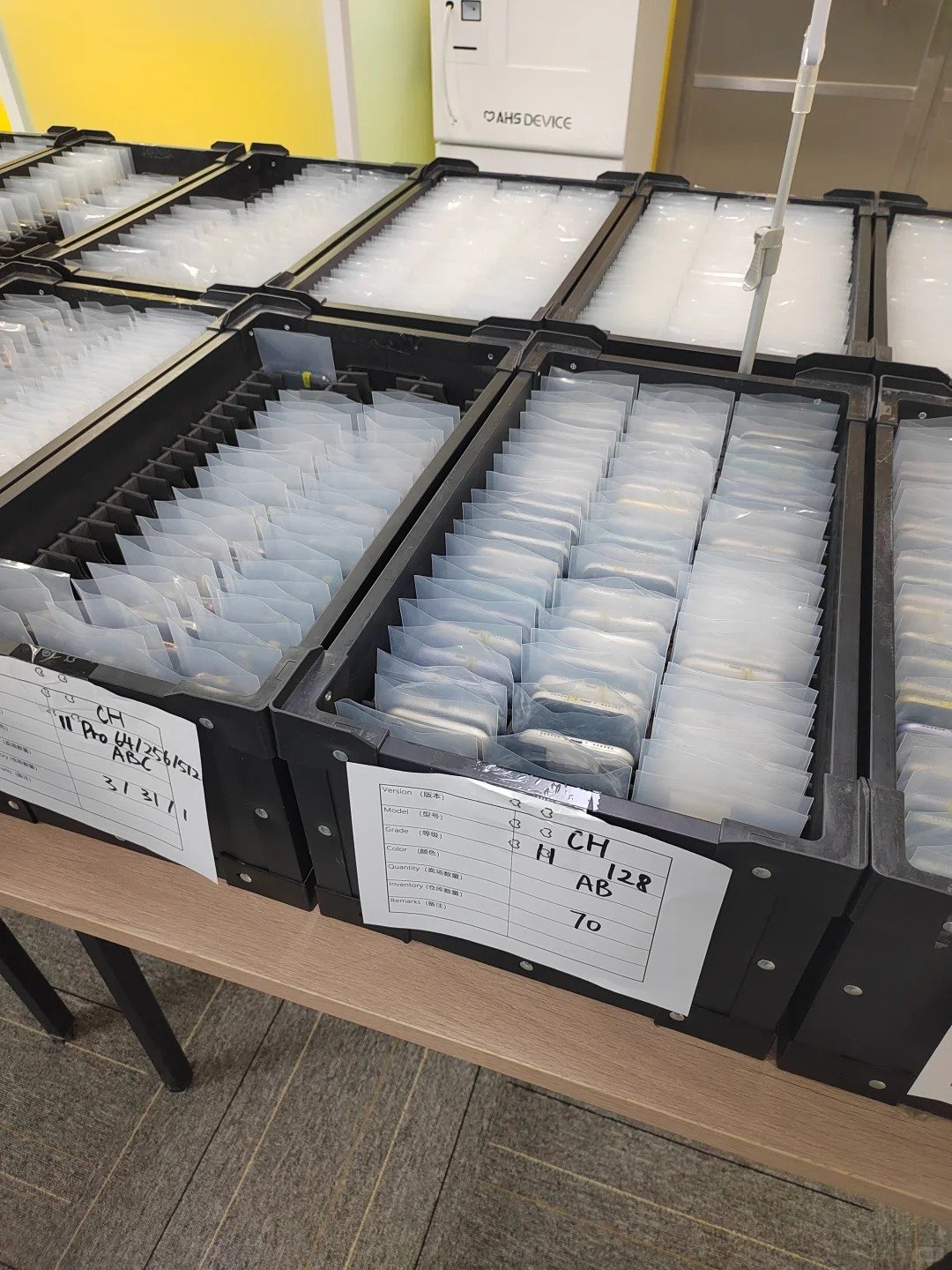
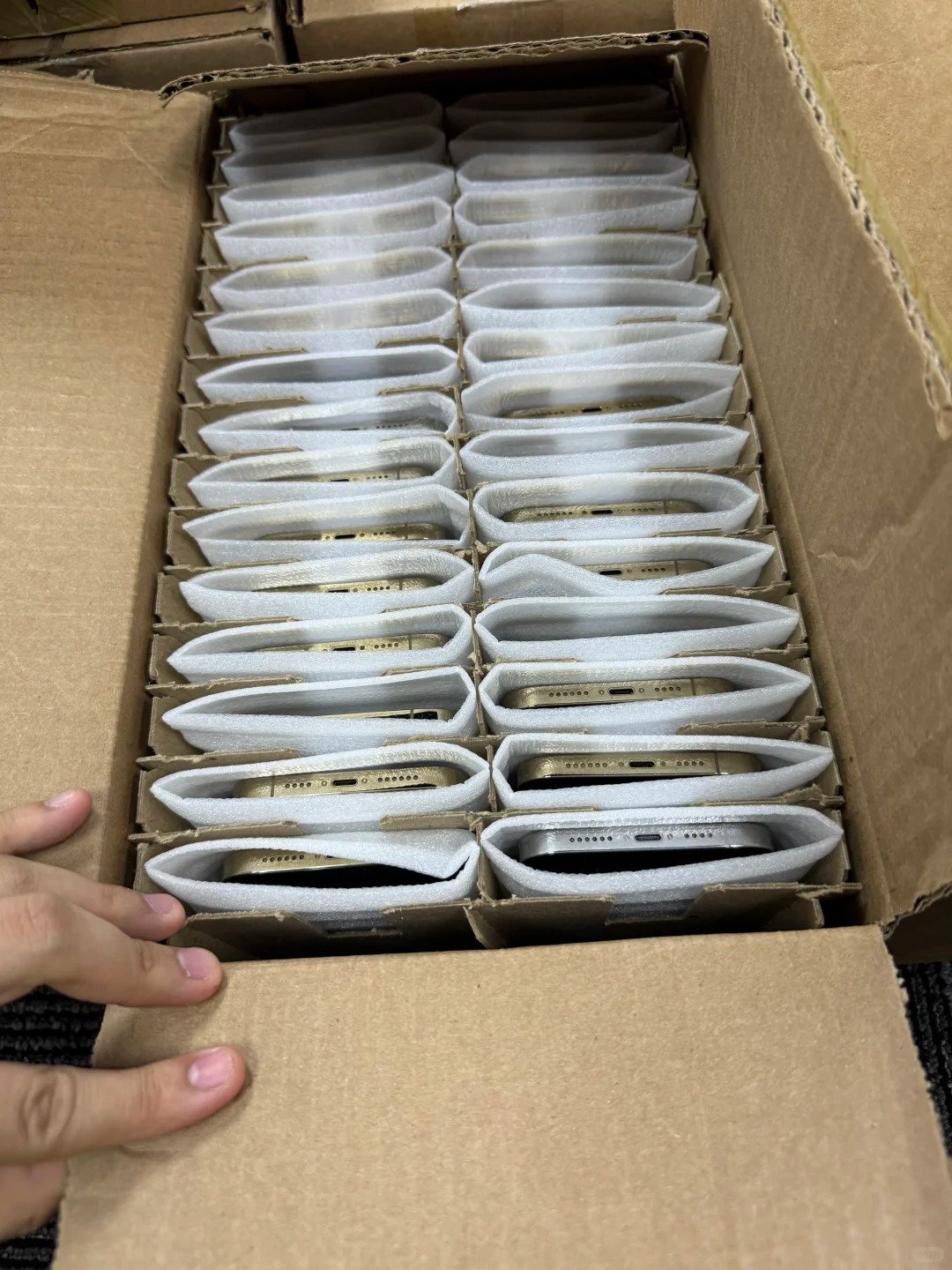
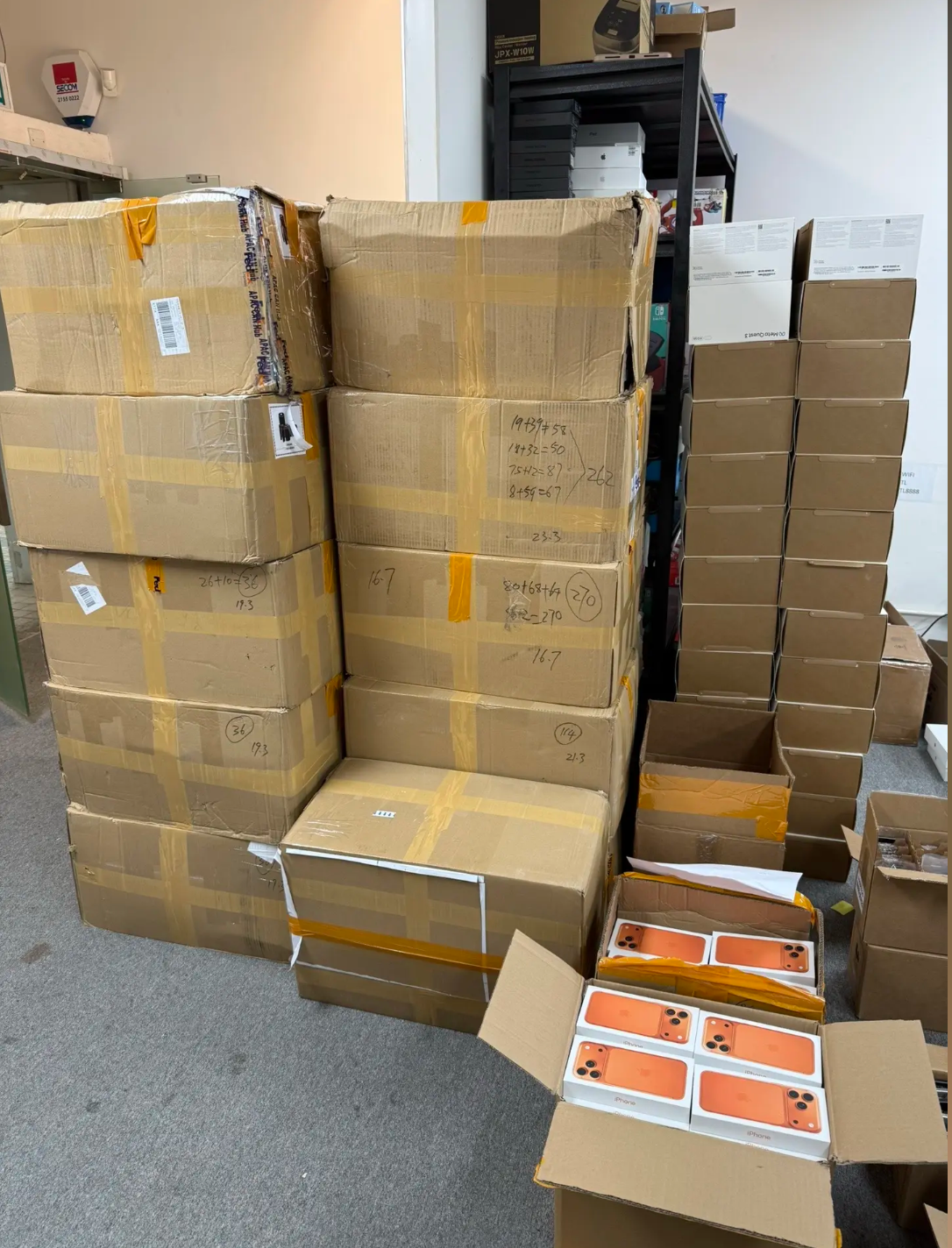
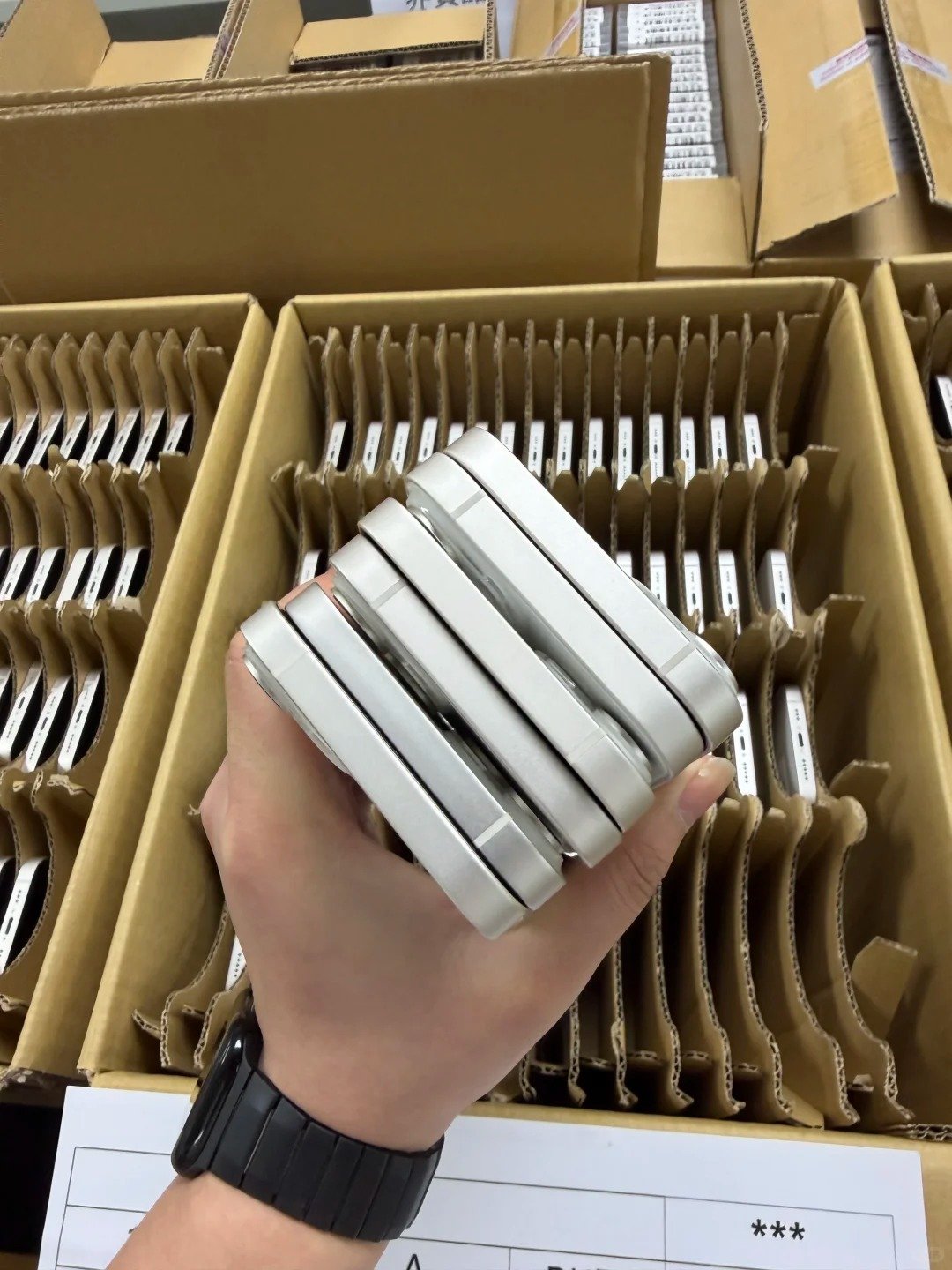
Practical process
How to Buy Wholesale iPhones With Confidence
1. Define Your Wholesale Buying Plan Before Requesting Quotes

Sourcing should begin with a written requirement, not a generic request for cheap iPhones. A defined buying plan lets suppliers quote the same scope and lets a buyer compare offers fairly.
Decide the limits before availability changes the conversation. This prevents a low-cost mixed lot from becoming stock that does not fit your sales channel or support capability.
Buyer-Specification Checklist
- Destination country and intended sales channel.
- Customer type: retailer, online seller, distributor, repair shop, or corporate buyer.
- Preferred iPhone generations, storage capacities, and quantity by model.
- Preferred grade mix and battery-health requirement or disclosed range.
- Carrier status plus SIM and eSIM requirements.
- Budget based on landed cost, not unit cost alone.
- Required shipping documents and inspection window.
Buyer action: issue one written specification before asking suppliers for a quote.
2. Select Models That Fit Your Local Market

Model selection should reflect demand, replacement-part availability, local pricing, software expectations, and network compatibility. HQB’s range naturally includes iPhone X, XR, XS, XS Max, iPhone 11 Series, iPhone 12 Series, iPhone 13 Series, iPhone 14 Series, iPhone 15 Series, iPhone 16 Series, and iPhone 17 Series.
| Buyer Segment | Suggested Model Direction | What to Prioritize |
|---|---|---|
| Entry-value resale | iPhone X, XR, XS, XS Max, iPhone 11 | Acquisition cost, usable condition, honest disclosure |
| Mid-market resale | iPhone 12 and iPhone 13 Series | Balanced price, features, customer demand |
| Higher-value retail | iPhone 14 and iPhone 15 Series | Cosmetic consistency, battery health, storage |
| Premium and business supply | iPhone 15 Pro, iPhone 16 Series, iPhone 17 Series | Configuration accuracy, condition, regional compatibility |
Model Selection Questions
- Which models sell fastest locally?
- What storage capacities do buyers request?
- Which models have affordable local repair support?
- What network bands and SIM/eSIM configurations are required?
- How much capital can be held in slower-moving premium stock?
3. Understand the Difference Between Used, Refurbished, and As-Is Stock

Labels do not describe the full condition of a device. Used, refurbished, customer-return, and as-is stock need a product-specific definition, evidence, and an acceptance process.
| Stock Category | What It Usually Means | What Must Be Confirmed |
|---|---|---|
| Used | Previously owned device with varying wear | Grade, test scope, battery, lock status |
| Refurbished | Inspected and potentially repaired | Standard, replacement parts, test records |
| Customer return | Returned after a previous sale | Return reason, included items, functional result |
| As-is | May have known or unknown issues | Defect type, working percentage, recovery assumptions |
| Mixed lot | Multiple models, conditions, or grades | Unit-level manifest and agreed grade mix |
Buyer action: only buy a category that matches your own testing and after-sales capability.
4. Evaluate the Supplier Before Comparing Prices

Assess supplier reliability before committing funds. A low quotation does not offset unclear identity, missing inventory evidence, inconsistent information, or no process for handling shortages and defects.
Supplier-Review Checklist
- Confirm legal business name and contact information.
- Review website, trade history, and consistent business identity.
- Request current inventory evidence, not only stock images.
- Ask for written grade definitions, testing, and battery policy.
- Confirm how Activation Lock and carrier status are checked.
- Clarify sample order, payment, shipping, and claims terms.
- Ask how wrong models, shortages, and defects are recorded and resolved.
5. Request a Complete Stock Manifest

A wholesale order should be traceable at unit level whenever possible. A manifest supports lawful verification, physical reconciliation, accurate resale listings, and quick identification of exceptions.
| Manifest Field | Why the Buyer Needs It |
|---|---|
| Model name and model number | Confirms exact regional variant. |
| Storage capacity | Prevents value and listing mismatches. |
| Color | Supports downstream listings. |
| IMEI or serial reference | Enables reconciliation and lawful verification. |
| Cosmetic grade | Confirms agreed condition level. |
| Battery result or policy | Supports pricing and buyer expectations. |
| Carrier and Activation Lock status | Helps prevent unusable devices. |
| Parts or repair note | Enables transparent disclosure. |
| Unit price and quantity | Supports purchase-order accuracy. |
Buyer action: compare an appropriate physical sample with the supplied manifest before dispatch when practical.
6. Verify IMEI, Activation Lock, and Carrier Status

IMEI, Activation Lock, and carrier status are separate checks. A clean-looking device can still be unsuitable for resale because of account, blacklist, or network restrictions.
Use only lawful, authorised checks. In Settings > General > About, “No SIM restrictions” is the built-in confirmation of current carrier-unlocked status. A device displaying “iPhone Locked to Owner” must not be treated as normal resale-ready inventory.
Verification Checklist
- Request the IMEI list before final payment.
- Match its count to the order quantity and a physical sample before dispatch where possible.
- Reconcile every received device with the manifest.
- Use legitimate destination-market carrier or status resources.
- Confirm no device shows “iPhone Locked to Owner” during setup.
- Document and quarantine every mismatch for resolution.
7. Agree on Grade, Battery, and Functional Testing Standards

Grade A, Grade B, Like New, Excellent, and Good are supplier-specific descriptions, not global standards. Agree a written definition with allowed wear, test scope, battery treatment, parts disclosure, and an exception process.
Cosmetic grade does not prove battery health, repair history, or functions. An “Unknown Part” result needs investigation and transparent disclosure, but it does not automatically make every replaced part or iPhone unusable.
| Grade | Cosmetic Expectation | Functional Expectation | Buyer Requirement |
|---|---|---|---|
| Like New / Premium | Very limited wear | Fully functional | Define marks and request photos. |
| Grade A / Excellent | Light signs of use | Fully functional | Agree wear limits and test scope. |
| Grade B / Good | Visible acceptable wear | Functional unless stated | Confirm scratches, scuffs, frame wear. |
| Grade C / Fair | Heavier visible wear | Functional unless stated | Require defect disclosure. |
| As-is | Varies by device | Not guaranteed | Buy only with fault categories. |
Quality-Control Checklist
- Display brightness, touch response, dead pixels, and True Tone where applicable.
- Cameras, flash, focus, video, Face ID or Touch ID, audio, buttons, and charging.
- Wi-Fi, Bluetooth, cellular, GPS, Battery Health, and charging behaviour.
- Liquid damage, swelling, frame damage, repair quality, and Parts and Service History.
- Any “Unknown Part,” “Used,” or repair message needing disclosure.
8. Use Sample Orders to Test the Trading Relationship

A sample order tests whether the supplier’s documents, grade definition, battery policy, and quality claims match actual devices. It gives a buyer a practical baseline before adding volume.
Sample-Order Checklist
- Include multiple models and grades from the intended mix.
- Compare devices with grade definitions and match IMEIs with the manifest.
- Test major functions and lock status.
- Inspect packaging and shipment protection.
- Assess the response if an issue appears.
- Record landed cost and preparation time.
- Use results to decide whether to scale.
9. Calculate Landed Cost and Risk Allowance

A low unit price can be misleading when freight, taxes, testing, repairs, returns, and defects are ignored. Prices vary by country, currency, model, storage, grade, battery condition, repair history, status, seller support, and market timing.
| Cost Area | Questions to Ask |
|---|---|
| Purchase price | Is the quote tied to defined model, grade, and battery policy? |
| Freight and insurance | Who arranges transport and bears transit risk? |
| Taxes and compliance | What destination-country costs or approvals apply? |
| Payment fees | Are banking, currency, platform, or escrow charges included? |
| Testing and sorting labour | How much time is needed to prepare units? |
| Repair reserve | What defect allowance fits this stock type? |
| Packaging and accessories | Are chargers, boxes, or materials included? |
| Claim logistics | What costs arise from return or replacement? |
10. Confirm Commercial Terms in a Written Purchase Order

The purchase order converts verbal promises into measurable requirements. It should describe what will be shipped, how it will be assessed, when the buyer can inspect, and what happens when the scope is not met.
Purchase-Order Checklist
- Buyer and supplier details, order number, and date.
- Model, storage, colour, grade, quantity, and unit price.
- Grade definitions, defect criteria, and battery policy.
- IMEI manifest, Activation Lock, and carrier-status requirements.
- Packaging, shipment, delivery, payment milestones, and inspection deadline.
- Process for shortages, mismatch, defects, replacement, return, credit, or refund.
11. Inspect Every Delivery Promptly

Receiving protects cash flow and the supplier relationship. Count, inspect, test, and reconcile the order within the agreed inspection window before devices enter existing stock or are listed for resale.
| Step | Buyer Action | Evidence to Save |
|---|---|---|
| 1 | Count cartons against documents | Carton count and arrival photos |
| 2 | Inspect packaging before opening | Damage photos or video |
| 3 | Scan or record each device | IMEI and serial log |
| 4 | Compare units with manifest | Model, storage, colour, grade record |
| 5 | Test core functions | Functional test notes |
| 6 | Review battery, parts, and lock status | Exception report |
| 7 | Separate approved and disputed stock | Quarantine list |
| 8 | Submit claims promptly | Written summary and evidence |
12. Measure Supplier Performance Before Reordering
Each order should create data for the next decision. A supplier scorecard turns general impressions into evidence about delivered quality, accuracy, and commercial value.
| Performance Area | Example Measure |
|---|---|
| Manifest accuracy | Percentage matching supplied records |
| Grade accuracy | Percentage matching cosmetic standard |
| Functional pass rate | Percentage passing required test scope |
| Battery consistency | Percentage meeting agreed policy |
| Lock-status compliance | Percentage free from undisclosed issues |
| Packaging quality | Transit-damage rate |
| Communication quality | Accuracy and speed of responses |
| Claims handling | Fairness and speed of resolution |
| Commercial value | Landed cost versus sell-through |
Buyer action: review the scorecard by supplier and stock category before increasing volume.
| Decision Point | Minimum Evidence | Commercial Response |
|---|---|---|
| New supplier | Business identity, current inventory evidence, written grade policy, small sample | Limit first volume and test the receiving process. |
| Mixed-grade lot | Agreed grade mix, unit or batch manifest, representative condition evidence | Price by the disclosed mix and hold unexplained exceptions. |
| Battery exception | Battery Health screen where available, charging observation, disclosed policy | Route to the correct resale channel or adjust the purchase decision. |
| Parts-history result | Available Parts and Service History, supplier explanation, functional check | Investigate and disclose; do not make an automatic assumption. |
| Carrier or region concern | Settings result, regional model information, destination-market requirements | Quarantine until suitability is confirmed independently. |
| Shipment mismatch | Manifest comparison, arrival evidence, inspection record | Use the written claims process within the agreed time. |
International buyers should keep destination responsibilities visible throughout the order. An iPhone configuration suitable for one channel may not suit another because import procedures, taxes, radio rules, language expectations, carrier arrangements, or physical SIM and eSIM requirements differ. HQB can discuss product scope and available information, while the buyer remains responsible for independently confirming the legal, regulatory, and commercial requirements of the destination country.
Finally, retain a realistic view of used-device risk. A strong process improves visibility, but it does not create a guarantee that every device will be identical or that every model will resell at the same pace. The objective is to source stock with a transparent standard, find exceptions early, price honestly, and build supplier relationships on records rather than assumptions.