
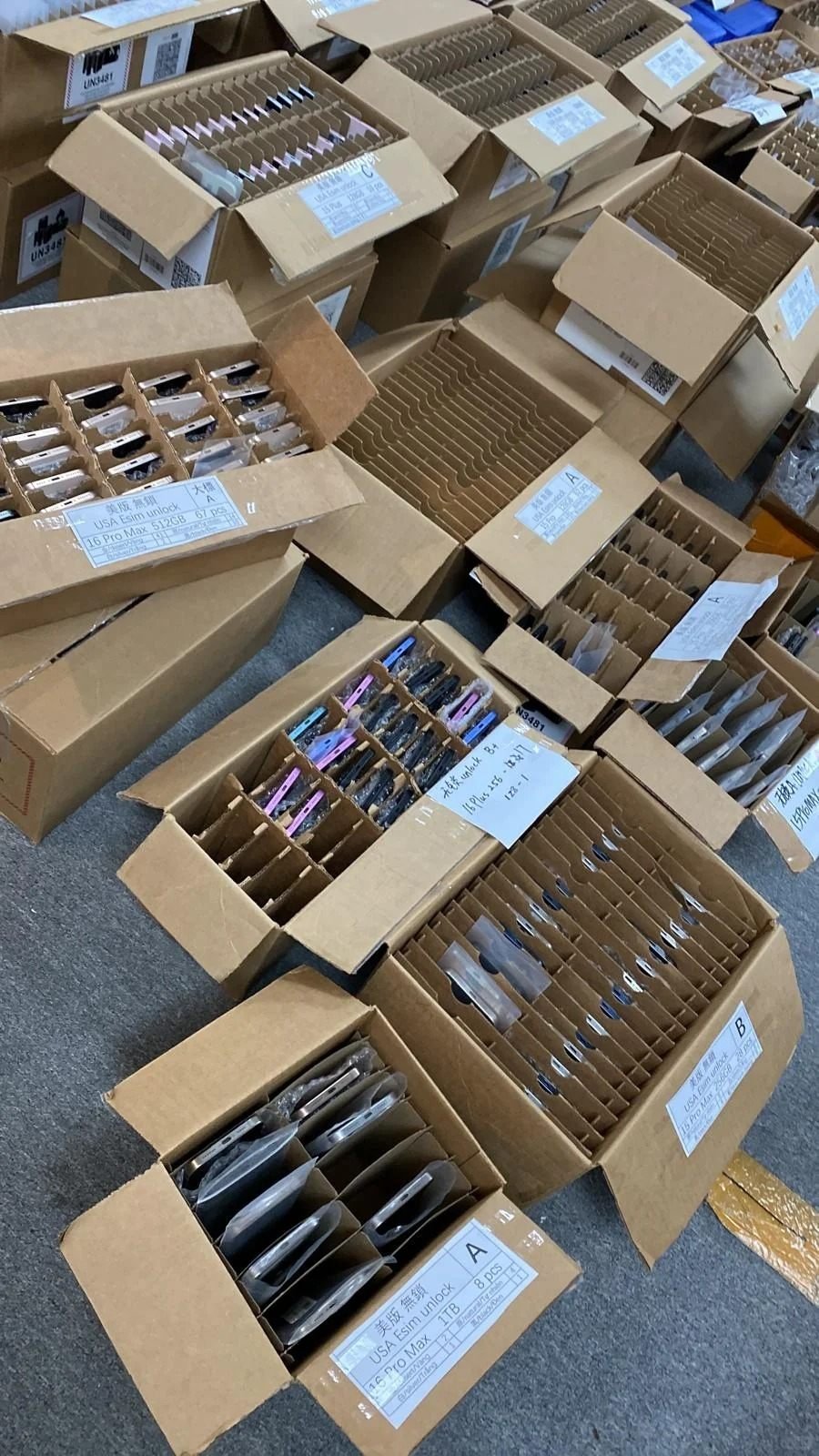
Overview

Physical appearance is only one part of used iPhone condition. Scratches, scuffs, dents, display marks, or housing wear can help describe presentation, but they do not answer every question a buyer may have about a device. Functional behavior should be considered separately from cosmetic wear.
Available battery, parts, and service information can help buyers ask better questions. Product identity, activation status, configuration, documentation, and commercial terms should also be confirmed before purchase, especially when a business is evaluating more than one device or a B2B lot.
- Confirm product identity before judging condition.
- Separate cosmetic observations from functional information.
- Ask for available battery, parts, and service details.
- Match product details with commercial documentation.
| Review area | Why it matters |
|---|---|
| Product identity | Ensures the reviewed item matches the model and scope discussed. |
| Condition information | Provides a defined basis for cosmetic and functional questions. |
| Commercial record | Connects the product discussion to the proposed order. |
Key point: A used iPhone should be reviewed as a complete product record, not only as a cosmetic object.
Apple Support provides an example of why physical condition and functionality should be inspected where possible.
Model and Release Cycle

Condition checks should begin by confirming that the product being reviewed matches the product being discussed or quoted. Start with the exact iPhone model, configuration details, storage where relevant, product version or market information, intended market, quantity, and any seller-provided identifiers that are appropriate to the transaction.
For B2B orders, a sample image, representative image, and actual-unit image can mean different things. Ask which one is being supplied. Product identity and condition are linked, but they remain separate questions: a clear cosmetic description is not enough if the product scope itself is unclear.
Product Identity Checklist
- Exact iPhone model
- Configuration details
- Product version or market information
- Match between product description and quotation
- Actual-unit or representative image status
- Quantity and lot scope for B2B orders
Storage and Product Configuration

Review the front glass, display surface, rear housing, camera area, frame, corners, buttons, ports, and signs of damage or prior opening. Record cosmetic findings clearly instead of reducing the condition to vague labels such as “good condition.” A seller’s written description should explain what it includes and excludes.
Apple Support recommends inspecting the sides and back for scratches, scuffs, and dents. That is a useful starting point, but exterior inspection alone does not prove internal condition, parts history, future reliability, or market suitability. It is one part of a wider used iPhone inspection checklist.
| Area | What to Review | Questions for the Seller |
|---|---|---|
| Front glass | Scratches, chips, cracks, and visible marks. | What marks are accepted or excluded? |
| Display edges | Alignment, chips, and housing separation. | Is any relevant information documented? |
| Rear housing | Scuffs, dents, finish wear, and damage. | How is rear wear described? |
| Camera lenses and camera area | Visible marks or surrounding wear. | What condition information is available? |
| Frame and corners | Impacts, scratches, and dents. | Which defects are excluded? |
| Buttons | Surface wear and alignment. | Is function described separately? |
| Charging port | Visible debris, marks, or damage. | What charging information is available? |
| SIM tray or openings | Exterior condition where applicable. | What configuration applies? |
Condition Definition

Display inspection should cover visible condition and usable behavior. Separate surface issues, such as scratches, chips, brightness irregularities, or unusual marks, from functional questions about touch response, image quality, and unexpected display behavior. A clear screen surface does not itself confirm how the display works.
When the buyer can access a device, review the screen consistently across its surface and confirm what information is available about any repair or replacement. For remote or bulk sourcing, ask the seller how display information is documented and whether the information applies to the actual unit, a lot, or a general product category.
Display Review Checklist
- Screen surface appearance
- Display brightness and color consistency
- Dead pixels, lines, or unusual marks
- Touch response across the screen
- Front camera and sensor area appearance
- Alignment between screen and housing
- Seller-provided display or parts information
Functional, Battery, and Parts Information

A physical inspection should be supported by a practical functional review where possible. The exact checks available depend on the buyer’s access, iPhone model, software version, product condition, and seller policy. A functional check is not a permanent reliability guarantee, but it can identify the questions that need written clarification.
Review cameras, flash, speaker and microphone behavior, buttons, vibration or haptic response, charging, and available wireless information. Face ID or Touch ID may be relevant where applicable. Keep the questions tied to the buyer’s product scope and destination market rather than treating a generic checklist as a complete test program.
| Function Area | Practical Review | Buyer Follow-Up Question |
|---|---|---|
| Cameras | Review available camera information or use where access allows. | What camera information applies to the device or lot? |
| Flash | Review available operation information. | Is related functional information supplied? |
| Speaker and microphone | Review available audio information. | How is this information described? |
| Buttons | Consider response separately from visible wear. | Are response details supplied? |
| Vibration or haptic response | Review where access allows. | What is represented by the seller? |
| Charging | Review charging behavior information. | Does it apply to actual products? |
| Wi-Fi and cellular-related information | Confirm relevant market and configuration details. | What must the buyer verify independently? |
| Bluetooth-related information | Review available information where relevant. | Is it part of the product description? |
| Face ID or Touch ID | Review only where applicable. | Is relevant status represented? |
Swappa’s inspection guide and testing guide are examples of practical reviews extending beyond exterior appearance.
Lot Composition and Consistency

Battery information should be reviewed separately from cosmetic grade. Ask what battery information is available, whether it applies to the actual device or product lot, and whether charging behavior has been described. The relevance of that information depends on the buyer’s intended market and product requirements.
A buyer should not use a single appearance label as a substitute for battery information. Keep the conversation specific to the quoted scope, and confirm how supplied information is reflected in the product description and commercial record.
Battery and Charging Questions
- What battery information is available?
- Does it apply to the actual unit or product lot?
- Is any battery-related service message reported?
- Is charging behavior described?
- Are accessories included, excluded, or unspecified?
- What commercial terms apply if information differs from the order description?
Market Demand and Timing

Available parts and service information can help buyers understand whether relevant repairs or component replacements are represented. Apple’s support guidance discusses Parts and Service History and notes that an “Unknown” part label may relate to incomplete installation, a nongenuine part, a previously used part, or an unexpected function issue.
Review available device information and ask the seller for clarification where relevant. Do not diagnose a device from a single label, treat every repair as negative, or state that any part is genuine without verified documentation. The purpose is to understand the seller’s represented product information.
| Topic | Buyer Question |
|---|---|
| Display information | What display information is available for the product scope? |
| Battery information | What battery-related information is represented? |
| Camera information | What camera-related information is available? |
| Seller-reported repairs | What repairs, if any, are disclosed? |
| Available service history | Which information can be provided? |
| Parts-related notices | What clarification is available? |
| Product description alignment | Does written information match the quotation scope? |
Complete Commercial Cost

Buyers should confirm that an iPhone can be appropriately prepared for the intended buyer or destination market. The discussion may include account and activation status, carrier or network requirements, region or configuration considerations, and local market requirements. These details are separate from exterior condition.
Use lawful, authorized verification methods and confirm relevant status with the seller. Buyers must not attempt to bypass account security, activation controls, carrier restrictions, or device protections. The buyer remains responsible for confirming destination-market, regulatory, and commercial requirements.
Before Purchase Confirmation
- Seller confirms the device is ready for lawful resale
- Relevant account or activation status is addressed
- Configuration is suitable for the intended market
- Carrier or network requirements are understood
- The buyer’s destination-market requirements are reviewed
- Product documentation and commercial terms are confirmed
How to Compare Wholesale Price Lists

A used iPhone condition review should connect the physical product to the commercial record. Compare quotation scope, product description, condition definition, quantities, documentation requirements, payment terms, shipping scope, claims procedure if offered, and destination-market obligations. Each item helps explain the actual purchase discussion.
Documents do not replace a product check, and product checks do not replace a written commercial agreement. Both should be considered before transaction. For a B2B order, confirm whether product information applies to individual units, a defined lot, or a representative sample.
Document Match Checklist
- Model and configuration
- Product condition definition
- Functional information supplied
- Battery or parts information supplied
- Quantity and product mix
- Quotation scope
- Invoice and packing requirements
- Buyer’s import and compliance responsibilities
Requesting a Clear Wholesale Quotation
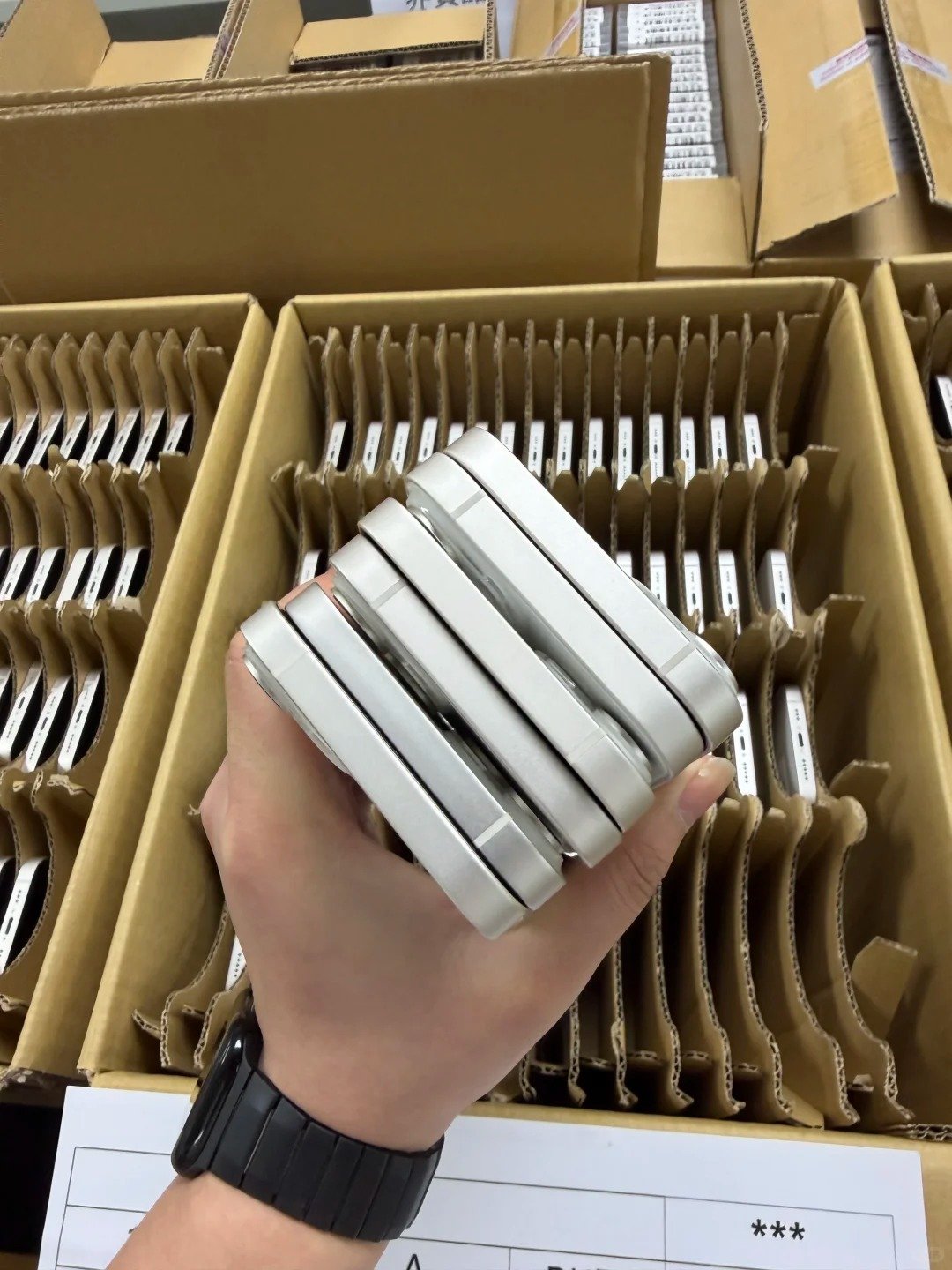
This complete used iPhone inspection checklist organizes the major questions before a sourcing decision. It is educational information, not legal, tax, customs, technical-repair, or compliance advice. Adapt it to your transaction, market, and product scope.
Exterior Review
- Front glass
- Display edges
- Rear housing
- Cameras
- Frame and corners
- Buttons and ports
Functional Review
- Display and touch response
- Cameras and flash
- Audio and microphone
- Charging
- Connectivity information
- Biometric feature status where applicable
Product Information
- Model and configuration
- Intended market
- Available condition definition
- Available battery information
- Available parts and service information
Commercial Review
- Quotation scope
- Product quantity
- Documentation
- Payment terms
- Shipping scope
- Commercial protections if offered
Independent Buyer Checks
- Supplier verification
- Destination-market requirements
- Import and compliance checks
- Payment review
- Shipment review
Discussing Price Requirements With HQB

HQB is a Shenzhen-based B2B iPhone wholesale supplier. Buyers can share requested models, product scope, sourcing requirements, and questions about available product information. This helps frame a practical inquiry for distributors, wholesalers, retailers, importers, online sellers, and mobile-device businesses.
Product condition, configuration, current availability, battery information, parts information, destination-market suitability, documentation, and commercial terms must be confirmed before purchase. HQB does not state a specific inspection process, condition grading system, testing service, warranty, or compliance service on this article.
HQBHuaqiangbei, H1091, Manha Commercial Plaza, No. 2022 Huaqiang North Road, Futian District, ShenzhenPhone: +8617374267737WhatsApp: +8617374267737sales@usedphonehqb.comFrequently Asked Questions

What should I check first on a used iPhone?
Start by confirming the exact iPhone model, configuration, and product scope. Then compare the product description with the available condition information, actual-unit details where available, quotation, and intended market requirements. A used iPhone condition review should begin with product identity before cosmetic or functional evaluation.
Is checking the exterior enough to assess a used iPhone?
No. Exterior inspection is important, but it does not confirm display behavior, cameras, audio, charging, battery information, parts history, activation status, configuration, or commercial terms. Buyers should combine cosmetic review with functional information, documented product details, and independent commercial verification before purchasing.
What should I inspect on the outside of a used iPhone?
Review the front glass, display edges, rear housing, camera lenses, camera area, frame, corners, buttons, charging port, and other visible openings where applicable. Ask the seller how scratches, dents, scuffs, chips, screen marks, or other cosmetic findings are defined within the product description.
Should I ask about battery information?
Yes. Battery information should be reviewed separately from cosmetic grade. Buyers should ask what battery information is available, whether it applies to the actual unit or lot, whether any battery-related message is reported, and how the information is reflected in the product description and quotation.
Why are parts and service details relevant?
Parts and service information can help buyers ask clearer questions about a device’s represented history. Apple provides Parts and Service History information on supported devices. Buyers should review available information, ask sellers for clarification where needed, and avoid assuming that a cosmetic grade answers parts-related questions.
What does activation status mean for used iPhone sourcing?
Activation and account status can affect whether a device is suitable for lawful resale or the intended buyer. Buyers should use authorized verification methods, confirm relevant status with the seller, and never attempt to bypass account security, carrier restrictions, or device protections.
What documents should B2B buyers review?
Buyers should compare the product description, condition definition, available functional information, quantity, quotation scope, payment terms, shipping scope, invoice requirements, packing requirements, and destination-market obligations. Written documents should match the product scope, but they do not replace independent product and supplier verification.
Can HQB discuss used iPhone sourcing requirements?
HQB can discuss requested iPhone models, product scope, current availability, inquiry requirements, and quotation information. Buyers should provide clear requirements and confirm condition, configuration, product information, market suitability, documentation, and commercial terms before placing an order.

Conclusion
Checking a used iPhone’s condition requires a complete review of product identity, exterior condition, functional behavior, battery information, available parts information, activation status, documents, and commercial terms. No single observation or seller label answers every question.
A buyer can use this process to frame a focused, like-for-like comparison. Written product information and independent verification remain important before a transaction, particularly when the intended market has its own technical, import, or commercial requirements.
- Confirm the exact product scope
- Separate cosmetic and functional checks
- Review available battery and parts information
- Match the product to written documents
- Complete independent verification before transaction
Contact HQB to discuss iPhone model requirements and quotation scope relevant to your B2B sourcing inquiry.
Discuss Your iPhone Sourcing Needs
Distributors, wholesalers, retailers, importers, and online sellers can send HQB their iPhone model requirements and relevant sourcing details. HQB can use the inquiry to discuss product scope, current availability, relevant product information, and quotation requirements. Include the models and questions most relevant to your business discussion.

Related Articles
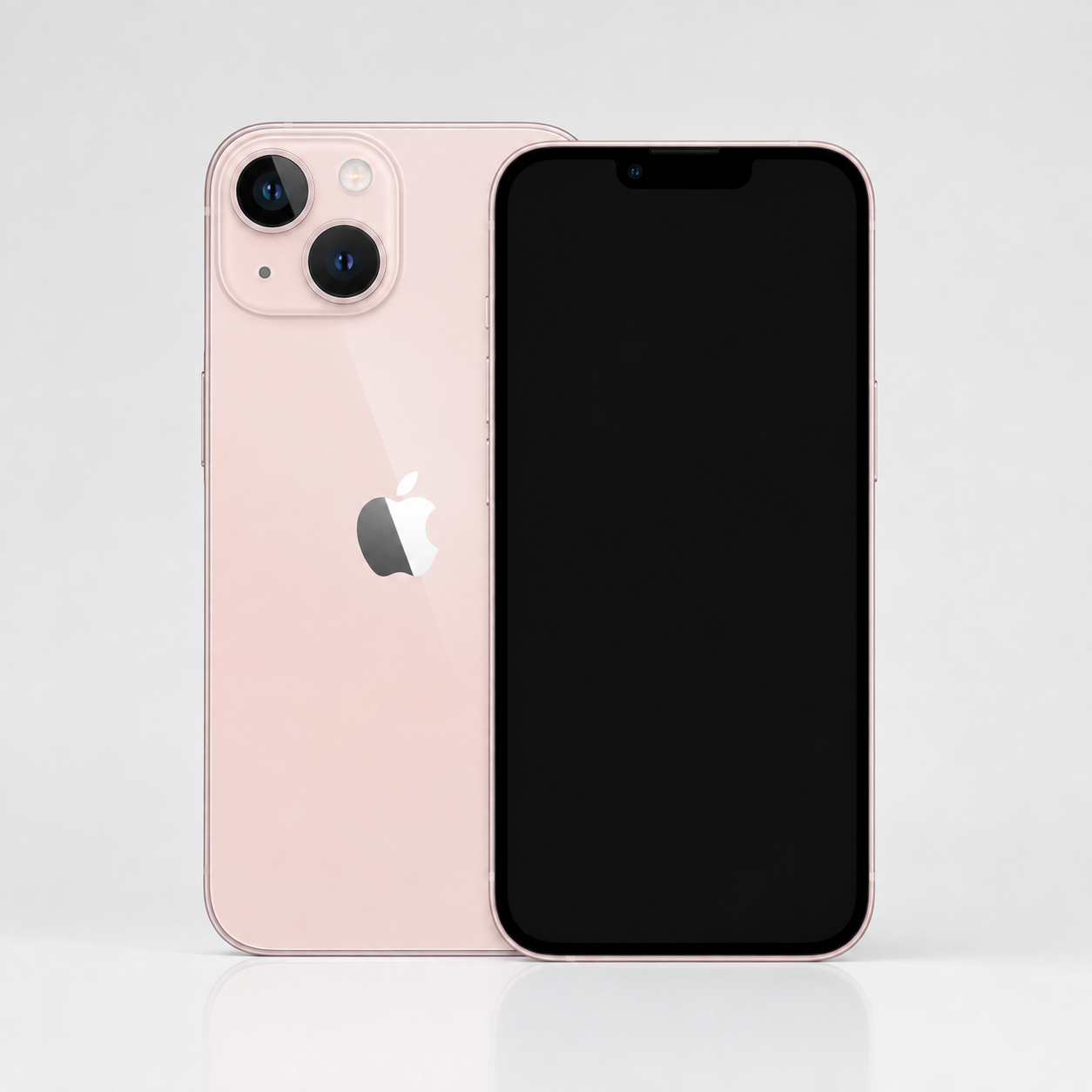
Pre-Owned vs. Refurbished iPhones
Learn how pre-owned and refurbished labels differ, and what B2B buyers should confirm before sourcing.
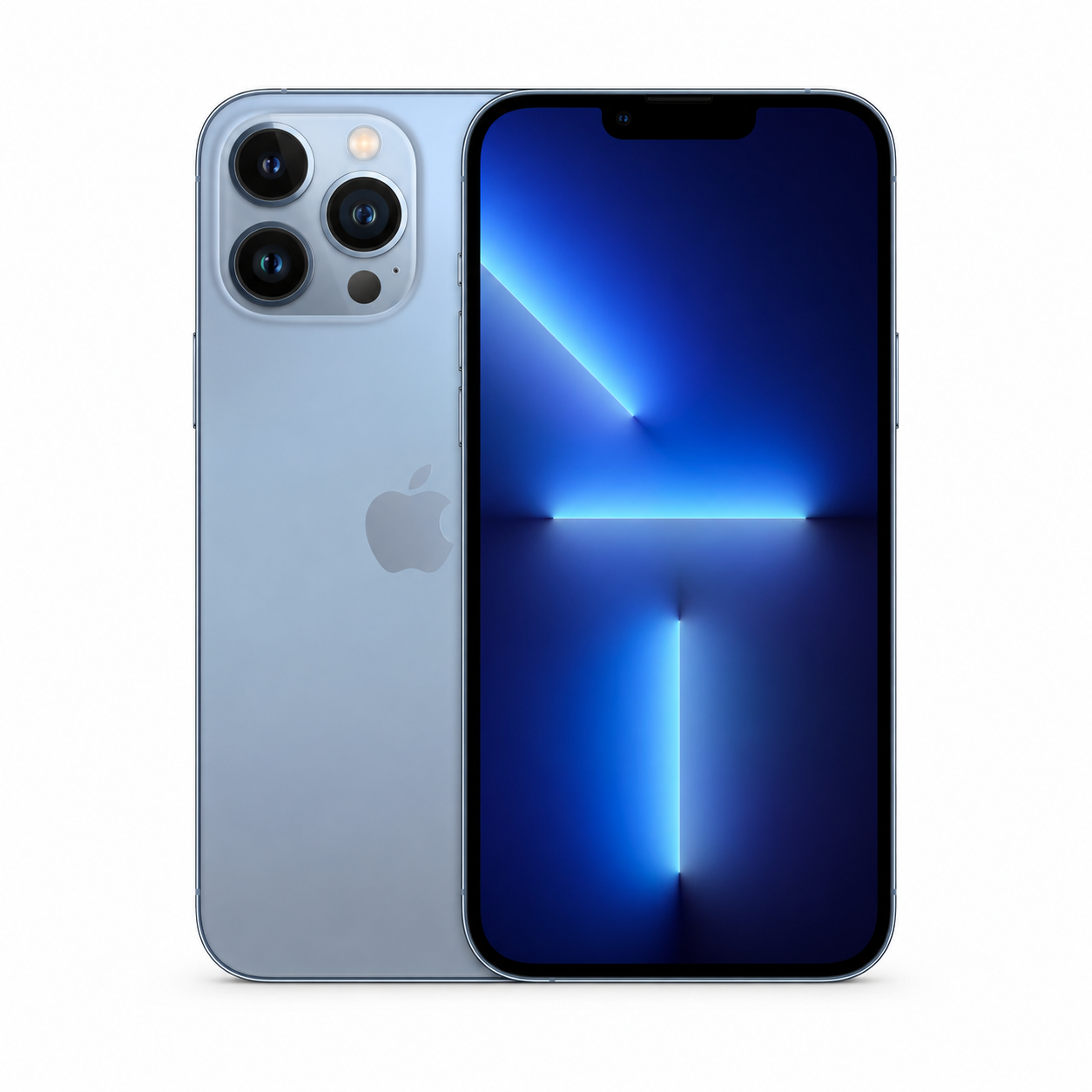
iPhone Condition Grades Explained
Understand why Grade A, Grade B, and Grade C labels require written seller definitions.
iPhone Wholesale Sourcing Checklist
Key product, supplier, documentation, and commercial questions for B2B iPhone sourcing.
iPhone and Apple are trademarks of Apple Inc. HQB is an independent B2B supplier and is not affiliated with or endorsed by Apple Inc.