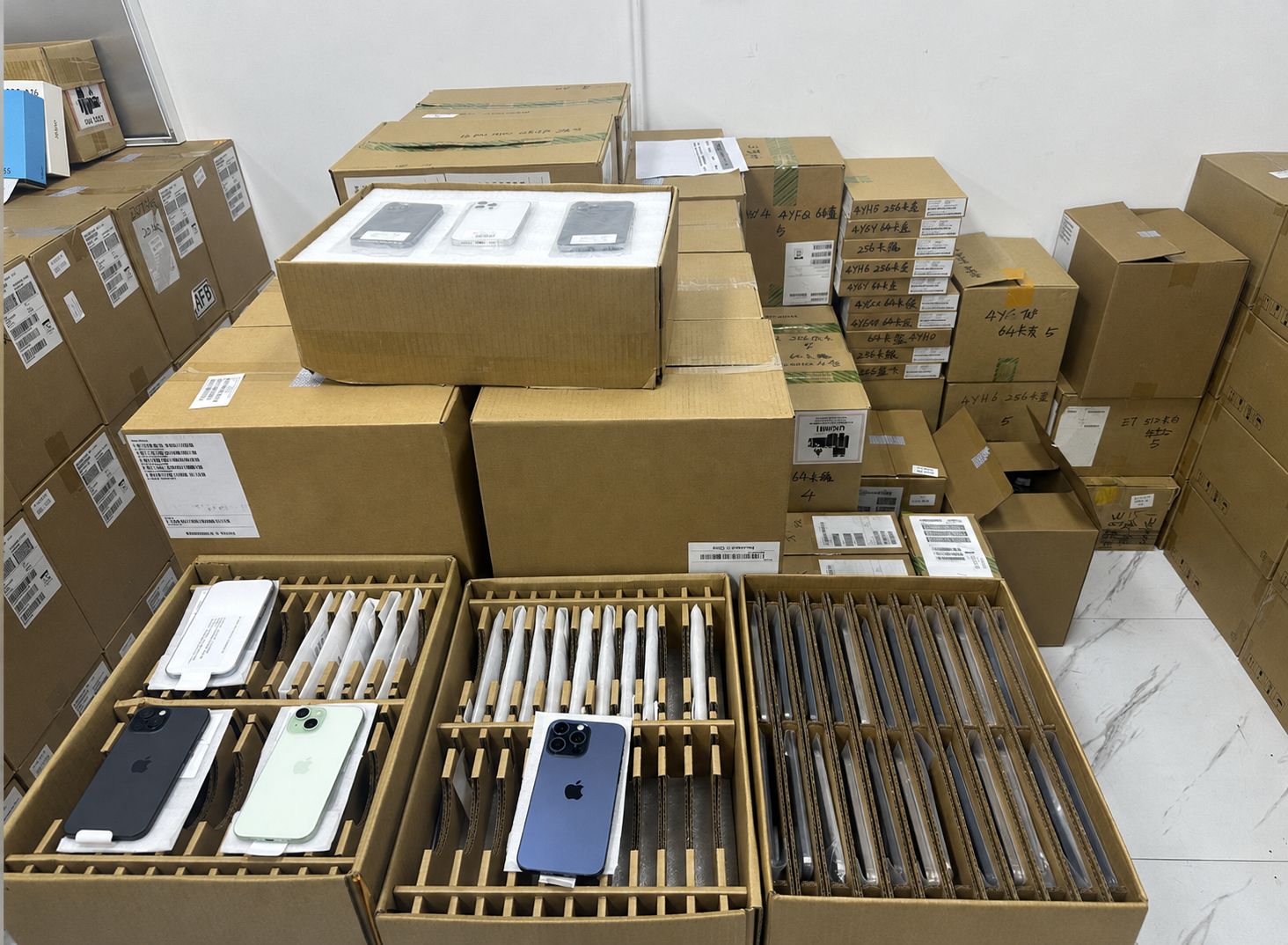
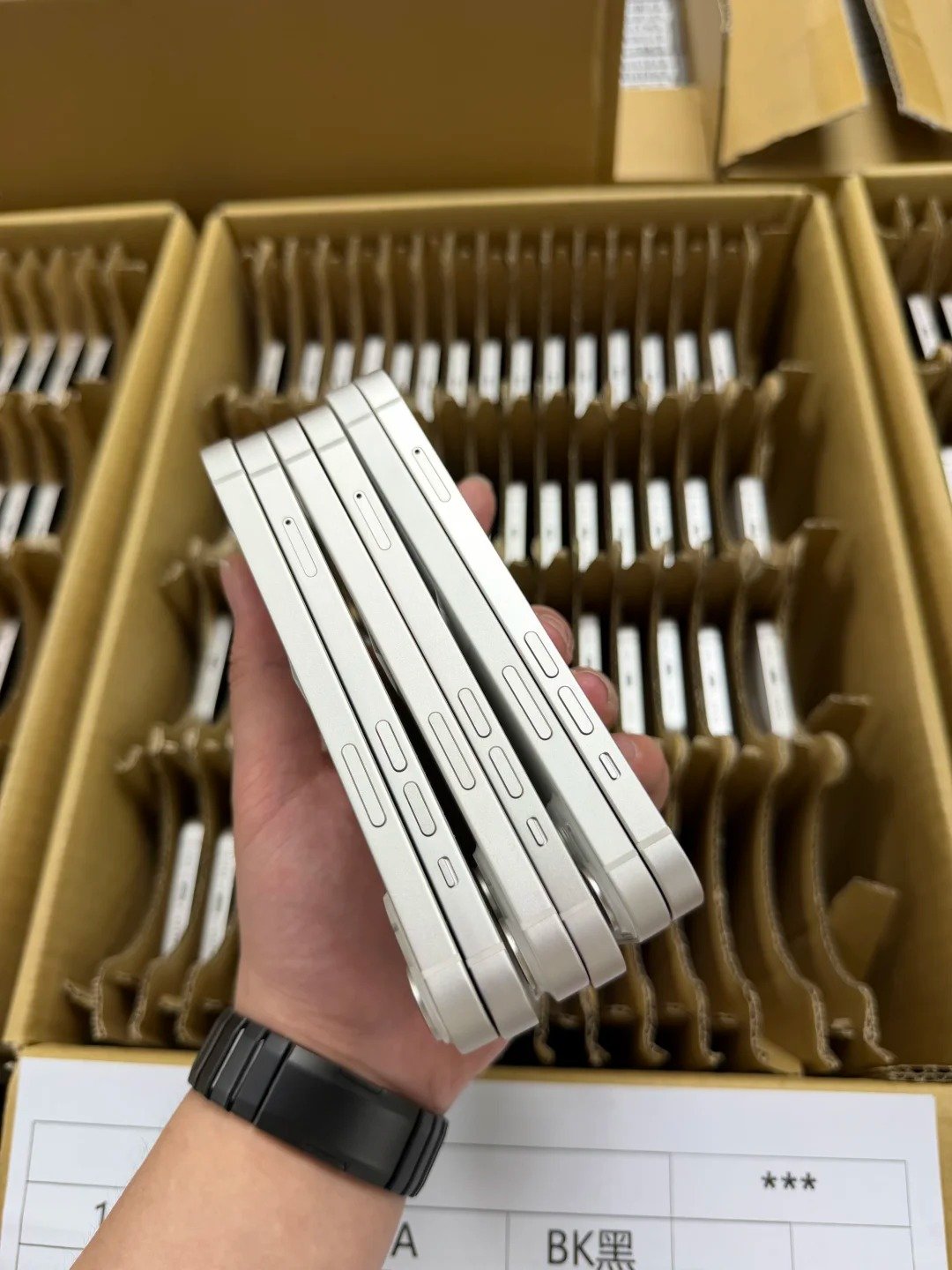
MODEL PLANNING
Build a Budget Model Ladder
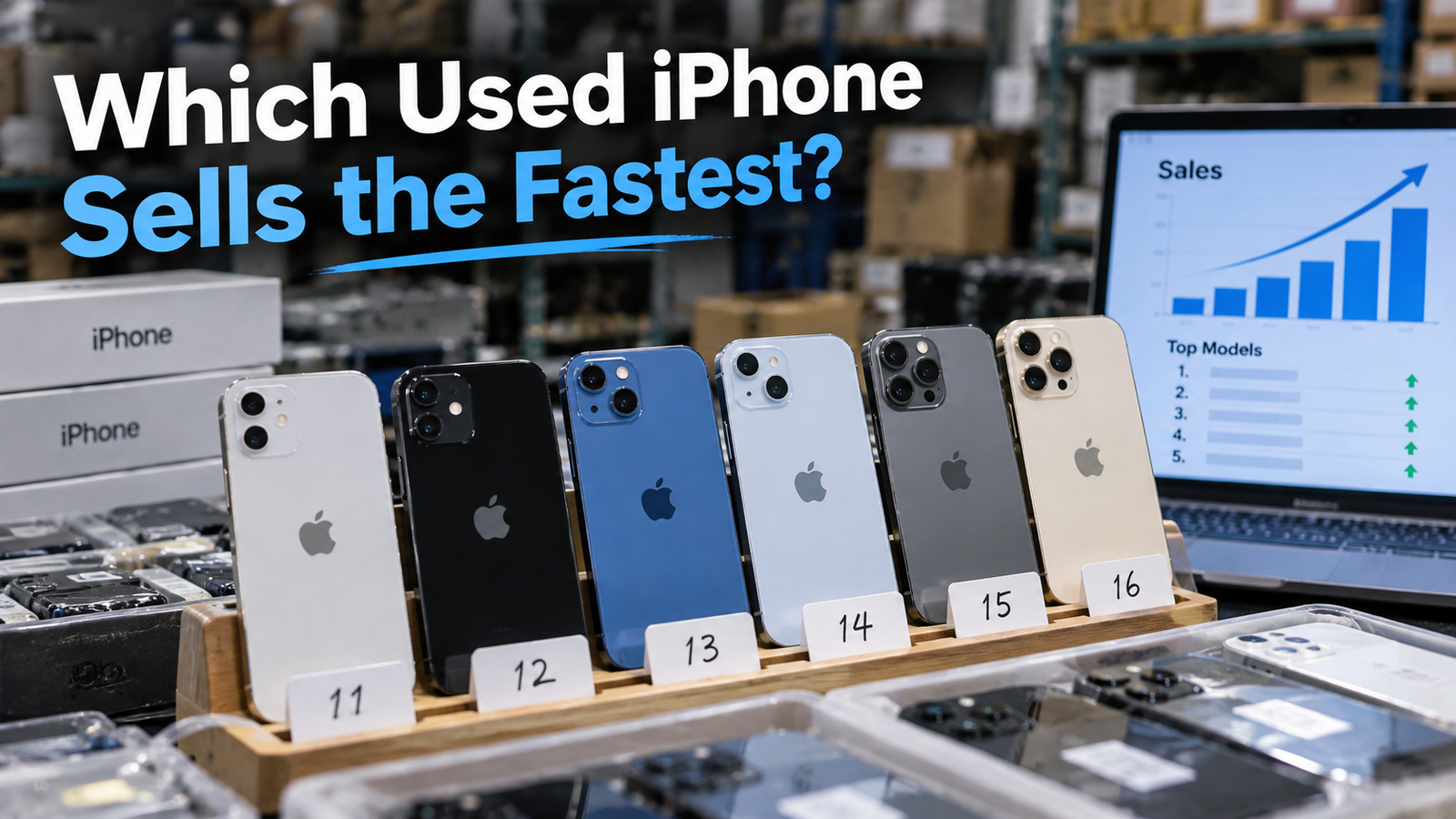
A budget inventory plan should include several candidate levels rather than one permanent winner. Each category answers a different buyer need, so a reseller can learn which configurations fit its intended channel without assuming that age, price, or a Pro label decides the result.
| Budget category | Model families to evaluate | Typical customer need | Key verification |
|---|---|---|---|
| Entry value | iPhone 11 series | Accessible iPhone ownership | Current usability, battery, and condition |
| Value 5G and OLED | iPhone 12 series | Modern display and connectivity expectations | Storage, battery, and network suitability |
| Balanced mainstream | iPhone 13 series | Familiar standard iPhone positioning | Grade, battery, and market fit |
| Newer standard | iPhone 14 series | Later generation for a higher budget band | Exact configuration and demand |
| Budget premium | Selected Pro models | Premium display or camera appeal | Battery, cosmetic grade, and price position |
| Specialist budget | iPhone mini or SE models | Compact or specific requirement | Proven local demand before bulk purchase |
Use these categories as a testing framework, not as a universal model ranking.

iPhone 11 for Entry Value
iPhone 11 can be evaluated for entry-value segments where customers prioritize an accessible iPhone experience. It should not be described as the lowest-cost or fastest-moving choice. Its practical fit depends on current usability, display expectations, storage, condition, battery evidence, account status, and the buyer’s local requirements.
| Consideration | iPhone 11 planning point | Buyer verification |
|---|---|---|
| Buyer segment | Entry-value customers | Confirm local demand |
| Display position | Earlier standard iPhone display category | Confirm customer expectations |
| Storage | Verify exact device capacity | Do not assume capacity |
| Software | Recheck current official compatibility | Do not promise future updates |
| Battery | Critical used-device variable | Request available battery information |
| Condition | Must be graded clearly | Separate cosmetic and functional records |
- Do not assume every customer accepts older generations.
- Do not use grade as a substitute for battery information.
- Do not quote unit status without verification.
- Check market-specific network and activation requirements.

iPhone 12 for Value 5G and OLED
iPhone 12 can be evaluated where buyers want an iPhone with an OLED display and 5G capability while remaining in a value-focused segment. Those features do not establish fit by themselves. The exact model, capacity, condition, local network suitability, and customer budget must still be reviewed.
| Feature area | iPhone 12 positioning | Resale question |
|---|---|---|
| Display | OLED product category | Does the local customer value this upgrade? |
| Connectivity | 5G capable | Does the exact model fit destination requirements? |
| Model generation | Later than iPhone 11 | Does the price step fit the market? |
| Storage | Verify per device | Which capacity converts best? |
| Battery | Used-device condition varies | Is battery information clear? |
| Grade | Must be defined | Does it match the target band? |
Sourcing Checklist
- Confirm model identity and exact storage.
- Verify functionality, activation, and account status.
- Check display and camera condition.
- Review battery information separately.
- Compare buyer response with iPhone 11 and iPhone 13 candidates.

iPhone 13 as a Mainstream Budget Benchmark
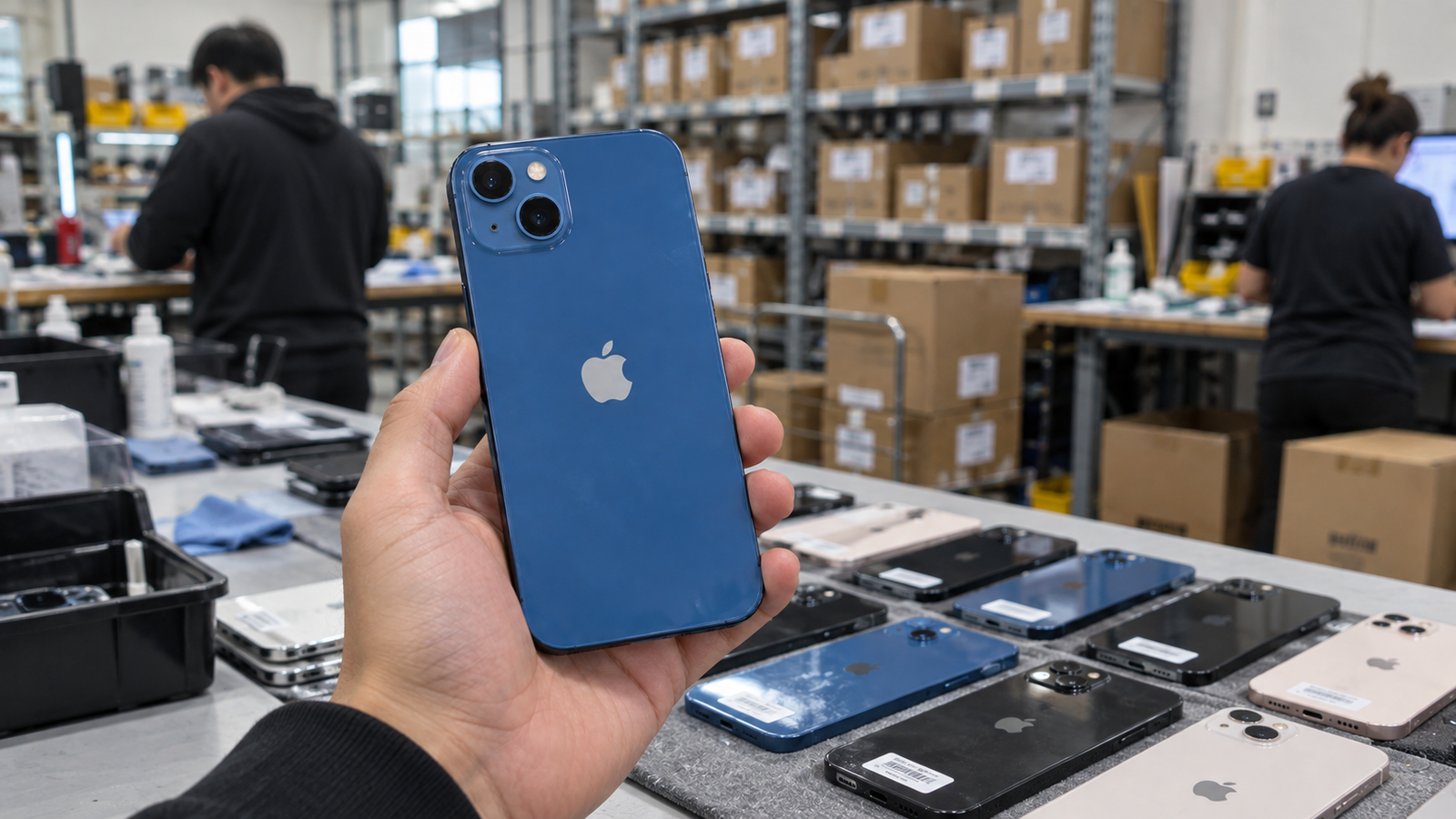
iPhone 13 is a useful mainstream budget benchmark because it has a 6.1-inch OLED display, A15 Bionic chip, 5G capability, and official 128GB, 256GB, and 512GB storage options. It is currently compatible with iOS 26, but current compatibility is not a promise of future support and should be reconfirmed before publication or purchasing.
| Item | iPhone 13 reference | B2B resale relevance |
|---|---|---|
| Introduction year | 2021 | Helps position the model by generation |
| Display | 6.1-inch Super Retina XDR OLED | Familiar standard display size |
| Chip | A15 Bionic | Mainstream performance reference |
| Storage | 128GB, 256GB, 512GB | Supports clear resale tiers |
| Connectivity | 5G capable | Verify destination compatibility |
| Software | Currently compatible with iOS 26 | Current status only |
| Apple Intelligence | Not supported | Important expectation boundary |
| Purchase status | Subject to HQB verification | Prevents unsupported supply claims |
- Test iPhone 13 when the market needs a recognizable mainstream model.
- Compare 128GB, 256GB, and 512GB separately.
- Do not promise Apple Intelligence support.
- Verify condition, battery, storage, and status per unit or lot.
iPhone 14 for a Higher Budget Step
iPhone 14 can be evaluated as a later standard-model option where the market accepts a higher budget level. It should not be assumed to produce faster resale or better margins. Compare the actual configuration against iPhone 13 alternatives and use the same grade, battery, storage, status, and sales-channel standards.
| Decision factor | iPhone 13 | iPhone 14 | Buyer action |
|---|---|---|---|
| Model generation | 2021 generation | Later standard generation | Match local preference |
| Budget position | Mainstream benchmark | Higher budget step | Compare total landed cost |
| Storage planning | Verify exact capacity | Verify exact capacity | Track sales by configuration |
| Condition need | Grade and battery disclosure | Grade and battery disclosure | Apply the same standards |
| Software review | Recheck current status | Recheck current status | Avoid future-support promises |
Use Pro Models Carefully
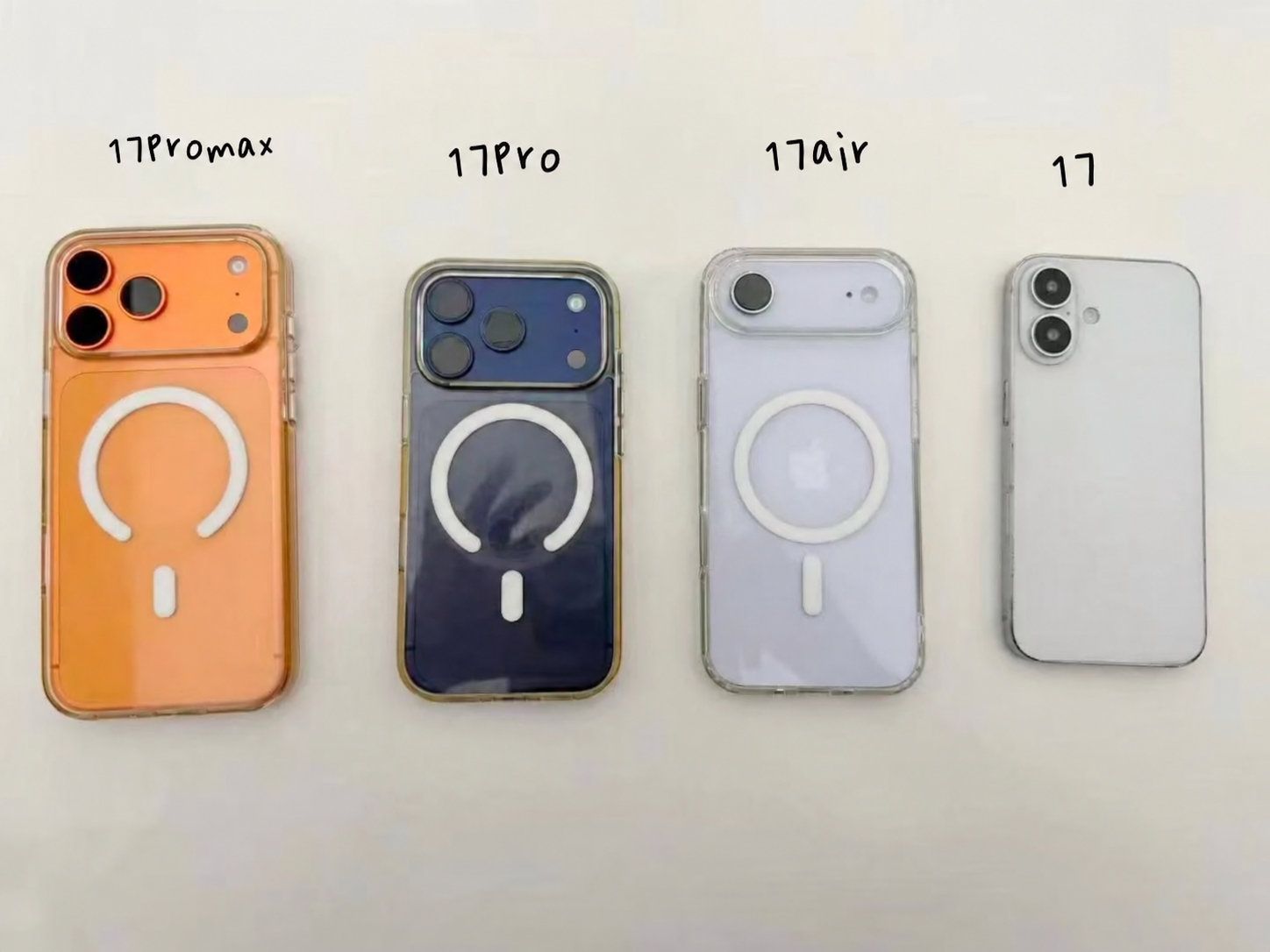
Used Pro and Pro Max models can fit a budget catalog only when buyers value their premium display, camera, or storage positioning enough to support the higher ticket. A Pro label alone does not prove stronger turnover. The model must be assessed against the target buyer’s budget and the quality consistency of the actual lot.
| Model category | Potential appeal | Potential limitation | What to verify |
|---|---|---|---|
| iPhone Pro | Premium feature positioning | Higher cost can narrow demand | Battery, camera, and grade |
| iPhone Pro Max | Larger display and battery positioning | Larger form factor may be niche | Customer preference and inventory days |
| Older Pro model | Premium features at used-device level | Age and condition can vary widely | Status, functionality, and repair disclosure |
- Compare demand against standard models.
- Track battery-related questions and return reasons by grade.
- Do not assume Pro guarantees faster resale.
- Verify cameras, display, and Face ID where applicable.

Storage Mix for Budget Buyers
Budget buyers may still value useful storage. A lower storage tier is not automatically the strongest option, because the device must remain comfortable for the buyer’s intended apps, photos, media, and ownership period. Track configuration-level inquiries, conversion, returns, and customer feedback before adjusting the mix.
| Storage tier | Potential customer fit | Risk to manage |
|---|---|---|
| Lower available capacity | Lowest entry segment | May not meet app and media needs |
| 128GB | Mainstream practical capacity | Confirm local demand |
| 256GB | Higher-value budget tier | Compare conversion with 128GB |
| 512GB or above | Specialist storage need | Avoid overbuying without evidence |
List and quote storage capacity separately. Never substitute one storage tier for another without buyer approval.

Grade and Battery Standards
Grading is generally a cosmetic communication method, while battery condition and functionality require separate disclosure. Do not apply another seller’s grade standard to HQB inventory without a documented HQB definition. Clear fields reduce listing errors and make post-sale review more practical.
| Grade label | Cosmetic meaning | Functional expectation | Separate disclosure needed |
|---|---|---|---|
| Like New | Minimal visible wear | Listed functions tested | Battery and repair information |
| Excellent | Light visible wear | Listed functions tested | Representative condition notes |
| Good | Noticeable but acceptable wear | Listed functions tested | Clear wear description and battery information |
Battery Checklist
- Record battery information where available.
- Disclose relevant replacement information where applicable.
- Test charging behavior and unexpected shutdowns.
- Separate battery condition from cosmetic grade.
- Align all battery information with the quoted lot.
Budget Inventory Risk Controls
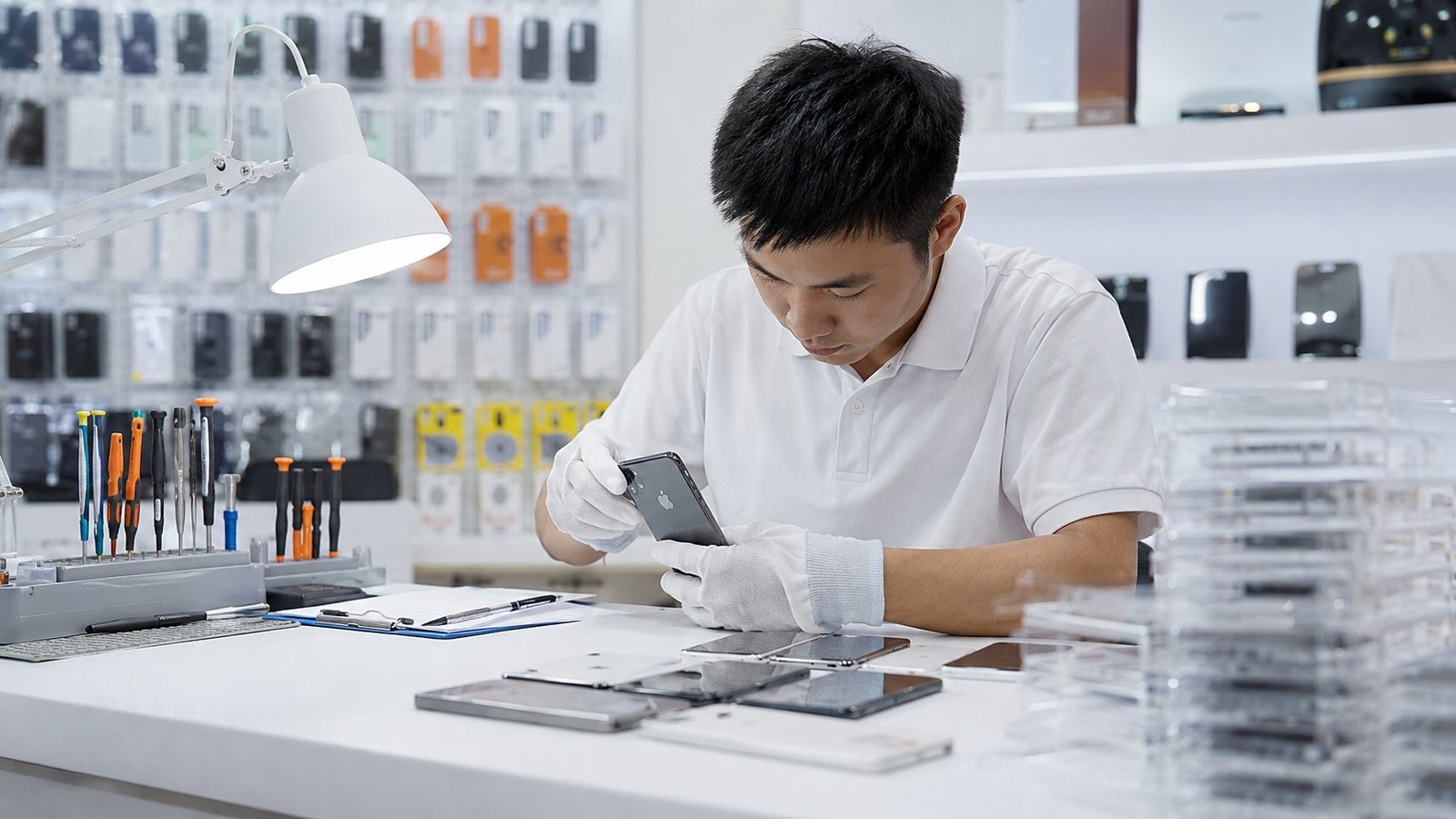
A budget assortment can become unprofitable when quality inconsistencies create returns, claims, repair costs, or slow inventory. The practical response is clear lot documentation, a consistent test process, and smaller early orders that can be evaluated before stock is expanded.
| Risk | Why it hurts budget resale | Prevention |
|---|---|---|
| Unclear grade | Customer expectation mismatch | Use written grade definitions |
| Weak battery information | Buyer hesitation or complaints | Use transparent documentation |
| Mixed storage | Incorrect listings and substitutions | Separate stock records |
| Unverified status | Activation or carrier problems | Check before purchase |
| Poor functional testing | Higher return risk | Use a consistent test scope |
| Oversized first order | Capital tied up in slow stock | Start with smaller test lots |
| Unsupported claims | Trust and compliance risk | Use factual, qualified wording |

Build a Budget Test Assortment
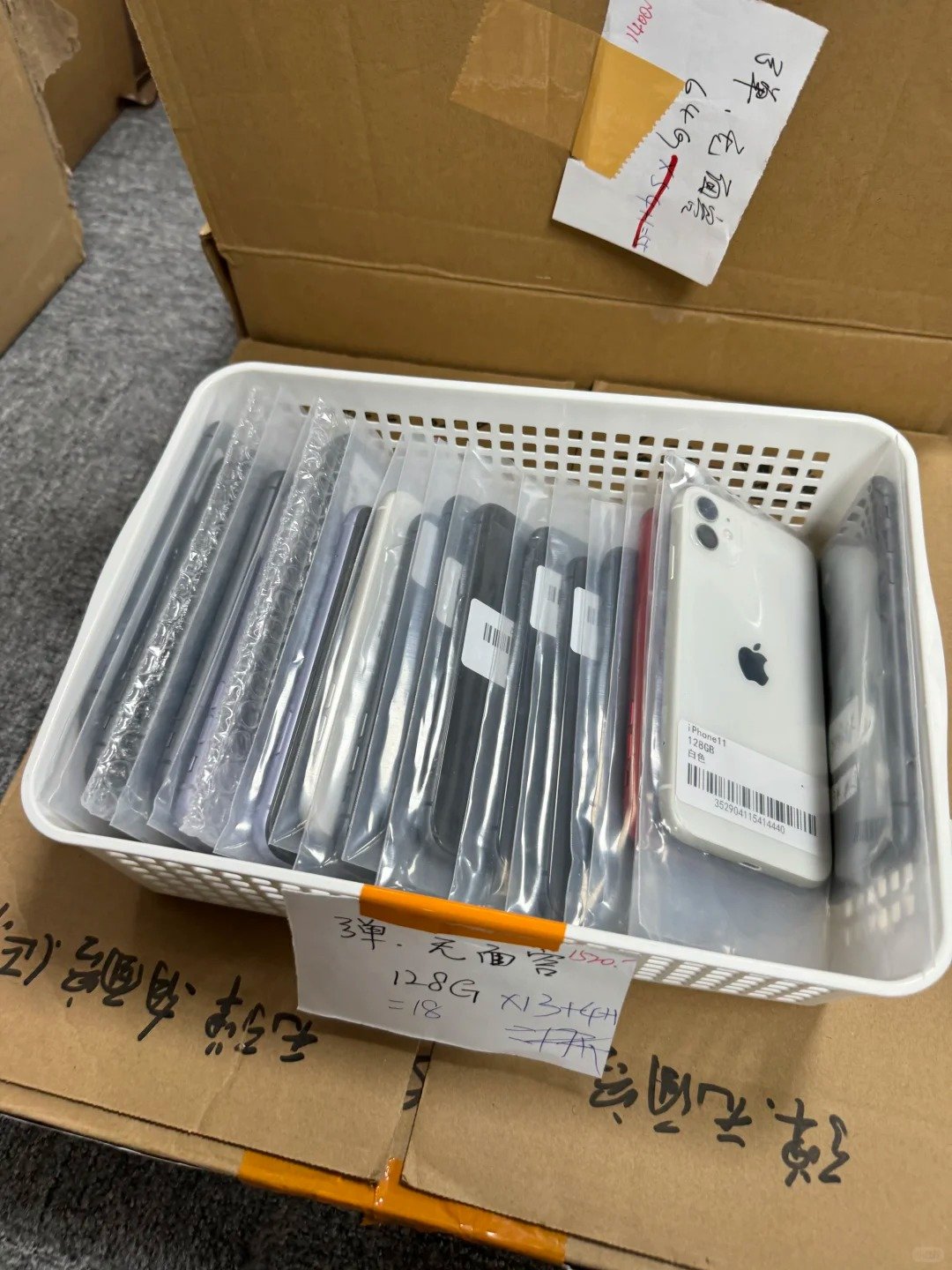
Buyers should test a small assortment before scaling. The test should compare model, storage, grade, battery profile, and sales channel. Keep the test definitions steady so the outcome can be attributed to the configuration rather than changing several variables at once.
| Test segment | Candidate type | What to measure |
|---|---|---|
| Entry value | iPhone 11 series or equivalent | Buyer inquiries, returns, inventory days |
| OLED value | iPhone 12 series or equivalent | Demand for display and 5G category |
| Mainstream | iPhone 13 series | Storage preference and sell-through |
| Higher budget | iPhone 14 series | Price-band acceptance and conversion |
| Budget premium | Selected Pro model | Battery, grade, and feature-led demand |
- Define the destination market and sales channel.
- Set target price bands without publishing unsupported prices.
- Choose a limited model and storage mix.
- Apply clear grade and battery standards.
- Track sell-through, inventory days, returns, and objections.
- Expand only configurations supported by real results.
Supplier Verification Checklist
Supplier verification is a device-level control, not a model-level assumption. A reliable budget lot connects each unit or defined batch to a record that can be checked at receiving. The process should protect listing accuracy and reduce avoidable questions before the stock reaches the resale channel.
- Confirm exact model identity and storage capacity.
- Record identifiers according to applicable privacy procedures.
- Confirm account removal and activation status.
- Check management restrictions where lawful and applicable.
- Confirm destination-market carrier requirements.
- Test display, cameras, Face ID where applicable, buttons, audio, connectivity, charging, and cellular functions.
- Inspect frame, back glass, display, and camera lenses.
- Record grade separately from functional status, battery evidence, and relevant repair information.