
BUYER NOTES
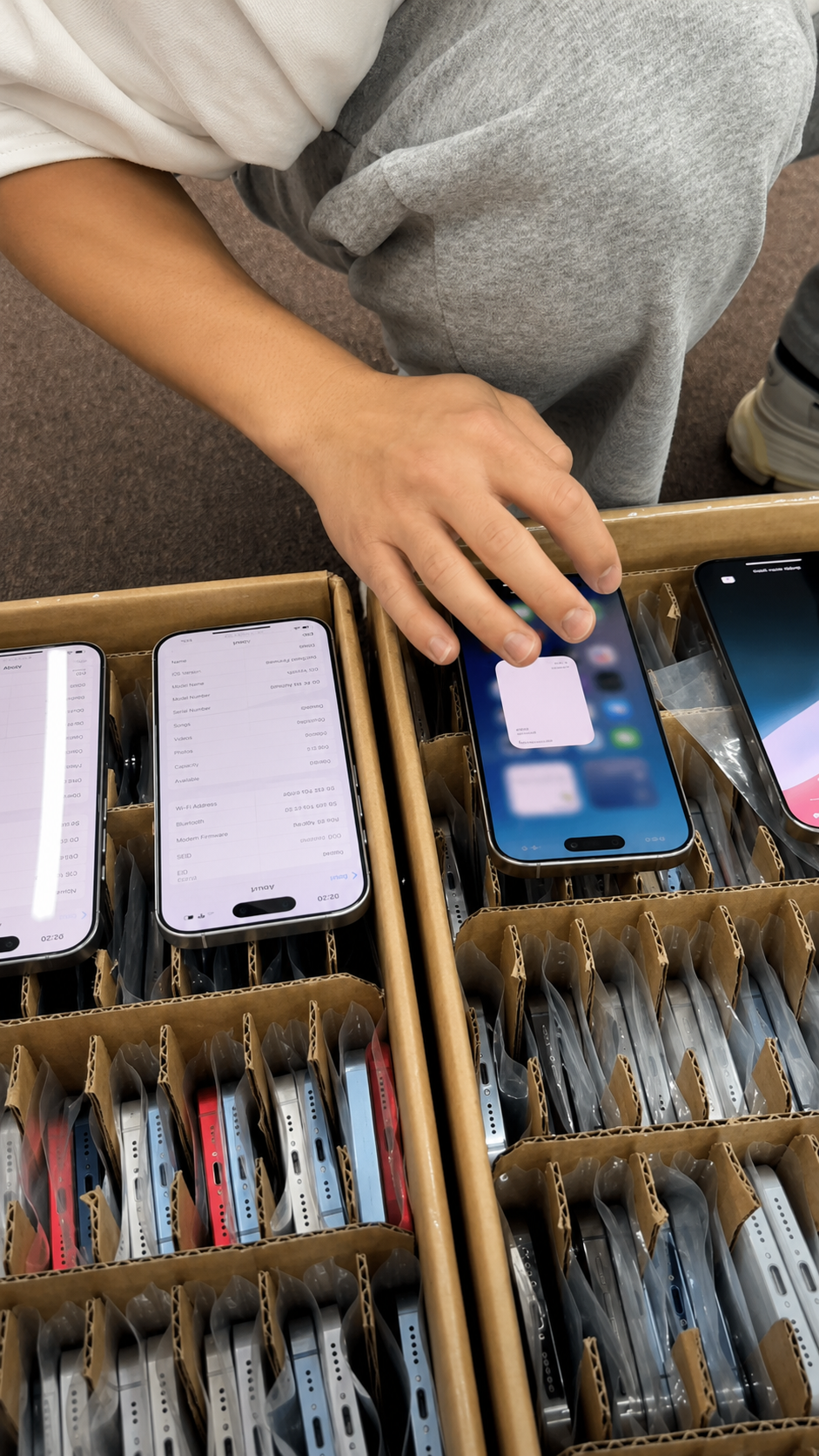
A refurbished iPhone 13 wholesale request works best when it begins with the buyer’s downstream plan. Identify who will purchase the device, what the sales team needs to disclose, and how the receiving team will confirm each requirement. This avoids treating a familiar model name as a complete specification.
Model-level facts and lot-level facts should remain separate. The iPhone 13’s display, storage options, chip, and 5G capability are model references. Battery condition, cosmetic grade, repair information, carrier status, and account status are lot or unit facts that must be verified before purchase.
A written purchase brief gives a used iPhone 13 supplier a practical basis for preparing a quotation. It should describe the requested storage mix, condition standard, evidence needed for battery and functionality, destination market, and any status checks required by the buyer’s receiving process.
For retailers, the same brief becomes the source of a reliable product listing. Product teams can use confirmed model specifications, while operations teams can attach the appropriate condition and battery language. This division helps prevent a generic technical description from becoming an unsupported claim about every unit.
For distributors, product consistency matters alongside individual unit quality. A mixed lot can be workable when each storage, grade, and disclosure group is clearly separated. It is more difficult to manage when different conditions are grouped under one label or when the quoted description does not define permitted variation.
For export buyers, local requirements can change the sourcing conversation. Carrier suitability, regional configuration, activation status, and applicable documentation should be considered before an offer is accepted. The existence of 5G capability does not establish suitability for every carrier, country, SIM configuration, or customer plan.
The iPhone 13’s Lightning port is another example of a clear product boundary. It may be entirely acceptable for a target catalog, but it should be stated where customers compare the device with newer USB-C iPhones. A transparent comparison is more useful than hiding a difference that affects accessories or buyer preference.
Battery evidence should be planned before negotiations rather than requested after a lot is selected. Buyers can decide whether they need a reading where available, charging-test results, replacement disclosure, or another documented condition standard. The important point is that the requested evidence is specific and repeatable.
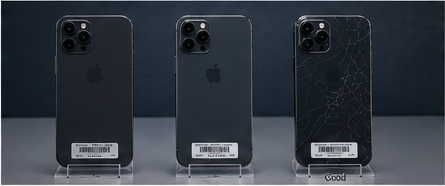
Cosmetic grading also needs repeatable language. Labels such as Like New, Excellent, and Good can be helpful only when suppliers and buyers agree on what visible wear is permitted. Representative photos, written definitions, and a receiving checklist make the terms operational instead of subjective marketing language.
Function testing should match the intended resale promise. A basic catalog may focus on core display, camera, charging, identity, and connectivity checks. A more demanding channel may need detailed results for Face ID, True Tone, buttons, audio, wireless functions, or other features relevant to its customers.
Repair and part information should not be inferred from cosmetic condition. A clean exterior does not establish component origin, repair history, or battery status. If the buyer requires information on those points, it should be requested as part of the quotation and examined against the exact device or lot evidence.
Apple Intelligence is a particularly useful expectation-setting example. Current iOS 26 compatibility does not mean that iPhone 13 supports every newer iOS capability. Sales material should state that Apple Intelligence is not supported, so customers understand the difference between operating-system compatibility and hardware-dependent features.
When comparing iPhone 12, iPhone 13, and iPhone 14, compare actual offers rather than labels in isolation. Storage, condition, battery information, documented functional status, and the final landed cost can all influence the practical value of a lot. A newer model is not automatically the more suitable commercial choice.
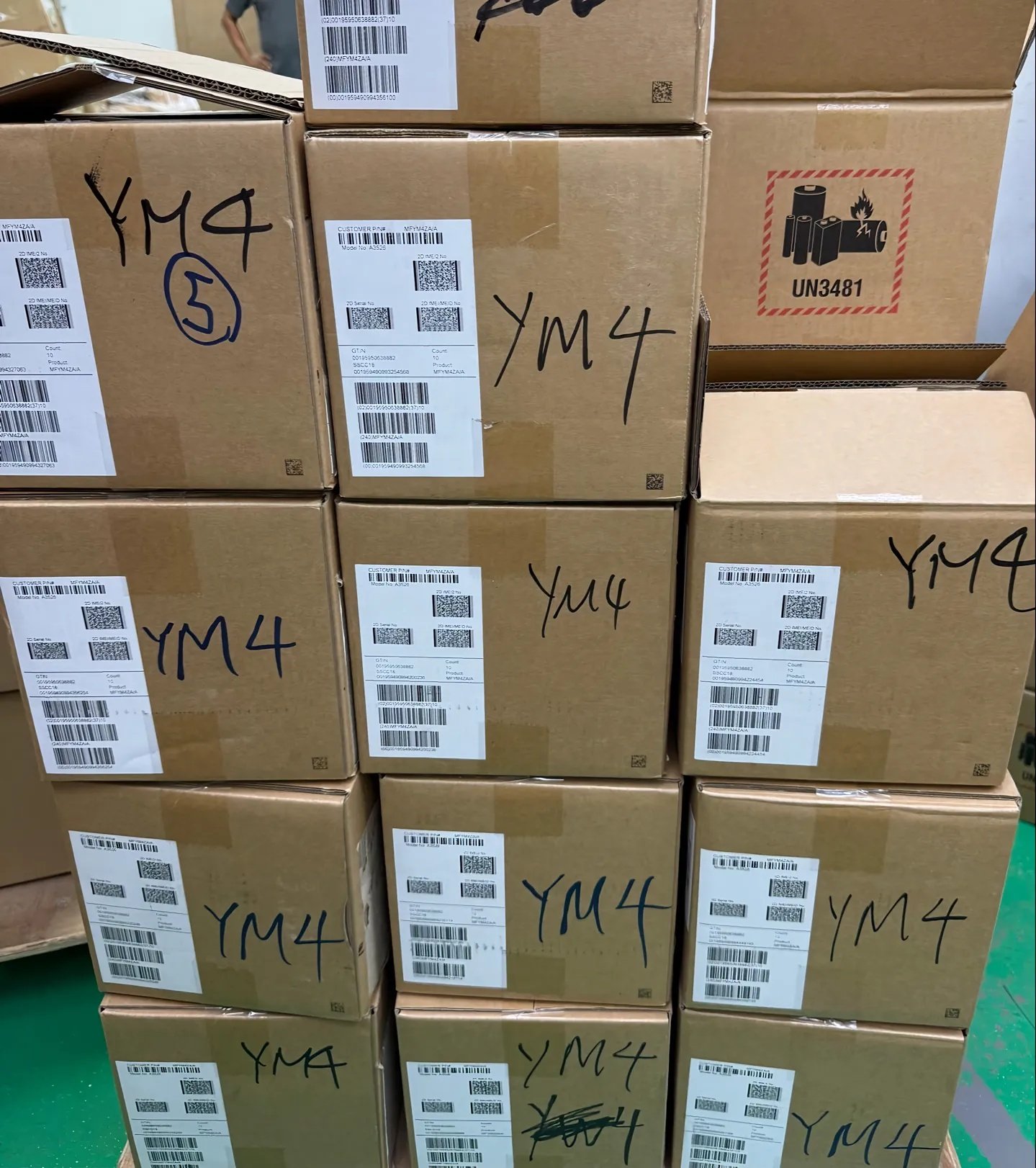
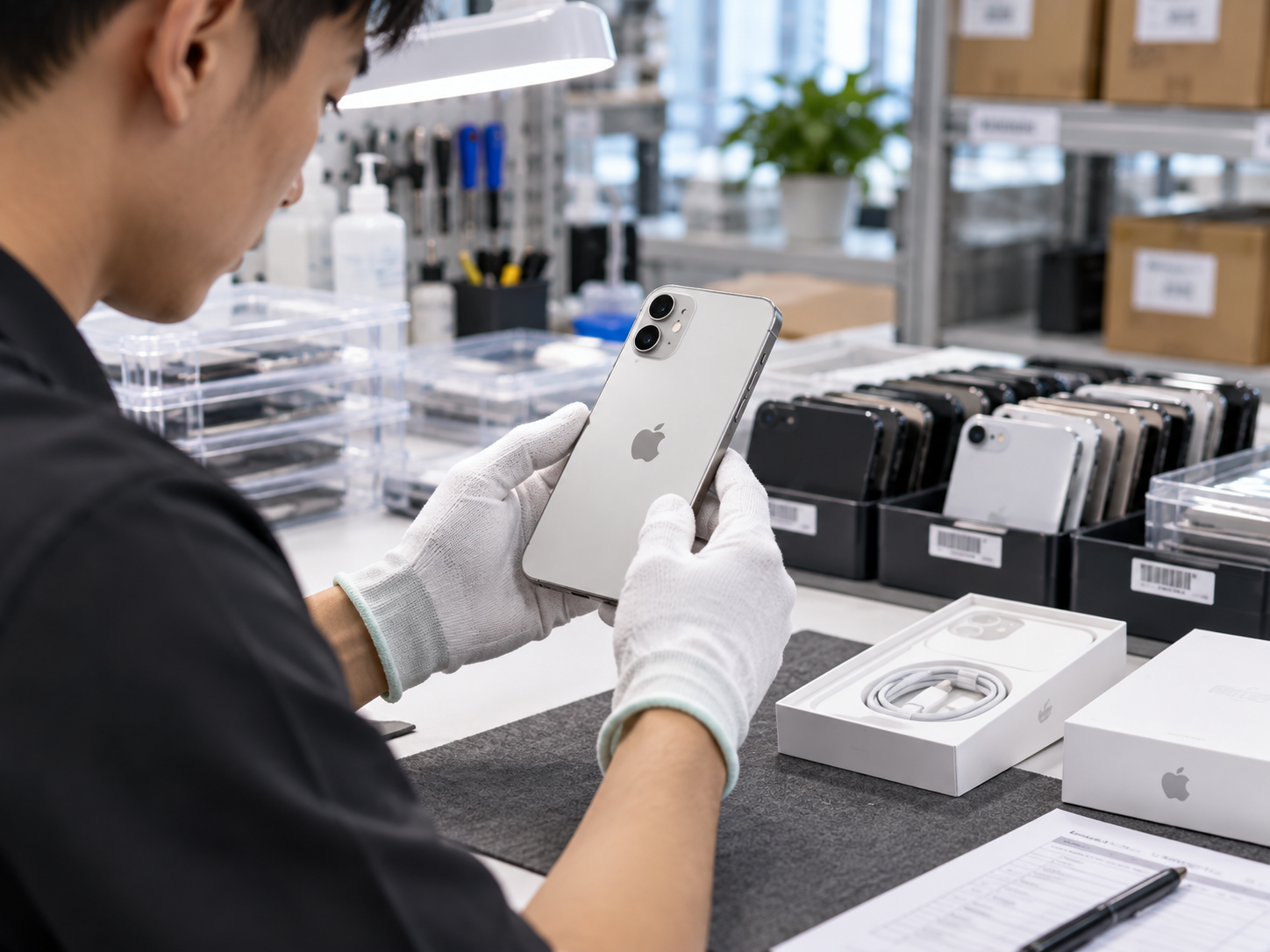
Receiving is the final control point in B2B iPhone sourcing. The buyer should compare delivered devices with the agreed brief before devices are assigned to retail stock. A disciplined receiving process protects listing accuracy and gives the purchasing team a clear way to identify variations that require review.
HQB can support a quotation and sourcing discussion once the necessary purchase inputs are defined. That role is different from guaranteeing resale performance. Customer demand, sales strategy, pricing, channel presentation, condition consistency, and local preferences remain factors for the buyer to assess.
Use the following sections as a practical checklist rather than a claim that every device will have the same result. The target is a documented refurbished iPhone 13 purchase brief: one that can be quoted, checked, received, and described without overstating what has or has not been verified.
Condition photos can be useful supporting evidence when their scope is understood. A representative photo can show the permitted level of cosmetic wear, but it does not establish the exact appearance or test result of every unit in a mixed lot. The buyer should agree whether unit-level photos are required.
Device identifiers should be managed with suitable privacy and compliance procedures. Buyers may need IMEI or serial information for receiving and status checks, yet the method, timing, and level of detail should reflect the lawful process agreed between the parties and the needs of the destination market.
Carrier and activation checks are also time-sensitive. A status checked at one point in the workflow should be documented in a way that makes it clear what was checked and when. A model’s 5G capability does not remove the need to validate the exact regional and carrier requirements.
Clear packaging requirements help prevent a product-presentation issue from becoming a quality dispute. A buyer can state whether it needs retail-ready presentation, neutral packing, accessory expectations, or documentation. Those requests should be discussed as commercial requirements, not inferred from the model or cosmetic grade.
A good refurbished iPhone 13 listing is concise. It names the exact model, storage, quoted grade, and supported evidence without adding broad claims about future software, resale speed, parts, or battery status. Accurate limits build more durable buyer expectations than unsupported product language.
For recurring purchasing, the buyer can retain the same checklist and refine it with receiving observations. Consistent feedback on storage mix, cosmetic variation, test records, and local customer questions makes future quotations more specific. It also helps the purchasing team distinguish a true requirement from a preference.
For first-time buyers, a smaller, well-documented evaluation process may be more useful than a broad model mix with unclear condition language. The important task is to establish the verification standard that the retail or distribution channel requires. That standard can then guide future discussions with HQB.
Ultimately, an iPhone 13 purchase decision should join product knowledge with operational discipline. The model offers recognizable specifications, but the purchase outcome depends on the exact lot, evidence provided, market fit, and the buyer’s ability to receive and describe the devices accurately.

DEFINITIONS
What Refurbished iPhone 13 Means
“Refurbished” should describe a device that has been processed and presented with a disclosed condition standard. The word alone does not reveal repair history, component origin, battery health, lock status, or the depth of testing. Those points need evidence for a specific unit or lot.
Used, tested, graded, and verified are related but different descriptions. A used device has had prior ownership. Testing refers to a defined function check. Grading is a cosmetic classification. Verification means that a stated status was checked. Buyers should ask what each label means in the supplier’s workflow.
| Term | Use in this article | Required buyer evidence |
|---|---|---|
| Used | Previously owned device | Identity and functional status |
| Refurbished | Processed device offered with a stated condition standard | Defined workflow and disclosure |
| Tested | Device checked against listed functions | Test record or inspection standard |
| Graded | Cosmetic condition classified by a supplier | Written grade definitions |
| Verified | A specific status has been checked | Evidence for that exact lot or unit |
PRODUCT REFERENCE
Core Specifications
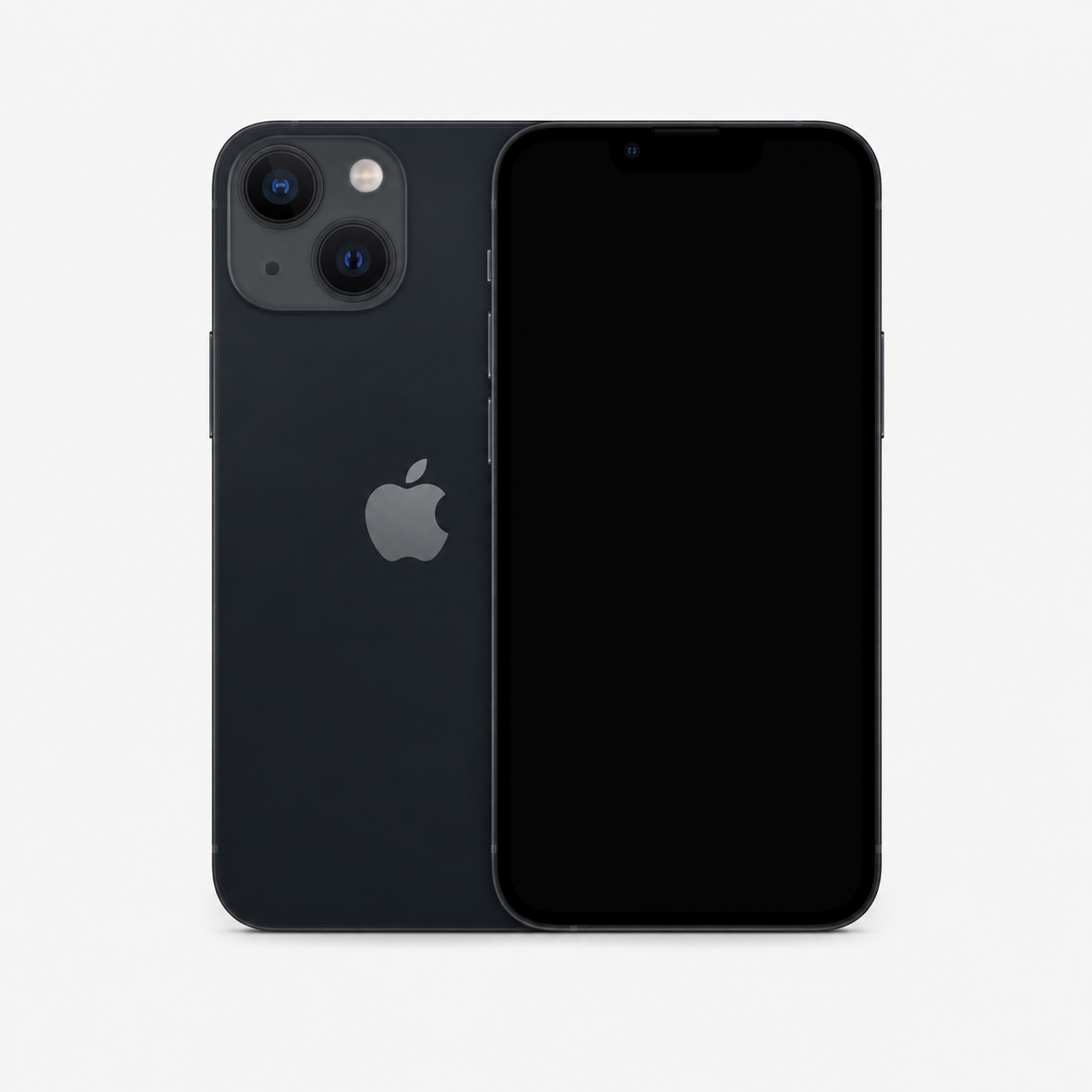
An iPhone 13 specification sheet helps a buyer describe the model consistently. It does not replace receiving inspection, regional configuration checks, or functional testing of a particular lot.
| Specification | iPhone 13 reference | Buyer interpretation |
|---|---|---|
| Display | 6.1-inch Super Retina XDR OLED | Familiar mainstream screen category |
| Resolution | 2532 by 1170 pixels at 460 ppi | Useful product-detail reference |
| Chip | A15 Bionic | Supports everyday app and system use |
| Rear camera | Dual 12MP camera system | Suitable for standard consumer photography positioning |
| Storage | 128GB, 256GB, 512GB | Enables good-better-best stock grouping |
| Cellular | 5G capable | Confirm carrier and regional compatibility |
| Charging port | Lightning | State clearly for buyers comparing newer USB-C models |
| Weight | 173 grams | Useful technical reference |

Software and Feature Boundaries
iPhone 13 is currently compatible with iOS 26 as of this page date. That statement describes current compatibility, not a lifetime promise. Software support can change over time, and the installed version should be checked on the actual device before a listing or delivery decision.
Apple Intelligence is not supported on iPhone 13. It requires iPhone 15 Pro models, iPhone 16 models, or later. A transparent used iPhone 13 supplier should state this boundary rather than allowing a newer operating-system label to imply feature parity.
Compatibility checklist
- State current iOS compatibility accurately.
- Do not promise future iOS versions.
- State that Apple Intelligence is not supported on iPhone 13.
- Confirm region, language, and service availability where relevant.
- Avoid implying that every iOS feature works identically on every model.

Storage Options for Resale
Storage capacity is a practical way to structure an iPhone 13 resale range. The intended customer, local app usage, media habits, and price architecture can change the right mix. Never substitute storage tiers without clear customer approval.
| Storage | Suitable buyer profile | Stock-planning use |
|---|---|---|
| 128GB | Value-focused mainstream buyers | Base catalog option |
| 256GB | Buyers needing more photo, video, or app storage | Mid-tier offer |
| 512GB | Buyers prioritizing high local storage | Premium inventory tier |
Condition and Battery Standards
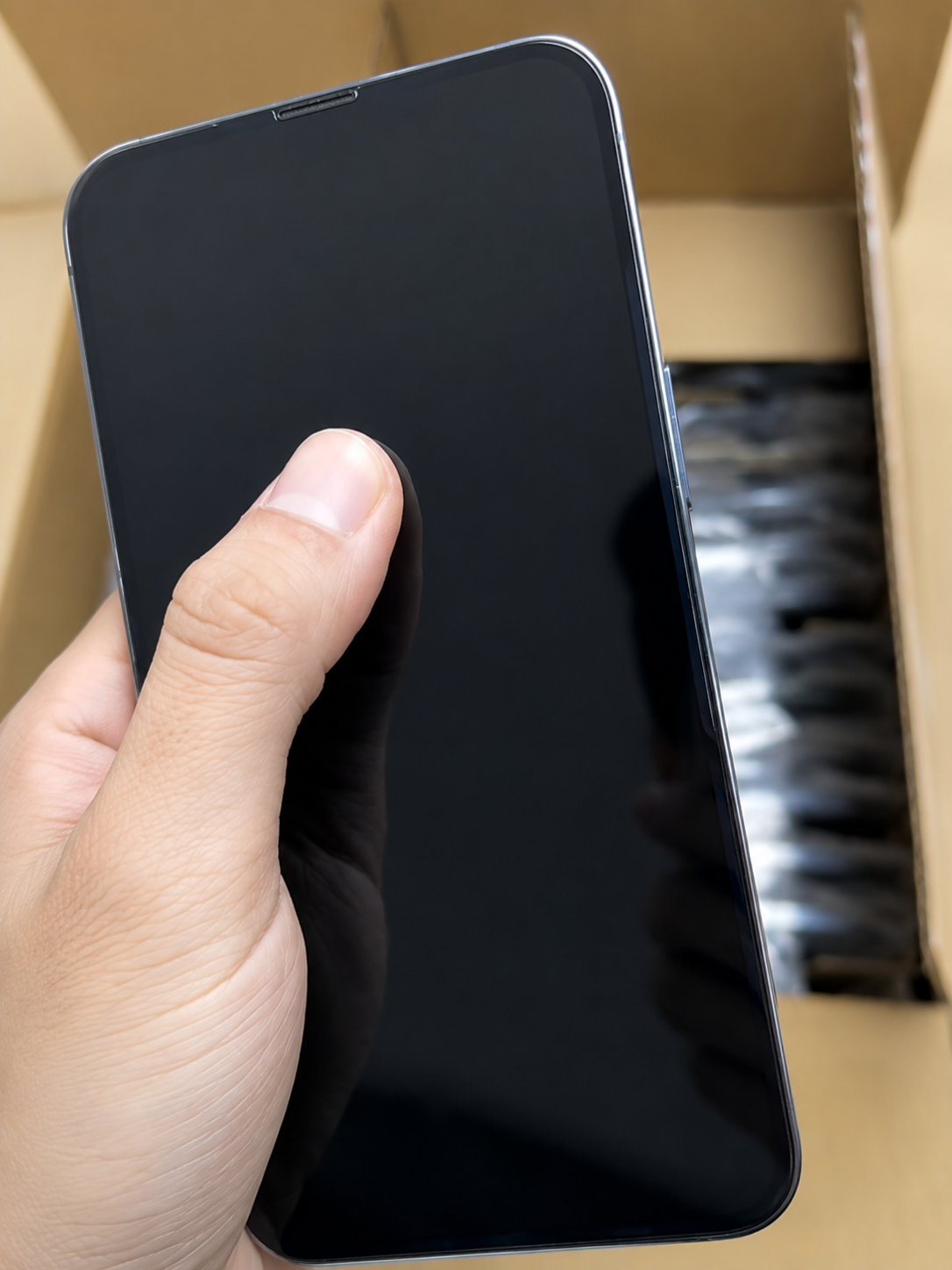
Cosmetic grade and battery health are separate variables. A visually clean unit may still need separate battery disclosure. Likewise, a device with ordinary cosmetic wear can meet a well-defined functional test standard. A battery replacement, where applicable, should be disclosed independently of cosmetic grade.
Buyer communication example, not an HQB guarantee
| Grade label | Cosmetic description | Functional expectation | Disclosure requirement |
|---|---|---|---|
| Like New | Minimal visible wear | All listed functions tested | State any repair or battery information separately |
| Excellent | Light signs of use | All listed functions tested | Provide clear photos or representative condition notes |
| Good | Noticeable cosmetic wear allowed | All listed functions tested | Describe wear honestly and consistently |
Battery verification checklist
- Battery-health reading where available.
- Battery replacement disclosure where applicable.
- Charging and cable test result.
- Unexpected shutdown or thermal observation during testing.
- Battery information aligned with the quoted lot.
Why It Can Fit a Resale Catalog
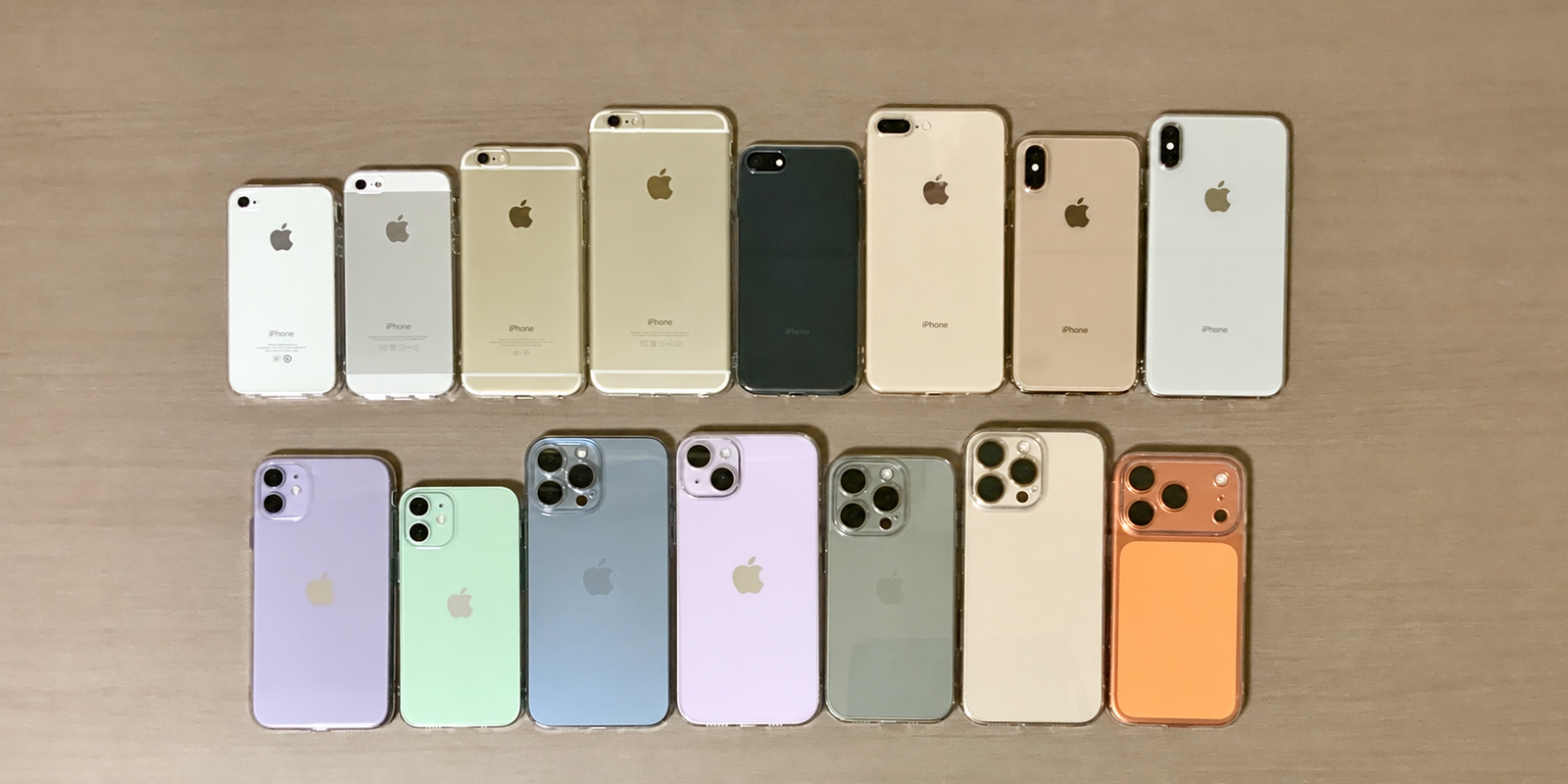
A documented iPhone 13 can sit between earlier value generations and later standard models. The commercial value is not automatic. It comes from matching the exact lot to a target customer, a defined condition policy, and an honest listing description.
| Catalog goal | Why iPhone 13 may fit | Qualification needed |
|---|---|---|
| Value iPhone category | Recognizable model and established generation | Competitive local positioning |
| Mainstream screen-size range | 6.1-inch display | Customer demand validation |
| Storage-tier assortment | 128GB, 256GB, and 512GB options | Accurate inventory matching |
| Refurbished assortment | Supports grade-based presentation | Consistent grading policy |
| Upgrade path from older models | Newer than iPhone 12 generation | Compare actual local requirements |
HQB should position the device as a documented sourcing option, not as a guaranteed resale outcome.
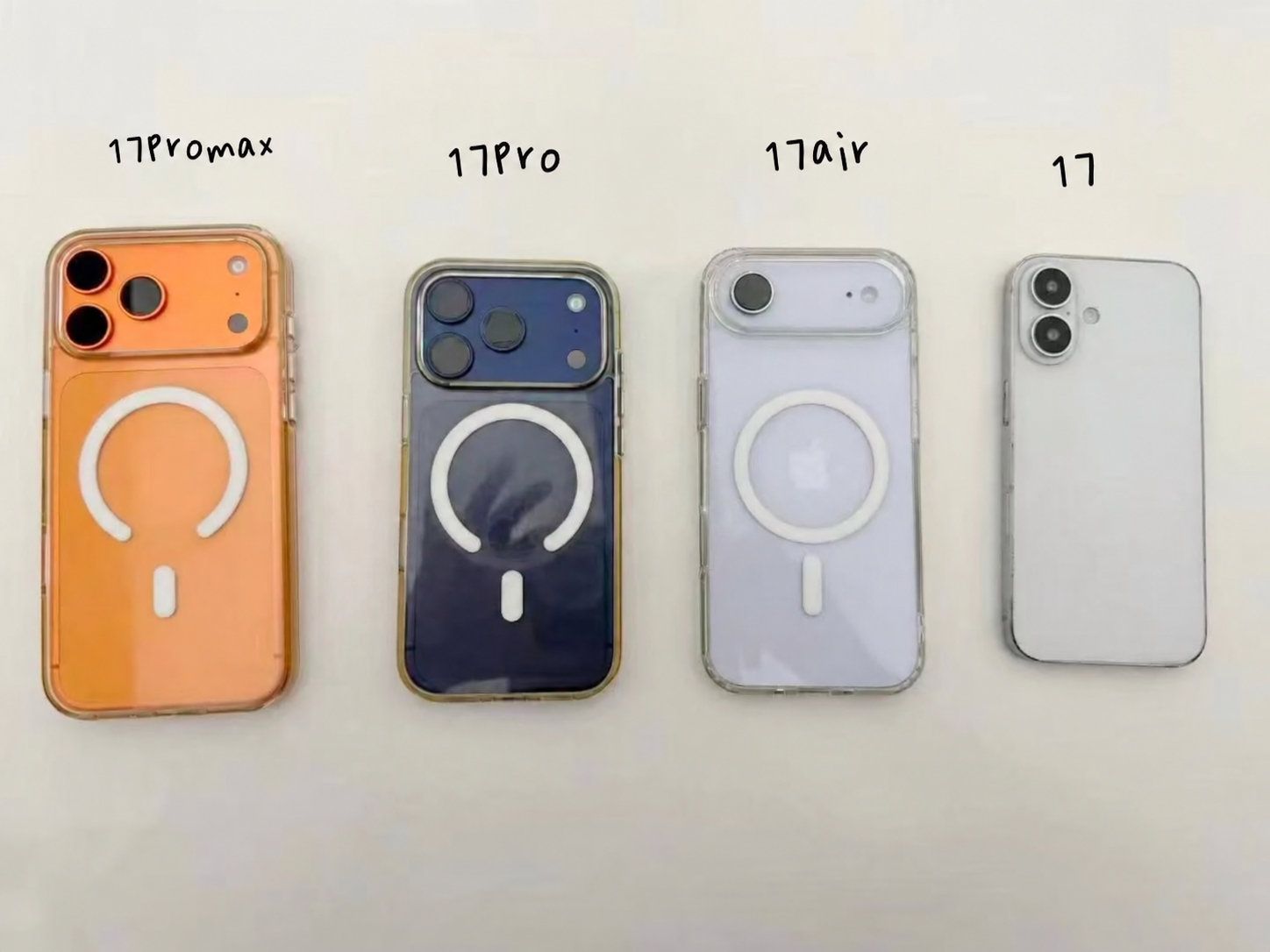
Where It Is Less Suitable
Clear limits reduce avoidable sourcing errors. A buyer should reconsider iPhone 13 when a required feature cannot be supplied by the model or when a supplier cannot provide the documents necessary for the destination market.
Check these limits before requesting a lot
- Buyers who require USB-C charging.
- Buyers who require Apple Intelligence.
- Buyers who want the newest camera hardware.
- Buyers who require high-refresh-rate display positioning.
- Buyers who will not accept documented cosmetic variation.
- Buyers without a process for IMEI, activation, and lock-status validation.

QUALITY CONTROL
Refurbishment and Verification Checklist
Device-Level Checks
A lot description should be supported by a repeatable inspection process. The exact lawful checks and reporting format can depend on the buyer’s procedures and destination market, but the following list gives a practical receiving and sourcing baseline.
- Confirm model number and storage capacity.
- Record IMEI or serial number according to applicable privacy and compliance procedures.
- Check activation status and confirm Find My iPhone has been removed.
- Check for management, activation, or account-related restrictions where lawful and applicable.
- Confirm carrier-lock status before quoting market-specific inventory.
- Test display response, brightness, dead pixels, and True Tone status where applicable.
- Test Face ID, cameras, speakers, microphones, buttons, vibration, Wi-Fi, Bluetooth, and cellular functions.
- Test Lightning charging and wireless charging where applicable.
- Inspect frame, back glass, camera lenses, and water-damage indicators.
- Disclose visible wear, replaced components, and battery information where applicable.

Lot Planning for B2B Buyers
A sourcing brief turns a broad refurbished iPhone 13 request into a documentable quotation conversation. It helps reduce substitutions, makes receiving more consistent, and gives both sides a shared record of the requested configuration.
| Purchase input | Why HQB needs it | Buyer benefit |
|---|---|---|
| Destination market | Helps assess practical compatibility needs | Better market matching |
| Quantity | Supports quotation preparation | Appropriate lot planning |
| Storage mix | Prevents unwanted substitutions | Clear assortment control |
| Cosmetic grade | Aligns quality expectations | Fewer condition misunderstandings |
| Battery requirement | Supports transparent negotiation | Better end-customer messaging |
| Carrier/lock preference | Helps avoid eligibility surprises | More suitable inventory selection |
| Packaging request | Clarifies presentation needs | Better retail preparation |
| Documentation request | Defines verification expectations | Stronger receiving process |
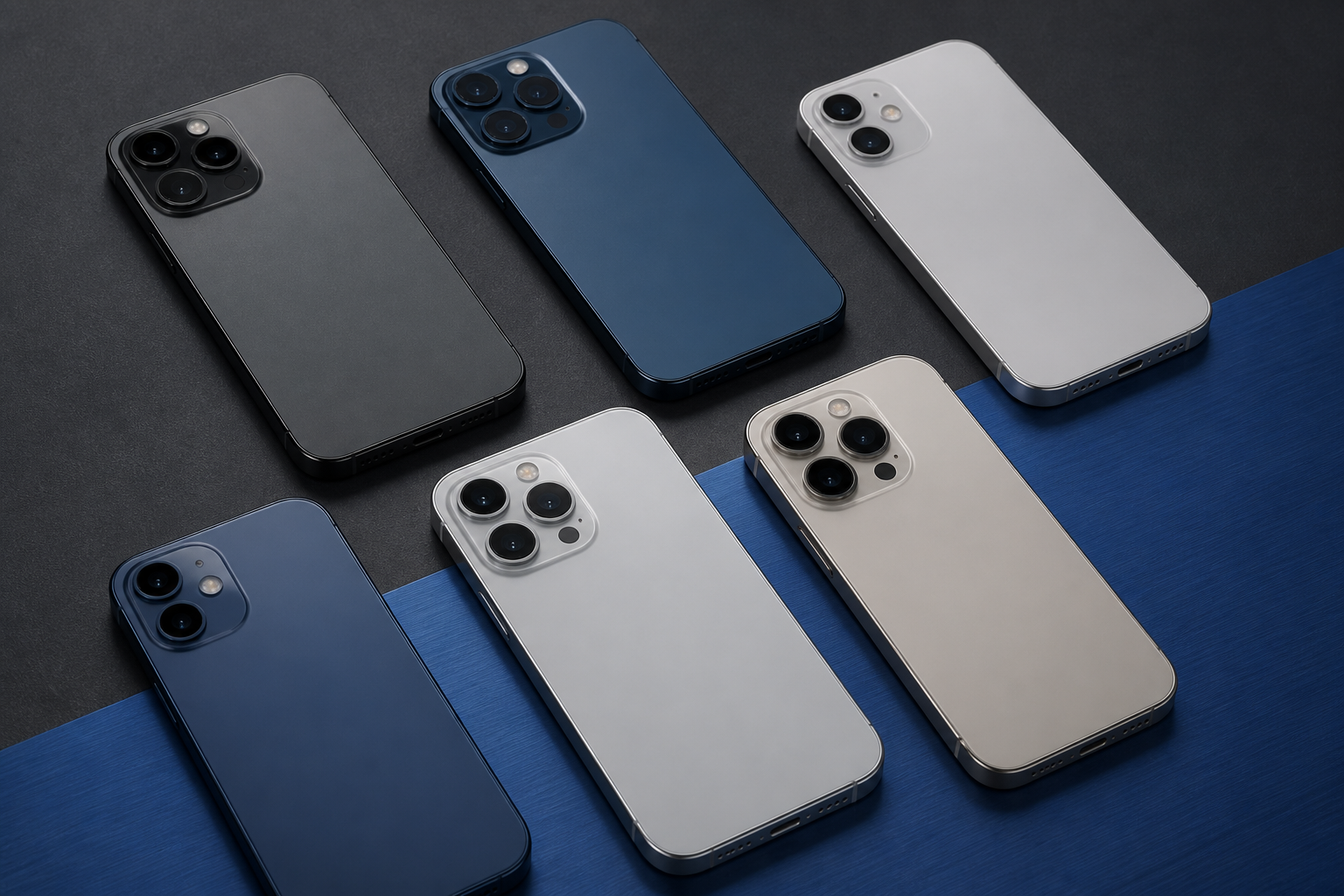
iPhone 12, iPhone 13, and iPhone 14 Comparison
Model comparison is useful when it leads to a more specific purchase brief. Do not use a generation label as a substitute for checking storage, grade, battery, configuration, and the buyer’s total landed-cost calculation.
| Model | General positioning | Choose it when | Confirm before sourcing |
|---|---|---|---|
| iPhone 12 | Earlier value-oriented generation | Entry positioning is the priority | Storage, battery, grade, and current software suitability |
| iPhone 13 | Balanced mainstream generation | Buyers want 128GB base storage and a 6.1-inch OLED iPhone | iOS status, Apple Intelligence limitation, grade, and battery |
| iPhone 14 | Newer standard-model option | Buyers want a later model year | Actual configuration, condition, and local demand |
Choose the model after comparing customer requirements, verified lot condition, and total landed cost—not headline specifications alone.
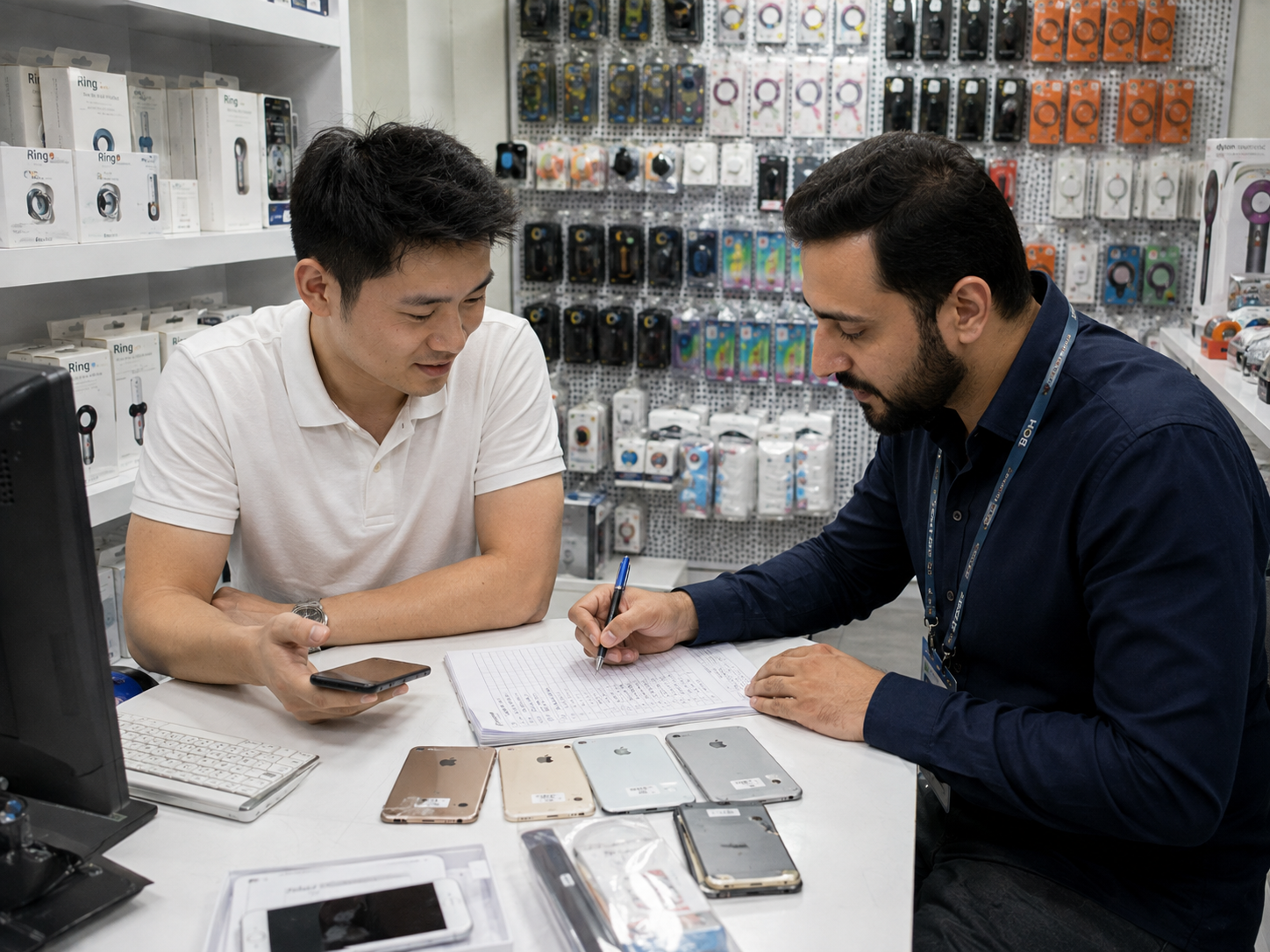
Buyer Selection Guide
Choose Refurbished iPhone 13 When
- Your customer base recognizes the iPhone 13 model.
- A 6.1-inch OLED iPhone fits the target catalog.
- 128GB, 256GB, or 512GB stock tiers match customer needs.
- You can explain grade and battery information clearly.
- You have a unit-receiving procedure for functionality and status checks.
Reconsider the Model When
- USB-C is a mandatory customer requirement.
- Apple Intelligence support is required.
- The purchase decision relies on undocumented condition claims.
- The supplier cannot provide a clear lot-level specification.
- Market-specific activation or carrier requirements are unknown.