
DETAILED RESELLER COMPARISON
iPhone 14 vs iPhone 15: A Complete Reseller Comparison

1. The Shared Foundation: What Both Models Still Offer
Both models deliver a familiar modern iPhone experience. Their common 6.1-inch Super Retina XDR OLED displays, Face ID, 5G, MagSafe, flat-edge design, 60Hz refresh rate, and 128GB starting storage mean a reseller is usually deciding how to position value and buyer expectations rather than basic usability.
| Shared Feature | iPhone 14 | iPhone 15 | Resale Meaning |
|---|---|---|---|
| Display | 6.1-inch Super Retina XDR OLED | 6.1-inch Super Retina XDR OLED | Both remain attractive in used inventory. |
| Refresh rate | 60Hz | 60Hz | Neither has ProMotion. |
| Storage | 128GB, 256GB, 512GB | 128GB, 256GB, 512GB | Practical modern tiers. |
| Face ID / 5G / MagSafe | Yes | Yes | Similar core experience. |
| Rear cameras | Dual cameras | Dual cameras | Everyday wide and ultra-wide use. |
| Crash Detection | Yes | Yes | Relevant where applicable. |
| Apple Intelligence | No | No | Neither is AI-capable. |
Shared Resale Strengths
- OLED quality, 128GB minimum storage, Face ID, 5G, MagSafe, familiar design, and broad used-market recognition.
- Reseller instruction: keep the baseline features visible, then use condition and model differences to define the price tier.

2. A15 vs A16: Performance and Buyer Perception
iPhone 15’s A16 Bionic gives it a newer performance narrative and more headroom than iPhone 14’s A15 Bionic. Both remain capable for calls, business apps, streaming, navigation, social media, and normal gaming, so the sales difference depends on expectations, condition, and the price gap rather than a promise of dramatic everyday speed.
| Use Case | iPhone 14 | iPhone 15 | Reseller Positioning |
|---|---|---|---|
| Calls, messaging, email | Capable | Capable | Both meet daily needs. |
| Social and streaming | Smooth | Smooth | Camera and design may sell more. |
| Business and navigation | Capable | Capable | Both suit common workflows. |
| Casual gaming | Good | Better headroom | 15 has stronger value story. |
| Graphics-heavy apps | Older limits remain | More capable | Avoid overpromising either. |
| Apple Intelligence | Not supported | Not supported | Never use AI as 15 claim. |
Performance Check Before Listing
- Open normal apps, switch between them, and test touch, keyboard, video, and audio.
- Test a graphics-intensive app when relevant and check for heat, restarts, or slow behaviour.
- Confirm free storage and Battery Health before diagnosing a performance concern.

3. USB-C vs Lightning: A Major Resale Difference
USB-C is iPhone 15’s clearest buyer-facing upgrade. It can simplify charging for customers already using USB-C accessories, while iPhone 14 continues to suit customers with Lightning cables. Standard iPhone 15 remains USB 2 for transfer speed, so USB-C convenience should not be marketed as professional high-speed data transfer.
| Charging and Connection Factor | iPhone 14 | iPhone 15 | Reseller Impact |
|---|---|---|---|
| Physical port | Lightning | USB-C | 15 aligns with newer ecosystems. |
| Accessory fit | Existing Lightning | Modern USB-C convenience | Depends on buyer accessories. |
| Transfer speed | Lightning workflow | USB 2 on standard model | Do not claim Pro speed. |
| Charging test | Required | Required | Port condition matters on both. |
| Damage risk | Inspect lint, corrosion, looseness | Inspect lint, corrosion, looseness | Physical test is essential. |
Port Inspection Checklist
- Use a known-good cable; confirm stable charging, no looseness, debris, corrosion, or interruptions.
- Test data where required and document whether a cable is included.
- Reseller instruction: distinguish USB-C convenience from high-speed USB-C capability.

4. Display and Design: Notch vs Dynamic Island
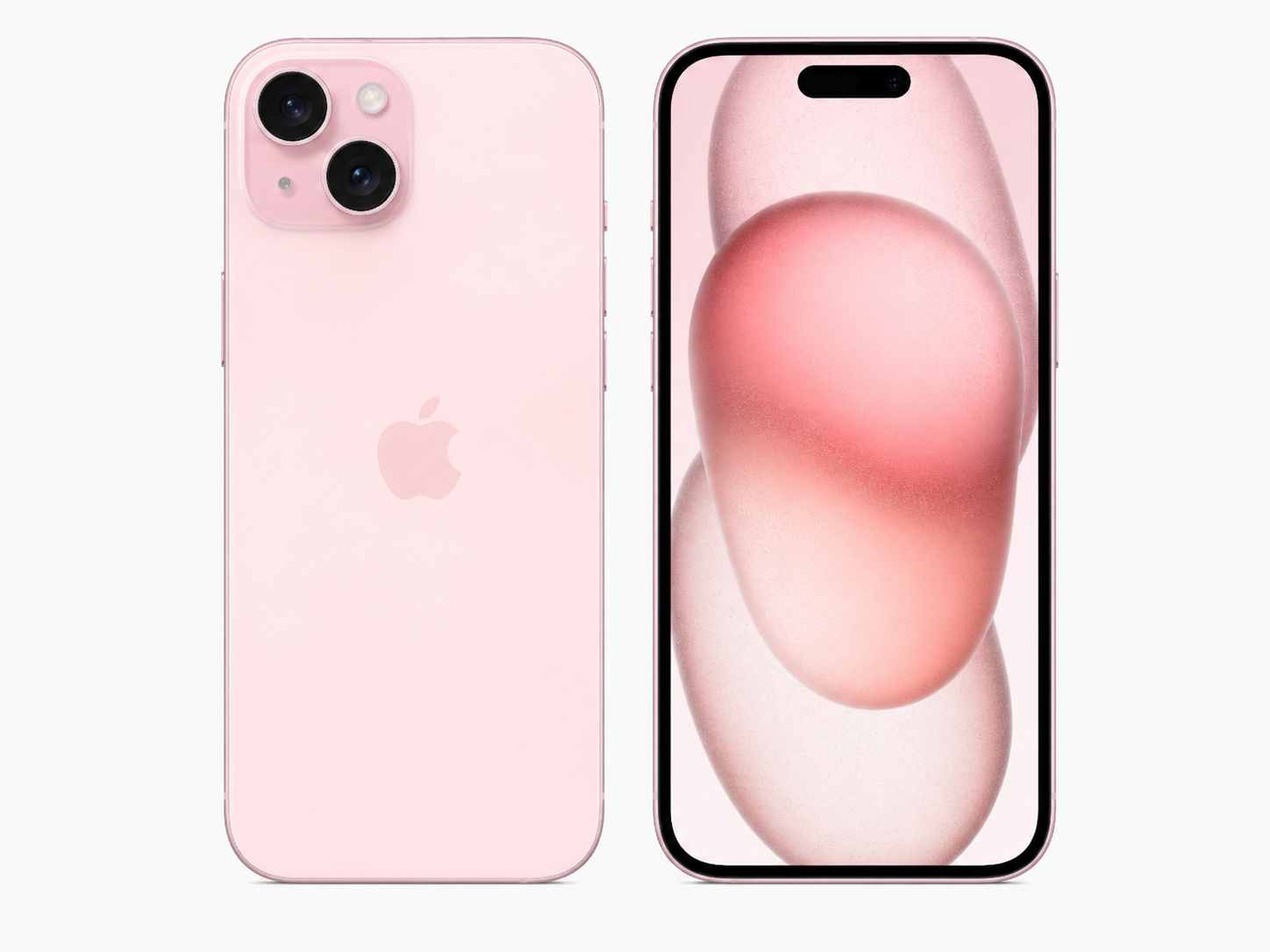
Both use 6.1-inch OLED panels at 60Hz, but iPhone 15 replaces the notch with Dynamic Island and has stronger outdoor brightness capability. These are perception upgrades rather than a change to basic screen usability, yet they can make iPhone 15 easier to present as the more current option.
| Display or Design Feature | iPhone 14 | iPhone 15 | Resale Relevance |
|---|---|---|---|
| Display type / refresh | OLED / 60Hz | OLED / 60Hz | Strong visuals; neither 120Hz. |
| Display cutout | Notch | Dynamic Island | 15 appears more current. |
| Outdoor brightness | Lower | Higher capability | Useful marketing distinction. |
| Overall look | Familiar design | Updated color-infused back | Condition remains more important. |
Cosmetic Display Check
- View screen on and off; inspect scratches, cracks, chips, burn-in, flicker, bright spots, lifting, and uneven gaps.
- Test touch across all areas, inspect frame corners, photograph defects, and grade the actual unit honestly.

5. Camera Upgrade: 12MP Main Camera vs 48MP Main Camera
iPhone 15’s 48MP main camera is one of its strongest resale advantages. It can provide more detail and a 2x optical-quality zoom option through the main camera system. That does not make it a telephoto device: neither standard model has a separate telephoto lens.
| Camera Feature | iPhone 14 | iPhone 15 | Buyer Value |
|---|---|---|---|
| Main camera | 12MP | 48MP | 15 has clearer photo upgrade. |
| Ultra Wide | 12MP | 12MP | Similar wide coverage. |
| 2x framing | Digital zoom | 2x optical-quality option | Useful for products and portraits. |
| Telephoto | Not included | Not included | Do not market as telephoto. |
| Low light / content | Capable | More detail and processing | 15 suits content-focused buyers. |
Camera Test Before Resale
- Test main and Ultra Wide cameras, near/far focus, normal and low-light photos, video, flash, and lens condition.
- Test iPhone 15’s 2x option and confirm switching and autofocus behaviour.

6. Storage, Battery, and Daily Value
Both begin at 128GB, giving them a stronger used-market baseline than older 64GB models. Battery health still needs separate disclosure: a good storage configuration and clean grade do not compensate for worn capacity, an important message, unstable charging, or unexplained repair history.
| Value Factor | iPhone 14 | iPhone 15 | Reseller Guidance |
|---|---|---|---|
| Storage | 128GB, 256GB, 512GB | 128GB, 256GB, 512GB | Match capacity to demand. |
| Battery position | Strong for generation | Similar category | Current health matters more. |
| Maximum capacity | Unit-specific | Unit-specific | Record and disclose. |
| Below 80% | May need service sooner | May need service sooner | Adjust price or plan. |
| Charging | Test Lightning | Test USB-C | Functional charging mandatory. |
Battery and Storage Checklist
- Confirm storage in Settings > General > About and check Settings > Battery > Battery Health & Charging.
- Record capacity, test charging, watch for heat, swelling, or display lift, and review Parts and Service History.
- Reseller instruction: price battery condition separately from cosmetic grade.

7. Apple Intelligence: Important for Honest Reseller Messaging
Customers may assume every iPhone 15 supports Apple Intelligence. Correct this clearly: standard iPhone 15 does not support it. Compatible devices begin with iPhone 15 Pro, iPhone 15 Pro Max, iPhone 16 models, or later compatible models. Both iPhone 14 and standard iPhone 15 support current iOS software compatible with their models, without a promised end date.
| Question | iPhone 14 | Standard iPhone 15 | Reseller Guidance |
|---|---|---|---|
| Apple Intelligence | No | No | Do not market either as AI-capable. |
| Current iOS | Compatible software | Compatible software | Explain present support, not future dates. |
| General app use | Strong | Strong | Both fit normal customers. |
| Buyer needing AI | Not suitable | Not suitable | Recommend compatible newer model. |
| USB-C without AI | Not suitable | Suitable | 15 can fit that buyer. |
8. SIM, eSIM, Carrier Lock, and Regional Compatibility
International resale requires device-specific verification. US-origin iPhone 14 and iPhone 15 models may be eSIM-only, which affects destinations where physical SIM remains important. Carrier Lock, regional model number, network bands, and IMEI records should be checked before purchasing, exporting, or listing a unit.
| Compatibility Check | Why It Matters | Reseller Action |
|---|---|---|
| Physical SIM tray | Needed by some buyers and carriers | Inspect actual configuration. |
| eSIM | Important in many markets | Confirm target-carrier support. |
| US-origin model | May be eSIM-only | Verify before export. |
| Carrier Lock | Limits buyer flexibility | Check Settings > General > About. |
| Network / IMEI | Determines local fit and records | Match documentation and destination. |
Regional Inventory Checklist
- Record exact model, SIM/eSIM configuration, Carrier Lock, IMEI, and target-market suitability.
- Segment eSIM-only stock clearly; never assume all units share the same configuration.

9. Condition, Repairs, and Quality Control Can Change the Better Choice
A newer model should not automatically win. Strong documentation and actual condition can make a well-kept iPhone 14 a safer and more profitable resale product than an uncertain iPhone 15. Storage, battery, clean identity, repair transparency, and expected return exposure all belong in the same commercial decision.
| Device Scenario | Better Resale Choice | Why |
|---|---|---|
| 14 256GB, 93% battery, Excellent vs 15 128GB, 79%, Good | Often iPhone 14 | Storage, battery, and condition can outweigh age. |
| 14 clear repair history vs 15 unexplained Unknown Part | Often iPhone 14 | Transparency reduces return risk. |
| 14 large discount and full record vs 15 small premium | Depends on buyer | Calculate feature value and margin. |
| 14 clean IMEI vs 15 mismatch | iPhone 14 | Identity and eligibility come first. |
| Price-first vs USB-C camera buyer | Segment by need | Customers value different upgrades. |
Unit-Level Quality-Control Checklist
- Match IMEI; confirm no Activation Lock and check Carrier Lock.
- Inspect display, glass, frame, cameras, buttons, and port; check Battery Health and Parts and Service History.
- Test Face ID, touch, cameras, audio, Wi-Fi, Bluetooth, calls, and charging; record grade, defects, repairs, and regional details.

10. Reseller Strategy: How to Stock Both Models Profitably
A mixed approach can work well. iPhone 14 can cover the lower entry-price tier, while iPhone 15 can serve a more current segment focused on USB-C, camera quality, and Dynamic Island. Profit is not automatic on either model; it depends on acquisition cost, grade, battery, repair history, channel demand, shipping, warranty exposure, and return rate.
| Inventory Goal | Recommended Model Strategy | Control Required |
|---|---|---|
| Budget entry range | More clean iPhone 14 units | Clear price advantage and disclosure. |
| Mainstream inventory | Stock both in matched grades | Segment feature and storage. |
| USB-C demand | Prioritize iPhone 15 | Test USB-C; market accurately. |
| Camera buyers | Prioritize iPhone 15 | Test 48MP and 2x option. |
| International export | Source to SIM/eSIM requirements | Record regional configuration. |
| Premium used stock | Excellent or Like New 15 | Strong battery and repair record. |
Wholesale Purchase Order Checklist
- Set iPhone 14/15 mix, storage distribution, grade definitions, battery range, clean IMEI, no Activation Lock, and carrier/SIM requirements.
- Set testing, Parts and Service History disclosure, unit/batch reporting, claim, return, and shipment process before payment.