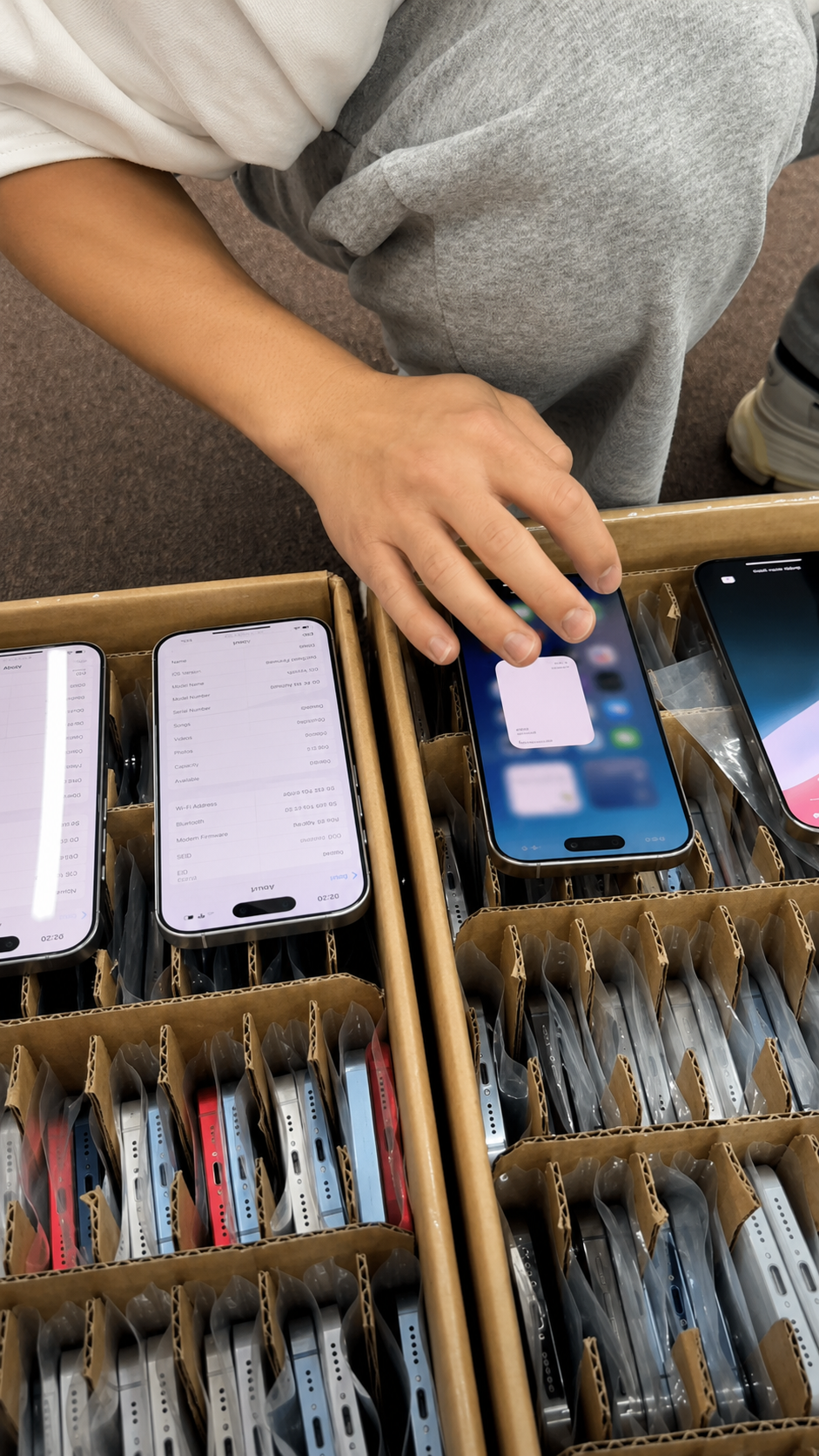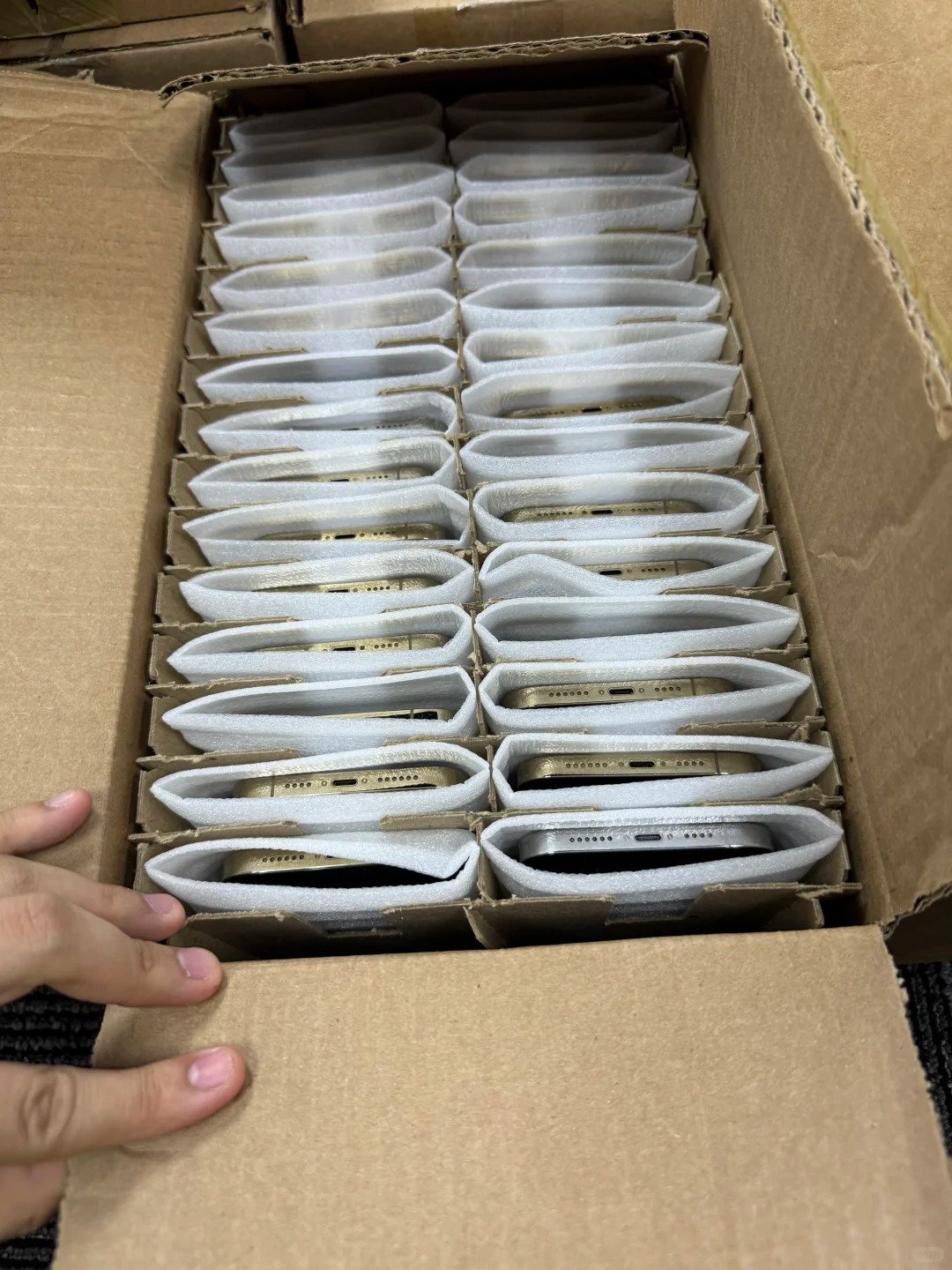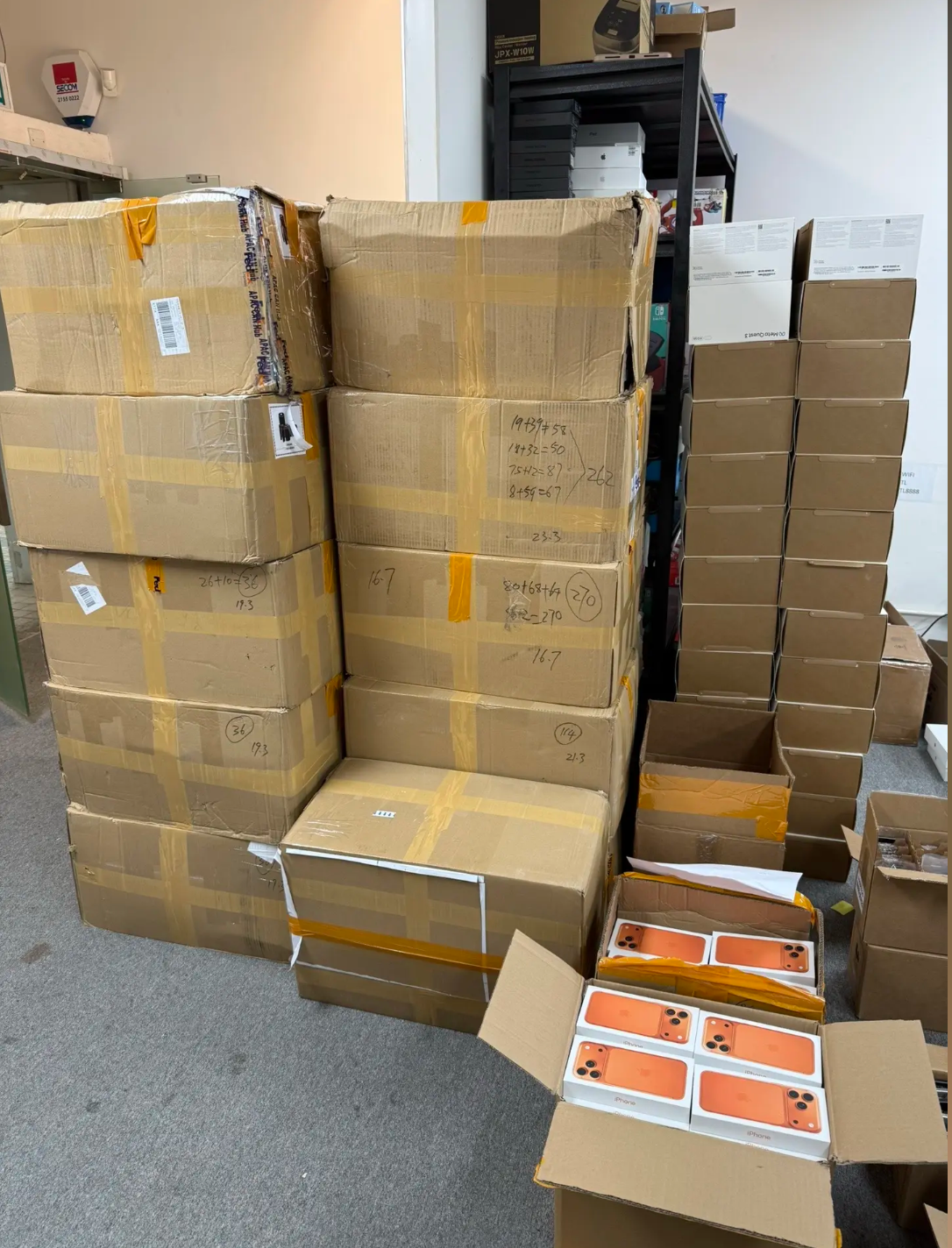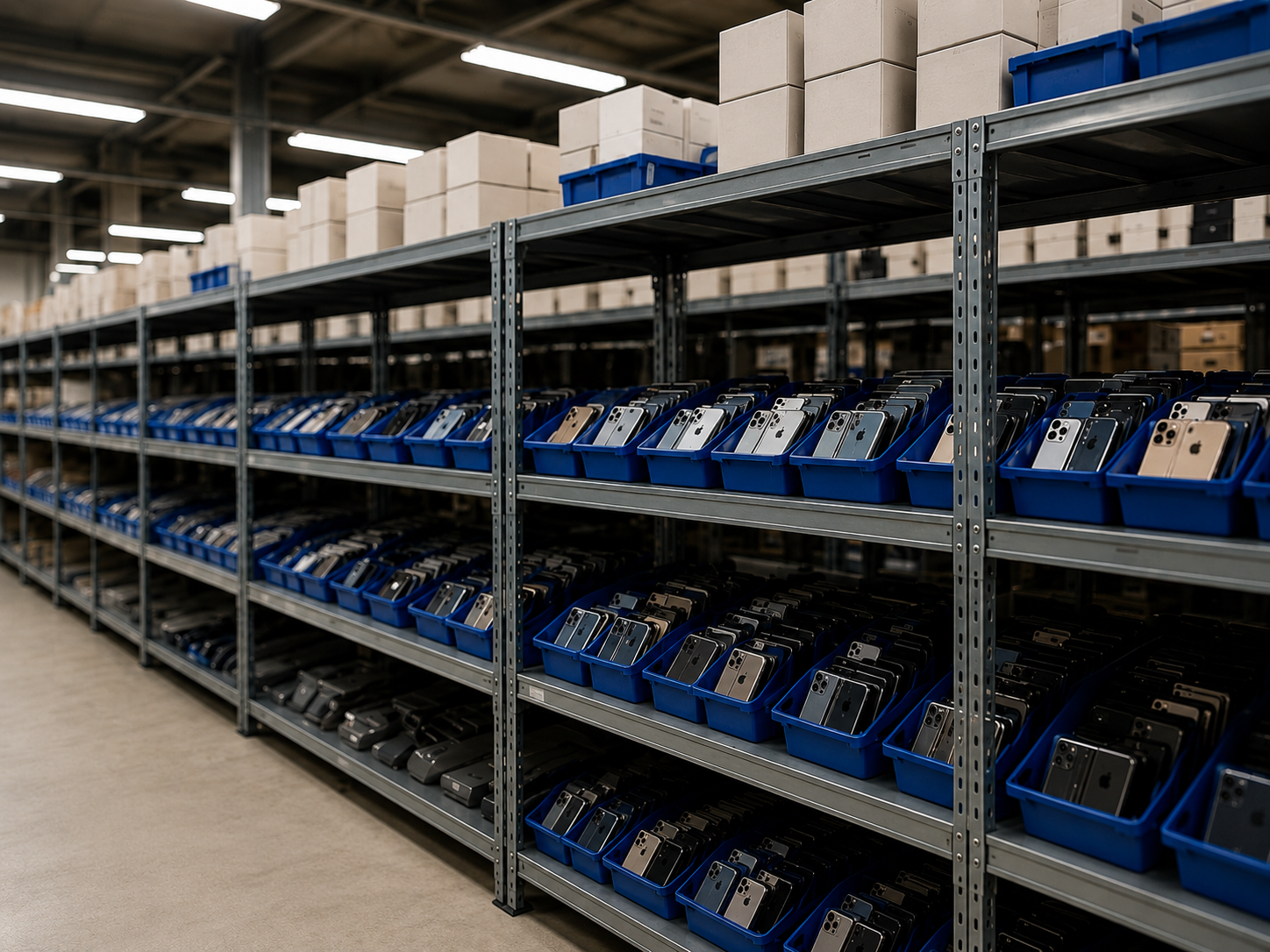


1. Authorized Distribution Channels for New Sealed iPhones
Authorized distribution channels may suit qualified businesses that need new sealed inventory, formal documents, and predictable supply terms. They are not automatically the right choice for every buyer because minimums, regional allocation, tax handling, and resale restrictions can affect fit.
| What to evaluate | Why it matters | Evidence to request |
|---|---|---|
| Business qualification requirements | Confirms channel eligibility. | Program requirements. |
| Authenticity and origin documents | Supports product traceability. | Commercial invoice and source record. |
| Model and regional version | Determines market fit. | Exact model number. |
| Warranty terms | Sets buyer expectation. | Written coverage scope. |
| Minimum order quantity | Controls capital exposure. | Current allocation policy. |
| Delivery terms | Allocates cost and risk. | Agreed shipment terms. |
| Tax documentation | Supports compliant resale. | Invoice and applicable tax record. |
| Resale restrictions where applicable | Prevents channel mismatch. | Written channel rules. |
Questions Before Buying New Sealed iPhones Wholesale
- Which model numbers and regions are included?
- Who is the contracting and invoicing entity?
- What minimum quantity and delivery terms apply?
- What warranty and resale conditions are documented?
- How will the shipment and allocation be identified?
2. Verified B2B Used iPhone Wholesalers
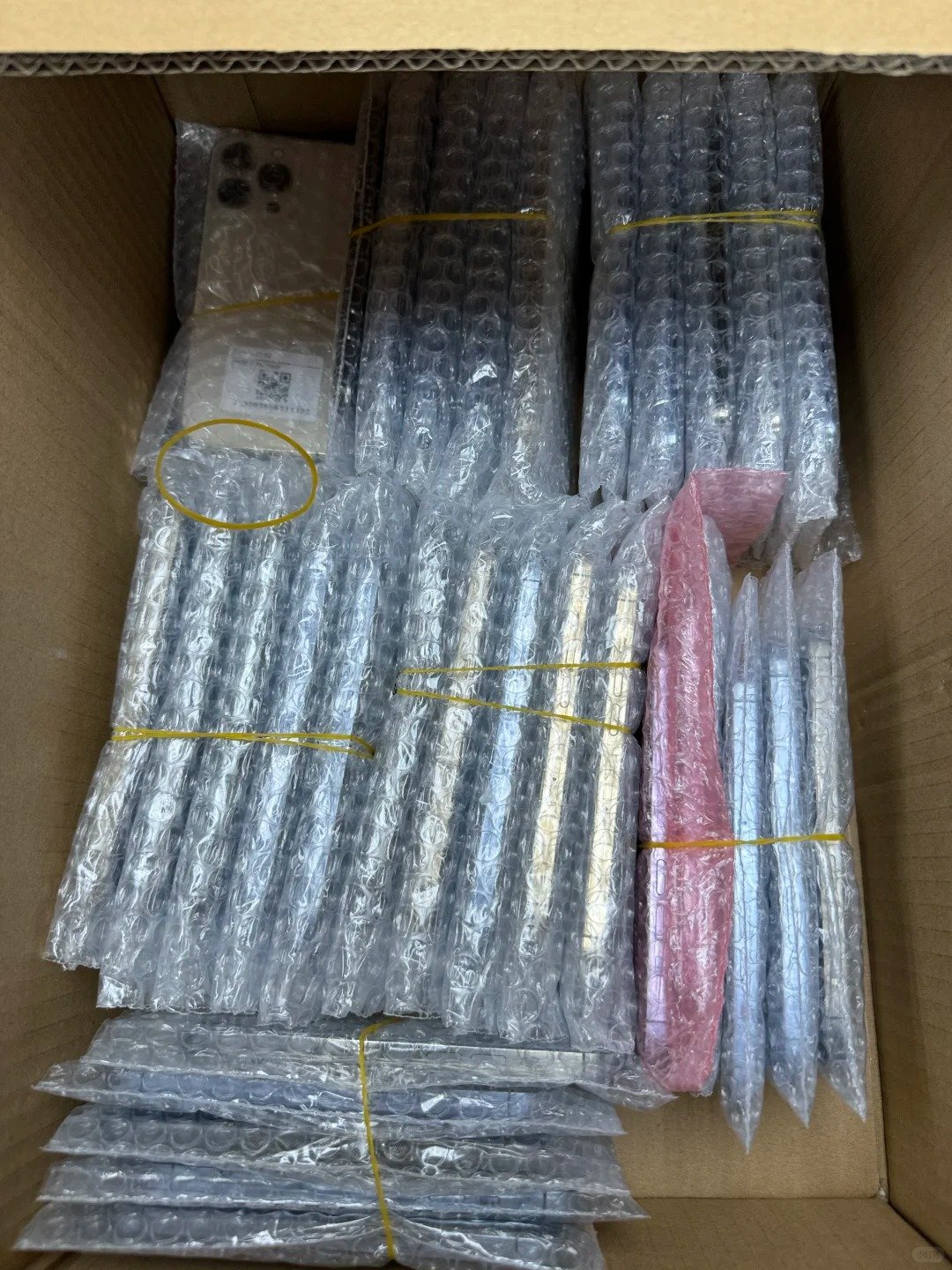
Verified B2B wholesalers can suit buyers that need mixed or recurring used-iPhone stock for retail resale. A supplier’s legal identity, physical business details, and current stock list are useful starting points, but the buyer must still verify every lot against its own acceptance standard.
| Supplier requirement | Why it matters | Buyer action |
|---|---|---|
| Legal business identity | Creates accountable contracting. | Match invoice and payment entity. |
| Physical business details | Supports traceable communication. | Record verified contact details. |
| Current inventory visibility | Prevents allocation assumptions. | Request model and quantity list. |
| Written grade standards | Grades are not universal. | Agree rejection criteria. |
| IMEI or serial manifest | Matches devices to records. | Use secure records. |
| Battery-health disclosure | Sets condition expectation. | Confirm range or policy. |
| Function-test evidence | Shows testing scope. | Review test result. |
| Return policy | Defines exception recovery. | Get terms in writing. |
| Payment terms | Controls exposure. | Confirm invoice details. |
| Shipment documentation | Supports receiving claims. | Match packing list and delivery. |
Signs of a More Transparent Wholesale Supplier
- Clear business and invoice identity.
- Current, configuration-specific inventory records.
- Written grade and battery definitions.
- Secure manifest and stated test scope.
- Documented return, shipment, and exception terms.

3. Refurbishers and Trade-In Processors
Refurbishment and trade-in channels may offer tested and prepared inventory, but the buyer needs to understand the device condition and repair history. “Refurbished” does not carry one universal standard across suppliers or regions.
| Supplier type | Potential benefit | Key question | Suitable resale use |
|---|---|---|---|
| Refurbisher | Prepared resale stock | What parts and tests apply? | Retail with defined condition. |
| Trade-in processor | Organized intake flow | How were devices screened? | Distributor with QC. |
| Device recycler | Recovery sorting | What is resale-ready? | Technical buyer. |
| Reconditioning operation | Specific defects addressed | What repair history is disclosed? | Repair or resale channel. |
| Certified pre-owned provider | Defined program process | What does the program cover? | Buyer needing stated policy. |
What to Confirm About Refurbished iPhones
- What was tested.
- Whether any parts were replaced.
- Battery condition.
- Cosmetic grading method.
- Data-erasure process.
- Warranty or return coverage.
- Packaging and accessory status.

4. Carrier, Operator, and Authorized Liquidation Sources
Carrier and operator channels may provide trade-ins, customer returns, insurance returns, and surplus inventory. Condition, device history, and lock status can differ across lots, so the stream name alone does not prove readiness.
| Inventory stream | Potential opportunity | Main risk | Buyer verification |
|---|---|---|---|
| Trade-in devices | Organized replacement flow | Mixed condition | Manifest and sampling. |
| Customer-return stock | Potentially light use | Fault or missing-item risk | Test category. |
| Insurance replacement returns | Defined source stream | Ownership and status handling | Lawful records. |
| Overstock | Consistent configuration possible | Allocation mismatch | Model confirmation. |
| Cancelled-order inventory | Potentially clean stock | Incomplete documentation | Invoice and condition check. |
| Liquidated handset stock | Lot sourcing option | Mixed readiness | Inspect representative units. |
How to Evaluate a Carrier or Liquidation Offer
- Confirm the legal selling entity.
- Request a detailed manifest.
- Check lock and blacklist status.
- Review test and grade evidence.
- Inspect a sample.
- Confirm return and exception terms.

5. B2B Sourcing Marketplaces and Trading Networks
B2B marketplaces can widen supplier discovery and help buyers locate specific models, storage configurations, or regional versions. They can also support small test orders, but every seller and batch still needs direct verification.
| Marketplace advantage | Why it helps | Required buyer control |
|---|---|---|
| Broader supplier discovery | More possible sources | Vet each legal entity. |
| Model and region comparison | Find specific configurations | Match model number. |
| Mixed-lot sourcing | Supports varied demand | Set per-model acceptance. |
| Smaller test orders | Limits first-order exposure | Use inspection plan. |
| Inventory search | Speeds discovery | Confirm availability directly. |
| Quote comparison | Shows term differences | Normalize specifications. |
| Relationship building | Can improve repeat communication | Review every lot. |
B2B Marketplace Red Flags
- Missing legal business information.
- No written grade definition.
- No device-level or batch-level manifest.
- No evidence of testing.
- Payment pressure before documentation is complete.
- Mismatched payment-account and company names.
- Unusually deep discounts without a clear reason.
- Unclear return or dispute process.

6. Regional Distributors and Local Wholesale Markets
Local and regional distributors can offer faster delivery, market familiarity, and easier inspection. Their model availability and pricing may differ from international sources, so their convenience should be weighed against overall delivered value.
| Potential benefit | Potential limitation | Best use case |
|---|---|---|
| Faster local delivery | Smaller allocation | Urgent replenishment. |
| Easier physical inspection | Requires buyer time | New-supplier acceptance. |
| Lower cross-border complexity | Fewer source options | Domestic retail. |
| Local network familiarity | Model still needs checking | Region-specific stock. |
| Smaller order flexibility | May cost more per unit | Test order. |
| Limited inventory depth | May not support scale | Supplemental stock. |
| Potentially higher unit cost | Convenience can mask cost | Landed-cost comparison. |
| Less rare-model access | Fewer combinations | Standardized demand. |
Before Buying From a Regional iPhone Distributor
- Inspect a sample against its written grade.
- Confirm model number, region, and SIM/eSIM configuration.
- Match secure records, invoice, and devices.
- Agree delivery, return, and dispute terms.
- Check locks and functional evidence independently.

7. Auction, Liquidation, and As-Is Lots
Auction and as-is inventory can suit experienced buyers with testing, repair, and quarantine capabilities. Untested or as-is units should never be treated as guaranteed resale-ready stock, and buyers without internal QC should prioritize documented, tested inventory.
| Lot type | Potential upside | Main risk | Suitable buyer |
|---|---|---|---|
| Tested mixed lots | Defined variety | Grade variation | Reseller with receiving controls. |
| Untested returns | Possible recovery | Unknown faults and status | Testing operation. |
| As-is lots | Specialist opportunity | No readiness guarantee | Risk-aware buyer. |
| Repairable lots | Repair margin potential | Parts and labor needs | Qualified repair business. |
| Parts-only lots | Component use | Not retail-ready | Parts specialist. |
| Overstock lots | Consistent configuration | Current status must be checked | Demand-matched buyer. |
When a Lower-Priced Lot Can Cost More Overall
- Testing and sorting consume the apparent discount.
- Repair and warranty allowances are underestimated.
- Missing records prevent compliant resale.
- Locks, blacklist status, or unclear ownership make units unusable.
- Return terms leave exceptions with the buyer.

8. Compare Wholesale Quotes Correctly
Compare quotes line by line, not by the lowest headline price. Every quote should state the exact model, model number, storage, grade, battery, test, lock, identifier, region, quantity, payment, and delivery terms.
| Quote factor | Supplier A | Supplier B | What must match |
|---|---|---|---|
| Exact model | Declared | Declared | Same variant. |
| Model number | Listed | Listed | Same region. |
| Storage capacity | Listed | Listed | Same mix. |
| Color | Listed | Listed | Same configuration. |
| Grade definition | Supplier rule | Supplier rule | Written criteria. |
| Battery condition | Policy | Policy | Same threshold. |
| Function-test status | Scope | Scope | Same evidence. |
| Carrier-lock status | Declared | Declared | Same restriction. |
| Activation Lock status | Declared | Declared | Clear handover. |
| IMEI status | Evidence | Evidence | Authorized-source scope. |
| Quantity | Allocation | Allocation | Same count. |
| Regional version | Listed | Listed | Market fit. |
| Delivery terms | Stated | Stated | Risk allocation. |
| Return terms | Stated | Stated | Same remedy. |
| Payment terms | Stated | Stated | Same exposure. |
| Estimated landed cost | Estimate | Estimate | All costs included. |
Estimated landed cost equals purchase cost plus shipping, taxes or duties where applicable, payment charges, testing cost, repair allowance, warranty allowance, and handling cost.

9. Build a Complete iPhone Manifest
A clear manifest is one of the most important documents in a wholesale iPhone transaction. It lets the buyer reconcile each unit with the quote and isolate exceptions without relying on broad lot descriptions.
| Manifest field | Why it matters | Example of an acceptable entry |
|---|---|---|
| Model name | Commercial identity | Declared iPhone model. |
| Model number | Regional hardware context | Exact model number. |
| Storage capacity | Resale configuration | 128GB. |
| Color | Listing match | Specified finish. |
| IMEI or serial number | Secure unit match | Private per-unit record. |
| Grade | Cosmetic expectation | Grade plus written definition. |
| Battery health or condition | Acceptance threshold | Declared range. |
| Test result | Function evidence | Pass with stated scope. |
| Carrier-lock status | Network restriction | Declared status. |
| Activation Lock status | Resale readiness | Off at handover. |
| SIM/eSIM configuration | Market compatibility | Tray and eSIM note. |
| Region or version | Destination fit | Original sales region. |
| Quantity | Receiving control | Per-line and total. |
| Defect or repair notes | Disclosure | Specific repair note. |
Manifest Requirements Before Final Payment
- Match quote, model, grade, and quantity.
- Keep identifier records secure.
- Disclose locks and defects separately.
- Agree sampling and claims evidence.
- Record the acceptance deadline.

10. Sample Orders, Delivery, and Incoming Inspection
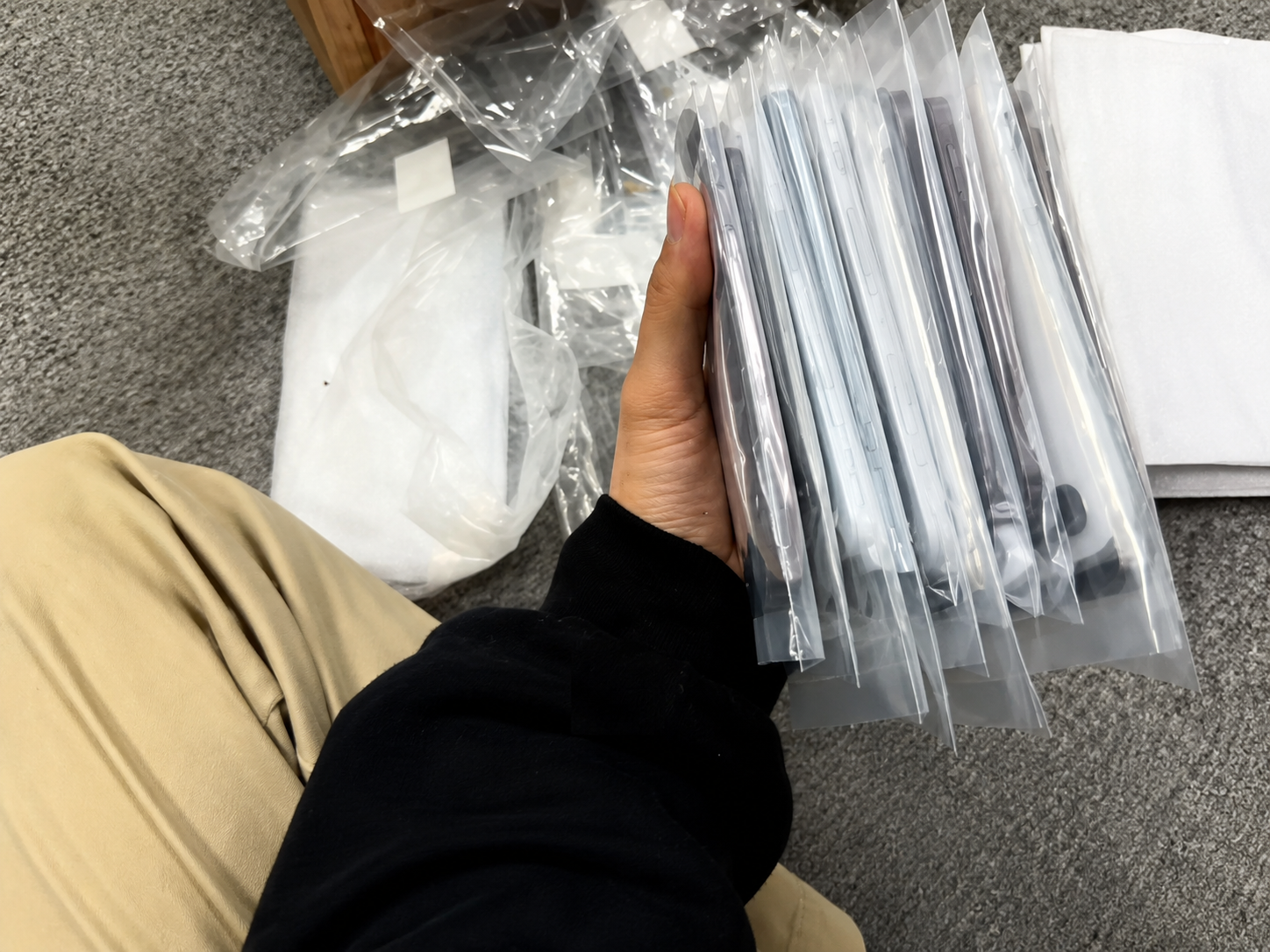
Sample orders and incoming inspection protect buyers before they commit to recurring volume. A sample can test documentation, physical grade, functional condition, supplier communication, and exception handling at a controlled scale.
| Stage | What to do | Why it matters |
|---|---|---|
| Supplier-document review | Review quote and records. | Find gaps before payment. |
| Sample-order request | Order representative units. | Limits first exposure. |
| Pre-shipment confirmation | Confirm allocation. | Stops configuration drift. |
| Incoming manifest match | Match units to record. | Find shipment errors. |
| IMEI and lock verification | Use legitimate checks. | Separates status risk. |
| Cosmetic grade inspection | Use written criteria. | Supports factual acceptance. |
| Functional testing | Test agreed functions. | Measures readiness. |
| Exception documentation | Record evidence. | Supports claims. |
| Supplier feedback | Discuss findings. | Tests response process. |
| Scale-up decision | Approve or adjust. | Connects volume to evidence. |
From First Supplier Contact to a Repeat Wholesale Order
- Define the required configuration and market.
- Request quote, grade rules, and secure manifest.
- Confirm entity, payment, delivery, and return terms.
- Set sampling and acceptance criteria.
- Inspect the shipment and record exceptions.
- Scale only when the lot meets the agreed standard.

11. Compliance, Documentation, and Safe Resale
This is general information, not legal advice. Buyers must comply with applicable import, tax, product-safety, consumer-protection, data-handling, and destination-market requirements; a legitimate sales channel does not remove these responsibilities.
| Compliance area | Why it matters | Practical action |
|---|---|---|
| Import and tax requirements | Lawful market entry | Check destination rules. |
| Destination-market device rules | Supports compatible resale | Confirm regional fit. |
| Consumer-protection obligations | Accurate buyer disclosures | State condition and restrictions. |
| Data-erasure procedures | Protects prior users | Use lawful erase process. |
| Invoice and shipment records | Supports claims | Retain source documents. |
| Warranty and return disclosures | Sets customer expectations | Write terms clearly. |
| Device ownership and lock status | Prevents unusable stock | Reject unresolved issues. |
| Accurate condition listings | Supports fair resale | Match listing to evidence. |
Records to Keep for Every Wholesale iPhone Purchase
- Quote, invoice, and payment record.
- Secure manifest and inspection evidence.
- Grade, battery, and test documentation.
- Shipment and delivery record.
- Exception, return, and supplier communication record.
12. Final Wholesale Supplier Checklist
Supplier verification
- Legal business identity confirmed.
- Physical details and contacts recorded.
- Payment entity matches invoice.
- Written grade definitions available.
- Sample and documentation process clear.
Device and inventory verification
- Model, number, storage, and region match.
- Secure IMEI or serial manifest is available.
- Battery and functionality evidence is stated.
- Carrier Lock and Activation Lock are separate checks.
- Repairs, defects, and SIM/eSIM details are disclosed.
Commercial verification
- Like-for-like quotes are compared.
- Payment and return terms are written.
- Landed cost includes recovery allowances.
- Sample-order acceptance is agreed.
- No decision relies only on unit price.
Delivery and acceptance verification
- Shipment documents identify the lot.
- Incoming inspection plan is ready.
- Sampling and test scope are defined.
- Exceptions are recorded to the manifest.
- Resale listings reflect verified condition.