
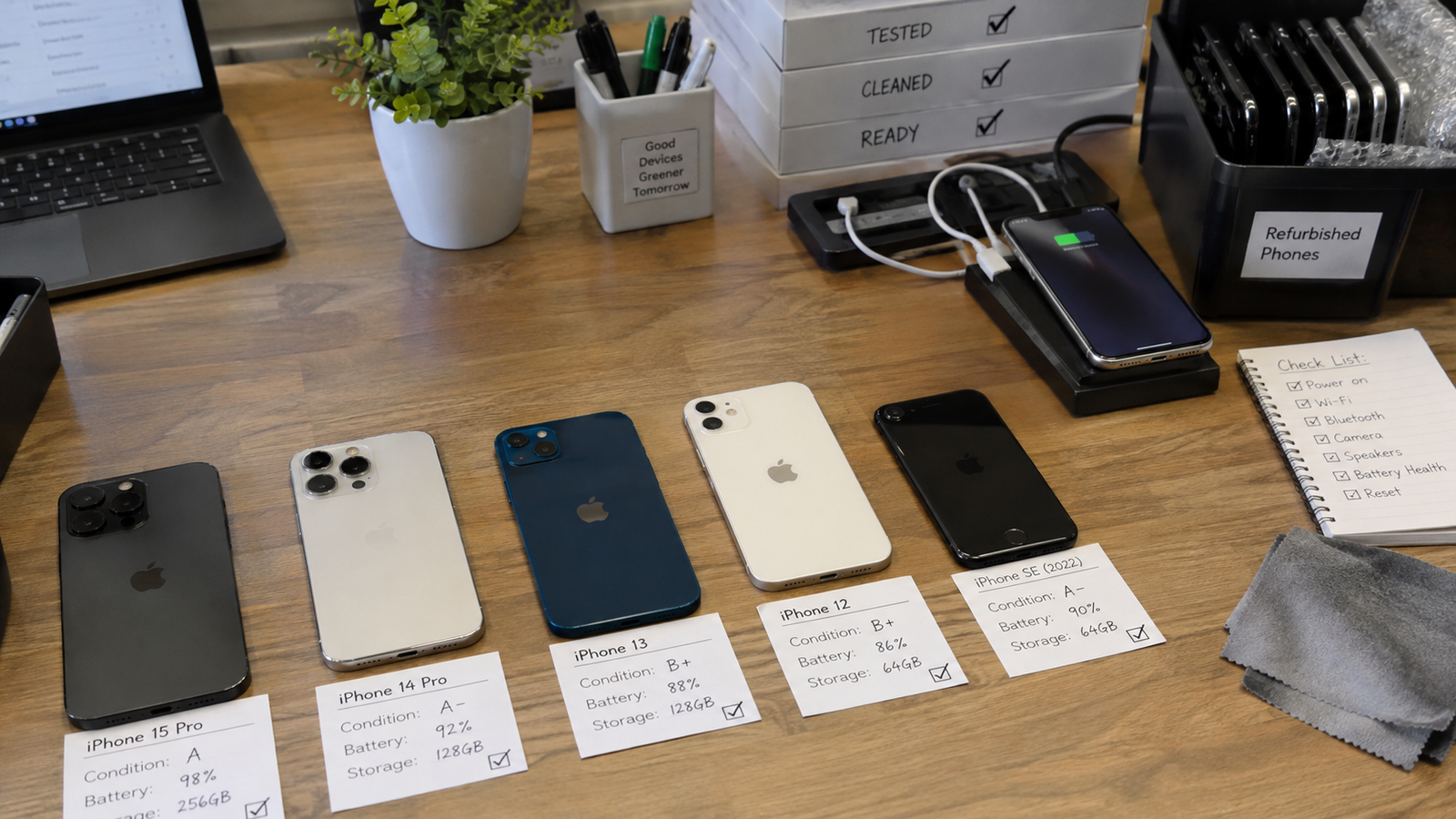
How to Choose the Best Refurbished iPhone in 2026
Choose a model after reviewing total cost of ownership, not only the purchase price. A less expensive phone can create more after-sale work if its battery, grade, parts history, documentation, or return terms do not match the channel where it will be used or resold.
Seven-Factor Selection Framework
- Budget and target resale price.
- Model age and expected useful life.
- Chip performance and feature needs.
- Camera and display requirements.
- Battery condition and battery policy.
- Storage capacity and resale demand.
- Refurbisher quality, warranty, and return terms.
Do Not Decide on Model Alone
| Check | Why it changes the buying decision |
|---|---|
| Cosmetic grade | Sets customer-facing appearance expectations, but not full functionality. |
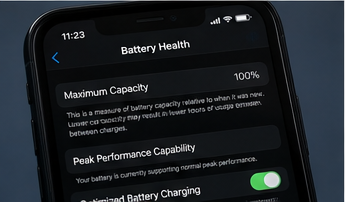
| Battery health | Affects value, expected runtime, and future service exposure. |
| Parts and repair history | Helps buyers understand disclosed repair work where information is available. |
| Activation and carrier status | Determines whether normal setup and intended network use are possible. |
| Warranty | Defines practical support after the invoice is paid. |
| Return policy | Sets the evidence, timing, and remedy for exceptions. |
| IMEI or serial documentation | Supports unit reconciliation and receiving control. |
| Accessories and packaging | Can affect retail presentation and comparable landed cost. |
Best Overall Refurbished iPhone in 2026: iPhone 15
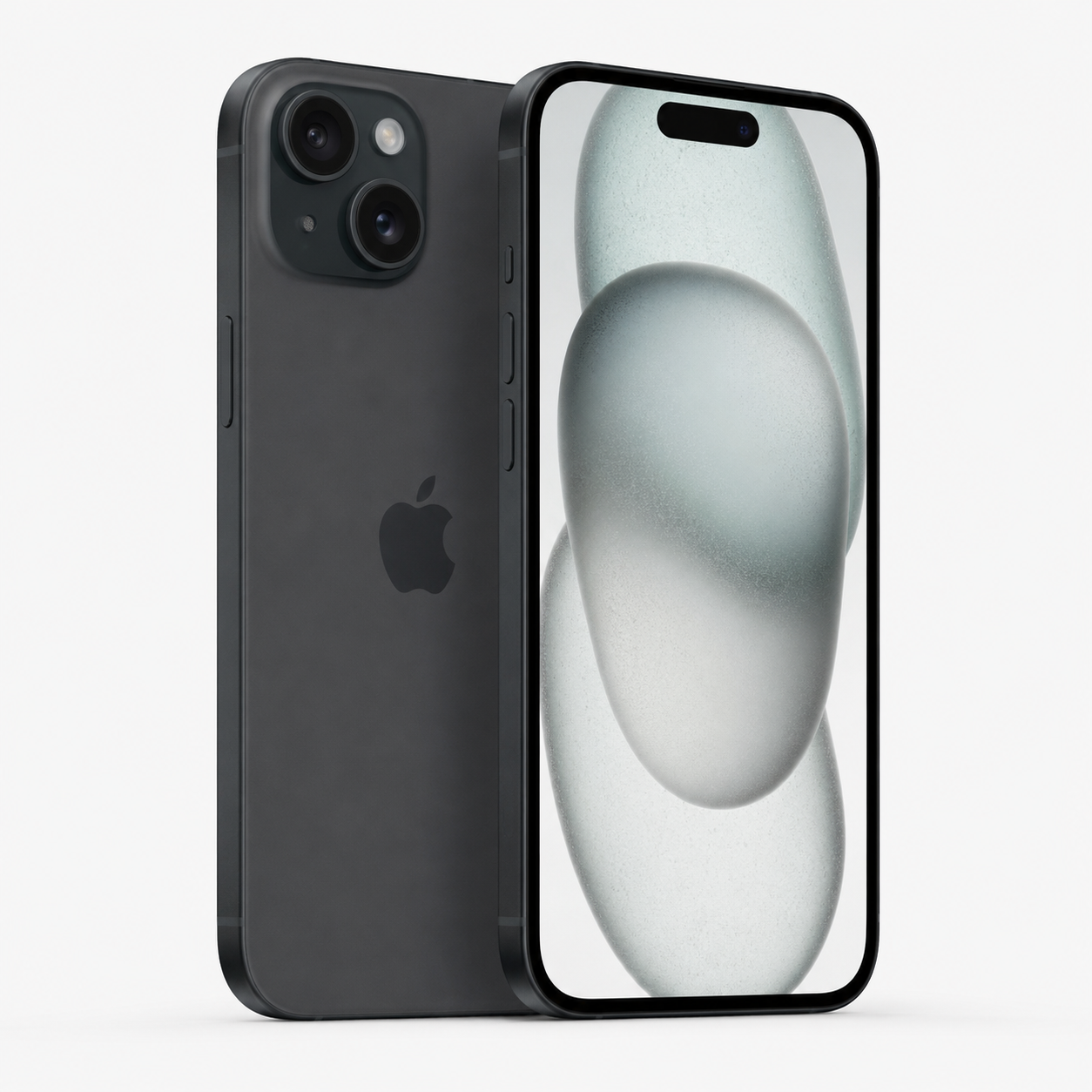
For many buyers, iPhone 15 is a strong all-round starting point. It combines a modern design, practical everyday performance, USB-C convenience, a 48MP main camera system, and familiar resale appeal across personal, retail, and B2B channels.
“Best overall” remains conditional. The right unit should have a price, battery condition, storage option, cosmetic grade, and warranty that fit the buyer’s market rather than simply carry the iPhone 15 name.
Who Should Choose a Refurbished iPhone 15?
- Everyday users who want a current-feeling phone without paying for a Pro tier.
- Small retailers seeking a model with wide customer recognition.
- Online resellers who can present its condition and USB-C feature clearly.
- Buyers upgrading from older Lightning-based models who value a practical connector change.
What to Check Before Buying an iPhone 15
- Storage capacity and local demand for each capacity.
- Battery health, test date, and any replacement disclosure.
- USB-C port charging and data function.
- Front and rear cameras, Face ID, speakers, and display.
- Carrier status and normal setup readiness.
- Parts and Service History where available.
- Written grade definition and warranty terms.
When iPhone 15 Is Not the Best Choice
| Situation | Better comparison | Reason |
|---|---|---|
| Lowest viable cost is the priority | iPhone 13 | It can fit a lower price tier when condition is strong. |
| Large display and runtime matter most | iPhone 15 Plus | It targets buyers who prefer more screen space. |
| Premium camera and display needs | iPhone 15 Pro | Its extra capabilities may support a premium channel. |
| Newer-value stock is available | iPhone 16e or iPhone 16 | Compare the verified price gap and condition, not release year alone. |
Best Budget Refurbished iPhone in 2026: iPhone 13
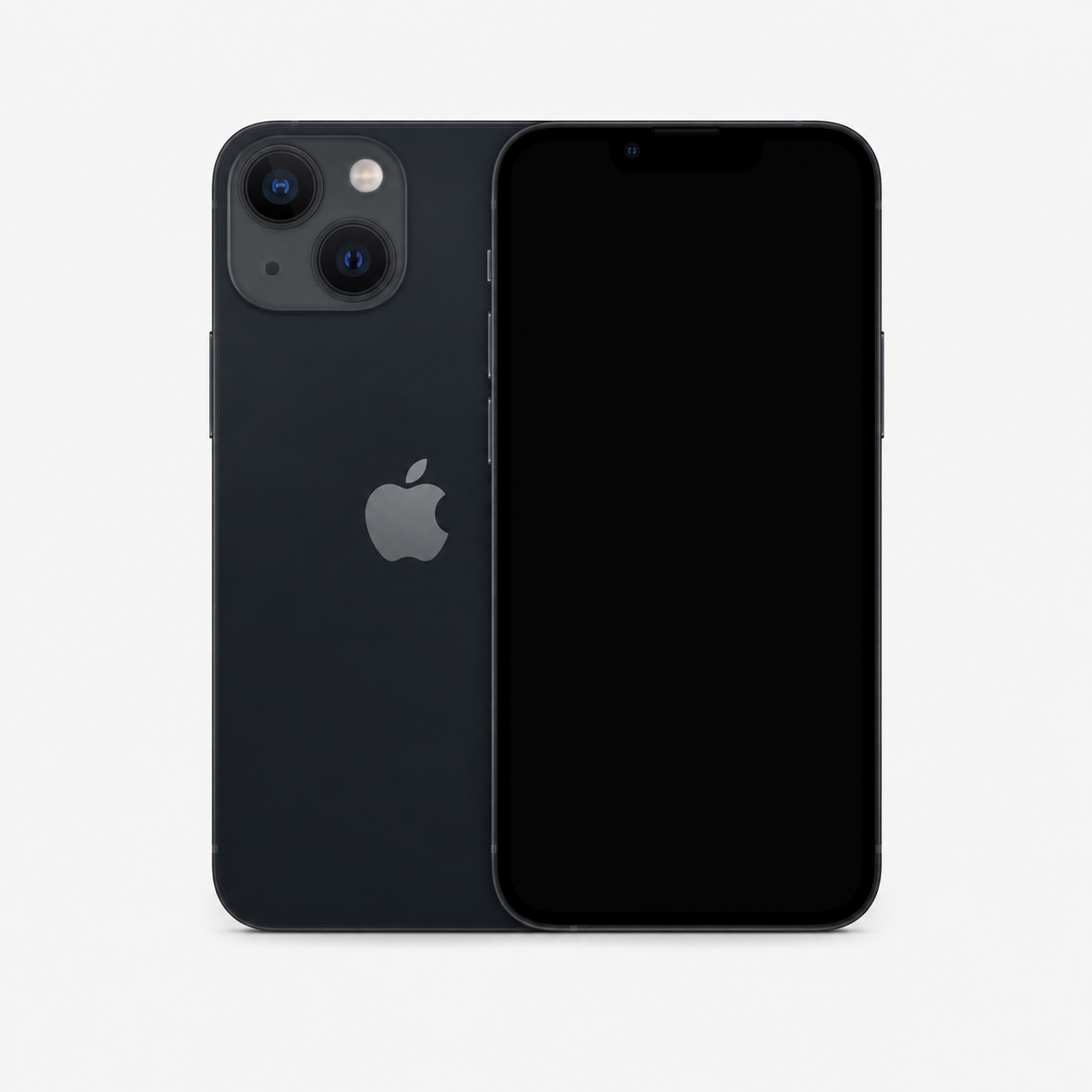
iPhone 13 remains a meaningful budget option when it comes from a reputable source with documented condition. Its appeal is strongest when the saved cost compared with an iPhone 15 is large enough to offset its Lightning connector, older hardware, and shorter remaining software runway.
Software support and feature availability can change. Buyers should confirm current compatibility through Apple before purchase rather than relying on a promised number of future iOS updates.
Why iPhone 13 Still Delivers Value
- OLED display and capable A15 performance for common business and personal use.
- 5G and MagSafe support for established accessory and network expectations.
- Familiar resale demand in many price-sensitive channels.
- Usually broad refurbished supply, allowing buyers to compare grade and battery standards.
Important iPhone 13 Trade-Offs
| Trade-off | What it means for buyers |
|---|---|
| Lightning instead of USB-C | Some buyers prefer common USB-C charging across newer devices. |
| Older camera hardware | It may not match a newer model’s appeal for camera-led retail. |
| Potentially lower battery health | Older stock needs a defined threshold or disclosed measured range. |
| Shorter software runway than newer models | Current support and features should be checked with Apple at purchase time. |
Who Should Avoid iPhone 13?
- Buyers who prioritise USB-C.
- Buyers seeking advanced camera features or premium display positioning.
- Buyers whose Apple Intelligence-compatible hardware needs are confirmed as essential.
- Buyers seeking the longest possible useful life and willing to pay for newer stock.
Best Large-Screen Refurbished iPhone: iPhone 15 Plus
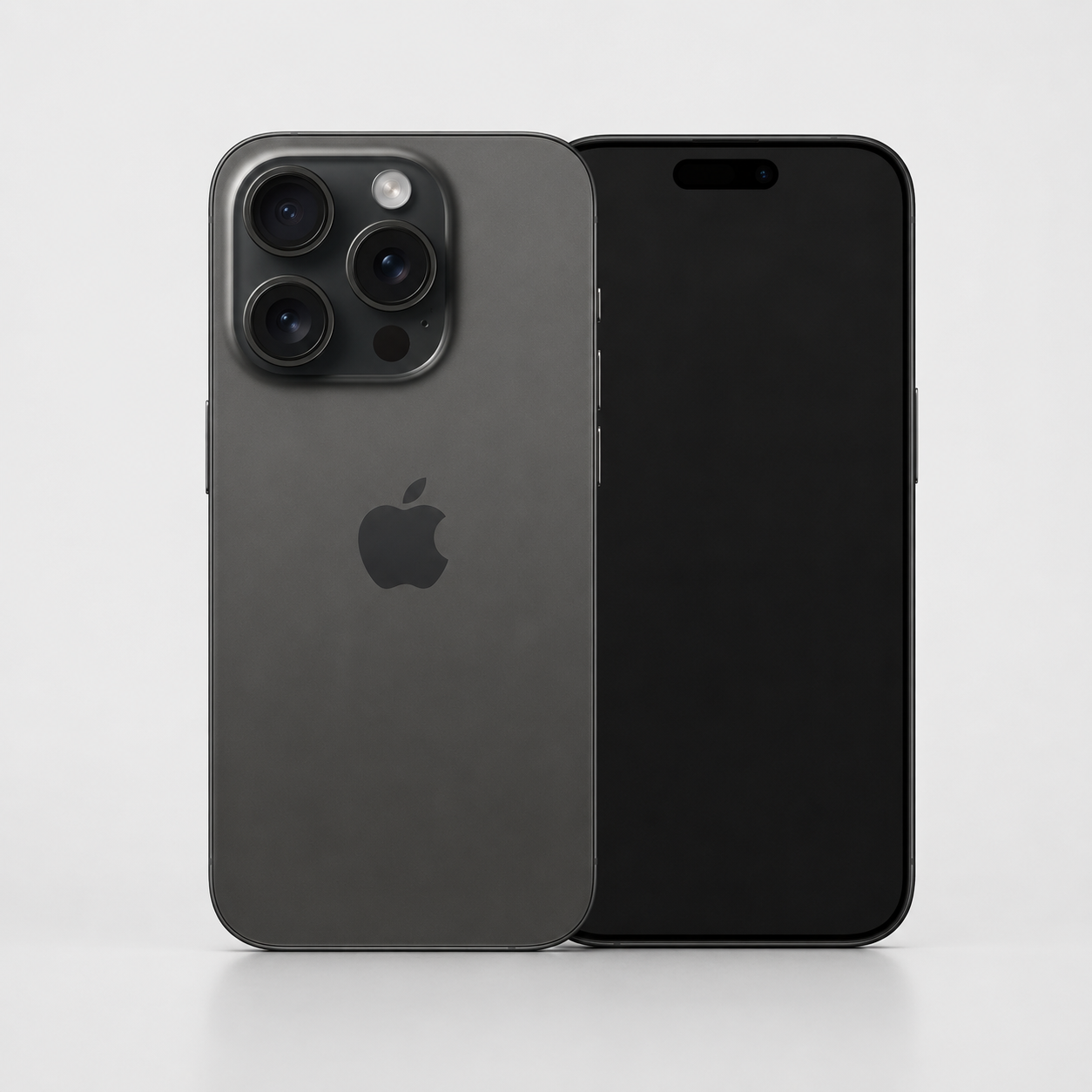
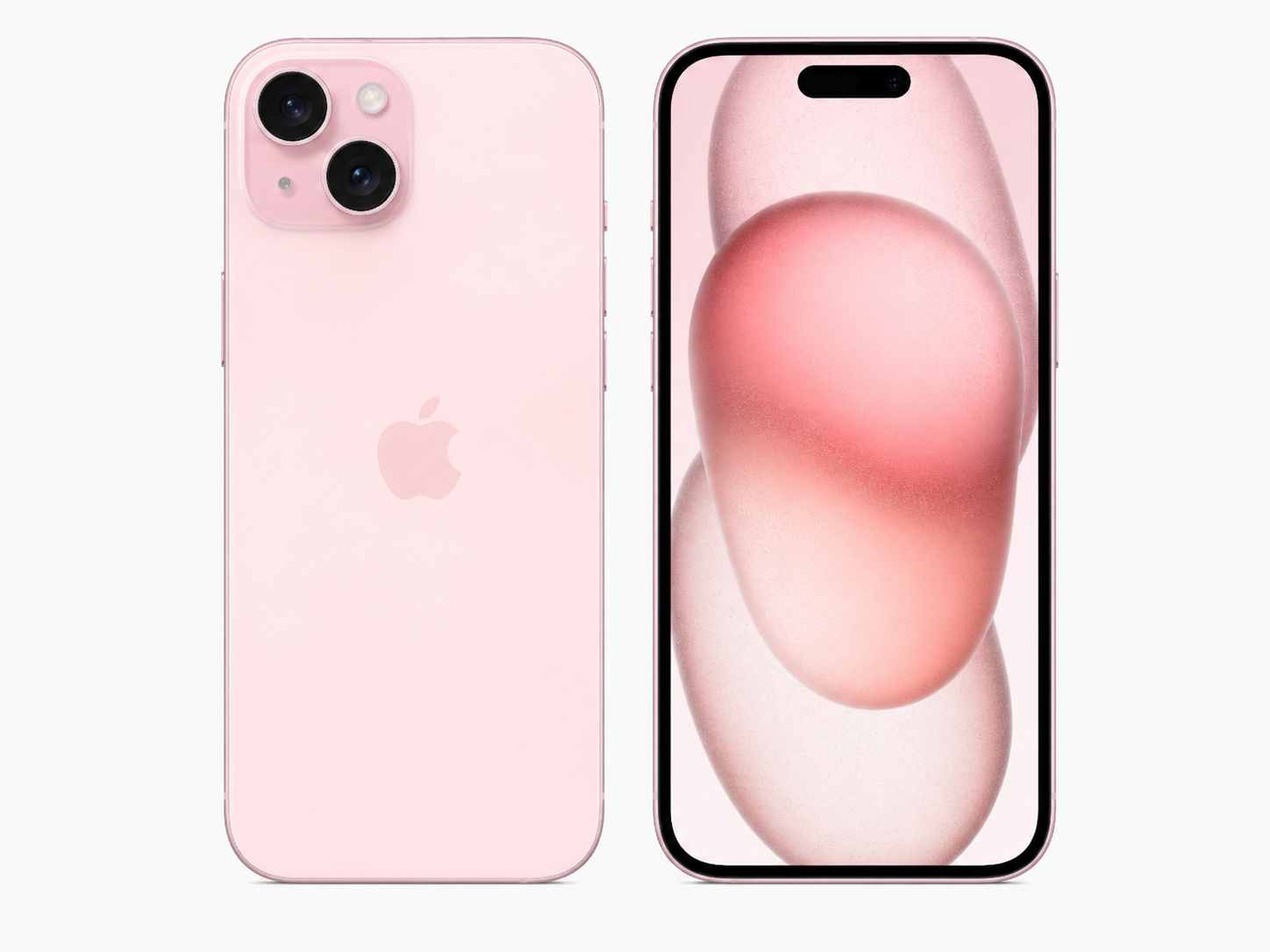
iPhone 15 Plus can suit buyers who want a larger display without moving into the Pro tier. For retail, it offers a clear upsell path for customers who value viewing space and daily runtime more than premium camera hardware.
| Factor | iPhone 15 | iPhone 15 Plus |
|---|---|---|
| Screen-size preference | More compact everyday handling. | More room for content, messaging, and product viewing. |
| Battery expectations | Check each unit’s reported condition. | Check each unit’s reported condition; larger format may suit long-day users. |
| Portability | Better for buyers who prefer a smaller device. | Better for buyers accepting a larger handset. |
| Camera system | Comparable mainstream positioning. | Comparable mainstream positioning. |
| Storage decision | Match to everyday apps and resale tier. | Match to media, business use, and price expectation. |
| Typical buyer | Broad mainstream user. | Large-screen user seeking non-Pro value. |
Best for
- Buyers who value a large display.
- Customers managing product images, messages, or business communication.
- Users who prefer longer daily runtime expectations without a Pro premium.
- Retail channels needing higher-end non-Pro resale positioning.
Best Premium Refurbished iPhone: iPhone 15 Pro and iPhone 15 Pro Max
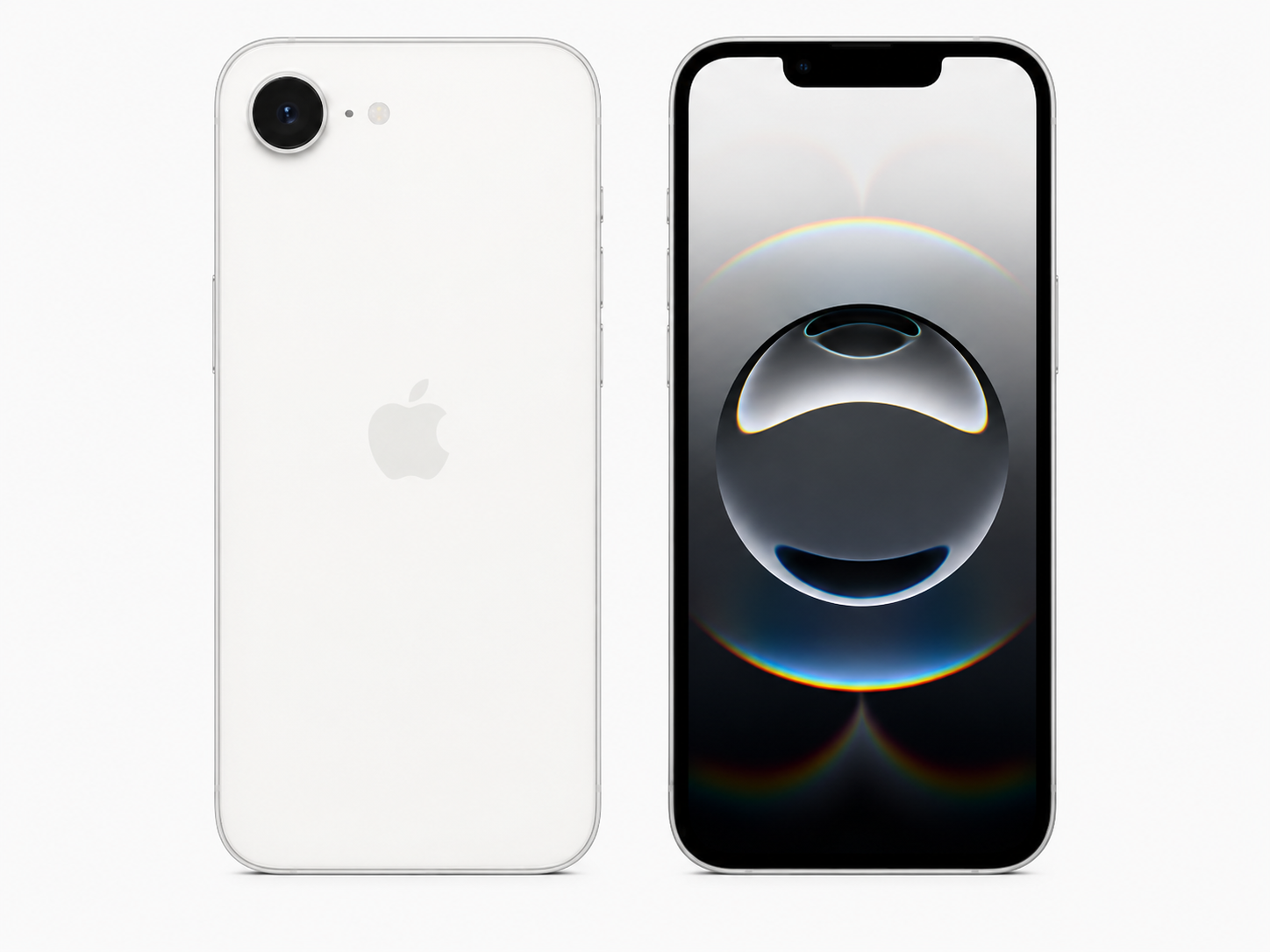
Pro models make sense when the buyer can use and explain their premium features. They can support demanding camera, display, performance, and storage needs, but a higher purchase price must be compared against physical condition, battery health, and the actual premium customers will pay in the destination market.
Why Choose a Refurbished Pro Model?
- Pro display features for buyers who place a premium on screen experience.
- Greater camera flexibility for mobile content and high-value retail.
- Premium build and performance headroom for a more demanding use case.
- Potentially stronger fit for premium resale when documentation is equally strong.
iPhone 15 Pro vs. iPhone 15 Pro Max
| Factor | iPhone 15 Pro | iPhone 15 Pro Max |
|---|---|---|
| Display size | Premium compact option. | Larger premium viewing space. |
| Portability | Better for buyers avoiding a large handset. | Better for buyers who value a larger screen. |
| Camera advantages | Evaluate exact camera needs and unit operation. | Evaluate exact camera needs and telephoto operation where applicable. |
| Storage needs | Match capacity to apps and resale tier. | Match capacity to media-heavy use and resale tier. |
| Buyer profile | Premium user wanting compact handling. | Premium buyer prioritising screen and camera reach. |
| Resale positioning | Premium, portable Pro stock. | Top-tier large-screen Pro stock. |
Pro Model Risks to Inspect
- Display condition, brightness, and touch response.
- Camera stabilisation and telephoto-camera operation where applicable.
- Frame wear, battery health, heat behaviour, and storage size.
- Repair disclosure, parts information, grade definition, and price premium.
Feature availability can vary by region, language, software version, and Apple’s current requirements. Buyers should verify these details directly with Apple before purchasing for a particular feature-led use case.
When a Refurbished iPhone 16e or iPhone 16 Makes Sense
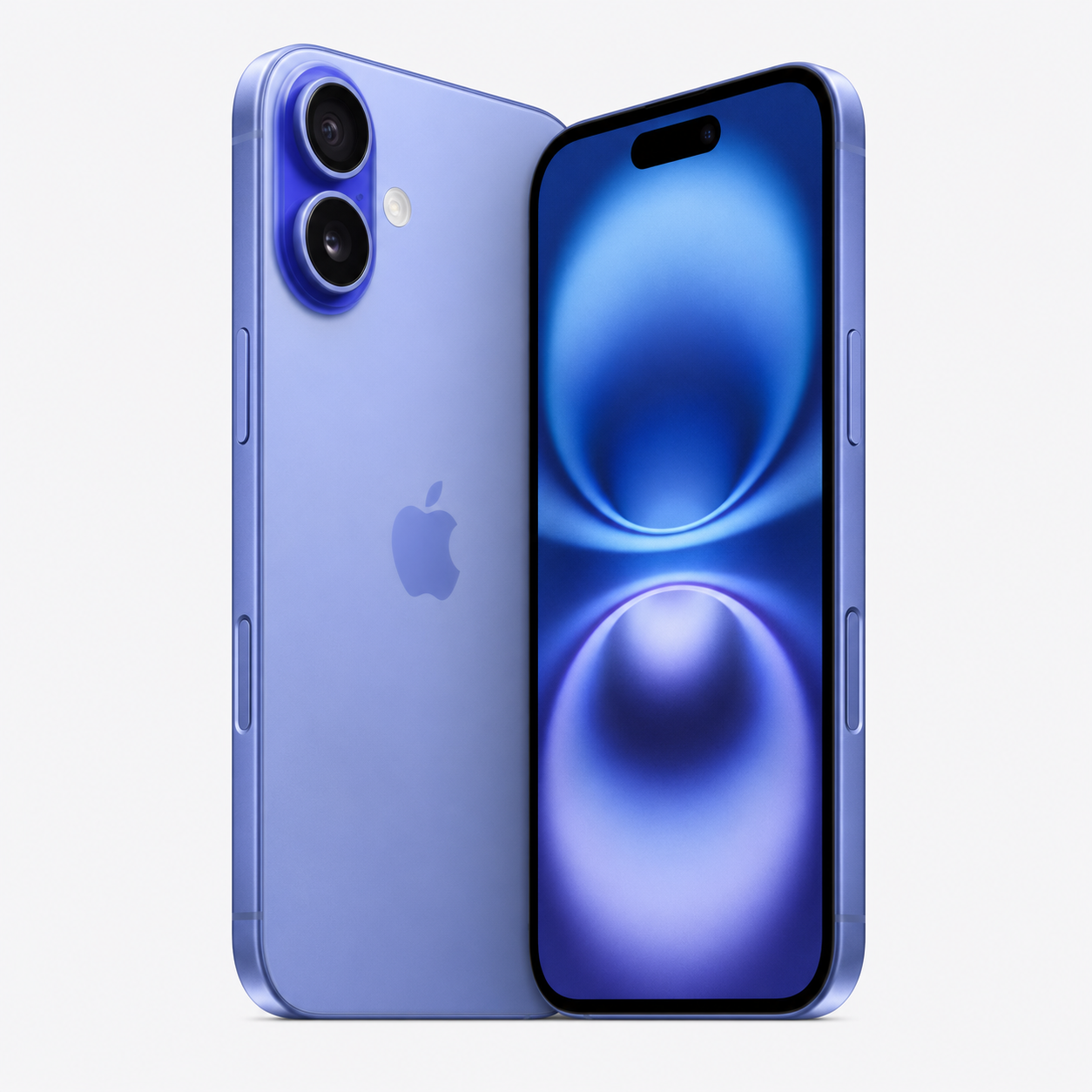
Newer models can be attractive when the price difference versus iPhone 15 is sensible and refurbishment documentation is complete. Availability, storage, regional variant, repair history, and battery policy deserve the same attention as the newer model name.
Refurbished iPhone 16e
| Area | Potential benefit | Buyer caution |
|---|---|---|
| Newer hardware | May appeal to buyers seeking a more recent platform. | Compare actual capability and price against iPhone 15. |
| USB-C | Fits a newer charging preference. | Test the port and cable function. |
| Availability | Can provide a newer inventory option. | Verify current, documented stock rather than assuming supply. |
| Camera and screen preferences | May fit a straightforward user profile. | Compare features with the buyer’s camera and display priorities. |
| Storage and price | Can suit a newer-value tier. | Ensure capacity and price align with local resale demand. |
Refurbished iPhone 16
- Compare the price gap against comparable iPhone 15 stock.
- Confirm chip capability against the buyer’s actual application needs.
- Check camera needs, condition grade, battery, warranty, and lot consistency.
- Verify current software, feature, and regional compatibility through Apple where relevant.
Avoid Paying a New-Model Premium Without a Clear Benefit
- Define the buyer’s required feature or resale message.
- Compare a like-for-like storage, grade, battery, and warranty offer.
- Pay the gap only when the newer model improves the planned use or sale outcome.
Is iPhone 14 Still Worth Buying Refurbished?
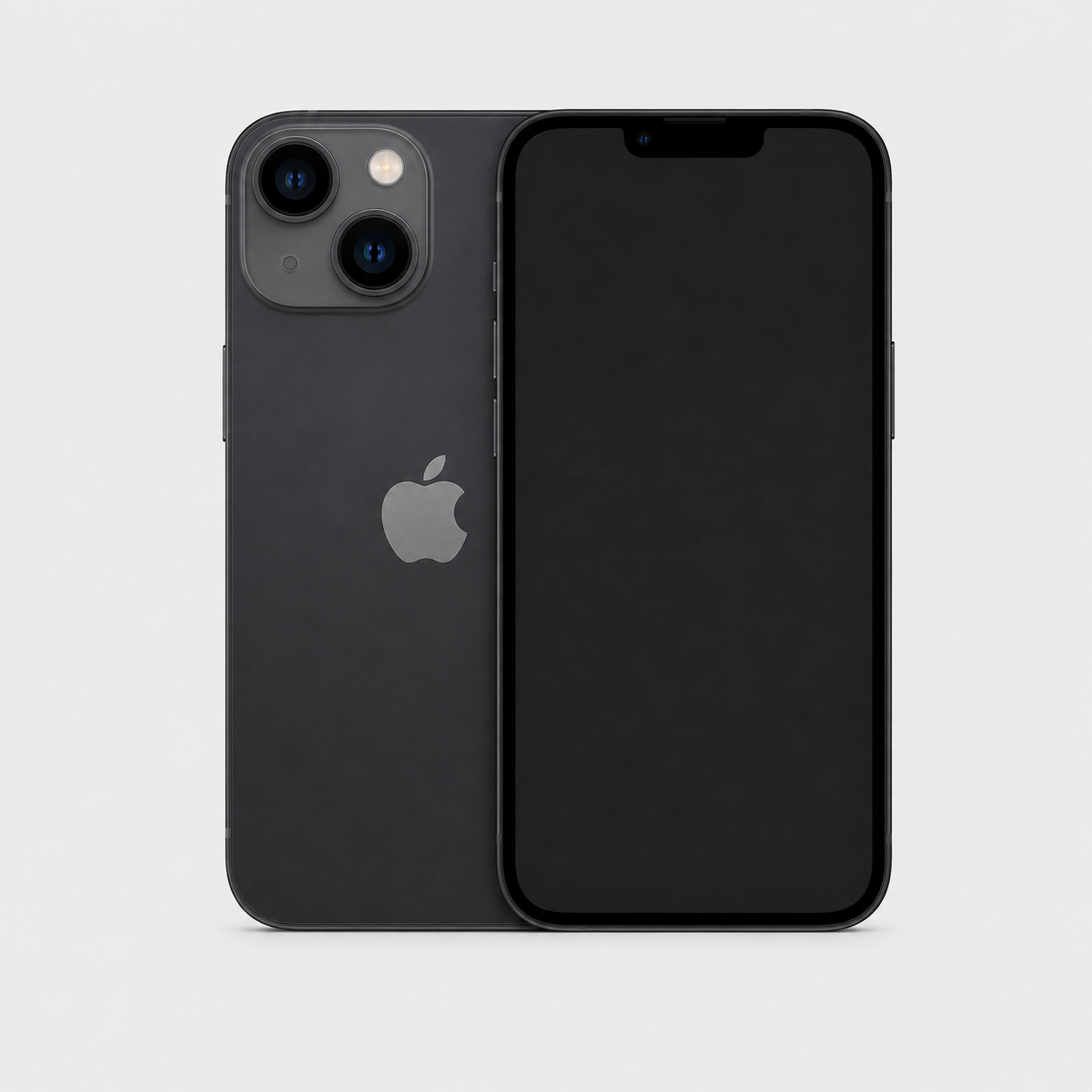
iPhone 14 is most compelling when its condition, battery, warranty, or price offers a meaningful advantage over a comparable iPhone 13 or iPhone 15 listing. It should not be selected only because it sits between them by generation.
| Factor | iPhone 13 | iPhone 14 | iPhone 15 |
|---|---|---|---|
| Connector type | Lightning | Lightning | USB-C |
| Key camera position | Established mainstream option | Compare exact listing and condition | 48MP main-camera appeal |
| Performance position | Value-focused capable option | Middle option to price carefully | Stronger mainstream current-feeling option |
| Refurbished supply | Often broad | Compare availability by market | Demand may be strong |
| Buyer appeal | Budget-conscious | Conditional on price or condition edge | USB-C and newer-feature buyer |
| When it represents value | When the saving is meaningful | When listing quality beats alternatives | When price gap is justified |
Value Comparison Checklist
- Compare like-for-like storage, grade, battery range, parts disclosure, and warranty.
- Check whether a model’s connector and camera story matter to local customers.
- Price the expected after-sale support, not only the incoming unit cost.
Match Refurbished iPhone Models to the Buyer’s Use Case
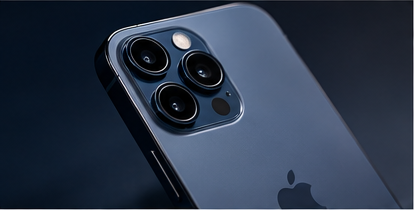
Model recommendations become useful when they are tied to a buyer’s actual use case. Resale-market preferences differ by country, carrier-band compatibility, language needs, and local customer budgets, so confirm the destination before building stock.
| Use case | Recommended model group | Priority requirement | Condition standard to request | Alternative choice |
|---|---|---|---|---|
| Budget personal use | iPhone 13 | Value and solid basic function | Written grade, battery range, full function test | iPhone 14 when listing terms are stronger |
| Everyday business use | iPhone 15 | USB-C and broad everyday capability | Battery, port, network, and warranty evidence | iPhone 15 Plus for larger display |
| Large-screen users | iPhone 15 Plus or Pro Max | Display and daily use comfort | Screen, frame, battery, and camera checks | iPhone 15 |
| Mobile content creation | iPhone 15 Pro / Pro Max | Camera and storage needs | Camera, stabilisation, storage, and repair disclosure | iPhone 15 |
| Premium resale | 15 Pro / Pro Max | Premium presentation and documentation | Tight grade, battery, parts, and warranty standards | iPhone 15 |
| Export distribution | 13 through 16 series | Regional compatibility and consistent lots | Manifest, lock status, and agreed tolerance | Market-specific mix |
| Entry-level retail inventory | iPhone 13 / selected 14 | Price-aligned condition | Defined grade and battery policy | iPhone 15 for higher tier |
| Upgrade from X, XR, XS, 11, or 12 | iPhone 13 or 15 | Meaningful practical step-up | Normal setup, function, battery, and carrier checks | 16 series when the gap is justified |
Refurbished iPhone Condition Matters More Than a Small Model Upgrade
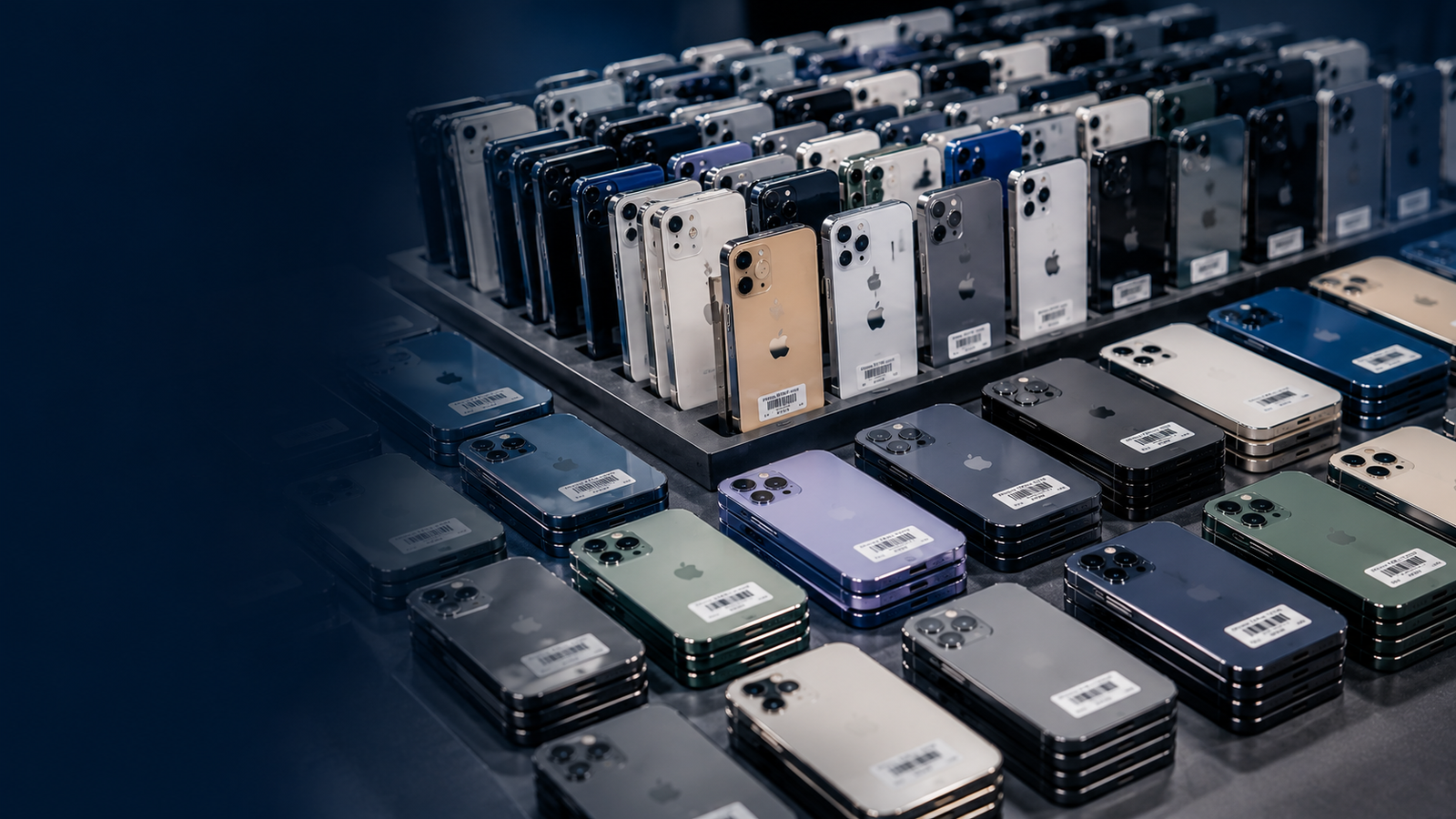
A better-condition older model can be a safer purchase than a lower-condition newer model. The difference is especially important when the device is going into premium retail, online resale, or a bulk order with limited room for incoming exceptions.
Model vs. Condition
| Buying situation | Safer interpretation |
|---|---|
| Grade A iPhone 13 vs. poorly documented Grade B iPhone 15 | The older unit may be safer if its functions, battery, parts, and warranty are documented. |
| Same model, different battery policy | Choose the offer whose stated battery standard matches the resale promise. |
| Newer model with unclear repair history | Do not pay a new-model premium before repair and function evidence is reviewed. |
Battery Health and Battery Policy
| Condition | Correct buyer response |
|---|---|
| Original battery above a stated threshold | Confirm the threshold, test date, and permitted lot tolerance. |
| Original battery with disclosed lower capacity | Price for a value channel or planned battery-service exposure. |
| Replaced battery | Confirm the parts policy, disclosure, function, and warranty. |
| Battery condition not stated | Pause the comparison until the seller provides a usable standard. |
Grade Labels Are Not Universal
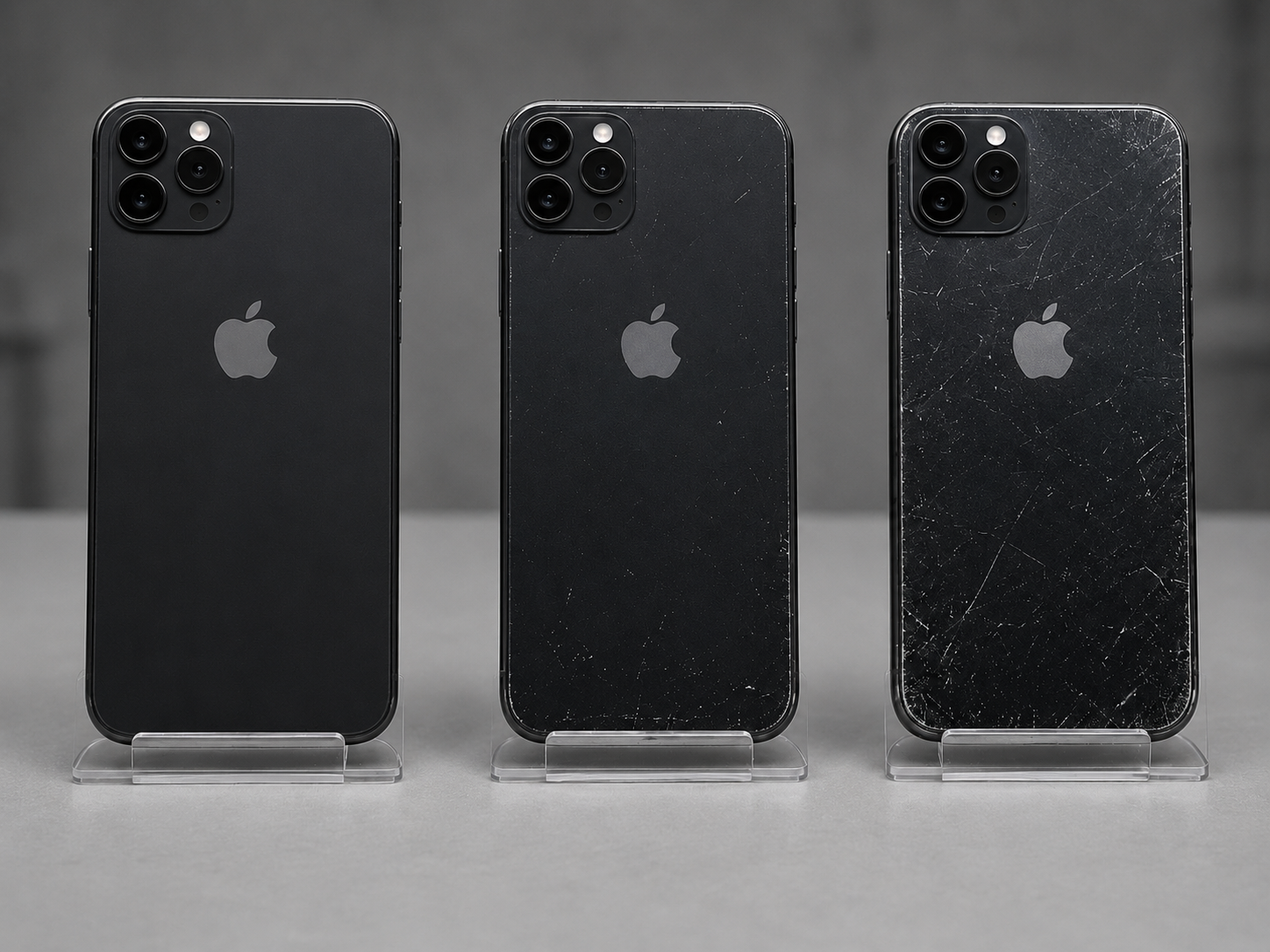
Grade A, Grade B, Excellent, and Good are seller-defined unless supported by a written grading guide. Cosmetic grade should never replace functional testing, battery evaluation, or legal-status checks.
- Photo examples and permitted defects for each grade.
- Screen and housing standards.
- Battery standard and lot-level tolerance.
- Repair and replacement-part disclosure.
Essential Checks Before Buying Any Refurbished iPhone
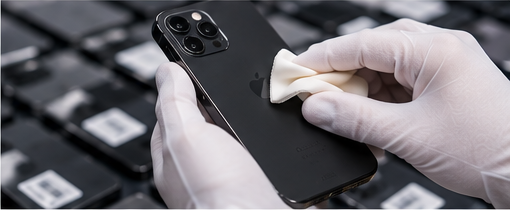
Condition claims become more reliable when testing, identity, and ownership controls are separated. A buyer should document these checks for any individual device or through an agreed sampling method for a wholesale lot.
Functional Testing Checklist
- Display, touch, cameras, microphones, speakers, buttons, and vibration.
- Charging port and wireless charging where applicable.
- Wi-Fi, Bluetooth, cellular service, GPS, and sensors.
- Face ID or Touch ID where applicable, confirmed through normal use.
Parts and Service History
On supported models, Parts and Service History may be reviewed in Settings > General > About. Its availability varies by model and repair history, so it is evidence to combine with live testing and seller documentation.
| Status | What it can indicate | What to verify next |
|---|---|---|
| Genuine Apple Part | A genuine Apple part and related record may be shown. | Keep the record and perform normal functional testing. |
| Used Part | A part previously used in another iPhone may be shown. | Evaluate function, disclosure, price, and warranty. |
| Unknown Part | A part may be unverified, non-genuine, incomplete, or not operating as expected. | Inspect carefully and apply the seller’s exception policy. |
| Unverified Part | The device may not verify the part or repair relationship. | Request repair detail before resale acceptance. |
| No visible history | The feature may not be available or show no item. | Do not assume no repair; use other records and tests. |
Identity and Lock Status
- Match IMEI and serial number to the supplied manifest.
- Confirm normal activation setup and stated carrier status.
- Use lawful, market-appropriate blacklist and remote-management checks.
- Do not accept a device with unresolved ownership, carrier, MDM, or other management restrictions.
Apple Certified Refurbished vs. Third-Party Refurbished
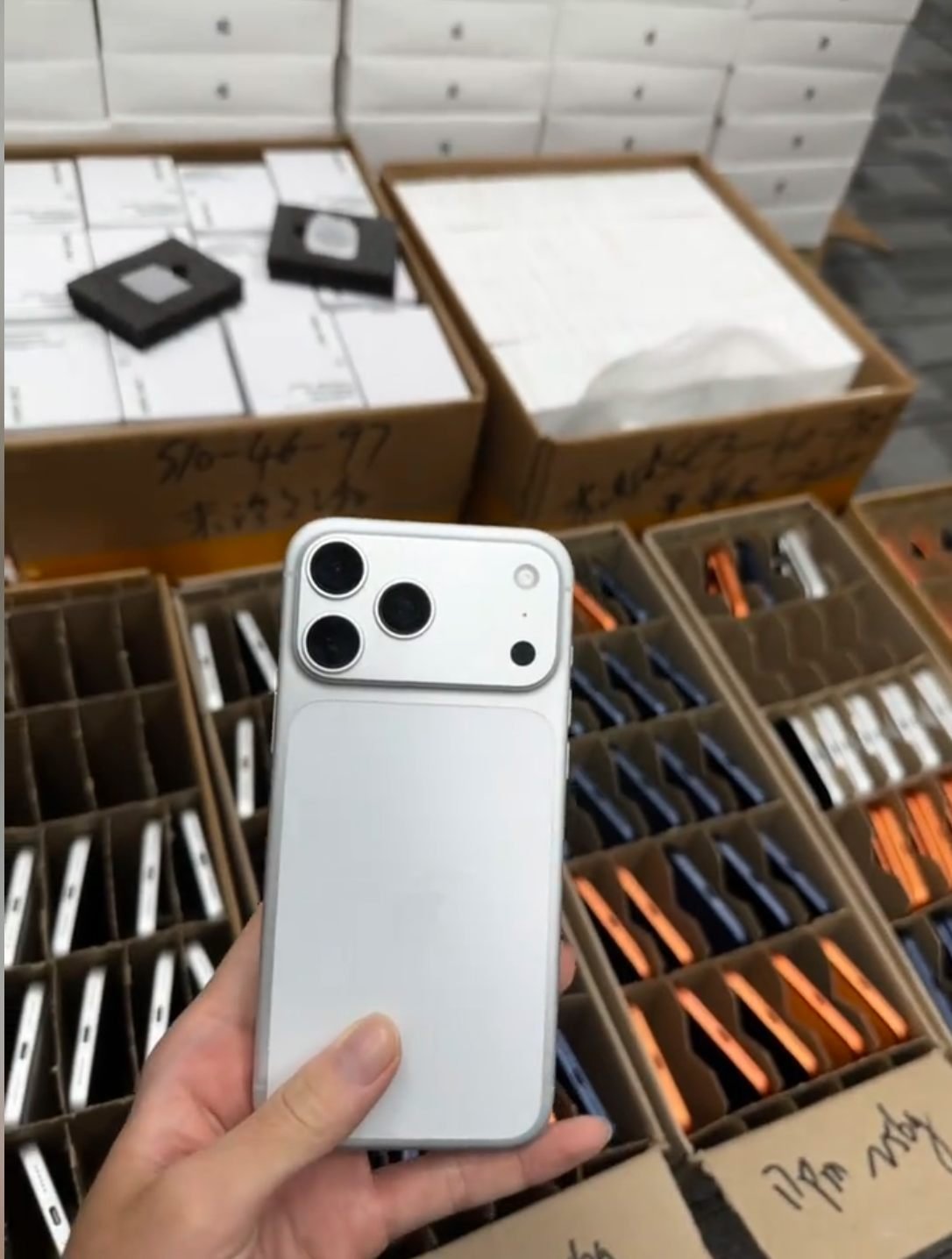
Apple Certified Refurbished and third-party refurbished products are not identical. Apple describes its certified refurbished process as including rigorous refurbishment, functional testing, cleaning and inspection, genuine Apple replacement parts when needed, a new battery and outer shell for refurbished iOS devices, and Apple’s standard one-year limited warranty.
Those commitments apply to Apple Certified Refurbished products under Apple’s own stated process and terms. They should not be automatically assumed for third-party stock, where battery, parts, repair, grading, warranty, and return standards differ by seller.
| Apple Certified Refurbished | Third-Party Refurbished |
|---|---|
| Apple-defined process and stated product terms. | Independent seller-defined process that must be requested in writing. |
| Apple states genuine replacement parts when needed. | Part origin may vary; ask whether parts are genuine, used, OEM-equivalent, or compatible. |
| Apple states a new battery and outer shell for refurbished iOS devices. | Never assume a new battery or shell without a supplier policy. |
| Apple states a standard one-year limited warranty. | Coverage and return conditions vary by seller and market. |
Questions to Ask a Third-Party Refurbisher
- What functional tests are completed?
- What battery threshold or replacement policy applies?
- Which parts may be replaced, and is repair history disclosed?
- Are parts genuine, used, OEM-equivalent, or compatible?
- How are cosmetic grades defined?
- What warranty and return terms apply?
- Is IMEI or serial-number documentation supplied?
How Wholesale Buyers Should Build a Refurbished iPhone Assortment
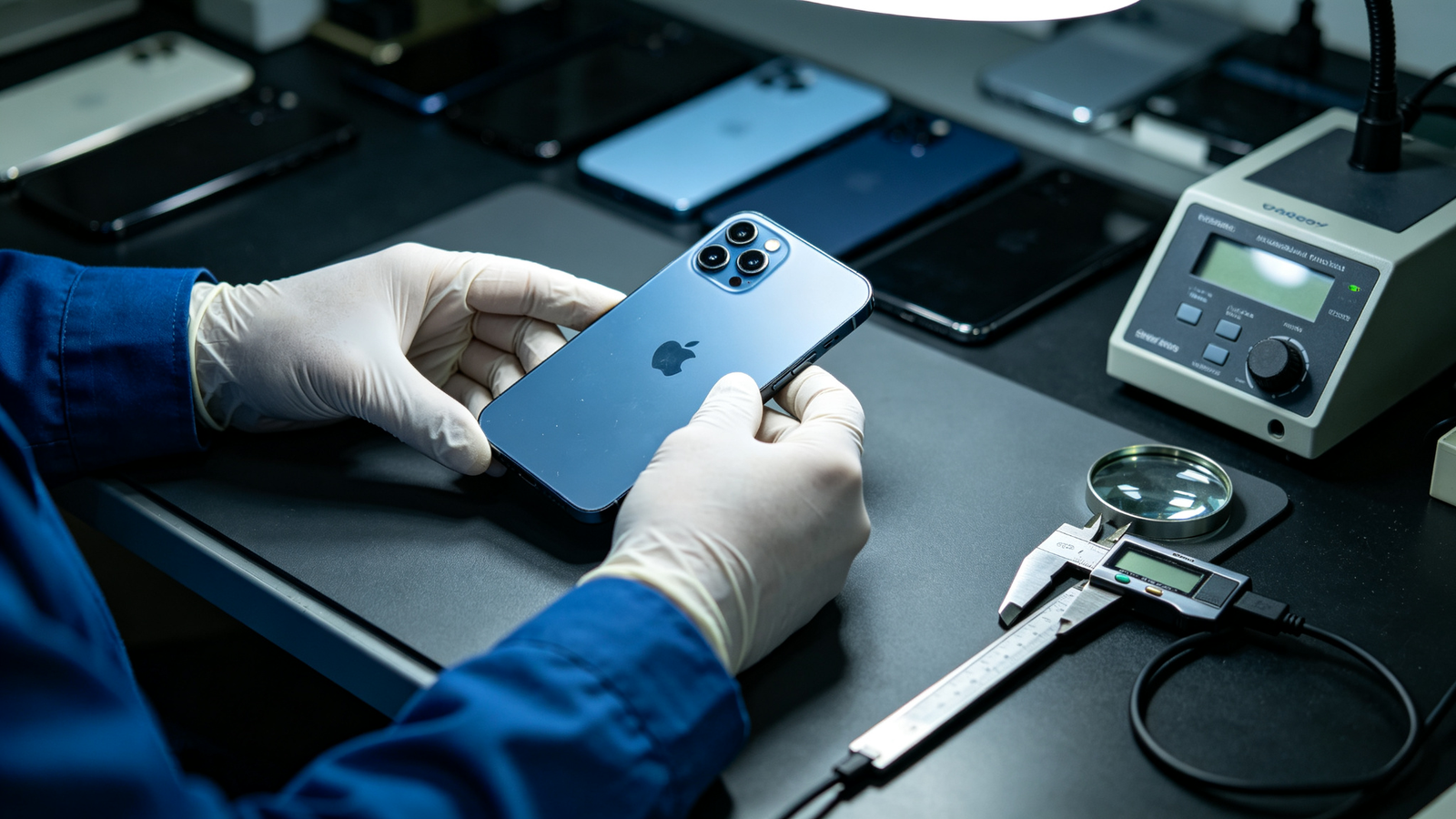
A useful wholesale assortment gives customers clear price steps without letting condition standards drift. The mix should reflect local demand, capital available, repair capacity, and the documents needed to control a shipment.
Suggested Assortment Logic
| Inventory tier | Customer profile | Key requirement | Documentation standard |
|---|---|---|---|
| Budget: iPhone 13 and selected 14 | Value-focused shoppers | Affordable, clearly graded stock | Battery policy, grade guide, function result |
| Core: iPhone 15 and 15 Plus | Mainstream buyers | USB-C and broad appeal | Manifest, port test, battery, warranty |
| Premium: 15 Pro and Pro Max | Feature-led customers | Camera, screen, storage, presentation | Tight grade and parts disclosure |
| Newer-value: selected 16e and 16 | Newer-model buyers | Verified value versus 15 | Current inventory, condition, and price evidence |
Lot Manifest Requirements
- Model, storage, color, grade, and battery range.
- Repair disclosure, activation status, and IMEI/serial-number list.
- Quantity, warranty, and agreed acceptance tolerance.
Receiving Inspection Workflow
- Review pre-shipment evidence and the manifest.
- Test agreed samples across models and grades.
- Record discrepancies with photos or video and unit references.
- Segregate exceptions from normal resale stock.
- Submit claims within the stated timeframe and retain evidence.
Red Flags When Choosing a Refurbished iPhone
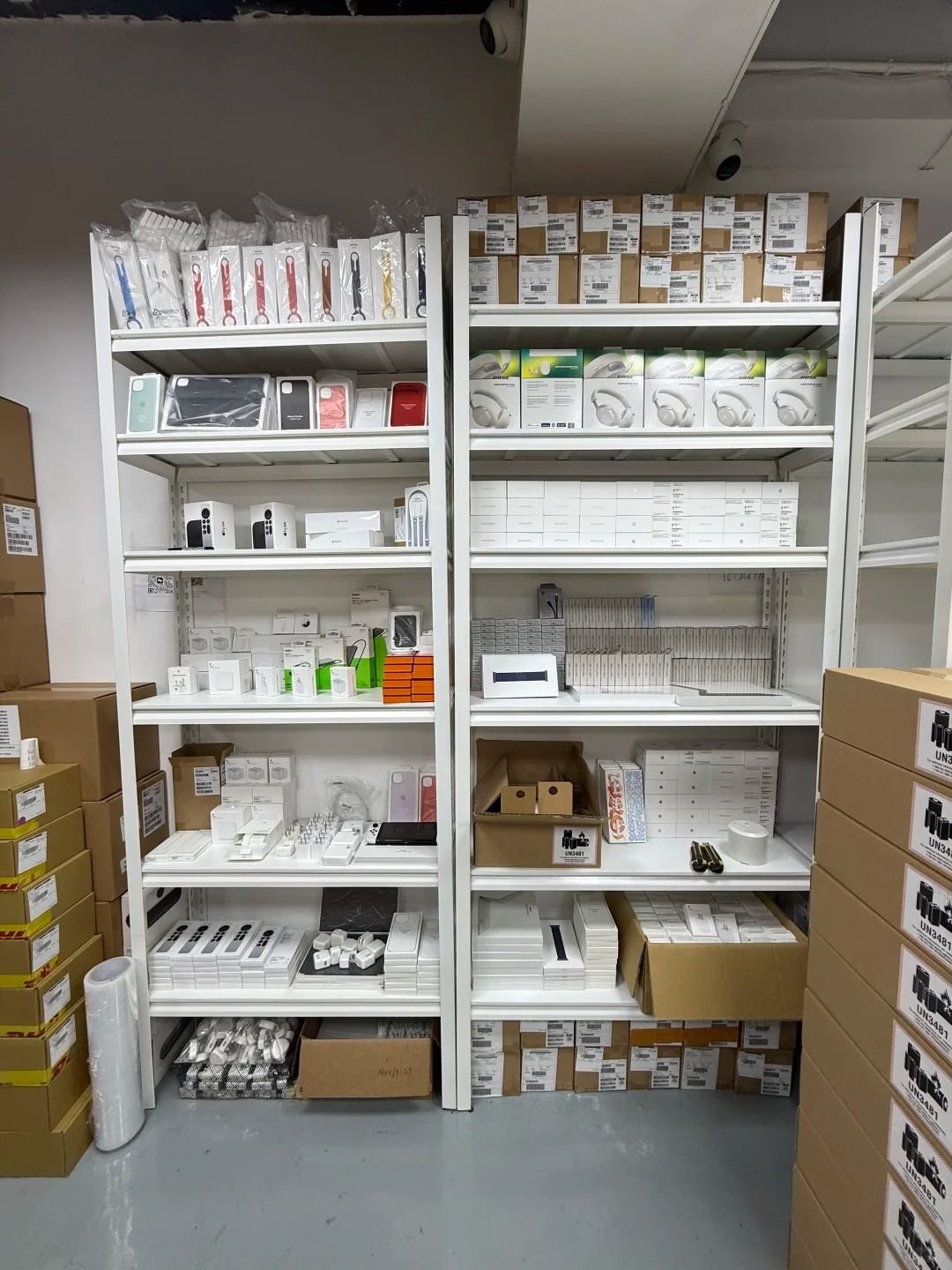
Buyer risk rises when condition claims cannot be tied to a record, test, or defined remedy. A low offer is not automatically poor value, but it should be supported by the same controls as any other purchase.
- No written definition of refurbished.
- No battery policy.
- Unclear repair or replacement-part policy.
- Missing IMEI or serial-number records.
- Unverified Activation Lock status.
- Inconsistent grade claims and photos.
- No warranty or unclear return terms.
- Extremely low pricing without evidence.
- Refusal to share testing or condition documentation.
Pause the purchase when…
- the seller cannot reconcile units with supplied records;
- an ownership, carrier, blacklist, or remote-management issue remains unresolved;
- the condition, battery, and warranty claims change after inspection questions; or
- the low price cannot be explained by a documented condition category.
Frequently Asked Questions
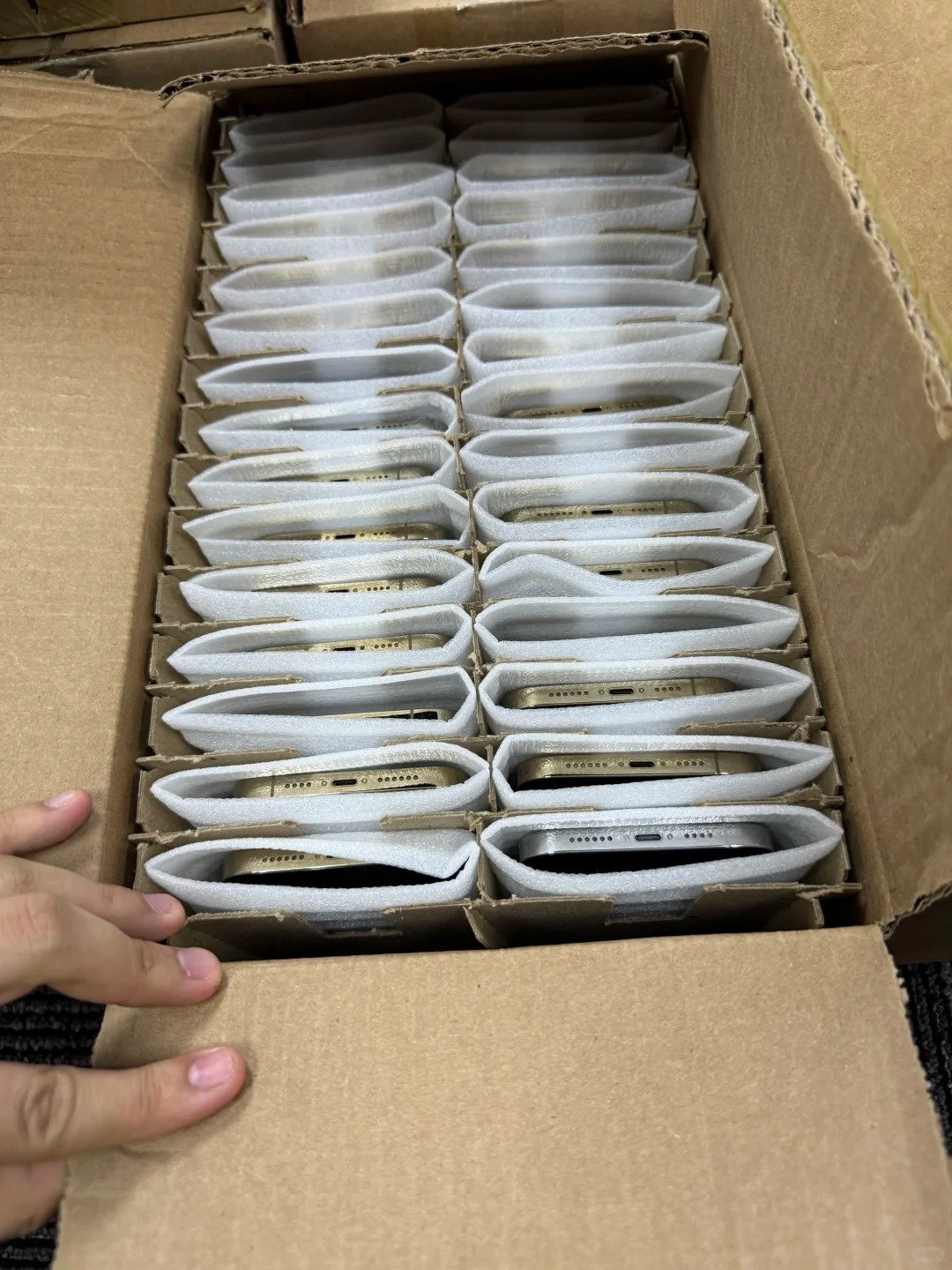
Use these answers as screening guidance. The exact device record and seller’s written terms remain more important than any broad model recommendation.
What is the best refurbished iPhone to buy in 2026?
For many buyers, iPhone 15 is the strongest mainstream balance. The best choice still depends on budget, size, camera, storage, battery, warranty, and verified condition.
Is iPhone 15 still worth buying refurbished in 2026?
It can be, particularly when USB-C, camera, condition, and pricing suit the buyer. Compare it with a like-for-like iPhone 13, 15 Plus, and newer 16-series offer.
Is iPhone 13 too old to buy refurbished?
Not automatically. It can remain a sound value option when battery, grade, warranty, price, and current software compatibility fit the buyer’s needs.
Should I buy iPhone 14 or iPhone 15 refurbished?
Compare exact condition and price. iPhone 15 can offer USB-C and a stronger camera story; iPhone 14 can fit when its listing has a meaningful condition, battery, warranty, or price advantage.
Is a refurbished iPhone 15 Pro worth the extra cost?
Only when its display, camera, performance, storage, and premium resale appeal justify the cost and the unit is thoroughly documented.
Is iPhone 15 Plus better than iPhone 15 for battery life?
It may suit buyers seeking a larger-device runtime profile, but check each refurbished unit’s battery condition rather than relying on model assumptions.
Are refurbished iPhone 16e and iPhone 16 good choices?
They can be, when verified availability, price gap, storage, condition, and warranty make sense compared with iPhone 15 stock.
What battery health should I accept on a refurbished iPhone?
Accept a written threshold or disclosed measured range that matches your resale promise, with a test date and a documented handling process for exceptions.
Does refurbished mean the battery is new?
No. A new battery applies only where the provider specifically states that policy. Apple Certified Refurbished and third-party programs are not the same.
Is Apple Certified Refurbished better than third-party refurbished?
They have different stated processes. Apple’s commitments apply to its certified products; third-party inventory should be assessed against the seller’s actual testing, parts, battery, and support terms.
How do I check whether a refurbished iPhone is unlocked?
Check the stated carrier status and normal setup condition. Use lawful market-appropriate verification and confirm destination network and SIM/eSIM compatibility.
Can I buy an iPhone with Activation Lock?
No. Never buy or recommend bypassing it. The rightful owner or authorised organisation must resolve the lock before normal resale.
What storage capacity is best for refurbished iPhone resale?
The best capacity depends on local demand and price tier. Request a manifest by storage, then compare turnover expectations and the premium customers pay for more capacity.
What documents should come with a wholesale refurbished iPhone order?
Request a manifest, grade definition, test process, battery policy, repair disclosure, lock status, warranty, return procedure, and acceptance tolerance.
| Buying question | Main factor to compare | Evidence to request |
|---|---|---|
| Which model? | Use case and total cost | Like-for-like model, storage, grade, battery, and warranty quote |
| What condition? | Cosmetics plus functionality | Grade guide, photos, and test record |
| What battery? | Threshold and policy | Battery record, test date, and exception terms |
| Can it be resold? | Legal and network status | Manifest, setup evidence, and lawful verification |
| What support? | Claim remedy and timing | Written warranty and return terms |
Final recommendation
Final Recommendation: Choose the Right Refurbished iPhone for the Right Buyer
No iPhone is universally best. A good recommendation joins model choice with verified condition, battery, storage, ownership status, warranty, and the customer promise the reseller intends to make.
Five-point final checklist
- Choose the model based on use case and budget.
- Compare condition, battery, storage, and warranty before price.
- Request written grading and testing standards.
- Verify identity, activation, carrier, and management status.
- Keep documented receiving and claim procedures for bulk orders.
2026 Model Summary
- iPhone 15: best mainstream all-round choice.
- iPhone 13: best value when condition and pricing are right.
- iPhone 15 Plus: best for buyers prioritising a large screen and battery.
- iPhone 15 Pro and Pro Max: best for premium requirements.
- iPhone 16e and iPhone 16: attractive newer options when the verified price gap is reasonable.
Qualified B2B buyers can ask HQB for current refurbished iPhone inventory, condition grades, battery standards, and wholesale terms.
Talk to HQB
Request Refurbished iPhone Wholesale Details
Tell HQB the models, quantities, grades, battery requirements, and destination market you need. Contact: sales@usedphonehqb.com.
Published: •Last updated:
Author: HQB Editorial Team • Category: Refurbished iPhone Buying Guide • Reading time: 12–14 minutes
Related guides
Related Articles
 Refurbishment guide
Refurbished iPhone: What Does It Mean?
Understand what refurbished can mean, which steps vary between sellers, and why testing, battery policy, parts disclosure, grades, locks, warranty, and returns all require verification.
Read the guide Comparison guide
Used vs Refurbished iPhone: What’s the Difference?
Compare used and refurbished iPhone sourcing by condition process, battery expectations, repair disclosure, functional tests, cosmetic grades, ownership checks, pricing, and after-sale terms for informed buying.
Read the guide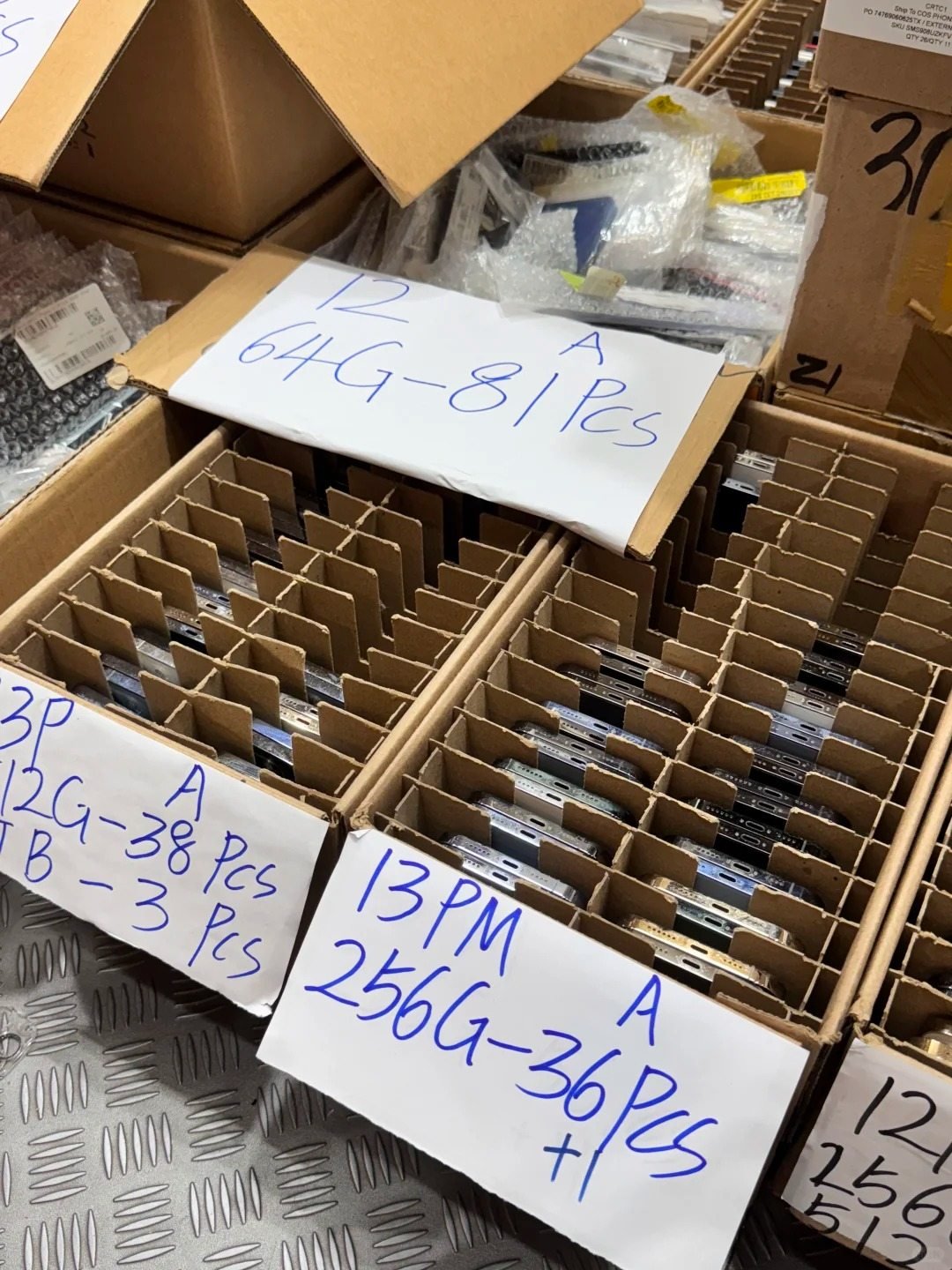 Inspection guide
How to Check a Used iPhone Before Buying
Use a practical inspection sequence for cosmetic condition, battery health, IMEI, Activation Lock, carrier status, Parts and Service History, charging, cameras, and core functions before acceptance.
Read the guide