Selection framework
How to Choose Used iPhones for Resale
1. Start With Your Target Market

A model that moves quickly in one country may move slowly in another. Build the order around buyers, channels, and local compatibility.
- Define destination country, city, and buyer type.
- Set preferred price range and storage demand.
- Check base, Plus, Pro, and Pro Max interest.
- Confirm network, eSIM, repair support, return obligations, and turnover goal.
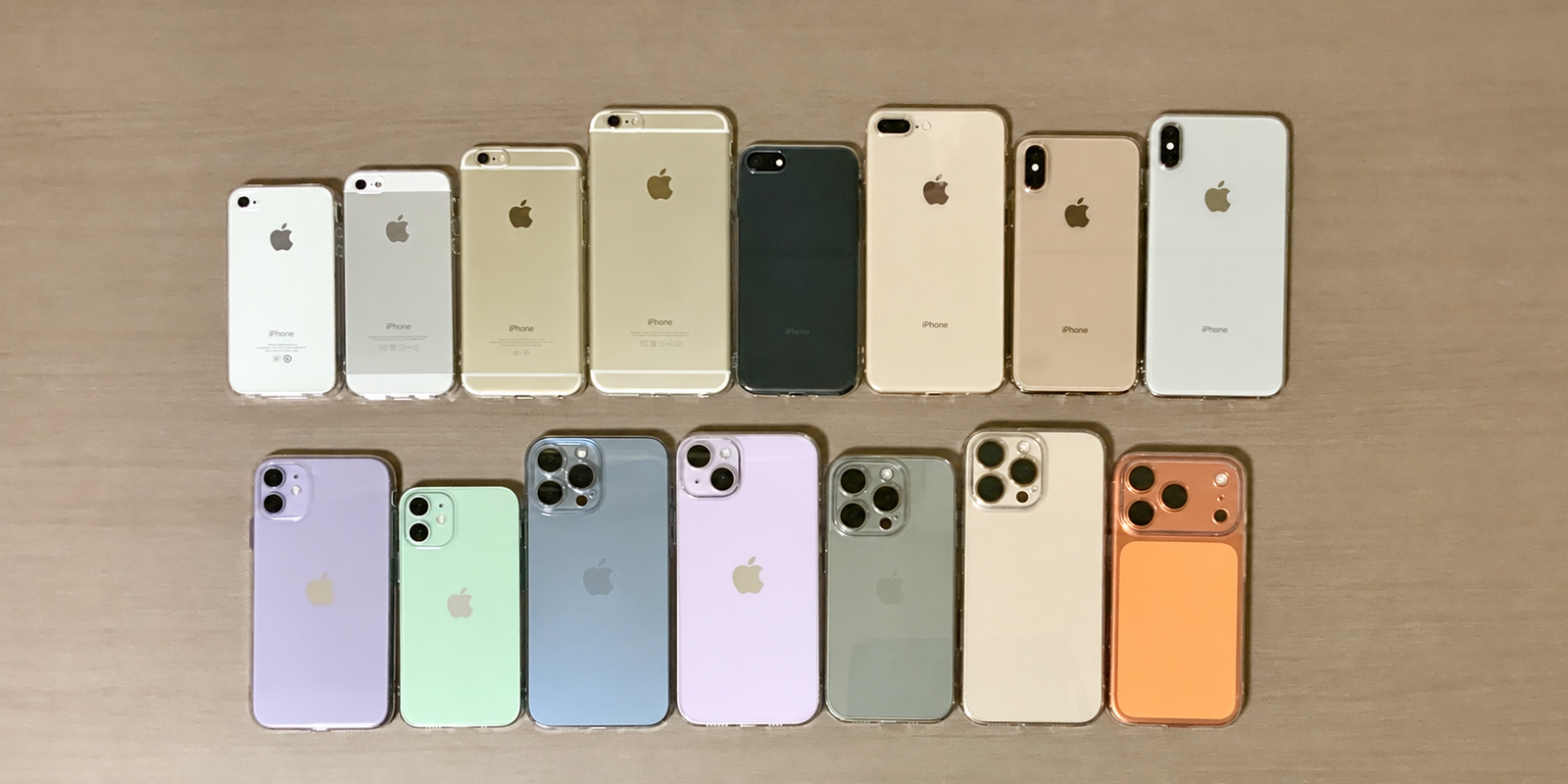
2. Build a Balanced Resale Model Mix

Concentrating capital in one model creates avoidable risk. Use local sales data to adjust a balanced mix.
| Tier | Model Direction | Purpose |
|---|---|---|
| Entry | X, XR, XS, XS Max, 11 | Price-sensitive buyers |
| Core | 12 and 13 Series | Balanced demand |
| Upgrade | 14 and 15 Series | Recent-device demand |
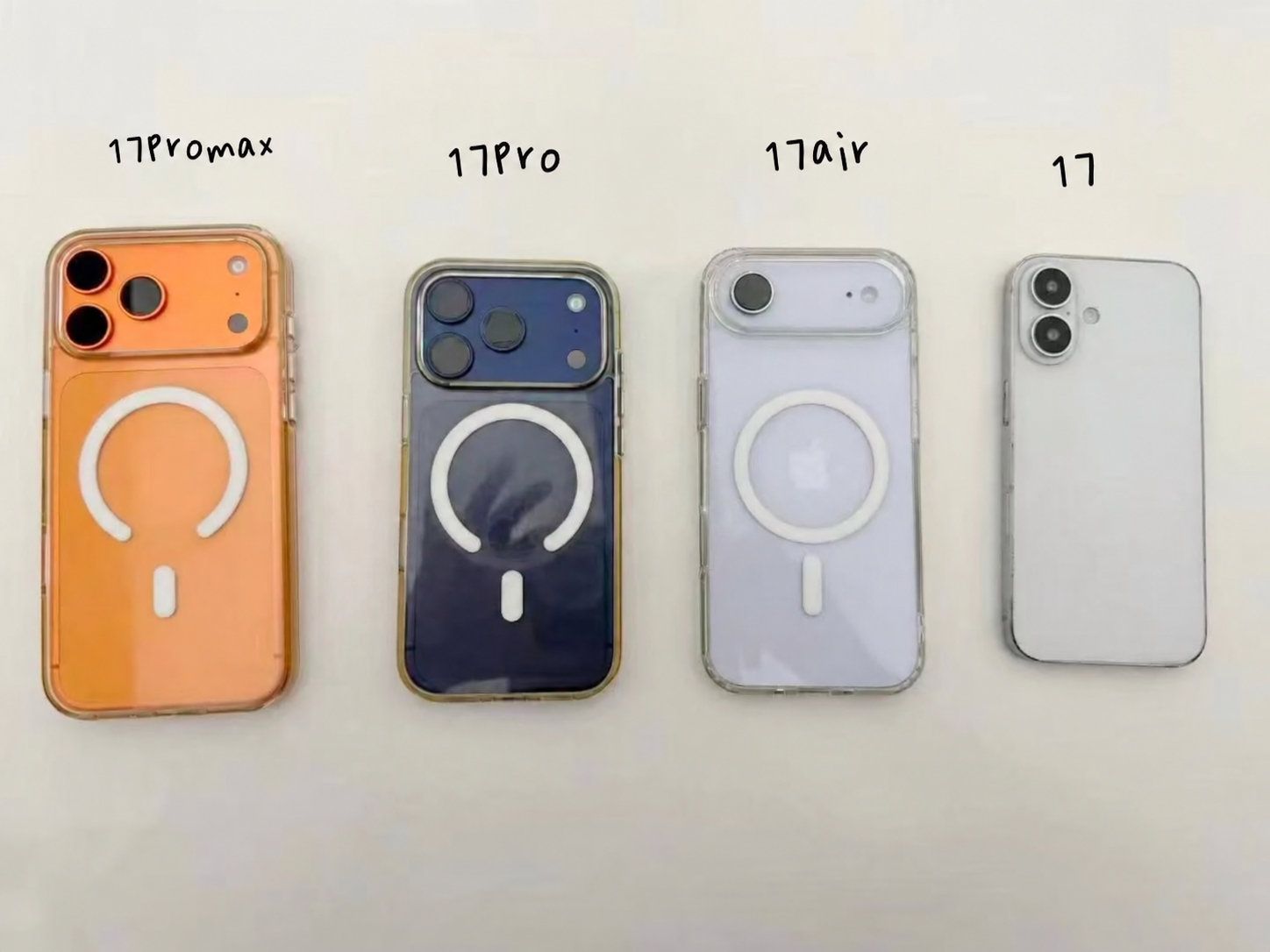
| Premium | 15 Pro, 16, 17 Series | Higher-value buyers |
| Specialist | Older or as-is | Repair and parts |
- Do not buy only premium stock in price-sensitive markets.
- Do not ignore storage demand.
- Do not tie up all capital in slower Pro Max units.
3. iPhone 13 Series: A Core Resale Tier

The iPhone 13 Series can be a balanced option for modern performance without newer-generation cost. Check the local demand split between compact, standard, and Pro models.
| Model | Buyer Profile | Resale Check |
|---|---|---|
| 13 mini | Compact users | Small-screen demand and battery |
| 13 | Mainstream buyers | Storage, grade, battery |
| 13 Pro | Pro-feature buyers | Camera and display |
| 13 Pro Max | Large Pro buyers | Cost and battery health |
4. iPhone 14 Series: Mainstream and Upgrade

iPhone 14 Series can suit buyers seeking a more recent generation, but the best variant depends on local price positioning and available condition.
- 14: compare its price gap with iPhone 13.
- 14 Plus: validate large-screen demand.
- 14 Pro: verify camera, display, battery, and grade.
- 14 Pro Max: control capital exposure and turnover.
5. iPhone 15 Series: Higher-Value Resale

iPhone 15 Series may appeal to buyers wanting more current features, but it requires tighter purchase and quality control.
- Compare acquisition cost with local retail demand.
- Confirm charging and port condition.
- Check battery separately from grade.
- Confirm IMEI, Activation Lock, carrier status, regional model, and SIM/eSIM needs.
- Do not assume premium stock sells faster.
6. iPhone 16 and iPhone 17 Series: Premium Decisions

Newer generations can support premium resale but often need more capital and closer turnover management.
| Situation | Approach |
|---|---|
| Strong premium demand | Stock controlled 16 and 17 mix |
| Limited capital | Buy small, faster-tested lots |
| Corporate demand | Prioritize configuration and documents |
| Export demand | Confirm SIM, eSIM, bands, carriers |
| New reseller | Start with samples or small lots |
Model features, prices, and demand change frequently. Validate current local sell-through before increasing premium inventory.
7. Older Models Can Still Serve the Right Segment

iPhone X, XR, XS, XS Max, and iPhone 11 Series can serve entry-value buyers when stock is priced and inspected realistically.
| Group | Use Case | Risk |
|---|---|---|
| X, XR, XS, XS Max | Budget or secondary device | Battery, age, software expectations |
| 11 Series | Entry-to-mainstream | Display, camera, battery, storage |
| Repair stock | Parts recovery | Faults and recovery yield |
8. Choose Storage Capacity From Actual Demand

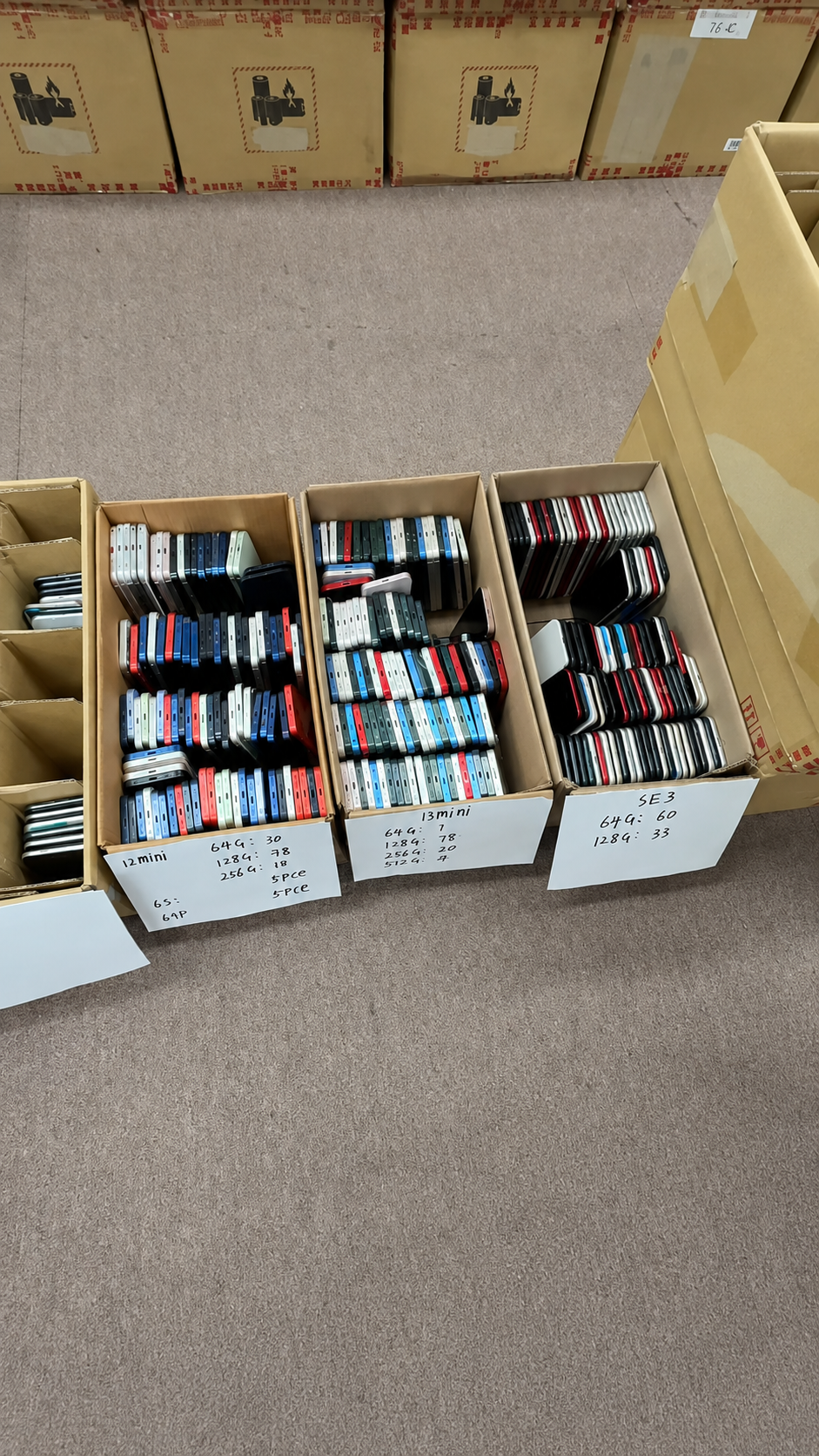
The same model can have different resale performance by storage. Keep model and storage mix visible when purchasing.
- Entry storage: price-sensitive buyers.
- Mid storage: broad mainstream demand.
- High storage: Pro users and premium buyers; validate demand first.
- Mixed storage: diverse channels; needs accurate manifest and pricing.
9. Grade, Battery, and Functionality Determine Value

Model name alone does not define resale readiness. Cosmetic grade, functional test, battery, parts history, carrier status, ownership status, storage, and regional variant each change the customer offer.
| Driver | Why It Matters |
|---|---|
| Grade | First impression and price position |
| Battery | Confidence and service planning |
| Function | Ready-to-sell status |
| Parts history | Disclosure and value |
| Carrier / lock | Network and setup eligibility |
| Storage / variant | Buyer and compatibility fit |
10. Verify Every Device Before Listing

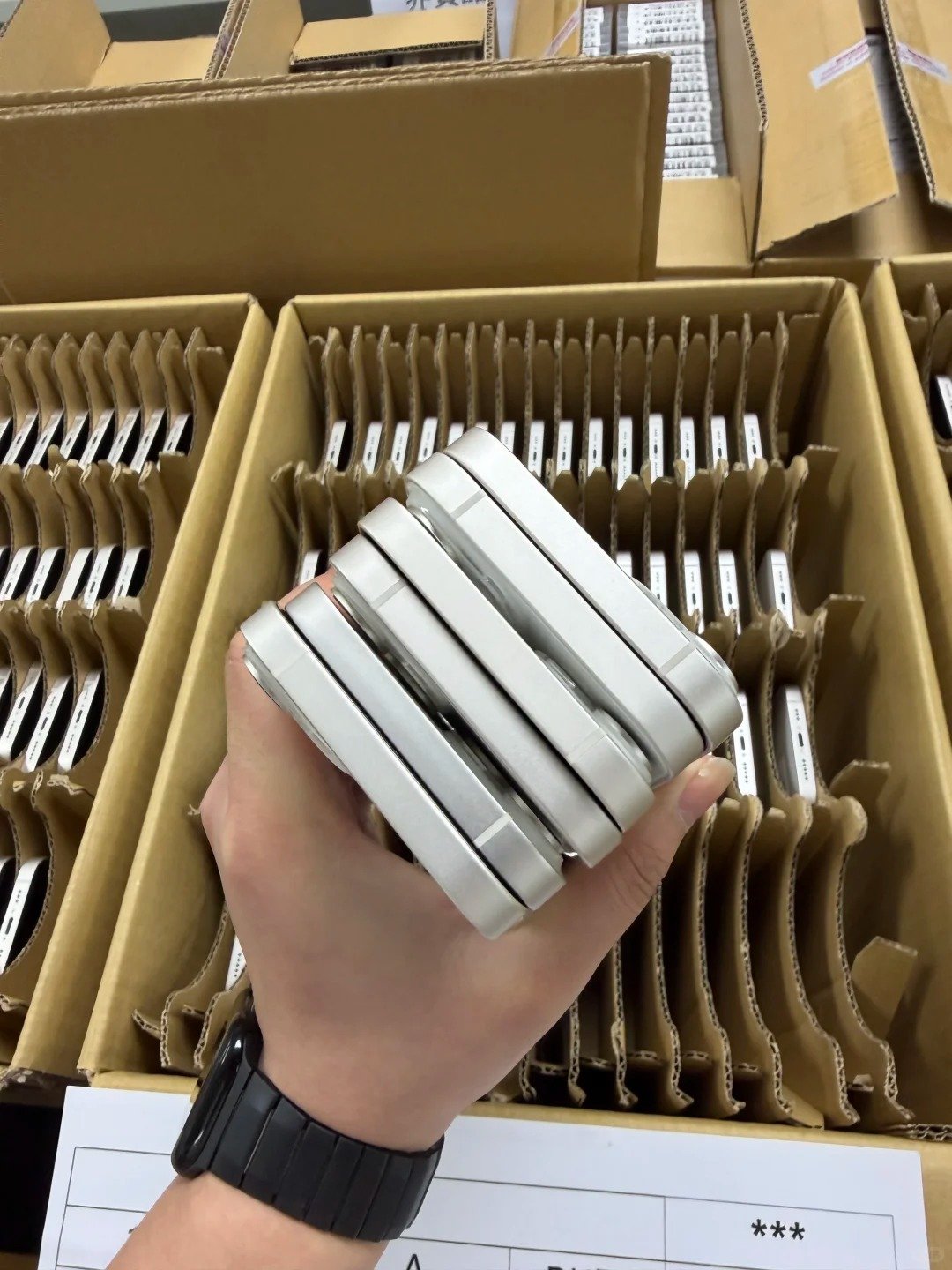
Bulk stock needs unit-level condition and status checks. Match the manifest before a device reaches the listing process.
- Match IMEI, model, storage, color, and regional variant.
- Check “iPhone Locked to Owner” during setup.
- Check Carrier Lock; “No SIM restrictions” indicates unlocked.
- Review battery, charging, parts history, display, camera, audio, buttons, Wi-Fi, Bluetooth, and biometrics.
- Photograph cosmetics and route exceptions.
11. Calculate Landed Cost and Turnover Together
The lowest unit cost is not always the strongest resale choice. Include the cost of preparation and the risk of slow-moving stock.
| Factor | Question |
|---|---|
| Purchase price | Does it match model, storage, grade, battery? |
| Freight and taxes | What are import and logistics costs? |
| Inspection labor | How long does each unit take? |
| Repair reserve | What share may need service? |
| Claims exposure | What if stock differs from description? |
| Capital | Can inventory be held if demand slows? |
Estimated landed cost per sellable unit = total purchase cost + logistics + taxes + payment fees + inspection cost + expected repair reserve, divided by expected sellable units.
12. Build a Repeatable Resale Strategy

Model selection improves when a reseller tracks its own results over time. Use a simple scorecard after each order and update the next purchase mix.
| Metric | What It Reveals |
|---|---|
| Days to sell | Actual inventory velocity |
| Margin by grade | Commercial result by stock type |
| Returns | Expectation accuracy |
| Battery and repair issues | Policy quality |
| Lock exceptions | Documentation risk |
| Storage preference | Better future mix |
| Supplier accuracy | Whether grades and manifests match |