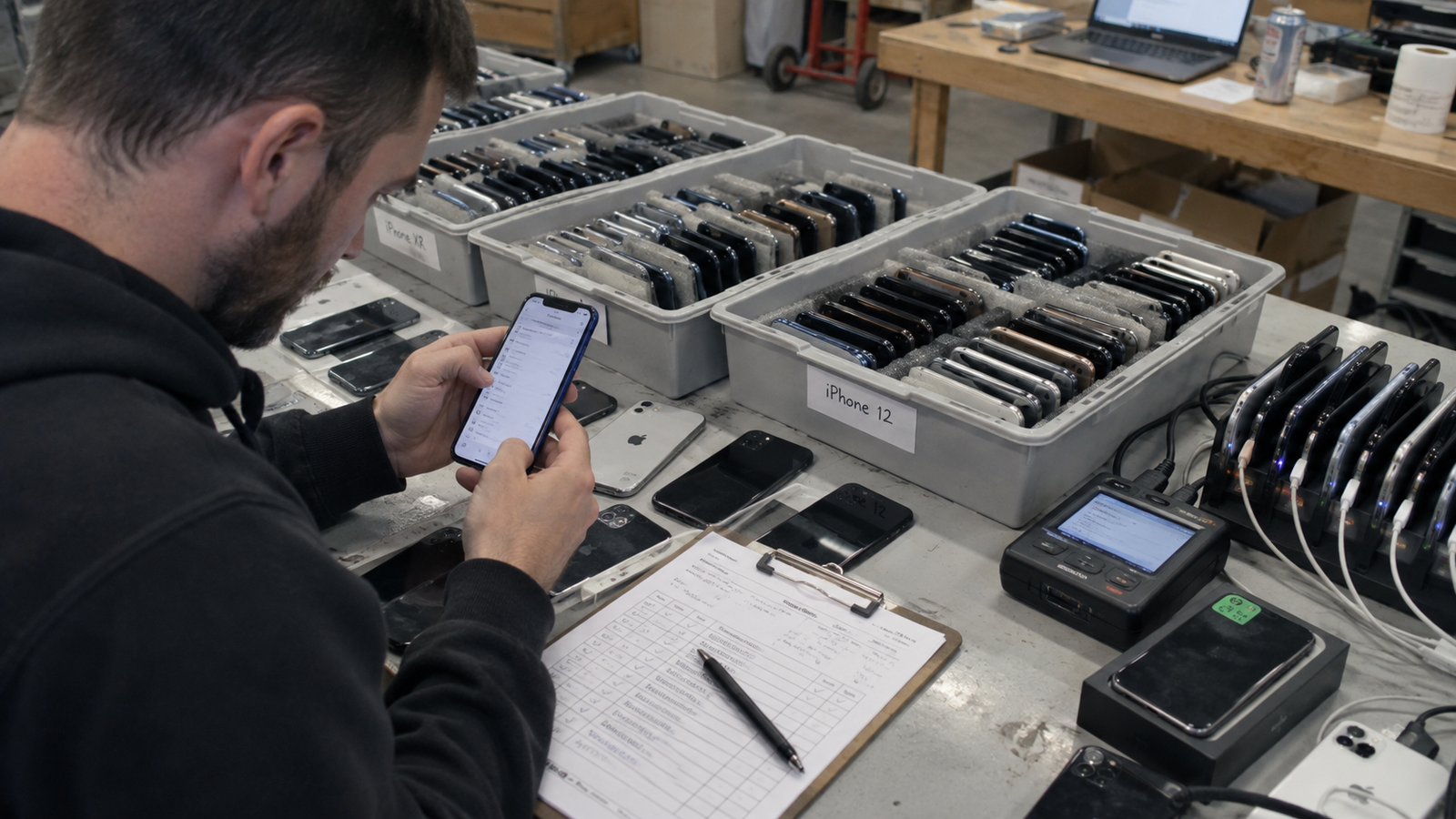
Confirm Your Target Market First

Identify the target market and sales channel before choosing models or grades. A configuration that suits one buyer group may not fit another because of budget, network compatibility, software expectations, local rules, cosmetic preferences, or channel policies.
Translate the commercial plan into internal acceptance criteria. The buyer should verify destination-market requirements, tax treatment, customs obligations, network compatibility, and sales-channel rules rather than relying on a general supplier description.
| Market Requirement | Buyer Question | Procurement Effect |
|---|---|---|
| Customer Budget Range | What internal price band is targeted? | Guides model selection |
| Preferred Model Generation | Which families fit demand? | Defines acceptable models |
| Storage Preference | Which capacities are suitable? | Shapes the mix |
| Cosmetic Grade Expectation | What visible wear is acceptable? | Sets grade criteria |
| Battery Information Requirement | Which fields must be recorded? | Defines evidence needs |
| Network Compatibility | What bands and carrier conditions apply? | Guides variant review |
| Regional Variant | Which configurations fit the destination? | Prevents unsuitable substitutions |
| Local Import Requirement | What documents or rules apply? | Shapes logistics preparation |
| Sales Channel Rules | What may be listed or disclosed? | Defines release conditions |
| Repair Capacity | Which exceptions can be handled? | Guides lot tolerance |
| Customer Disclosure Standard | What must be communicated? | Shapes records and descriptions |
- Define the intended buyer and internal price band.
- Define acceptable model families, condition, and battery expectations.
- Define required device-status checks and the planned resale channel.
Verify Supplier Information

Buyer due diligence should review supplier identity, business information, communication consistency, available documentation, and the ability to provide accurate device records. No document review eliminates every commercial risk, but organized verification makes gaps easier to identify.
Names, addresses, contact details, quotation references, and order specifications should be consistent across records. Escalate unclear or conflicting information before payment or shipment approval.
| Supplier Review Area | What to Request | Why It Helps |
|---|---|---|
| Company Identity | Consistent business name | Links commercial records |
| Business Contact Details | Verified communication points | Supports traceability |
| Commercial Documents | Quotation and order references | Connects terms to the purchase |
| Product Specification | Written device requirements | Defines expected inventory |
| Sample Manifest | Proposed record format | Shows available fields |
| Grading Definition | Written cosmetic criteria | Makes labels reviewable |
| QC Process Description | Test scope and outcomes | Clarifies “tested” |
| Exception Procedure | Reporting and review steps | Prepares discrepancy handling |
| Packing Information | Carton and device identification | Supports receiving |
| Reference Documents Where Appropriate | Relevant supporting records | Adds review context |
| Communication Record | Organized written history | Preserves decisions |
- Use the same legal and contact details across documents.
- Confirm the quote matches the product specification.
- Ask who prepares QC evidence and how discrepancies are reported.
- Keep commercial communication organized and escalate unclear documents.
Request a Per-Device Manifest

A manifest is the most useful starting point for reconciling a bulk order. A lot summary can describe totals, but it should not replace device-level records when the purchase requires unit-specific verification.
Agree on required fields before the records are produced. The buyer can then match the received device, the supplier record, and any later inspection or repair outcome.
Minimum Manifest Fields
| Field | Why It Is Needed | Buyer Review |
|---|---|---|
| Order Number | Links the commercial record | Match the purchase file |
| Lot Number | Groups related inventory | Check lot reference |
| Device Line Number | Creates a unique row | Prevent duplicate entries |
| IMEI or Serial Number | Identifies the device | Match the physical unit |
| Exact iPhone Model | Defines the product | Confirm model identity |
| Storage Capacity | Defines configuration | Reconcile capacity |
| Colour | Supports assortment checks | Compare where relevant |
| Regional Variant Where Relevant | Supports market fit | Confirm destination needs |
| Claimed Grade | Records seller classification | Compare with written criteria |
| Battery Information Where Available | Captures stated battery data | Verify by device where required |
| Lock or Management Status | Records status outcome | Hold unresolved units |
| Functional Test Status | Links QC outcome | Review exceptions |
| Repair or Parts Note | Records available history | Support disclosure |
| Final Device Status | Shows disposition | Approve or route the unit |
Important: A sample or summary may help evaluate a lot, but it does not prove that every unit has the same model, grade, functional condition, or status.
Confirm Model, Storage, and Variant Mix

The exact device mix matters. Do not approve a lot using only a series name, because storage, model identifier, regional variant, SIM configuration, and colour may change demand, channel fit, or receiving decisions.
Record substitutions before approval. A replacement may be commercially acceptable, but it should never appear as an undocumented change after shipment.
| Device Detail | Why It Matters | Required Confirmation |
|---|---|---|
| Exact iPhone Model | Defines generation and features | Model-level quantity |
| Storage Capacity | Affects assortment and demand | Capacity-level count |
| Model Identifier | Supports precise variant review | Identifier where required |
| Colour | May affect channel demand | Accepted mix or tolerance |
| SIM Configuration | Affects buyer use | Physical SIM and eSIM needs |
| Network Compatibility | Supports destination use | Buyer-side compatibility review |
| Regional Variant | May change configuration | Permitted variants |
| Accessory Status | Defines included items | Included or excluded |
| Packaging Status | Affects packing expectations | Device-only or packaged |
| Mixed-Model Quantity | Controls lot composition | Count by line item |
- Reconcile model count by line item and separate storage capacities.
- Confirm variant and colour requirements.
- Do not use one resale estimate for every configuration.
- Record any substitution before approval.
Define Grade in Writing
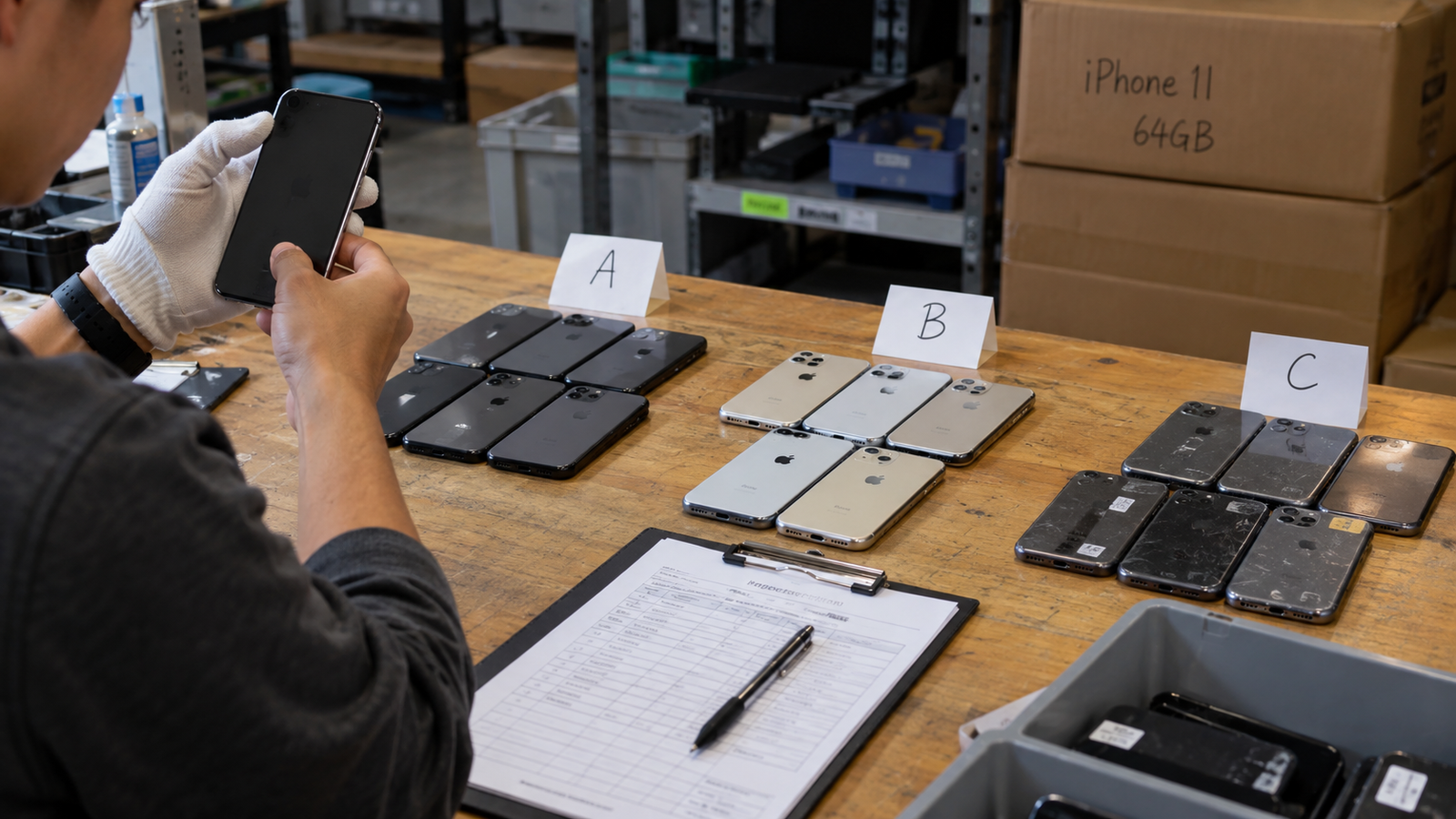
Cosmetic grade terminology is seller-defined unless the parties agree on a written standard. Buyers should define permitted wear, excluded damage, whether grades are assigned per device or by a documented batch tolerance, and how disagreements will be reviewed.
Grade should describe visible condition, not hide a functional, battery, lock, or repair exception. Those outcomes belong in separate record fields.
| Grade Topic | Question to Confirm | Written Requirement |
|---|---|---|
| Screen Scratches | What severity is permitted? | Visibility and location criteria |
| Screen Cracks | Are any cracks allowed? | Explicit inclusion or exclusion |
| Housing Wear | What marks are acceptable? | Surface-wear definition |
| Frame Dents | What depth or location is excluded? | Frame criteria |
| Back Glass Condition | What damage is permitted? | Back-glass criteria |
| Camera Lens Condition | What marks require exception status? | Lens-area criteria |
| Display Marks | Are visible display issues separate? | Functional exception rule |
| Water-Damage Signs | How are observations handled? | Inspection and routing rule |
| Cosmetic Repair Signs | What must be disclosed? | Repair-evidence field |
| Grade Mix Tolerance | Is variation permitted? | Written calculation method |
| Regrading Process | How are disputes documented? | Evidence and review procedure |
Grade Agreement Checklist
- Written grade definitions and examples of permitted wear.
- Clear exclusions for screen, housing, frame, and camera area.
- Per-device or batch-level grading method.
- Documentation for exceptions.
- Regrading and claim-review procedure.
Define the Functional Test Scope

“Tested” should never remain undefined. Buyers should name the functions to check, decide how results will be recorded, and specify how failed or unavailable tests move through the exception process.
A test result should be tied to the device identifier where the commercial specification requires device-level evidence. Pass, fail, and further-review outcomes must remain distinct.
| Test Area | Example Function | Record Requirement |
|---|---|---|
| Power and Boot | Startup and setup access | Observed outcome |
| Display and Touch | Output and full-screen response | Separate display and touch results |
| Cameras and Flash | Front, rear, focus, flash | Function result |
| Speakers and Microphones | Audio input and output | Separate audio results |
| Buttons and Vibration | Physical controls and feedback | Observed result |
| Face ID or Touch ID | Authorized biometric test | Pass, fail, or review |
| Charging | Wired charging response | Observed result |
| Wireless Charging Where Applicable | Supported charging response | Observed result |
| Wi-Fi and Bluetooth | Wireless connection | Separate results |
| Cellular or SIM Function | Approved connectivity check | Test context and result |
| Sensors | Relevant device response | Individual results |
| Battery Information | Available settings and charging | Device-level field |
| Data Erasure and Setup Readiness | Authorized reset and setup status | Final status |
- Define the test list and required evidence.
- Define pass, fail, and further-review outcomes.
- Link the result to the device identifier.
- Separate exceptions before shipment or resale.
Review Battery Information

Battery health is one inspection factor, not a universal grade or permanent performance guarantee. Buyers should define the battery information required, the point at which it is reviewed, and how exceptions are recorded by device.
Battery settings may change through use, repair, software context, or later inspection. Treat the available information as a documented observation rather than a promise about future performance.
| Battery Review Point | Buyer Question | Record Needed |
|---|---|---|
| Maximum Capacity | Is the value required? | Device-level observation |
| Battery Service Message | Is any message displayed? | Exact observed status |
| Cycle Count Where Available | Can it be legitimately reviewed? | Available count and context |
| Charging Function | Does charging respond normally? | Functional result |
| Heat or Physical Damage Signs | Is an exception visible? | Inspection note |
| Battery Repair History | What information is available? | Repair or service note |
| Device-Level Battery Record | How is the result linked? | Identifier-matched field |
| Exception Handling | What happens to unclear results? | Disposition status |
Rule: Do not use a single battery-health percentage to describe an entire lot unless the commercial specification explicitly defines the method and scope.
Confirm Lock and Management Status
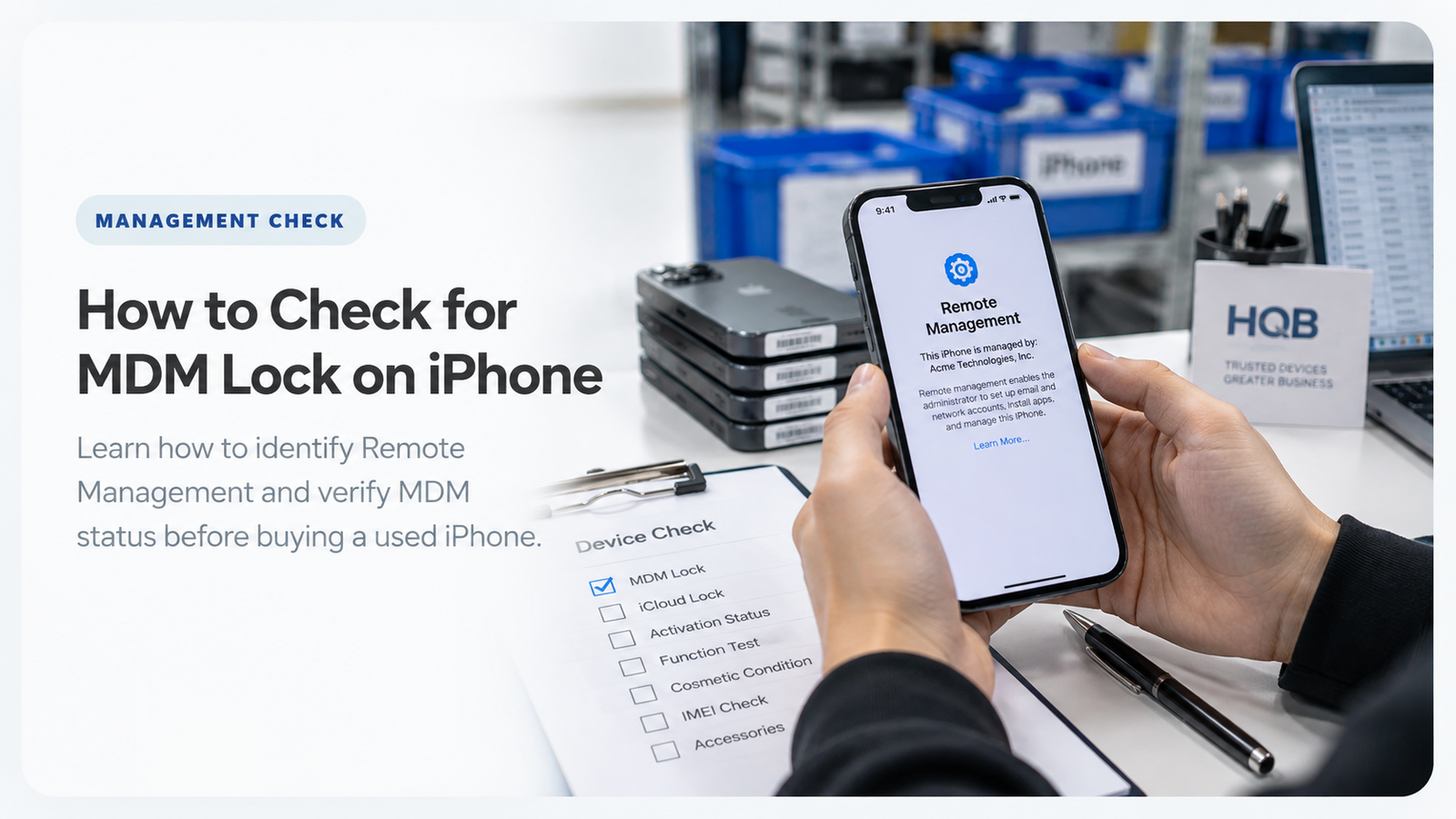
Unresolved account, activation, management, carrier, or ownership concerns can affect whether a device is suitable for the intended channel. Buyers should use legitimate status checks, authorized access, and approved business procedures only.
Record what was checked, when it was checked, and which outcome was observed. Do not attempt to bypass Activation Lock, management controls, carrier restrictions, account protections, or any other device-security feature.
| Status Area | Buyer Question | Safe Handling |
|---|---|---|
| Activation Status | Can the device proceed normally? | Use legitimate status review |
| Previous Account Removal | Has authorized removal been completed? | Do not bypass protections |
| Device Management Status | Is management still present? | Hold unresolved inventory |
| Carrier Status | What condition is documented? | Verify for the intended channel |
| IMEI or Serial Consistency | Does the identifier match? | Stop on mismatches |
| Lost or Stolen Reporting Where Applicable | What approved status source applies? | Follow lawful procedures |
| Setup Readiness | Can normal setup proceed? | Record the observed state |
| Network Compatibility | Will the variant fit the destination? | Buyer verifies requirements |
Compliance note: Do not classify a device with unresolved lock, management, ownership, or status concerns as normal resale inventory. Hold it for verification or another compliant disposition path.
Ask About Repairs and Parts History
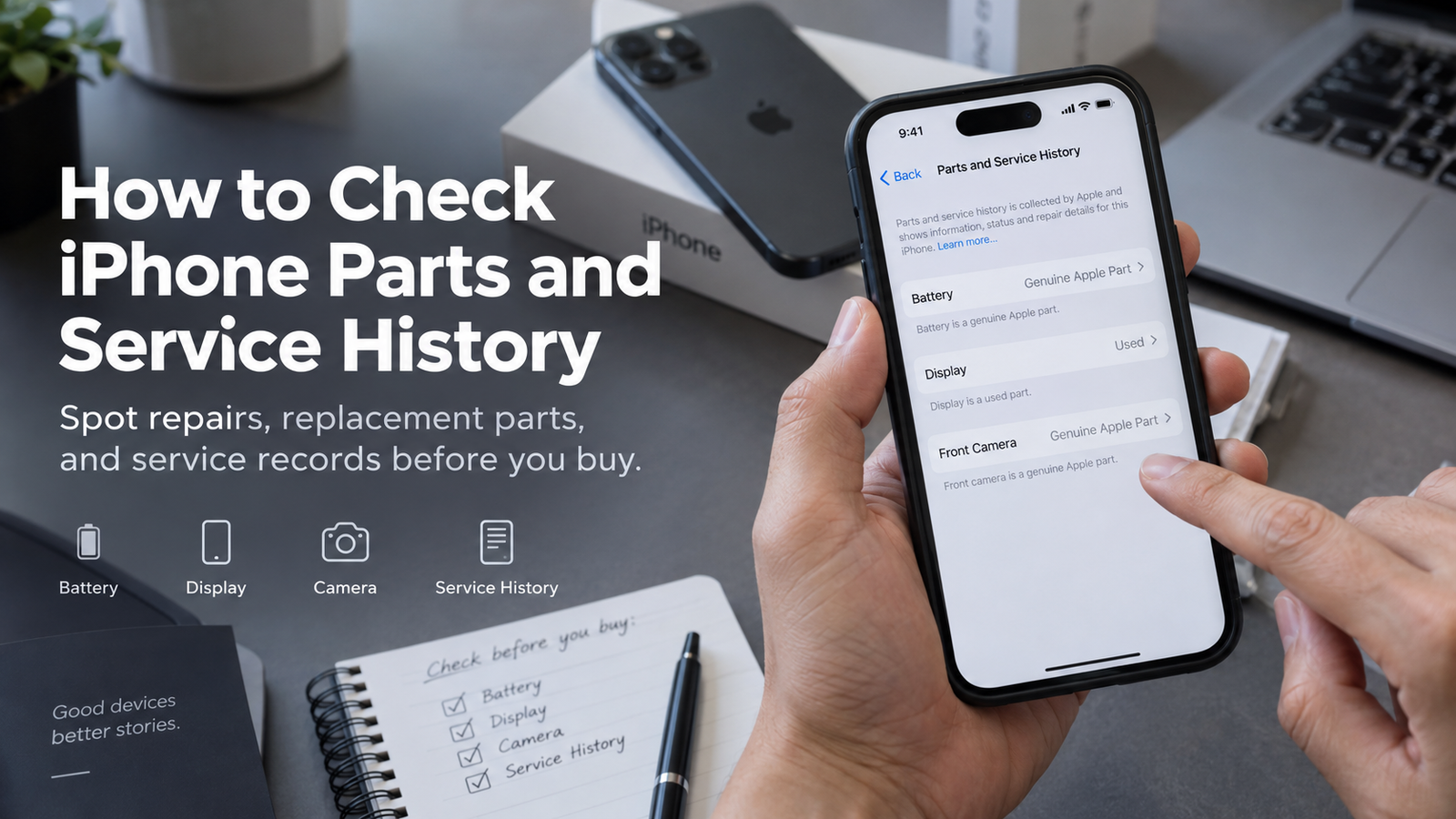
Past repairs can affect condition, related functions, customer disclosure, channel requirements, and cost planning. Buyers should request available repair information and review legitimate device settings and supporting documents.
A repair record does not replace current functional testing. Test affected and related functions separately, and keep repair history distinct from cosmetic grade.
| Review Point | Buyer Question | Evidence to Request |
|---|---|---|
| Screen Repair | Is display work disclosed? | Available repair note |
| Battery Repair | Is battery work disclosed? | Available service information |
| Camera Repair | Was camera work performed? | Repair and test record |
| Housing Repair | Was the housing changed or repaired? | Available supplier disclosure |
| Parts and Service History Where Available | What does the device show? | Exact observed entry |
| Supplier Repair Disclosure | What work is documented? | Device-linked statement |
| Post-Repair Functional Test | Were related functions checked? | QC result |
| Cosmetic Inspection | What visible signs remain? | Separate grade record |
| Final Resale Description | What must be disclosed? | Verified description |
- Ask for available repair records and record what can be verified.
- Test related functions separately.
- Keep repair history separate from cosmetic grade.
- Recalculate cost after repair decisions.
- Use accurate resale disclosures.
Define Quantity, Packing, and Logistics Records
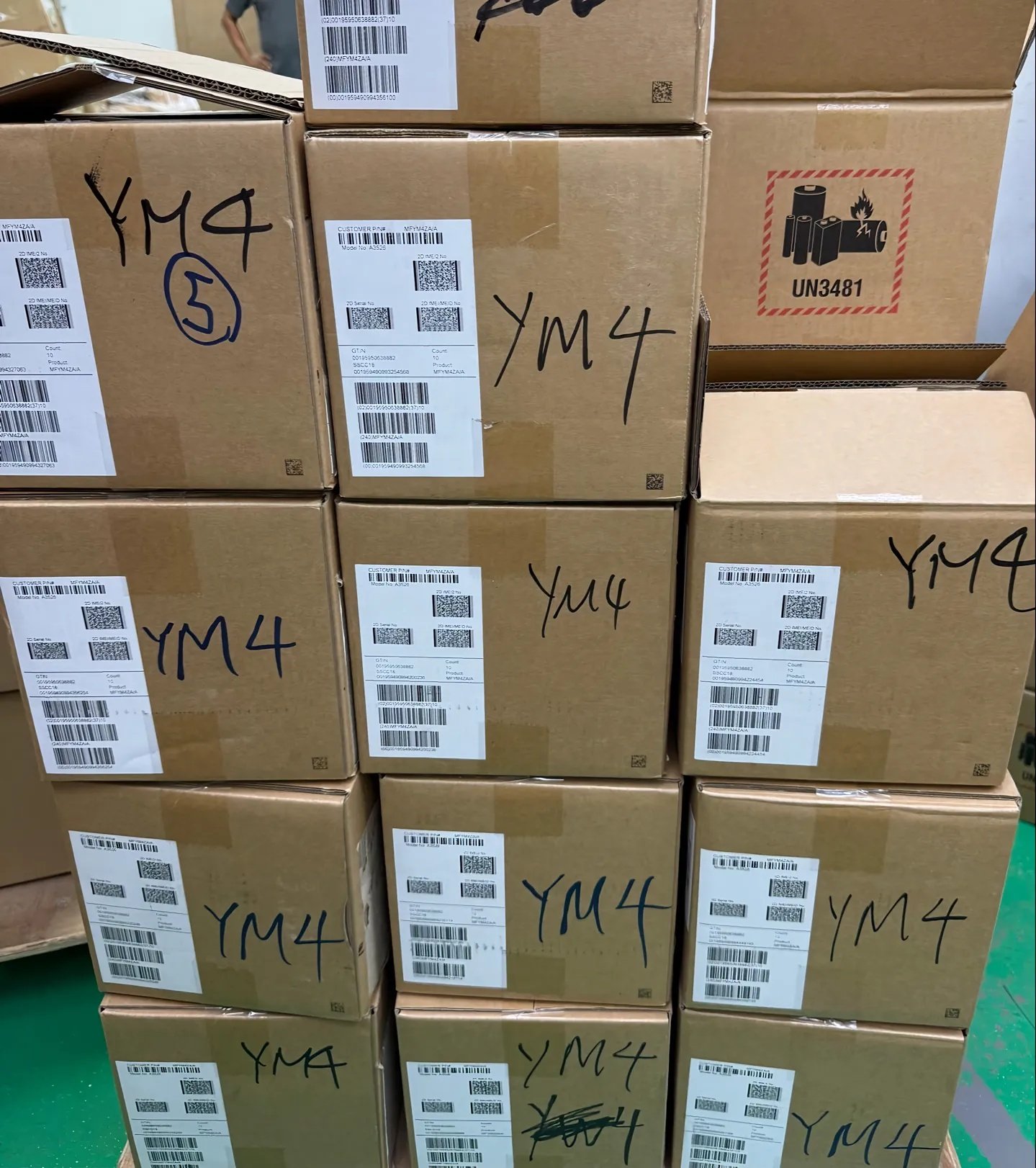
Order accuracy includes quantities, carton identification, packing condition, shipment documentation, and delivery responsibilities. Agree on these details before ordering, then check them again when the shipment arrives.
Destination-market requirements, tax treatment, customs obligations, delivery responsibilities, and insurance arrangements vary. The buyer should verify the applicable rules and qualified advice where needed.
| Logistics Item | What to Confirm | Receiving Check |
|---|---|---|
| Total Unit Quantity | Approved order total | Physical count |
| Model-Level Quantity | Count by model and storage | Manifest reconciliation |
| Carton Count | Expected cartons | Delivery count |
| Carton Identification | Label and order reference | Match each carton |
| Packing List | Required line items | Compare with contents |
| Commercial Invoice | Correct commercial references | Retain with order file |
| Shipment Reference | Traceable shipment identifier | Record at receipt |
| Insurance Responsibility Where Applicable | Party and scope | Check agreed documents |
| Delivery Terms | Agreed responsibilities | Review delivery record |
| Destination Requirements | Buyer-verified obligations | Confirm documentation |
| Damage Reporting Procedure | Evidence and timing | Document carton condition |
- Match order quantity to the manifest and manifest totals to cartons.
- Confirm packing-list references and record carton condition.
- Keep shipment documents with the order record.
- Confirm the discrepancy-reporting process.
Agree on Exceptions Before Ordering

An exception process is essential because used-device inventory can contain model mismatches, functional faults, grade disputes, missing records, or shipping damage. Confirm the documentation and review method without assuming a particular approval, credit, return, or other outcome.
Define who reports the issue, what evidence is required, and how unresolved inventory will be separated. A complete exception record should connect the order, carton where relevant, and device identifier.
| Exception Type | Evidence Needed | Buyer Action |
|---|---|---|
| Model Mismatch | Identifier and model evidence | Separate and report |
| Storage Mismatch | Device and manifest record | Document the difference |
| Grade Dispute | Images and written criteria | Hold for review |
| Functional Fault | Test result and context | Move to exception inventory |
| Battery Information Mismatch | Device-level observation | Record and review |
| Lock or Management Concern | Legitimate status record | Do not release normally |
| Repair Disclosure Issue | Available repair evidence | Review description |
| Quantity Difference | Count and packing records | Reconcile totals |
| Shipping Damage | Carton and device evidence | Follow agreed procedure |
| Missing Manifest Data | Incomplete field list | Request clarification |
Rule: Document exceptions by order number, carton number where relevant, and device identifier. Do not mix unresolved devices with cleared inventory.
Plan the Receiving Inspection
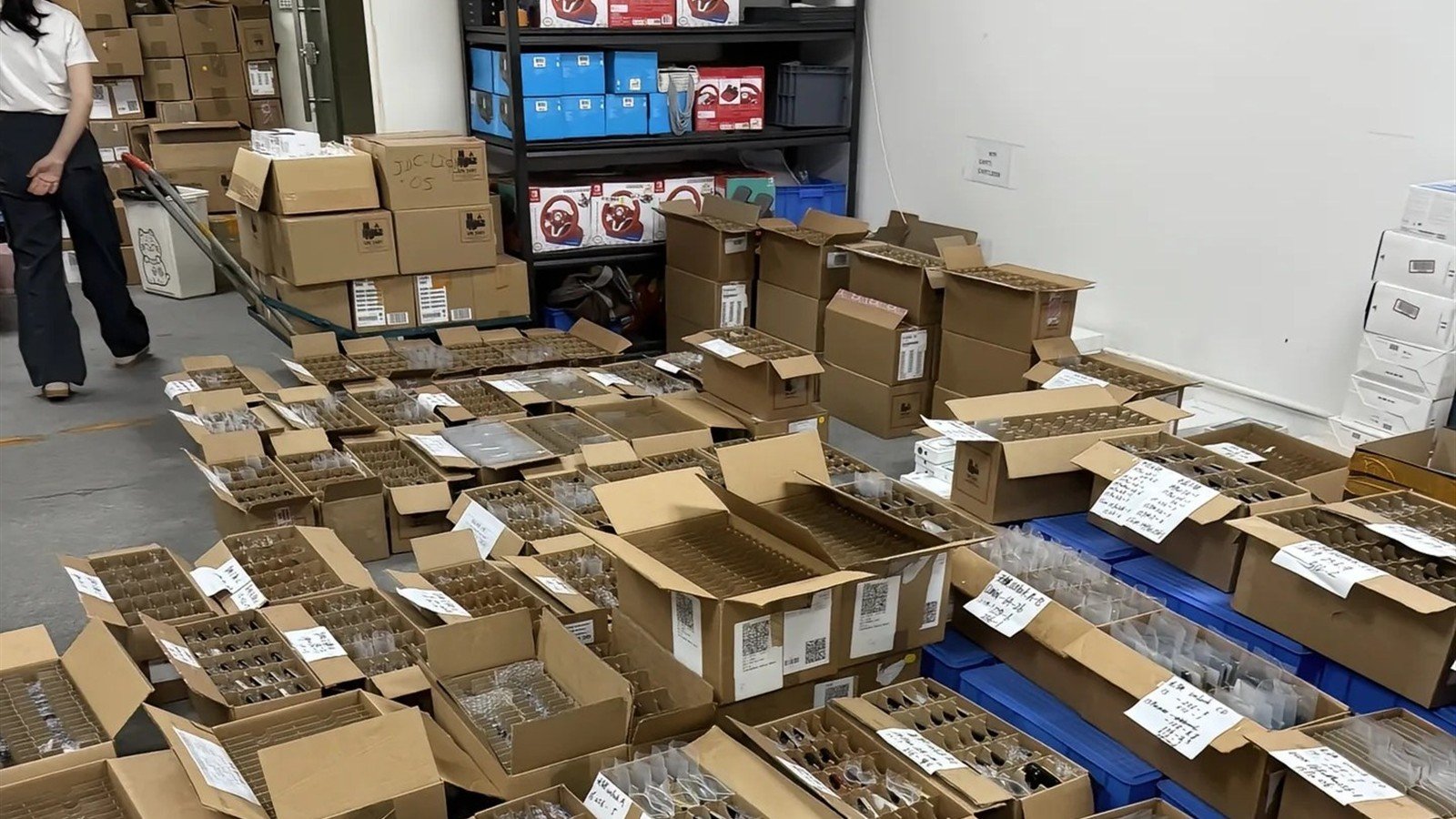
Receiving inspection verifies what arrived, not simply what was ordered. A consistent intake process helps buyers find discrepancies before devices enter sales channels, repair queues, or outgoing inventory.
Use the approved specification as the reference. Update the device record after inspection, repair, regrading, or disposition changes so later teams are not relying on outdated supplier data.
Receiving process
- Record delivery and carton condition.
- Count cartons and devices.
- Match each device to the manifest.
- Confirm model and storage.
- Review device status.
- Inspect cosmetic condition.
- Complete defined functional tests.
- Record battery and repair information where available.
- Separate exceptions.
- Update inventory disposition.
- Complete final acceptance review.
| Receiving Stage | Evidence Required | Output |
|---|---|---|
| Shipment Receipt | Delivery reference | Receipt record |
| Carton Inspection | Condition notes and evidence | Carton status |
| Quantity Count | Physical count | Reconciled total |
| Manifest Reconciliation | Device and manifest match | Matched inventory |
| Identity Review | IMEI or serial confirmation | Verified device row |
| Functional QC | Defined test results | Pass, fail, or review |
| Grade Review | Written cosmetic criteria | Confirmed or revised grade |
| Exception Sorting | Complete exception record | Separated inventory |
| Final Inventory Release | Approved device record | Channel-ready disposition |
Build a Pre-Order Approval Checklist

Internal approval should occur only when the buyer has enough information to understand the lot, planned channel, cost exposure, and unresolved risks. A complete used iPhone bulk order checklist gives procurement, finance, operations, and receiving teams the same reference.
Review fully loaded cost internally using verified inputs. Do not treat a quoted unit price as proof of margin, sellable yield, customs treatment, repair cost, or resale success.
Final pre-order checklist
- Target market and channel defined.
- Supplier information reviewed.
- Written product specification approved.
- Per-device manifest requested where required.
- Model, storage, and variant mix confirmed.
- Grade definition agreed in writing.
- Functional test scope defined.
- Battery information requirement defined.
- Lock and management status process confirmed.
- Repair and parts information reviewed.
- Quantity and packing requirements confirmed.
- Logistics documents identified.
- Receiving inspection plan prepared.
- Exception handling process documented.
- Fully loaded cost and internal resale plan reviewed.