
Overview
What Is a Mixed iPhone Lot?
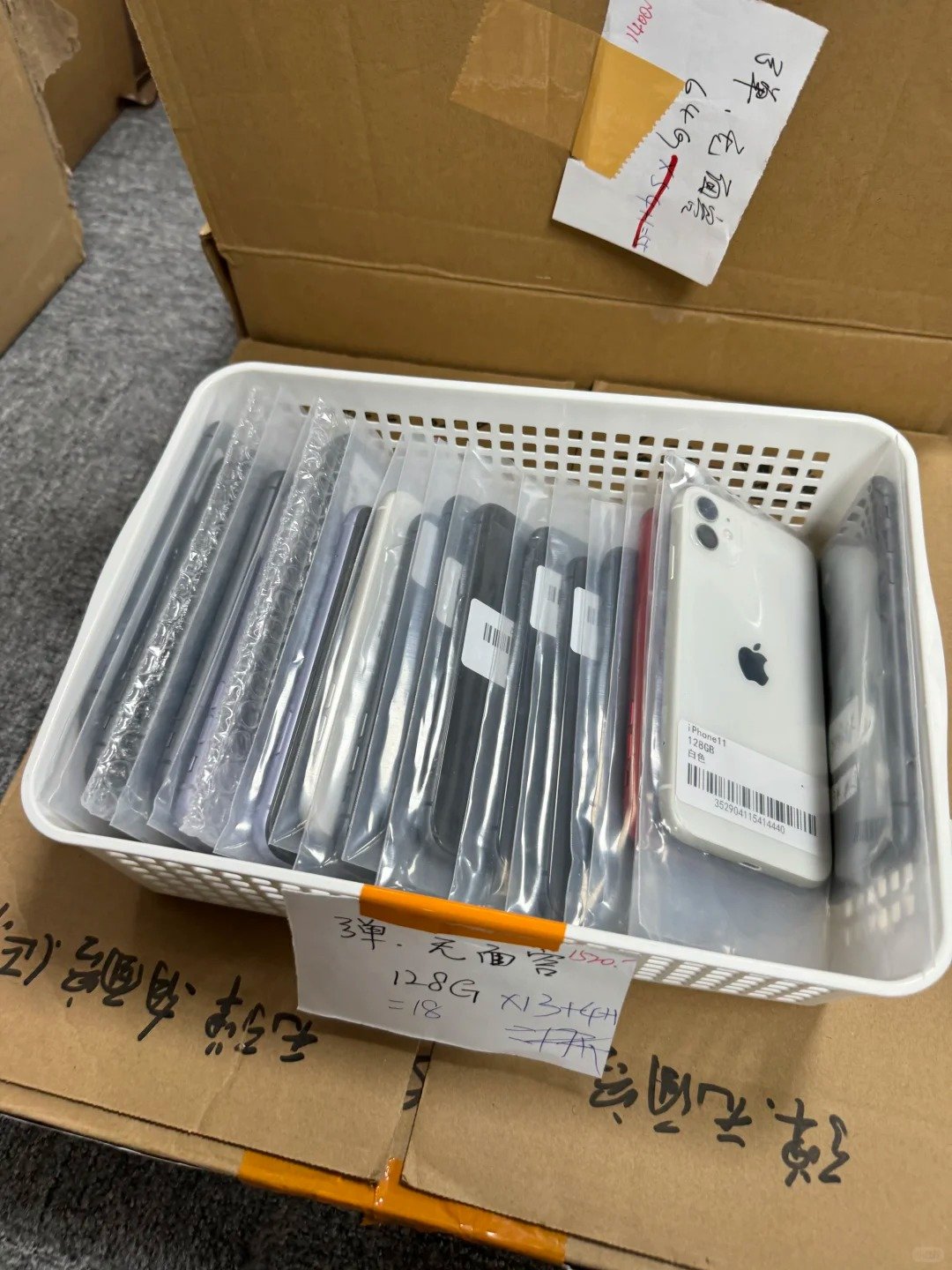
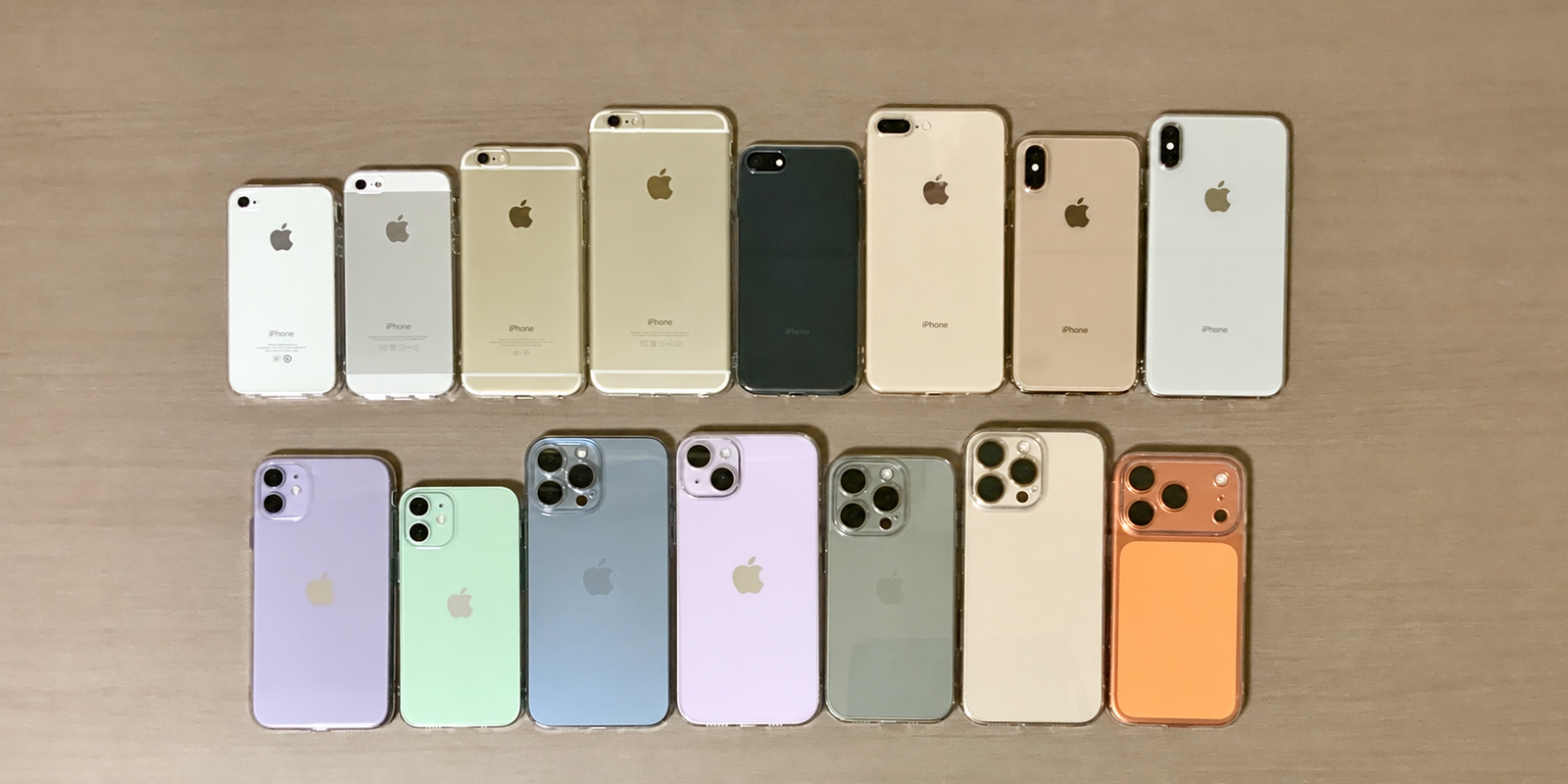
A mixed iPhone lot may contain different generations, storage capacities, colors, cosmetic grades, functional conditions, and resale-readiness levels. “Mixed” should be defined by documentation rather than assumptions. The lot may be a useful sourcing option, but every important variation should be visible in a device record.
Buyers should define how the lot will be received, checked, separated, and assigned to a channel before using a blended summary as a purchasing decision. A mixed lot can include clean resale units, rework candidates, devices pending verification, and parts-recovery units at the same time.
| Lot Type | Typical Contents | Buyer Consideration |
|---|---|---|
| Mixed Model Lot | More than one iPhone generation | Reconcile exact models before pricing. |
| Mixed Storage Lot | Multiple capacity configurations | Do not use one tier as another’s value proxy. |
| Mixed Grade Lot | Several cosmetic categories | Keep grade definitions and exceptions clear. |
| Mixed Condition Lot | Different functional and repair states | Sort by verified disposition. |
| Trade-In or Buy-Back Lot | Consumer-returned device mix | Plan receiving and verification process. |
| Tested and Graded Lot | Supplier-recorded checks and grades | Confirm test scope and records. |
| Unprocessed Lot | Devices needing initial assessment | Allow for inspection and sorting. |
| Parts and Repair Lot | Repairable or recovery devices | Do not classify as normal resale inventory. |
Before Calling a Lot Resale-Ready
- Identify each device.
- Confirm the supplier’s grade language.
- Confirm the functional test scope.
- Separate clean, repair, and exception units.
- Match the lot to an actual resale channel.
Mixed-lot evaluation
Reconcile the Lot at Receiving

Receiving is the point where a mixed-lot summary becomes individual inventory. Count each device, match it to the manifest, and document any difference before it is blended into normal stock. A fast count without reconciliation can allow an incorrect model, storage tier, condition claim, or missing record to travel through later workflows.
Use a controlled receiving sequence that your team can repeat. The goal is not to assume that a discrepancy proves wrongdoing; it is to give every variance a clear line-item record and an appropriate next step. This also makes later cost allocation, rework, claims, and resale description more defensible.
| Receiving Check | Record to Compare | Next Step if Different |
|---|---|---|
| Device Count | Lot total and line-item count | Separate the variance before allocation. |
| Device Identifier | IMEI or serial record | Hold for reconciliation. |
| Model and Storage | Manifest configuration | Correct the line item and review plan. |
| Visible Condition | Claimed grade and criteria | Record observation for regrading. |
| Status Information | Available device status record | Move to verification where unresolved. |
| Accessories and Packaging | Agreed scope | Update cost or channel preparation. |
Photographs, test notes, and packaging observations can be useful evidence when they are organised under the correct device line item and handled according to the buyer’s policies. Preserve the original receiving date and avoid overwriting a previous observation without recording why it changed.
After reconciliation, create separate work queues for resale-ready units, rework candidates, verification holds, returns or claim review, and parts recovery. This prevents one category from influencing the description or value of another. It also helps the buyer estimate sellable yield using verified outcomes instead of the headline lot count.
Start with a Per-Device Manifest

A lot-level summary is useful, but it cannot replace a device-level manifest. Each device needs a stable line item that allows the buyer to reconcile received inventory against the agreed information. Use the same line item through receiving, testing, rework, pricing, shipment, and any exception process.
A manifest does not remove the need to inspect. It makes inspection results comparable and traceable. Where information is unavailable, record it as unknown or pending rather than applying the most favourable assumption to the full lot.
| Field | Why It Is Needed | Buyer Review |
|---|---|---|
| Lot Number | Links the batch to commercial records | Match receiving documents. |
| Device Line Number | Stable unit reference | Keep through all workflows. |
| IMEI or Serial Number | Identity reconciliation | Match device and record lawfully. |
| Model | Defines product generation | Confirm exact configuration. |
| Storage Capacity | Changes buyer fit | Verify device-level capacity. |
| Color | May affect channel presentation | Record, do not assume. |
| Claimed Grade | Cosmetic expectation | Check against written criteria. |
| Battery Information Where Available | Supports disclosure | Retain available record. |
| Lock or Management Status | Resale suitability | Complete responsible verification. |
| Functional Test Status | Operation record | Confirm scope and result. |
| Repair or Parts Note | Risk and disclosure context | Update after rework. |
| Unit Cost or Cost Allocation | Supports cost review | Use internal allocation logic. |
| Final Disposition | Controls next step | Resale, rework, return, or recovery. |
Verify Models, Storage, and Variants

Model family names are not enough for resale decisions. Storage capacity, regional variant, SIM configuration, network compatibility, and device generation can affect buyer demand, channel suitability, and pricing decisions. Record the exact device configuration before assigning it to a destination or pricing group.
| Verification Point | Why It Can Change Value | Record Required |
|---|---|---|
| Exact iPhone Model | Different generations serve different buyer needs | Exact model name. |
| Storage Capacity | Changes practical use and demand | Verified capacity. |
| Model Identifier | Clarifies hardware variant | Device record. |
| SIM Configuration | Can affect buyer compatibility | Available SIM arrangement. |
| Network Compatibility | Depends on destination requirements | Buyer’s market check. |
| Regional Variant | May change channel fit | Region-specific identifier. |
| Color | Can affect presentation preference | Device-level colour. |
| Included Accessories | May alter offer scope | Actual included items. |
| Packaging Status | Can affect channel preparation | Recorded packaging condition. |
Do Not Assume
- Do not assume every device in a model group has the same storage.
- Do not assume a similar exterior means the same internal configuration.
- Do not assume a device variant fits every destination market.
- Do not price a lot before reconciling actual received devices.
Define Grade Before You Buy

Grade A, Grade B, Excellent, Good, and similar labels are not universal technical standards. Buyer and supplier should agree on the definition, whether it applies per device or across a batch tolerance, and how exceptions are handled. A grade can describe appearance, but it should not replace functional or status records.
| Grade Topic | Question to Clarify | Why It Matters |
|---|---|---|
| Screen Condition | Which scratches, marks, or cracks are acceptable? | Changes buyer expectation. |
| Housing Condition | What wear, finish loss, or bends are included? | Supports accurate presentation. |
| Camera Lens Condition | Are marks or chips excluded? | May affect appearance and testing. |
| Frame Wear | How is scuffing assessed? | Changes cosmetic category. |
| Dents or Chips | What is a grade exception? | Prevents broad claims. |
| Display Marks | Are they visible under normal use? | Needs consistent review. |
| Battery Condition | Is battery separate from grade? | It should be recorded separately. |
| Functional Faults | Are faults excluded from grade? | Function is a different data point. |
| Replacement Parts | How are available records disclosed? | Supports transparent description. |
| Grade Exceptions | How are disputes rechecked? | Controls mixed-lot variability. |
Grade Agreement Checklist
- Written cosmetic criteria.
- Clear examples of acceptable wear.
- Clear exclusions.
- Per-device or batch-level grading method.
- Regrading process.
- Treatment of disputed units.
- Repair-status disclosure requirements.
Separate Cosmetic Grade from Functional Status

Cosmetic condition and functional condition are different data points. A device may look clean but require repair, or show visible wear while operating correctly. Mixed lots should record both categories separately so that buyers can choose an accurate resale, rework, return, quarantine, or recovery path.
| Assessment Area | Cosmetic Example | Functional Example | Resale Impact |
|---|---|---|---|
| Display | Surface marks | Touch or image issue | Separate grade from function. |
| Housing | Scuff or dent | Structural concern | Review condition record. |
| Camera | Lens wear | Capture or focus fault | Test and disclose accurately. |
| Buttons | Visible wear | Inconsistent response | May require rework. |
| Face ID or Touch ID | No cosmetic proxy | Biometric operation | Test separately. |
| Charging Port | Port appearance | Charging stability | Use functional record. |
| Speaker and Microphone | No cosmetic proxy | Audio result | Record test outcome. |
| Wireless Functions | No cosmetic proxy | Connectivity result | Match intended channel. |
| Battery | Not an appearance grade | Available battery information | Disclose available record. |
| Water-Damage Indicators | May be invisible | Risk indicator | Use cautious process. |
- Inspect external condition.
- Confirm device identity.
- Run functional tests.
- Document faults and repairs.
- Assign grade and functional status separately.
- Determine resale, rework, return, quarantine, or parts recovery.
Check Lock and Management Status

Activation-related issues, carrier restrictions, enterprise management status, and unresolved ownership concerns can materially affect whether a device suits the intended channel. Complete checks according to applicable laws, policies, and legitimate device-ownership procedures. Do not attempt to bypass device protections.
| Status Area | Buyer Question | Safe Handling Approach |
|---|---|---|
| Activation Status | Can legitimate setup be completed? | Verify through lawful process. |
| Device Management Status | Is organisation management unresolved? | Hold for verification. |
| Carrier Status | Is it suitable for destination use? | Check channel requirements. |
| Lost or Stolen Reporting | Is there a concern requiring review? | Use legitimate verification route. |
| Account Removal | Has ownership been properly removed? | Follow authorised procedure. |
| Serial or IMEI Consistency | Does record match device? | Reconcile device line item. |
| Setup Completion | Is normal, lawful setup possible? | Record verified status. |
| Network Compatibility | Does the buyer’s market support it? | Buyer verifies local fit. |
Test the Lot Before It Reaches Your Sales Channel

Testing should be standardised enough for teams to compare results across devices. The test list should match the buyer’s sales channel and the condition description that will be used. A broad lot-level statement should never replace the actual result for a specific unit.
| Test Area | Example Checks | Record Outcome |
|---|---|---|
| Power and Boot | Normal start and basic operation | Pass, exception, or review. |
| Display and Touch | Image, touch response, visible issue | Test result and note. |
| Cameras | Capture and focus check | Functional record. |
| Speaker and Microphone | Audio input and output | Result by device. |
| Buttons and Biometrics | Physical controls and available biometric test | Pass, fault, or pending. |
| Charging | Connection and stability | Test result. |
| Wireless Connectivity | Available connection checks | Channel-relevant record. |
| SIM and Network Functions | Compatibility assessment | Buyer market review. |
| Battery Information | Available device data | Record as available. |
| Sensors | Relevant system checks | Device result. |
| Storage Confirmation | Exact capacity | Reconcile manifest. |
| Data Erasure and Setup Readiness | Preparation for intended route | Document lawful process. |
Calculate Sellable Yield
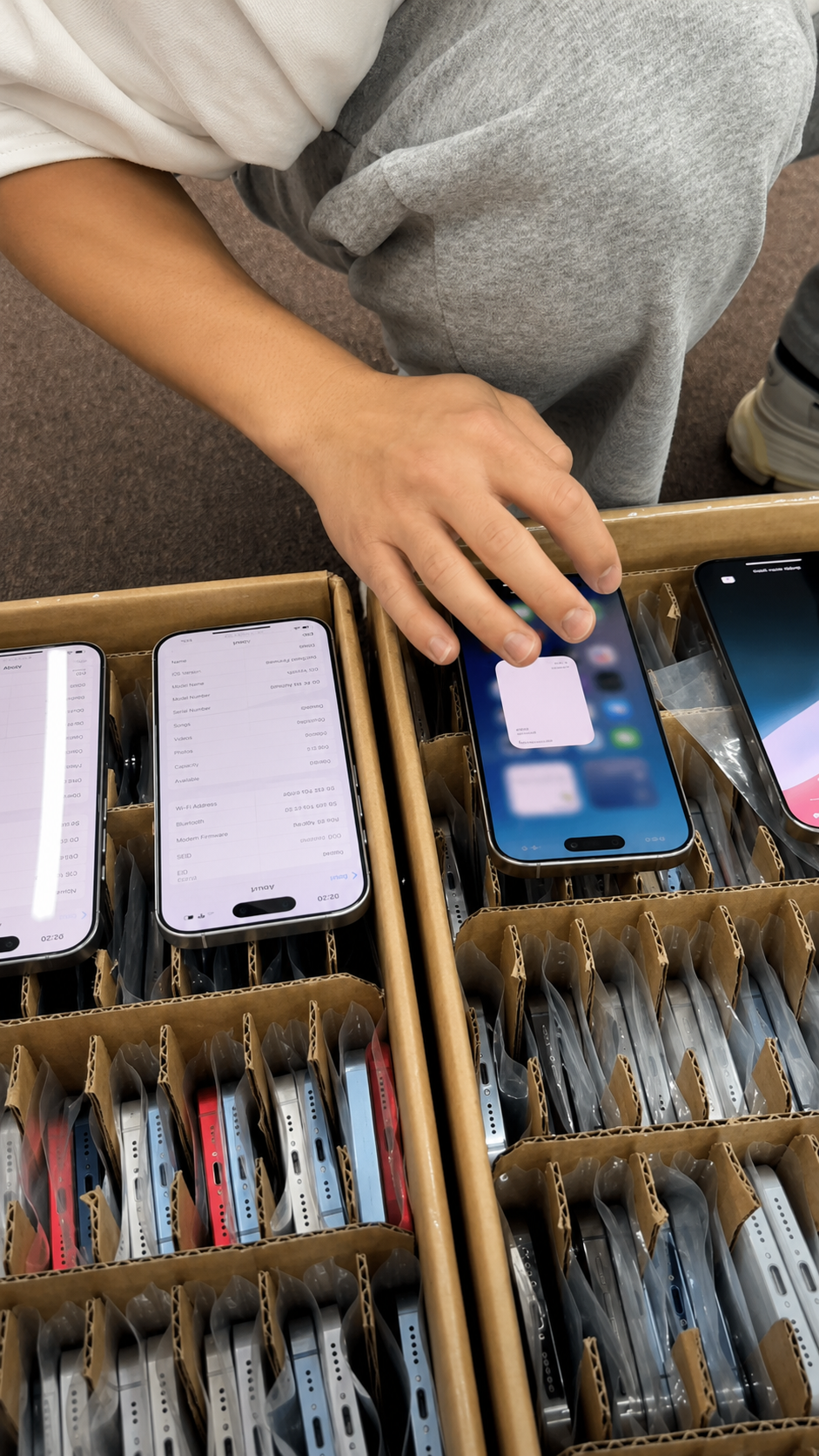
The number of devices purchased is not always the number ready for resale. A mixed lot may contain units requiring repair, verification, return, parts recovery, or alternative disposal. Sort first, then calculate the portion that can enter the intended channel after verification.
Educational formula: Sellable Yield % = Verified Sellable Units ÷ Total Units Received × 100.
| Device Outcome | Meaning | Planning Use |
|---|---|---|
| Ready for Resale | Verified for intended channel | Include in sellable-unit plan. |
| Needs Cosmetic Work | Presentation needs review | Estimate preparation route. |
| Needs Functional Repair | Test issue requires scope | Hold until cost is known. |
| Needs Further Verification | Record or status incomplete | Do not treat as ready. |
| Return or Claim Review | Discrepancy needs process | Document recovery path. |
| Parts Recovery | Not normal retail-ready unit | Use separate disposition. |
| Unsellable | Not suitable for intended sale | Use lawful documented handling. |
Sellable yield helps buyers understand what portion of the lot can enter the intended sales channel after verification. It is an internal planning measure, not a guaranteed result.
Allocate Cost by Sellable Unit
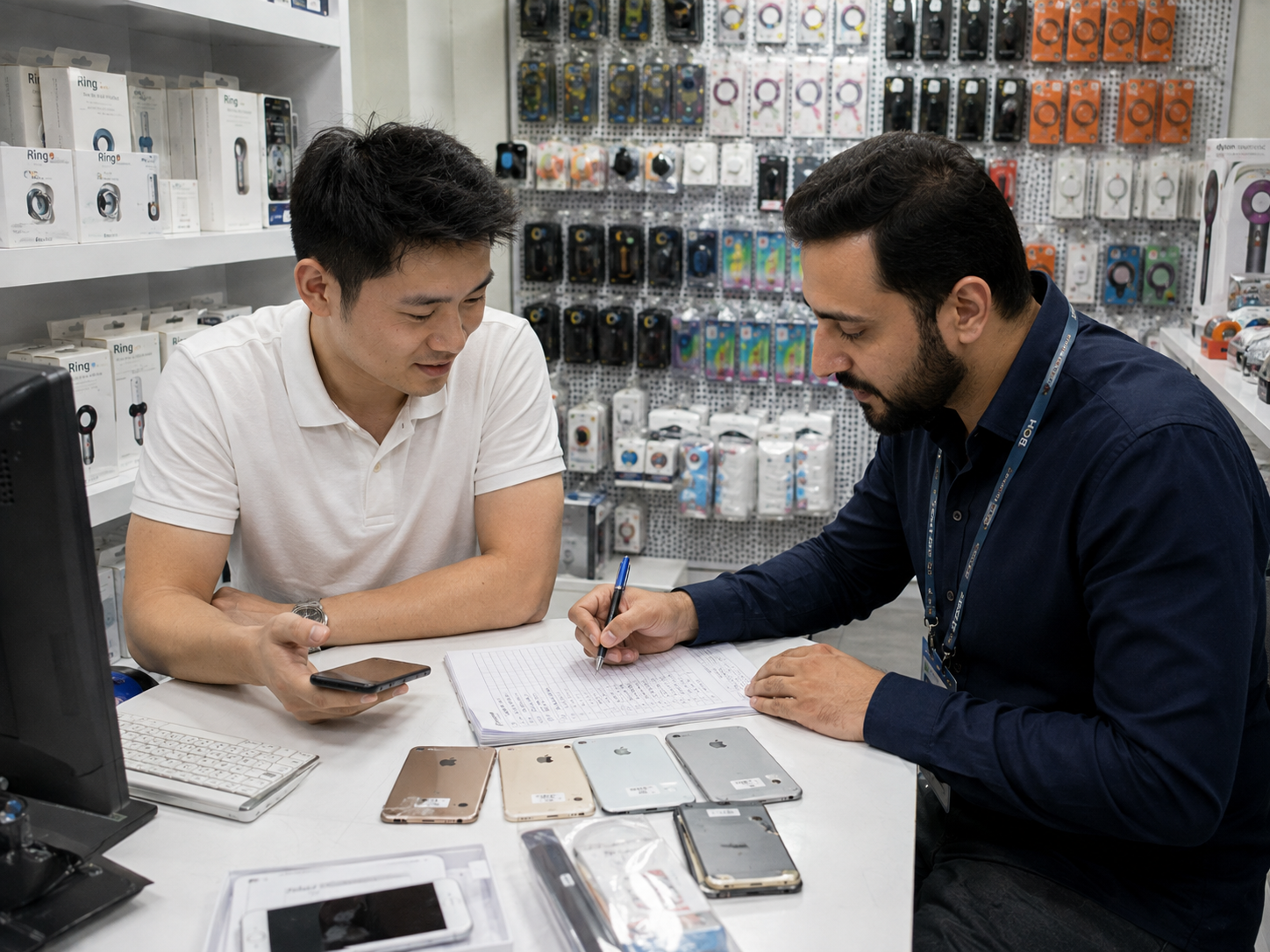
A low average lot price can be misleading if testing, repair, logistics, storage, return, and exception costs are ignored. Allocate costs using verified sellable units and actual disposition. Recalculate when repair scope, channel, or device record changes.
Educational formula: Total Allocated Lot Cost = Acquisition Cost + Inspection Cost + Repair Cost + Logistics Cost + Packaging Cost + Channel Cost + Risk Reserve + Applicable Allocated Costs.
Educational formula: Cost per Sellable Unit = Total Allocated Lot Cost ÷ Verified Sellable Units.
| Cost Category | Example Cost | Why It Must Be Included |
|---|---|---|
| Lot Acquisition | Verified purchase record | Starting cost input. |
| Receiving and Sorting | Count and classification | Mixed lots need reconciliation. |
| Device Testing | Functional review | Supports sellable classification. |
| Cosmetic Preparation | Cleaning and presentation | May affect grade route. |
| Functional Repair | Approved repair scope | Changes fully loaded cost. |
| Replacement Parts | Components and fitting | Needs record and disclosure. |
| Packaging | Channel preparation | Depends on selling route. |
| Inbound Freight | Transport allocation | Part of delivered lot cost. |
| Insurance or Handling | Relevant logistics input | May affect retained result. |
| Channel Fees | Route-specific costs | Test against expected revenue. |
| Return and Claim Reserve | Internal documented allowance | Supports planning discipline. |
| Inventory Carrying Cost | Storage and holding exposure | Slow units may add cost. |
| Parts-Recovery Processing | Alternative disposition handling | Do not blend with normal resale. |
Match Each Device to a Sales Channel
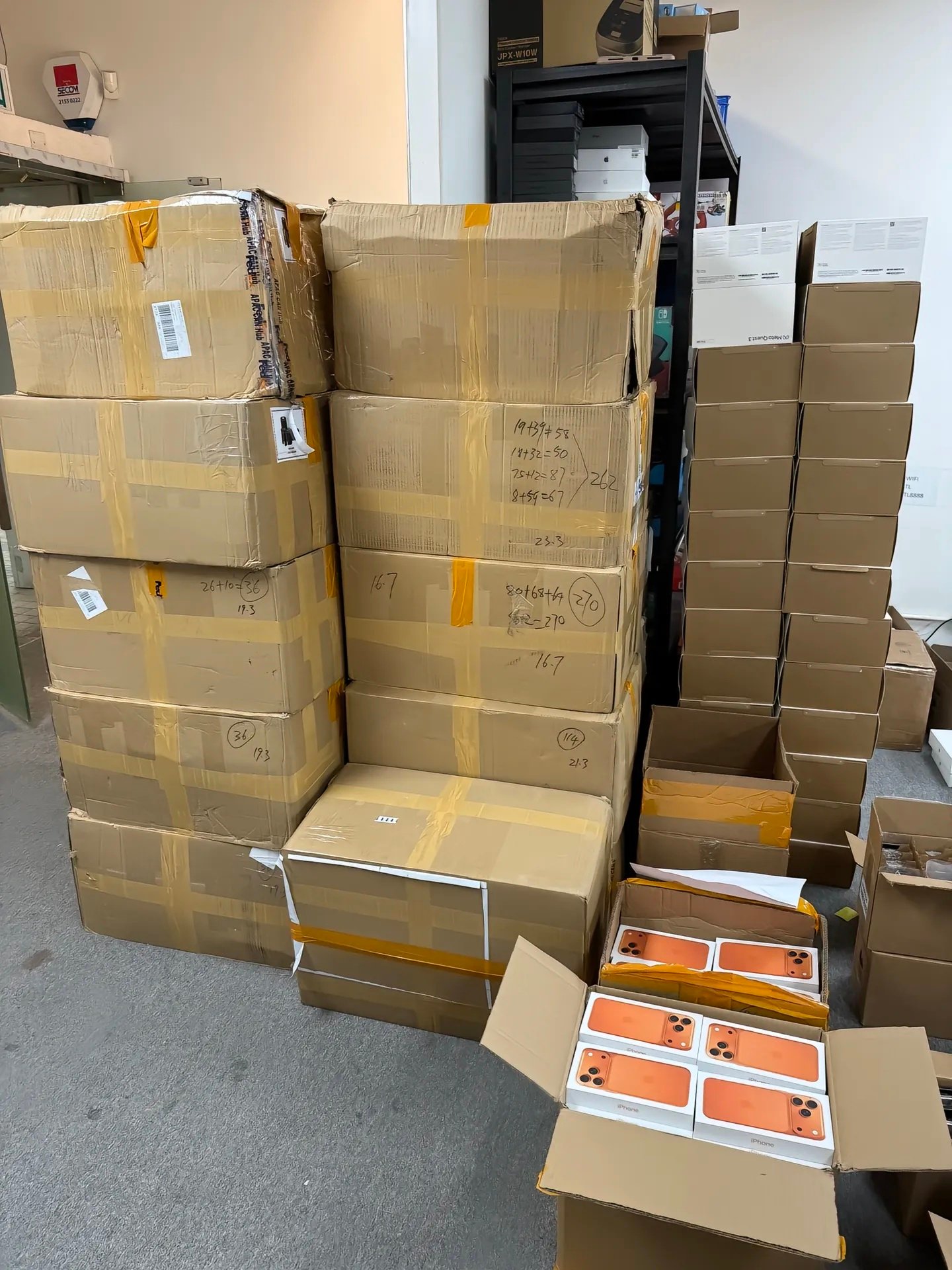
A device suitable for one channel may not fit another. Retail-ready units, graded wholesale inventory, repair devices, and parts devices need different descriptions, handling, and buyer expectations. Channel selection should follow the verified device record rather than a broad lot label.
| Device Profile | Potential Channel Fit | Required Preparation |
|---|---|---|
| Clean and Fully Tested Units | Suitable verified resale route | Accurate listing and records. |
| Cosmetic Grade Variants | Grade-specific channel | Written condition language. |
| Battery-Review Units | Channel accepting available disclosure | Accurate battery record. |
| Repaired Units | Route supporting repair disclosure | Retest and update record. |
| Repairable Units | Internal or approved repair path | Scope and cost review. |
| Parts-Only Units | Parts recovery channel | Separate from normal resale. |
| Devices Pending Verification | Hold status | Resolve record first. |
- Is the grade clear?
- Is functionality documented?
- Is status verified?
- Is the description accurate?
- Are channel requirements met?
- Is expected retained revenue above fully loaded cost?
Review Repair and Parts Decisions
Repair should be a commercial and operational decision, not an automatic response. Compare repair cost, expected sales value, repair lead time, parts quality requirements, and the risk of further defects. Update the device record and test result after any repair before treating the unit as resale-ready.
| Device Condition | Review Question | Possible Disposition |
|---|---|---|
| Minor Cosmetic Wear | Does preparation match the intended grade? | Grade-specific resale or cosmetic work. |
| Screen Issue | What is the test and repair scope? | Repair review or alternate path. |
| Battery Concern | What available information must be recorded? | Disclosure, review, or repair path. |
| Camera Fault | Can function be restored and verified? | Repair or recovery review. |
| Charging Issue | What is the underlying finding? | Diagnostic and repair scope. |
| Biometric Fault | Does it fit intended customer expectation? | Different channel or disposition. |
| Multiple Functional Faults | Does repair remain supportable? | Recovery or controlled disposition. |
| Unresolved Status Issue | Can lawful verification be completed? | Hold, verification, or compliant path. |
- Confirm the repair scope.
- Confirm the parts source and compatibility.
- Record repair cost.
- Update the device record after repair.
- Re-test the device.
- Recalculate fully loaded cost.
- Use accurate resale descriptions.
Plan for Returns and Exceptions
Mixed-lot purchasing should include a documented process for discrepancies, missed information, grade disputes, non-working units, and post-sale claims. Clear records make exception handling more manageable because every observation, repair, and shipment can be connected to the device line item.
| Exception Type | Evidence Needed | Internal Response |
|---|---|---|
| Model Mismatch | Device identifier and received record | Reconcile before disposition. |
| Storage Mismatch | Verified capacity record | Correct manifest and plan. |
| Grade Dispute | Written criteria and inspection note | Use regrading process. |
| Functional Fault | Test record and observation | Review repair or claim. |
| Lock or Management Issue | Status record | Hold normal resale. |
| Shipping Damage | Receiving evidence | Follow documented process. |
| Missing Accessories | Agreed offer scope | Update cost or description. |
| Incorrect Device Record | Manifest comparison | Correct line-item record. |
| Post-Sale Buyer Claim | Device, listing, and shipment record | Review through channel process. |
Build a Mixed-Lot Buying Checklist

A disciplined checklist reduces avoidable assumptions before payment, receiving, and resale. Use it alongside the buyer’s own local import rules, network compatibility checks, tax treatment, and channel requirements. These factors must be verified by the buyer before purchase or resale.
- Define the intended market and sales channel.
- Request a per-device manifest.
- Confirm model and storage mix.
- Confirm the grading definition.
- Confirm the functional test scope.
- Review lock and management-status handling.
- Ask how exceptions are recorded.
- Plan the receiving and inspection process.
- Estimate sellable yield.
- Estimate fully loaded cost.
- Confirm repair capacity or service partners.
- Define return, claim, and dispute procedures.
- Set separate dispositions for resale, rework, verification, and parts.
- Review current market evidence before setting selling prices.

FAQ
Frequently Asked Questions
What is a mixed iPhone lot?
A mixed iPhone lot is a bulk group of devices that can vary by model, storage, grade, functional condition, repair status, and resale readiness.
Should I buy a mixed lot without a manifest?
Request a device-level manifest whenever possible. Minimum fields are:
- Device identifier.
- Exact model and storage.
- Claimed grade and status.
Are Grade A and Grade B universal standards?
No. Grade terminology varies. Agree on written cosmetic criteria, functional requirements, and exception handling before purchase.
Why should cosmetic grade and functionality be recorded separately?
| Record | Meaning |
|---|---|
| Cosmetic Grade | Visible appearance. |
| Functional Status | Device operation and test results. |
How do I calculate sellable yield?
Sellable Yield % = Verified Sellable Units ÷ Total Units Received × 100.
How should I handle devices with unresolved lock or management status?
Do not place them into normal resale inventory. Keep them in verification or another compliant disposition path until status is resolved.
What costs should I include when evaluating a mixed lot?
- Acquisition, receiving, and testing.
- Repair, parts, and packaging.
- Logistics, channel costs, returns exposure, and applicable allocated costs.
Can HQB guarantee the grade or resale outcome of every mixed lot?
No. HQB can discuss available device information and project requirements, but verification, market demand, local rules, costs, and resale outcomes must be reviewed by the buyer.
Summary
Buy the Data, Not Just the Lot
Mixed iPhone lots can support flexible sourcing, but every device is an individual resale, repair, or recovery decision. Use a manifest, clear grade definitions, functional testing, verified status checks, sellable-yield planning, and complete cost allocation.
- Request device-level records.
- Verify model, storage, and status.
- Define grading clearly.
- Test and sort every unit.
- Calculate cost per sellable device.
- Match each unit to the correct resale or recovery channel.
This article is for general operational education. Device legality, network use, ownership verification, customs, tax, accounting, and local resale requirements vary by location and business. Use verified records and qualified advisers where needed.
Contact HQB
Request a Mixed iPhone Lot Review
Tell HQB about your mixed iPhone lot requirements, preferred models, condition needs, and intended sales channel. Our team can discuss available device information and project requirements. Final quotations and verification remain subject to review.
HQBsales@usedphonehqb.com+8617374267737H1091, Manha Commercial Plaza, No. 2022 Huaqiang North Road, Futian District, Shenzhen.Article Record
Article Date
Published: September 16, 2026
Last reviewed: September 16, 2026
Author: HQB Editorial Team
Category: Used iPhone Wholesale Guide
| Review Prompt | Buyer Action |
|---|---|
| Device, market, or channel change | Refresh records and current evidence before revising a purchasing or resale decision. |
Continue Reading
Related Used iPhone Guides
Quality guideHow Are Used iPhones Tested Before Wholesale?
Learn how testing records, functional checks, and device sorting support more informed wholesale purchasing decisions.
Read the guide →Condition guideUsed iPhone Grading Explained: Like New, Excellent, and Good
Understand condition language, grading differences, and the details buyers should confirm before resale.
Read the guide →Planning guideHow to Calculate Profit on Used iPhones
Build a clearer resale calculation using net revenue, fully loaded cost, and verified sellable units.
Read the guide →