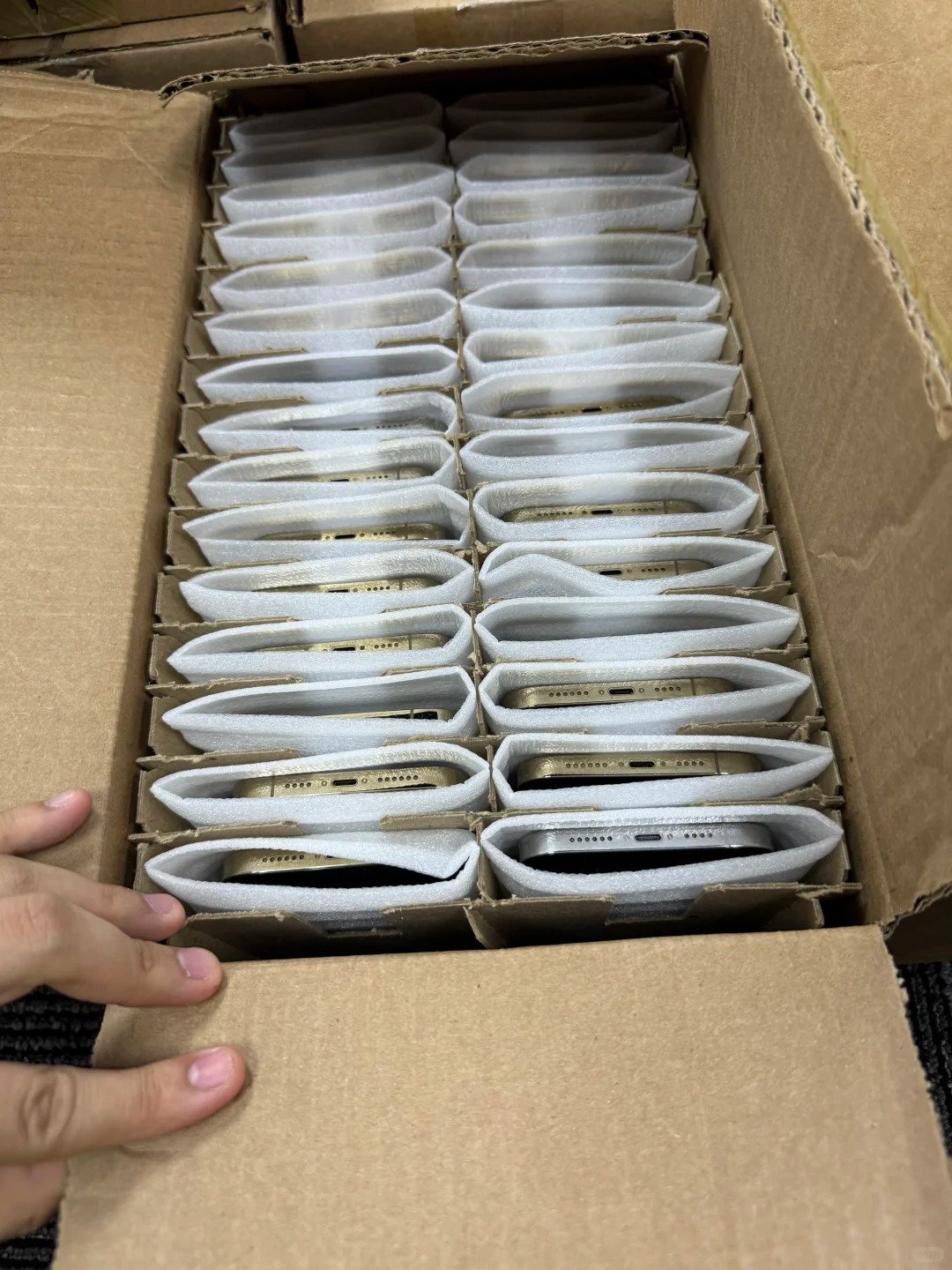
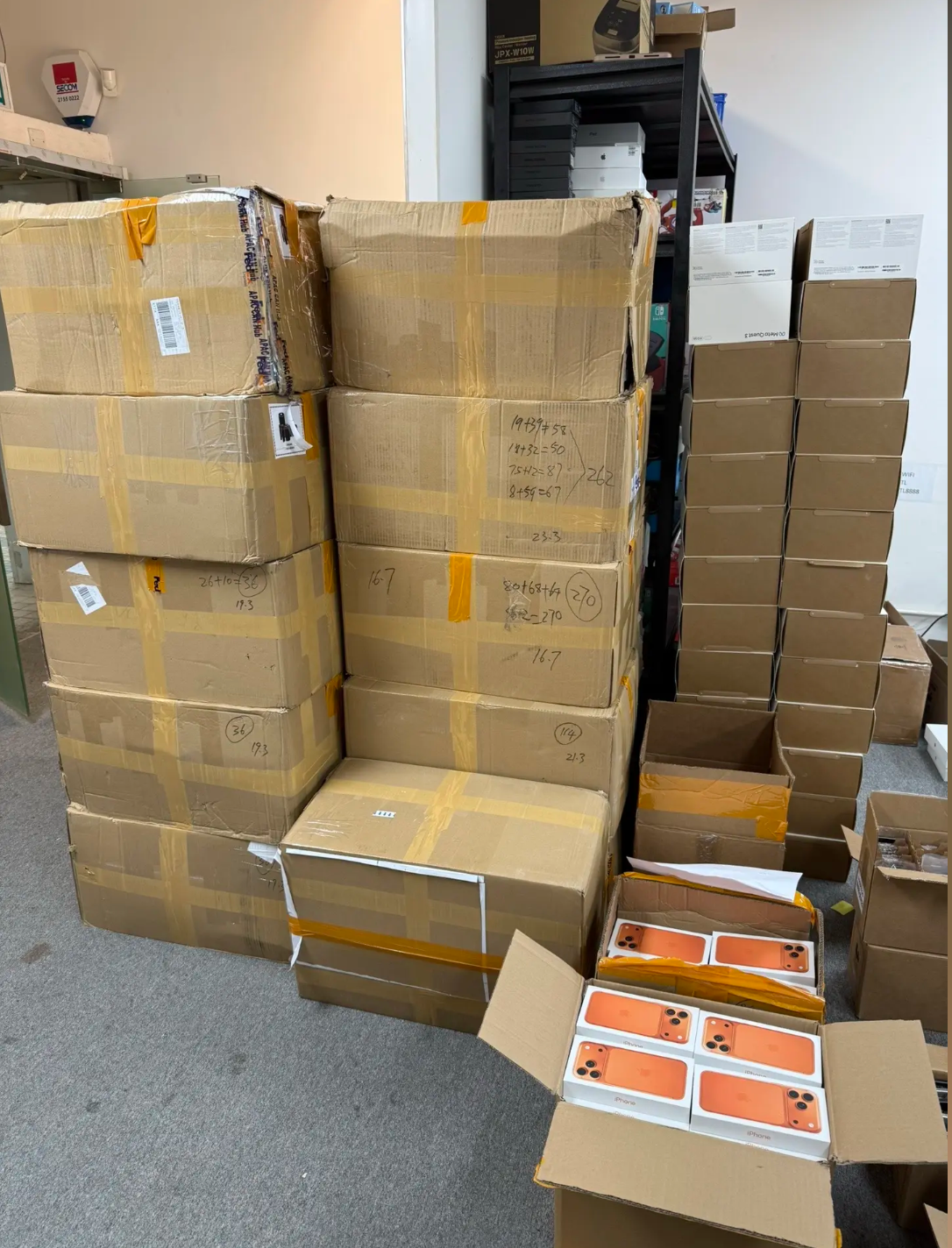
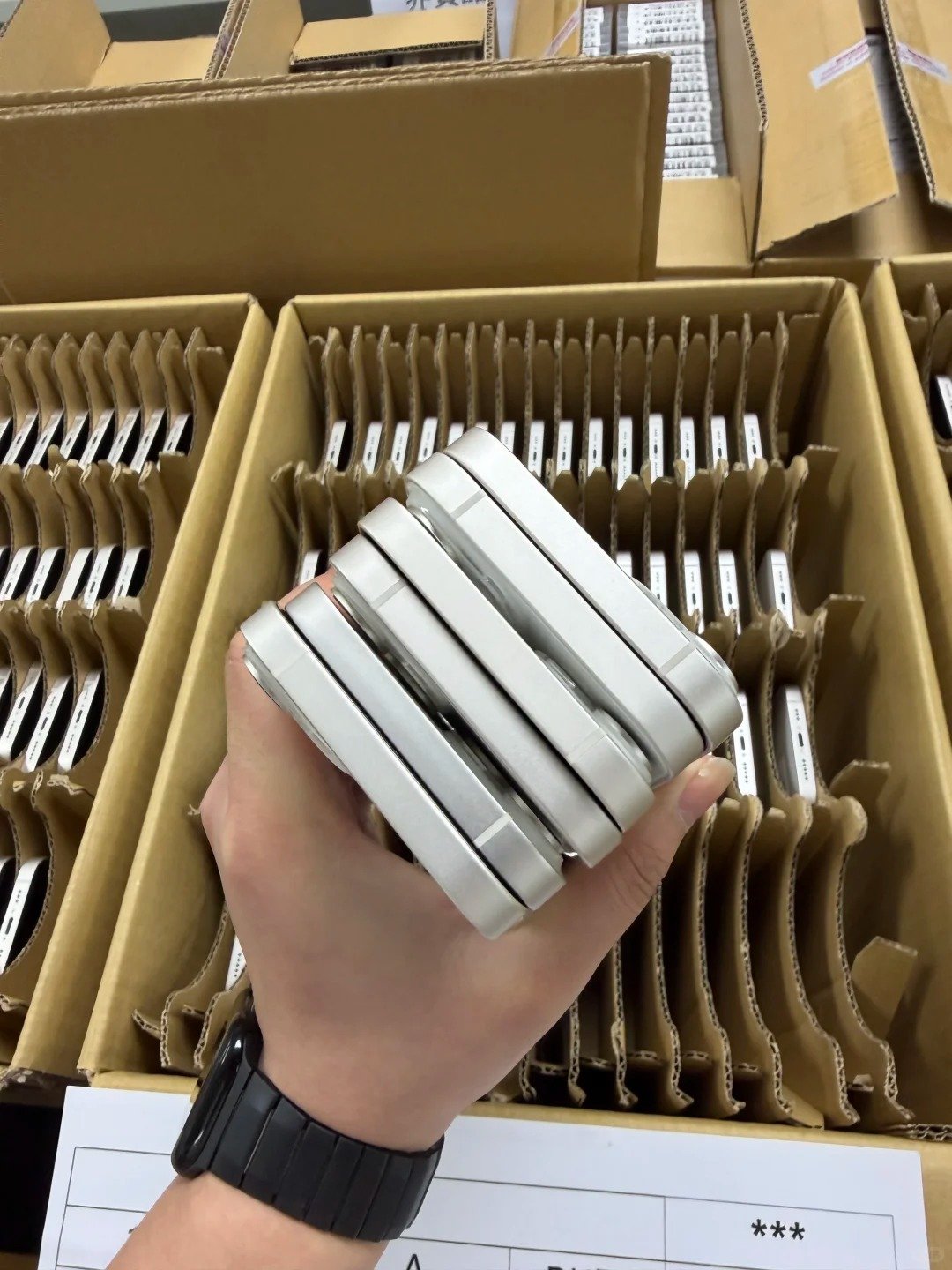
Step-by-step guide
Step-by-Step Guide to Choosing Used iPhones for Resale
1. Define the Customer You Want to Serve

Select inventory from customer demand, not a supplier list.
- Set country, region, customer type, price range, screen and storage preference.
- Record battery and cosmetic expectations.
- Confirm physical SIM, eSIM, local repair support, return obligations, and turnover target.
2. Choose a Balanced Model Mix

A balanced mix serves different buyers and reduces slow-moving risk.
| Group | Examples | Role |
|---|---|---|
| Entry | X, XR, XS, XS Max, 11 | Price-sensitive buyers |
| Core | 12 and 13 | Mainstream volume |
| Upgrade | 14 and 15 | Newer features |
| Premium | 15 Pro, 16, 17 | Higher-value buyers |
| Repair | Fault-affected units | Parts and refurbishment |
3. Compare iPhone 12 and iPhone 13 Series

Both series can fit value and mainstream channels; compare local price and condition availability.
- 12/12 mini: check battery, storage, screen-size demand.
- 12 Pro/Pro Max: check display, cameras, condition, and cost.
- 13/13 mini: check storage, grade, battery, preference.
- 13 Pro/Pro Max: check cameras, display, and price gap.
4. Use iPhone 14 and iPhone 15 for Upgrade Demand

Newer models can support upgrades, but do not pay for features customers do not value.
- Compare local listings and acquisition cost.
- Check battery apart from grade.
- Confirm region and SIM/eSIM support.
- Test camera, display, charging, and biometrics.
- Do not assume every Pro Max sells faster.
5. Select Premium iPhone 16 and 17 Carefully

Premium generations need more working capital and precise inventory control.
| Situation | Strategy |
|---|---|
| Premium channel | Controlled quantities |
| New reseller | Samples or limited lots |
| Corporate | Exact storage, grade, documentation |
| Export | Verify bands, SIM/eSIM, carrier |
| Price-sensitive | Only proven configurations |
Current prices, trade-in volume, and demand change quickly. Validate local sell-through before increasing premium inventory.
6. Match Storage Capacity to Demand

Storage changes buyer profile, price, and turnover for the same model.
- Entry storage fits price-sensitive buyers.
- Mid storage supports broad mainstream demand.
- High storage needs verified Pro and premium demand.
- Record storage per IMEI; do not use one price for variants.
7. Choose the Right Grade for Your Channel

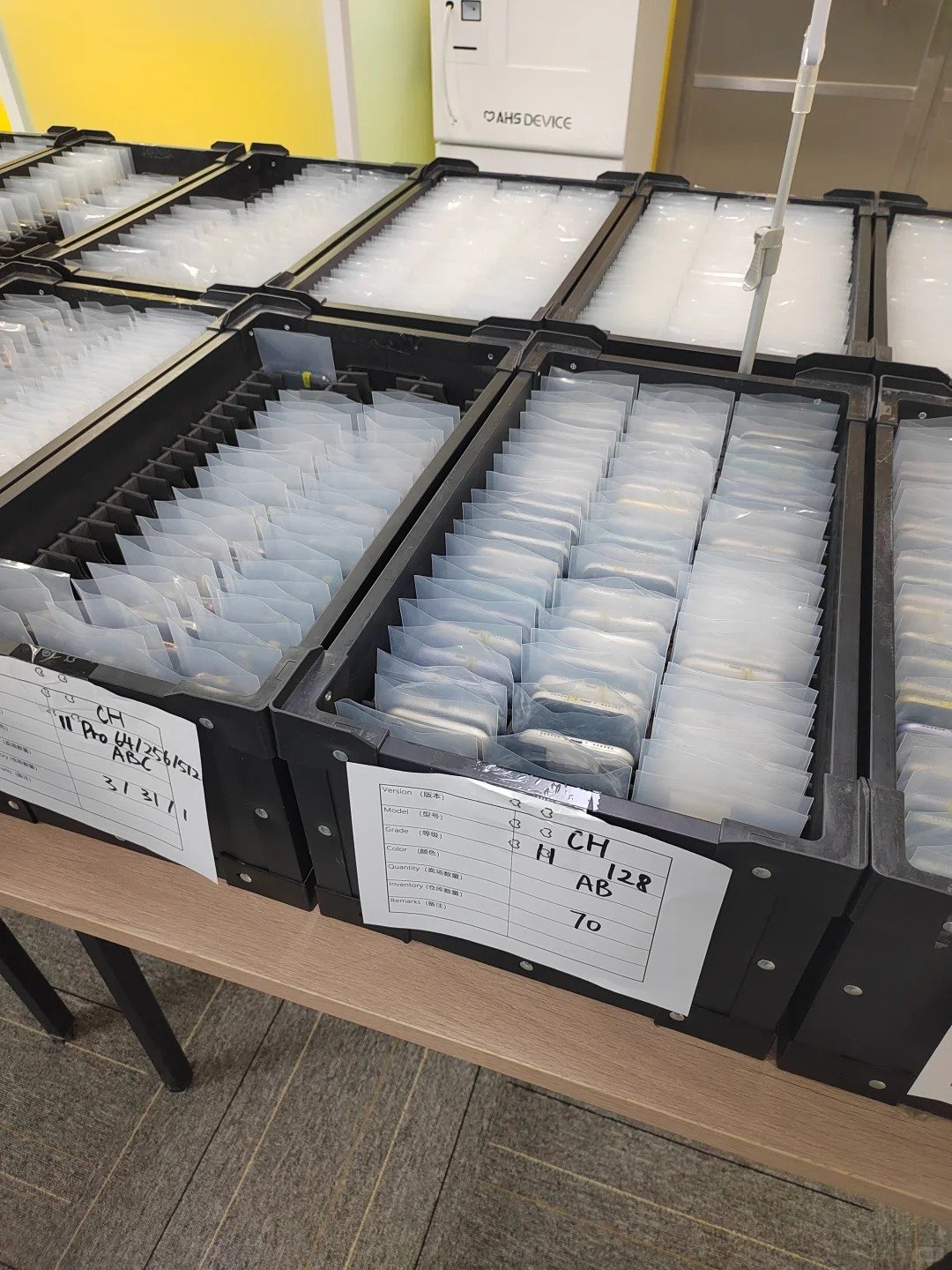
Choose grade by customer expectation and your ability to photograph, explain, or recondition devices.
| Grade | Channel | Requirement |
|---|---|---|
| Like New / A | Premium retail | Presentation and documentation |
| B / Good | Mainstream | Written definition and listing |
| C / Fair | Value retail | Clear disclosure |
| As-is | Repair / parts | Fault categories and skill |
Grade labels are supplier-specific. Written criteria and representative images matter more than the letter.
8. Check Battery Health and Parts History

Battery and repair details affect buyer confidence and should never be hidden inside a cosmetic grade.
- Open Battery Health & Charging; record capacity and service message.
- Test charging, heat, and stability.
- Review Parts and Service History in Settings, General, About.
- Record Genuine, Used, Unknown, or other relevant information.
- Set a battery threshold or disclosed range before payment.
9. Verify IMEI, Activation Lock, and Carrier Status

A resale-ready phone needs lawful ownership status and relevant network compatibility.
- Match IMEI, model, storage, and invoice or manifest.
- Use lawful market checks where appropriate.
- Confirm no “iPhone Locked to Owner” during setup.
- Check Carrier Lock; “No SIM restrictions” indicates unlocked.
- Confirm SIM, eSIM, bands, and destination carrier support.
- Quarantine exceptions.
10. Select a Supplier That Supports Resale

Supplier quality control, documents, and claims handling affect downstream resale.
- Verify identity and communication.
- Request model, storage, grade, and quantity breakdown.
- Request grade, battery, function, IMEI, lock, and carrier policies.
- Confirm sample, packing, inspection-window, and claims process.
11. Calculate Landed Cost Before Quotes
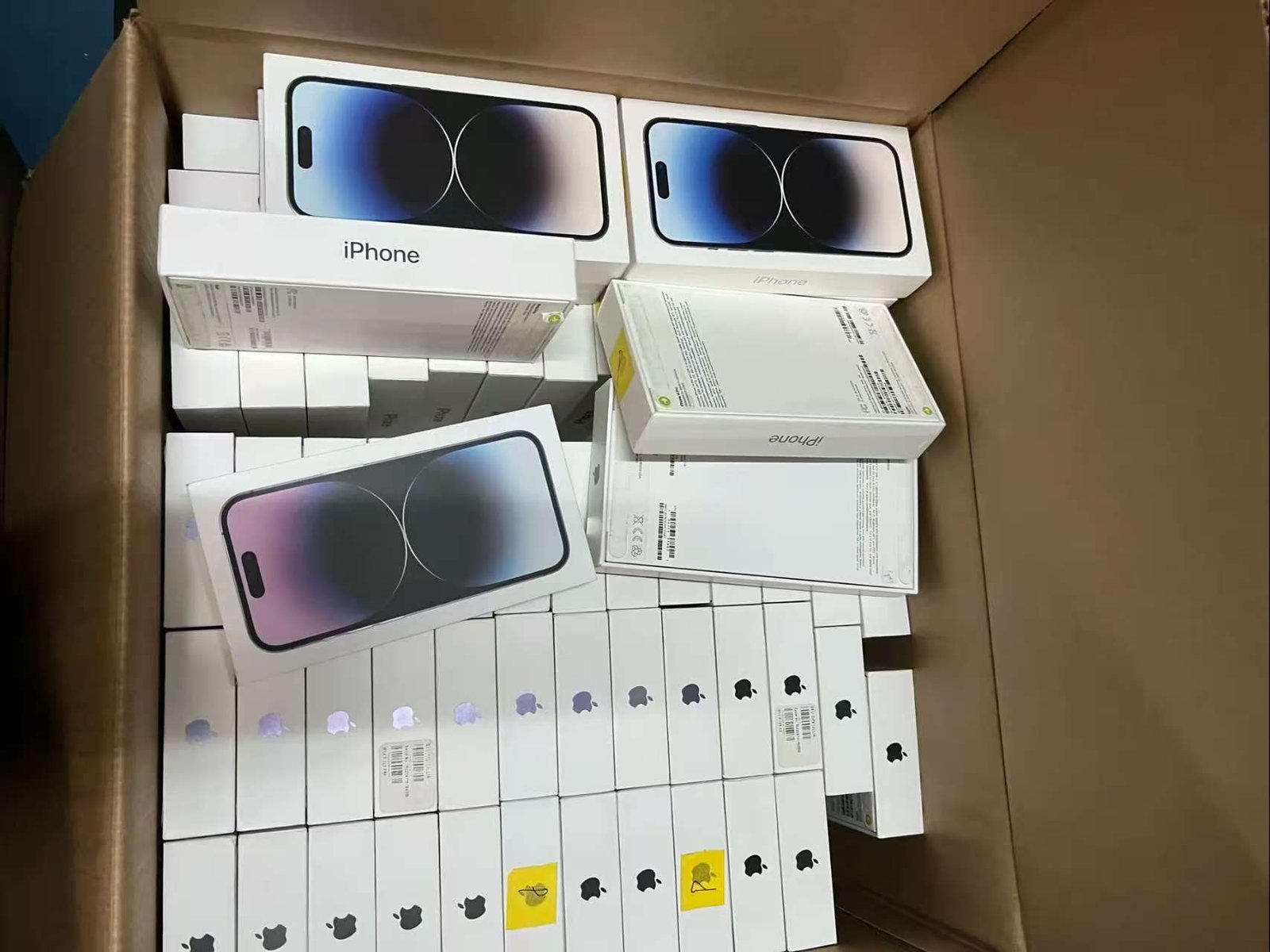
The lowest quote may become expensive after logistics, inspection, repairs, and defects.
| Cost Area | Buyer Question |
|---|---|
| Unit quote | Matches model, storage, grade, battery? |
| Freight / insurance | Who bears transit risk? |
| Taxes | What market costs apply? |
| Inspection | Cost to test and prepare? |
| Repair reserve | What defect allowance? |
| Claims | Cost to resolve mismatch? |
Estimated landed cost per sellable unit = total purchase cost + logistics + taxes + payment fees + inspection cost + expected repair reserve, divided by expected sellable units.
12. Track Results and Improve Reorders
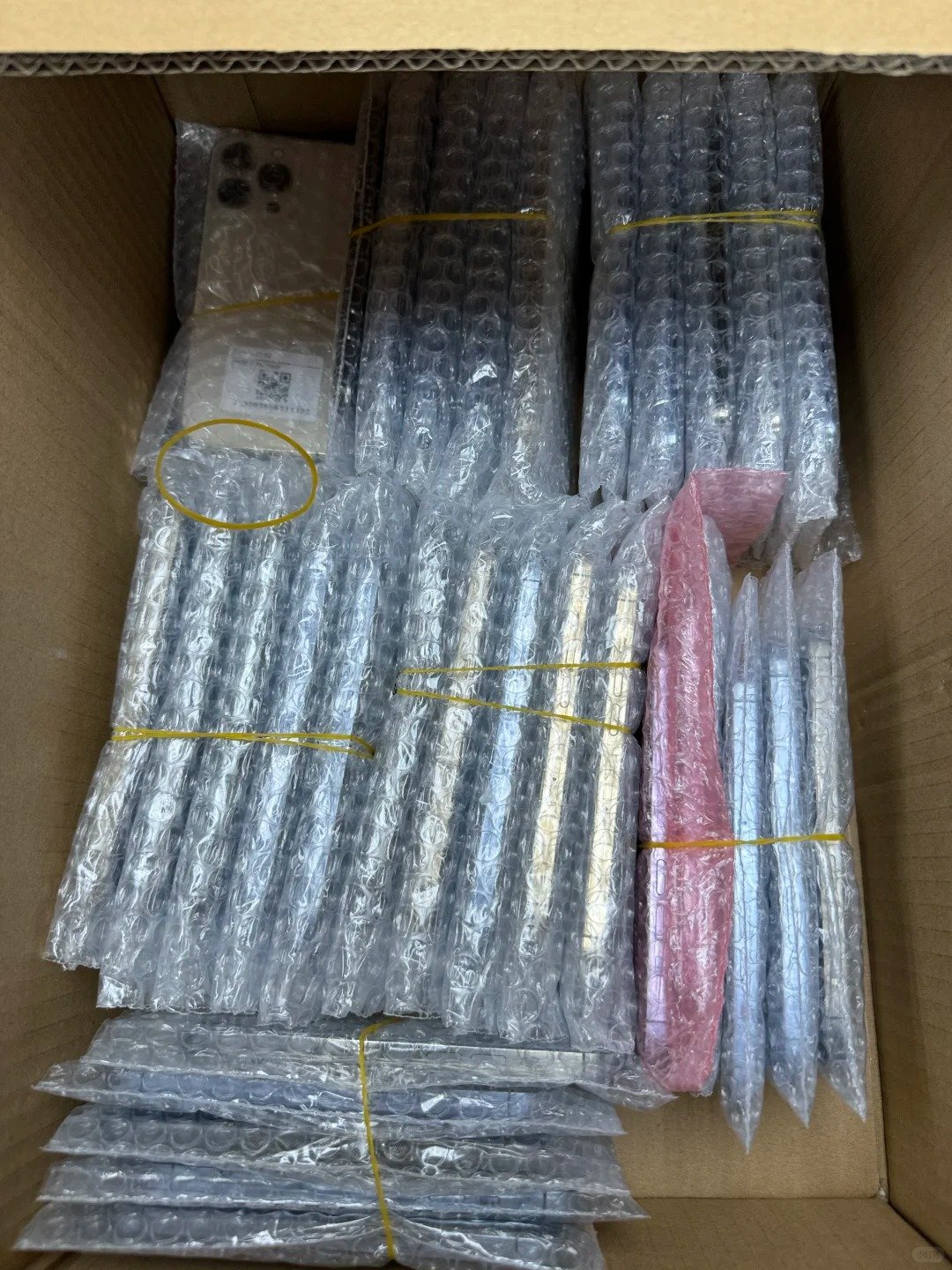
Use actual sales and quality data to improve the next order.
| Metric | Improves |
|---|---|
| Days to sell | Model selection |
| Sales by storage | Configuration mix |
| Returns | Grade and listing accuracy |
| Battery issues | Battery policy |
| Repair rate | Supplier and test standard |
| Lock exceptions | Documentation controls |
| Margin by grade | Tier strategy |