Parts verification workflow
For used iPhone resale, the right part choice depends on verified origin, repair quality, functional performance, buyer expectations, and disclosure—not on the label “OEM” alone.
A component record should answer four separate questions: what the supplier calls the part, what the device reports where supported, what the inspection found, and what the resale channel will accept. These questions can produce different answers without creating a contradiction. The buyer should record the difference rather than force every fact into a single “original” or “aftermarket” label.
For example, a screen can look clean and pass a basic touch test while its history status still requires review. Conversely, a disclosed replacement can be fully functional but unsuitable for a buyer whose written standard requests a different component status. The commercial decision follows the stated requirement and the evidence, not a generic conclusion about any replacement part.
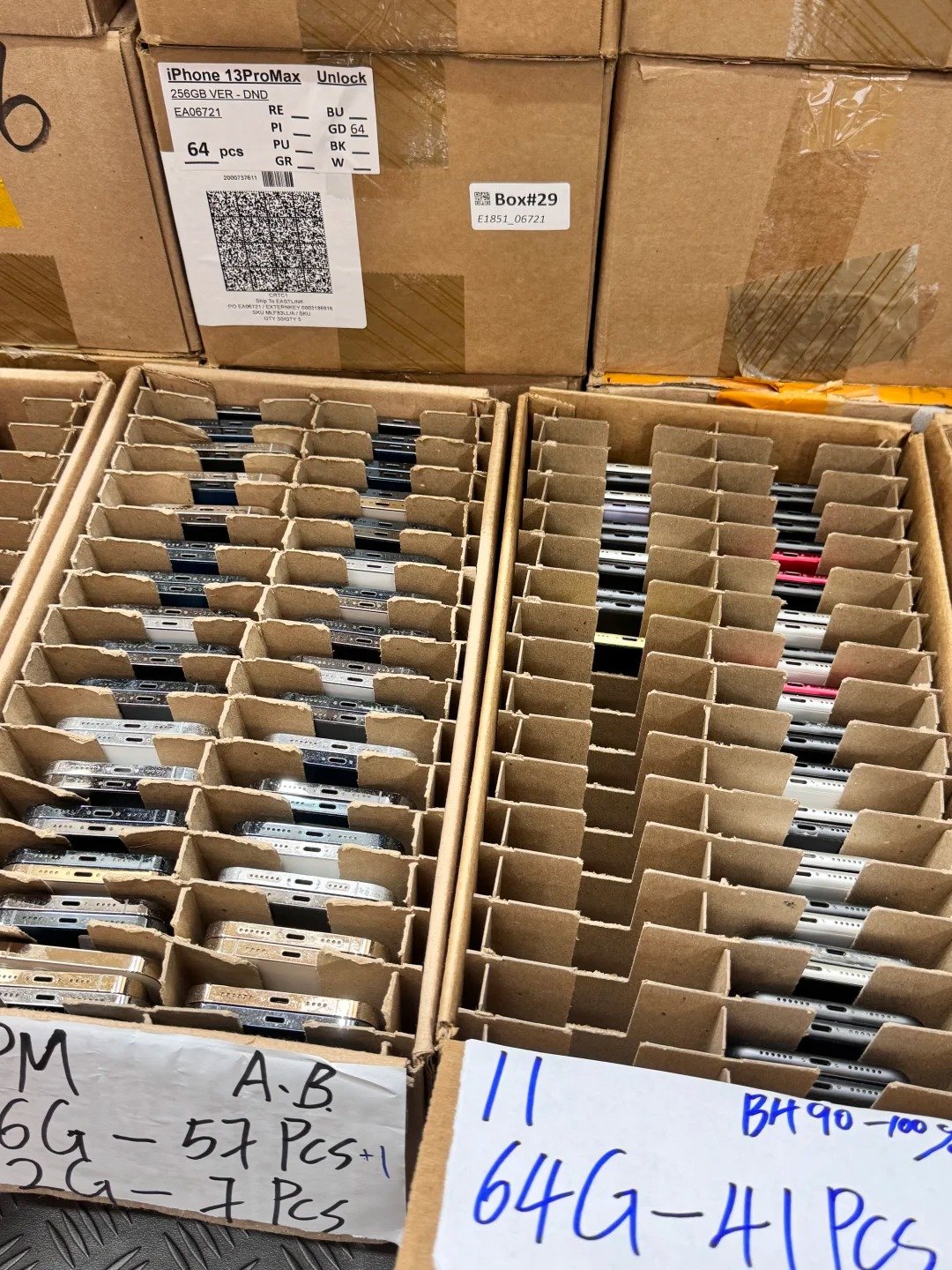
Repeatable inspection is particularly important for mixed lots. A receiving team should use the same model identification, history capture, functional tests, photographs, and exception process for each relevant unit. This keeps a later sales description tied to the right device and prevents a lot-level statement from being applied to an uninspected item.
Confirmed information
Record the exact device status, serial or IMEI according to privacy procedures, supplier statement, and completed test result. These are facts that can be checked against the unit.
Supporting information
Fit, finish, alignment, cosmetic wear, and screen appearance can help identify what needs review. They should not be promoted into a claim about exact parts origin.
Escalation information
Conflicting records, unresolved messages, model-fit uncertainty, or a failed functional test require further inspection before purchase approval or resale.
Part terminology also needs to be understood at the level of the exact component. “OEM” on a display invoice may not describe a battery, a camera, a housing, or a repair process. Ask the supplier to identify which part the term covers, whether the statement applies to each device or only to a lot, and whether the repair disclosure is available for review.
Use careful language in internal records. “Supplier describes display as OEM” is different from “display is verified original.” “Genuine status shown” is different from “the device was never repaired.” “No listed history” is different from “no repair occurred.” Precise wording gives a procurement team a usable audit trail and gives a reseller a better basis for accurate disclosure.
Inspection scope should also match the end use. A repair channel may need model fit and functional behavior documented. A retail resale channel may add cosmetic standards and buyer-facing disclosure. An export or distribution order may need model, network, repair, and status requirements defined in advance. All lot-level and commercial details remain subject to HQB verification.
When the available evidence cannot support a confident statement, use “requires review.” That result is not a failure to inspect; it is a transparent outcome. It tells the buyer that a broad claim would be premature and that professional assessment, further supplier documentation, or a revised resale classification may be needed.
Define the Parts Categories
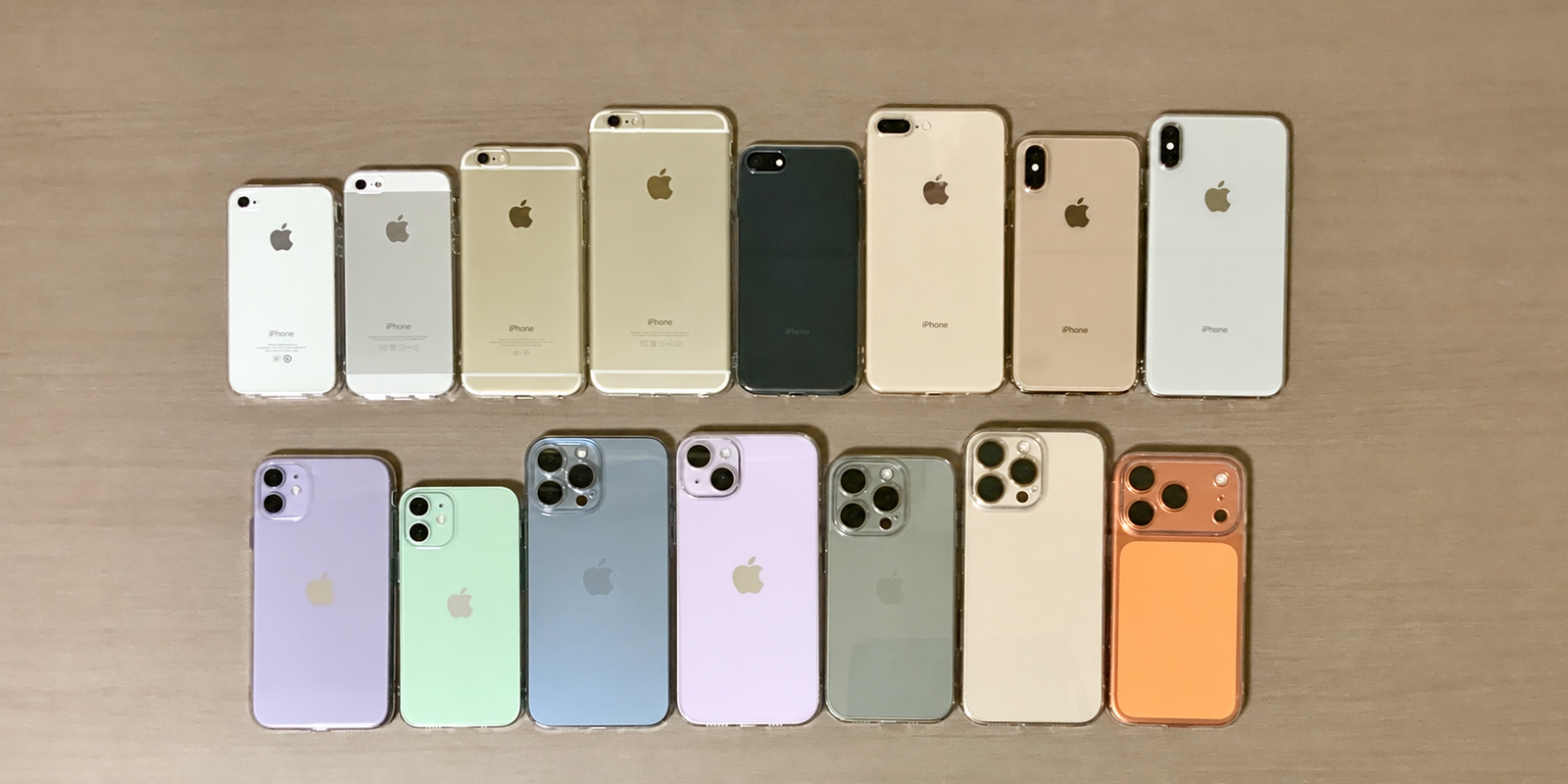
The used-parts market uses overlapping terms. Technical status and sales terminology must be separated. An original part refers to the component installed when the iPhone was first sold only when that fact is verified. A genuine part in a supported Parts and Service History context can refer to a recognized repair process; it does not automatically mean original to the device.
OEM is used inconsistently in the secondary-parts market. It can be a seller label, and the buyer should ask what the supplier intends it to mean. Aftermarket is a third-party replacement category, not automatically a quality verdict. Refurbished part also needs a clear statement of what was restored, repaired, or reconditioned and how.
| Term | Accurate use | Avoid saying |
|---|---|---|
| Original part | Installed when first sold, only when verified | Original based on appearance alone. |
| Genuine Apple part | Recognized through applicable repair processes | Automatically original to the device. |
| Used genuine part | Previously installed in another iPhone where reported | Automatically defective or unsuitable. |
| OEM | Supplier-defined term requiring clarification | A guaranteed Apple classification. |
| Aftermarket part | Third-party replacement category | Automatically low quality. |
| Refurbished part | Restored or reconditioned to stated process | Same as new without evidence. |
| Unknown Part | Device status requiring further review | Proof of one single issue. |
- Ask the supplier to define “OEM.”
- Ask whether the part is new, used, refurbished, or third-party.
- Ask whether the part was installed in the current device.
- Ask whether the part is shown in Parts and Service History.
- Ask which functions were tested after installation.
- Record the supplier’s exact answer.
Check Parts and Service History

Parts and Service History can provide relevant device-recorded information on supported models and iOS versions. It may show Genuine, Used, Unknown, Finish Repair, or other repair-related messages. Availability and labels can vary by model, software version, repair event, and system support.
Start with the device when possible. The record gives a buyer wording that can be compared with the supplier’s claim. It is not a complete record for every component or every repair. Missing history does not prove no repair took place, and a recognized status does not remove the need for functional testing.
- Open Settings.
- Select General.
- Select About.
- Find Parts and Service History when available.
- Record every listed part and status.
- Compare the device result with supplier disclosure.
- Do not assume missing history proves no repair took place.
- Escalate conflicting records before purchase approval.
| Status | What it can mean | Correct B2B response |
|---|---|---|
| Genuine | Genuine Apple parts and processes are indicated | Record it; do not assume original-to-device status. |
| Used | A part may have been previously used in another iPhone | Request clear condition and sourcing disclosure. |
| Unknown Part | Several causes may apply | Review supplier documentation and function testing. |
| Finish Repair | Repair may require completion in the relevant process | Confirm final device status before resale. |
| No entry | Availability may be limited by model, iOS, or history | Continue with other checks. |
Compare Genuine and Aftermarket Parts

Parts should be assessed by function, reported status, disclosure, and intended resale segment—not marketing language alone. A genuine part may be appropriate when buyers require documented Apple-related repair status. A used genuine part requires condition and source disclosure. An aftermarket part requires a clear third-party description and complete functional testing.
No label supplies a universal quality conclusion. Fit and present function still need inspection, while the buyer’s channel may require stricter documentation than another channel. A device with an unresolved status should be reviewed before it is described as ready for resale.
| Evaluation factor | Genuine or verified Apple-related part | Aftermarket part |
|---|---|---|
| Origin claim | Supported by device or supplier evidence | Describe as third-party where verified. |
| System history | May show a recognized status on supported devices | May generate Unknown Part in some cases. |
| Function | Test after installation | Test after installation. |
| Cosmetic fit | Inspect | Inspect. |
| Buyer disclosure | State available verified facts | State third-party or unverified status accurately. |
| Resale suitability | Depends on requirement and condition | Depends on requirement and condition. |
- A genuine part may be relevant where buyers require documented Apple-related repair status.
- A used genuine part requires condition and history disclosure.
- An aftermarket part requires clear description and complete function testing.
- An unknown status requires further review before resale.
- Every part type should match the buyer’s stated requirements.
Display Parts

Display-Origin Questions
Display claims should be supported by Parts and Service History where available, supplier disclosure, fit inspection, and display testing. A visual clue such as an uneven bezel may identify an installation concern, but it cannot prove the exact source of a screen. Missing True Tone is also a supporting clue requiring review, not conclusive evidence of origin.
Display Function Tests
- Touch response across the full screen.
- Multi-touch response.
- Brightness adjustment.
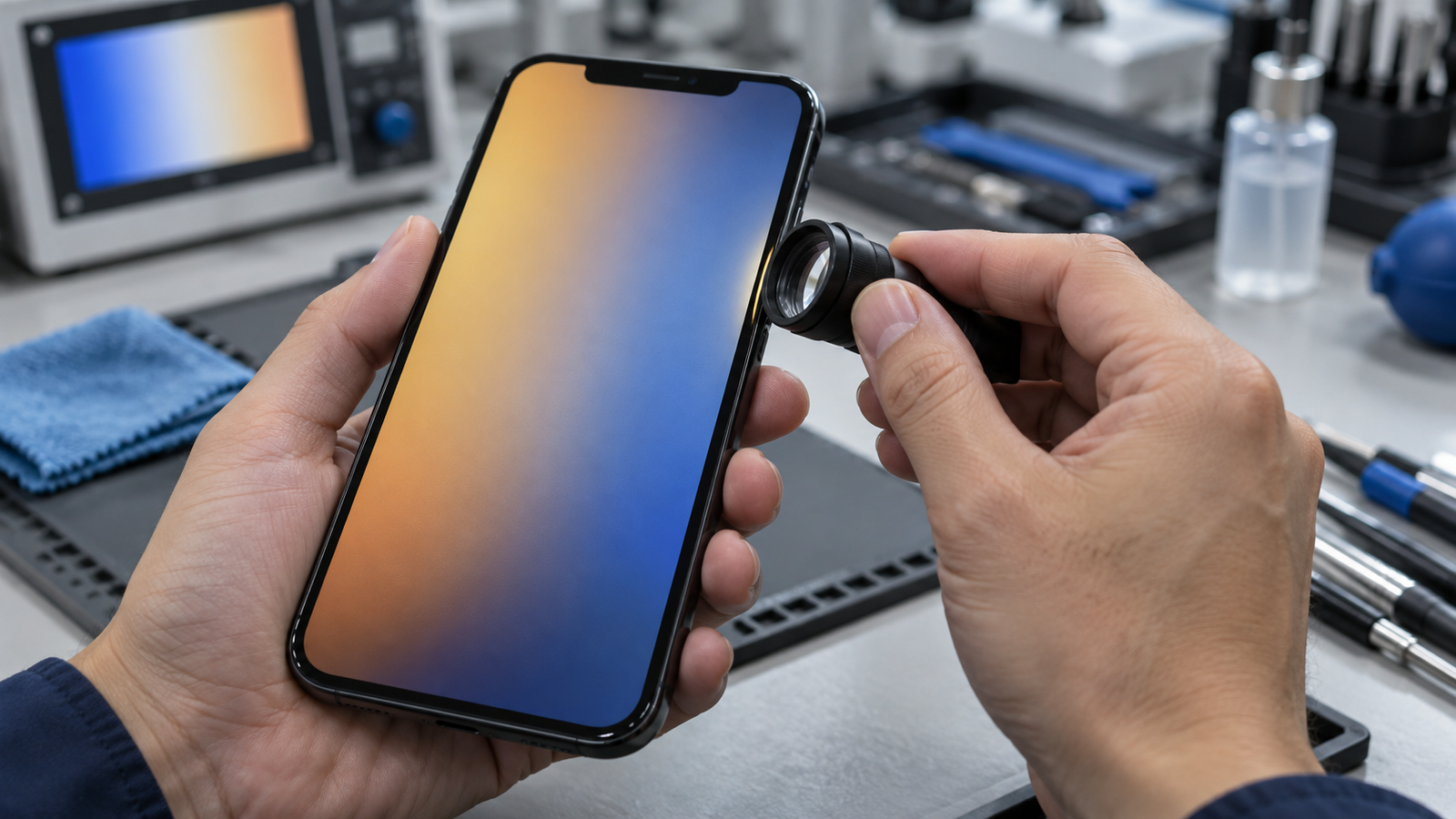
- Color and white-balance consistency.
- Solid-color screen test.
- Dead-pixel and burn-in check where relevant.
- Display-edge fit and frame alignment.
- Front camera, earpiece, Face ID, proximity, and ambient-light checks where applicable.
| Display finding | What it tells the buyer | What it does not prove |
|---|---|---|
| Parts history status | Available device-recorded information | Complete repair history in every case. |
| Missing True Tone | Supporting clue requiring review | Conclusive evidence of parts origin. |
| Uneven bezel or gap | Possible installation concern | Exact part source. |
| Touch issue | Functional concern | Specific repair cause. |
| Good visual quality | Present cosmetic condition | Original or genuine status. |
Battery Parts
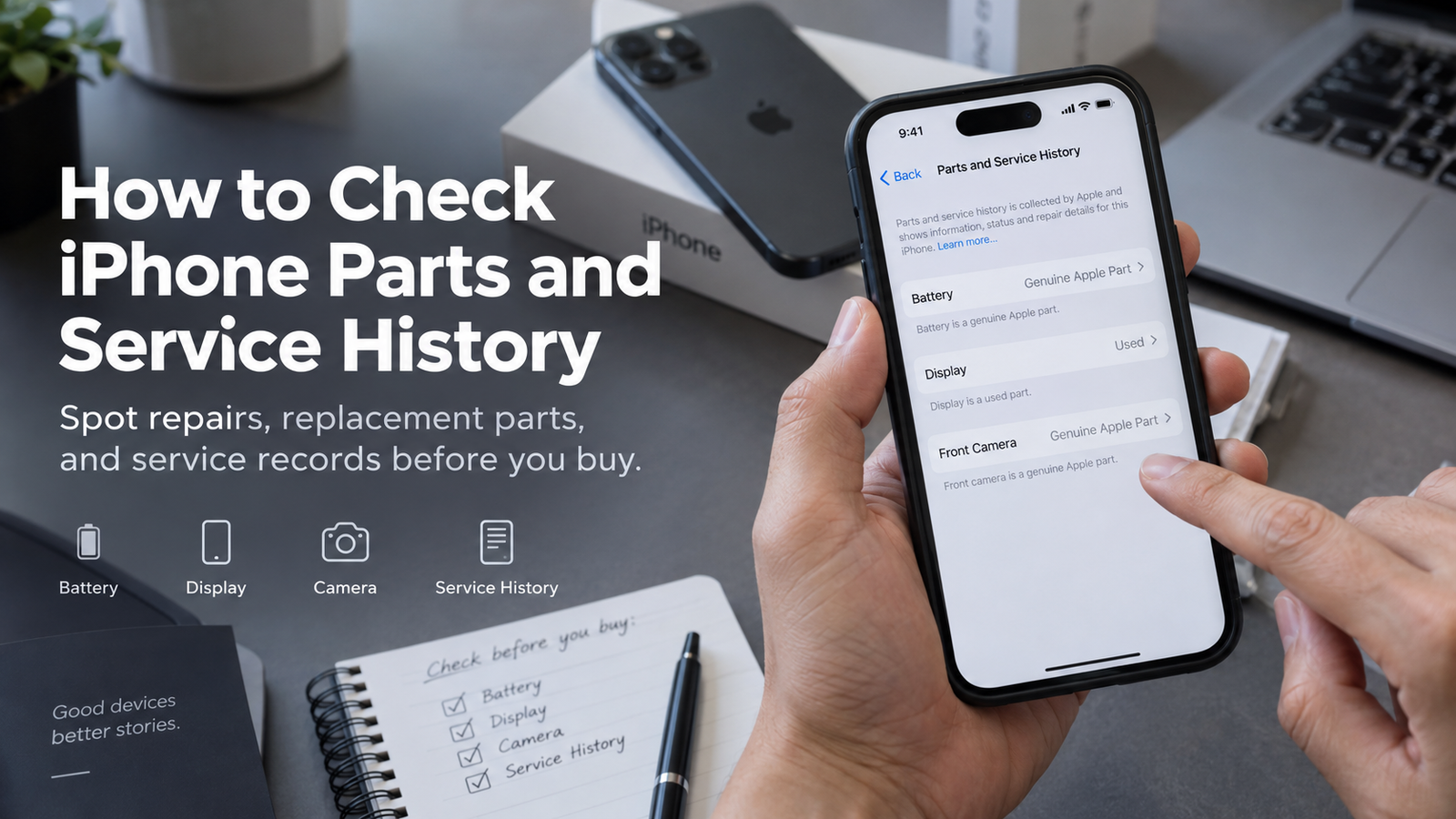
Battery condition, battery history, and battery replacement status should be documented separately from cosmetic grade. A high reading is not proof of origin, and a replacement is not automatically new. Capture the available status, supplier disclosure, charging result, and normal power behavior for the exact device or lot.
| Battery question | Required verification |
|---|---|
| Is battery information available? | Record the exact reported status. |
| Is a replacement disclosed? | Request supplier documentation. |
| Is the part genuine, used, aftermarket, or unknown? | Use available system status and disclosure. |
| Does charging work normally? | Test wired charging behavior. |
| Does unexpected shutdown occur? | Record as a functional finding. |
| Is battery condition confused with cosmetic grade? | Keep records separate. |
- Record available battery-health information.
- Do not assume a replacement battery is new.
- Do not assume a high reading proves origin.
- Disclose relevant replacement information where available.
- Test charging and normal power behavior.
- Match all statements to the exact lot or device.
Camera and Sensor Parts

Camera, Face ID, and sensor systems need model-specific testing. A working camera does not prove a specific origin, and a fault does not identify one repair cause. Test the feature that matters, then record the result as pass, fail, or requires review.
| Component | Test | How to report |
|---|---|---|
| Rear camera | Focus, photo, video, lens inspection | Pass, fail, or requires review. |
| Front camera | Photo and video check | Pass, fail, or requires review. |
| Face ID | Enrollment and normal unlock where applicable | Pass, fail, or requires review. |
| Flash | Function check | Pass, fail, or requires review. |
| Proximity response | Call-simulation behavior | Pass, fail, or requires review. |
| Ambient-light response | Brightness behavior where applicable | Pass, fail, or requires review. |
| LiDAR where applicable | Model-specific function check | Pass, fail, or requires review. |
Housing, Buttons, and Charging Parts

Housing, back glass, buttons, charging ports, and internal assemblies should be inspected for function and installation quality. Do not claim original housing or original port without evidence. Record visible repair clues as observations only, then connect them to a functional test and supplier disclosure where possible.
- Inspect frame alignment.
- Inspect back glass and camera-lens condition.
- Test volume, side, and mute or action controls as applicable.
- Test charging port fit and charging behavior.
- Test wireless charging where applicable.
- Check microphones, speakers, and vibration.
- Inspect for loose parts, unusual gaps, or adhesive residue.
| Component area | Buyer concern | Evidence to collect |
|---|---|---|
| Housing | Cosmetic condition and fit | Photos and grade notes. |
| Buttons | Responsive operation | Functional test result. |
| Charging port | Reliable charging | Cable and charging test. |
| Back glass | Cosmetic condition | Inspection record. |
| Speakers | Audio quality | Playback and call test. |
| Microphones | Call and recording quality | Recording test. |
| Wireless charging | Applicable device function | Test result where relevant. |
Build a Parts Disclosure Standard

A B2B supplier should use precise, evidence-led wording in quotes, lot sheets, and resale listings. An inspection record must keep the exact device status separate from cosmetic grade and the agreed functional test. That format allows a buyer to evaluate an exception without relying on a broad sales claim.
| Avoid this vague claim | Use this evidence-led wording instead |
|---|---|
| OEM screen | Display status and supplier disclosure available on request. |
| Original battery | Battery status recorded for the quoted device or lot. |
| Factory parts | Parts history and repair information verified where available. |
| Like-new repair | Cosmetic grade and functional test scope defined separately. |
| Fully original | No such claim without device-level evidence. |
| No repairs | No repair claim unless supported by available records and disclosure. |
- Use the supplier’s defined terminology.
- State exact Parts and Service History status where available.
- Separate cosmetic grade from repair and functional status.
- Avoid broad claims that cannot be verified.
- Record exceptions by device or lot.
- Confirm buyer requirements before quotation approval.
Choose Parts by Resale Requirement
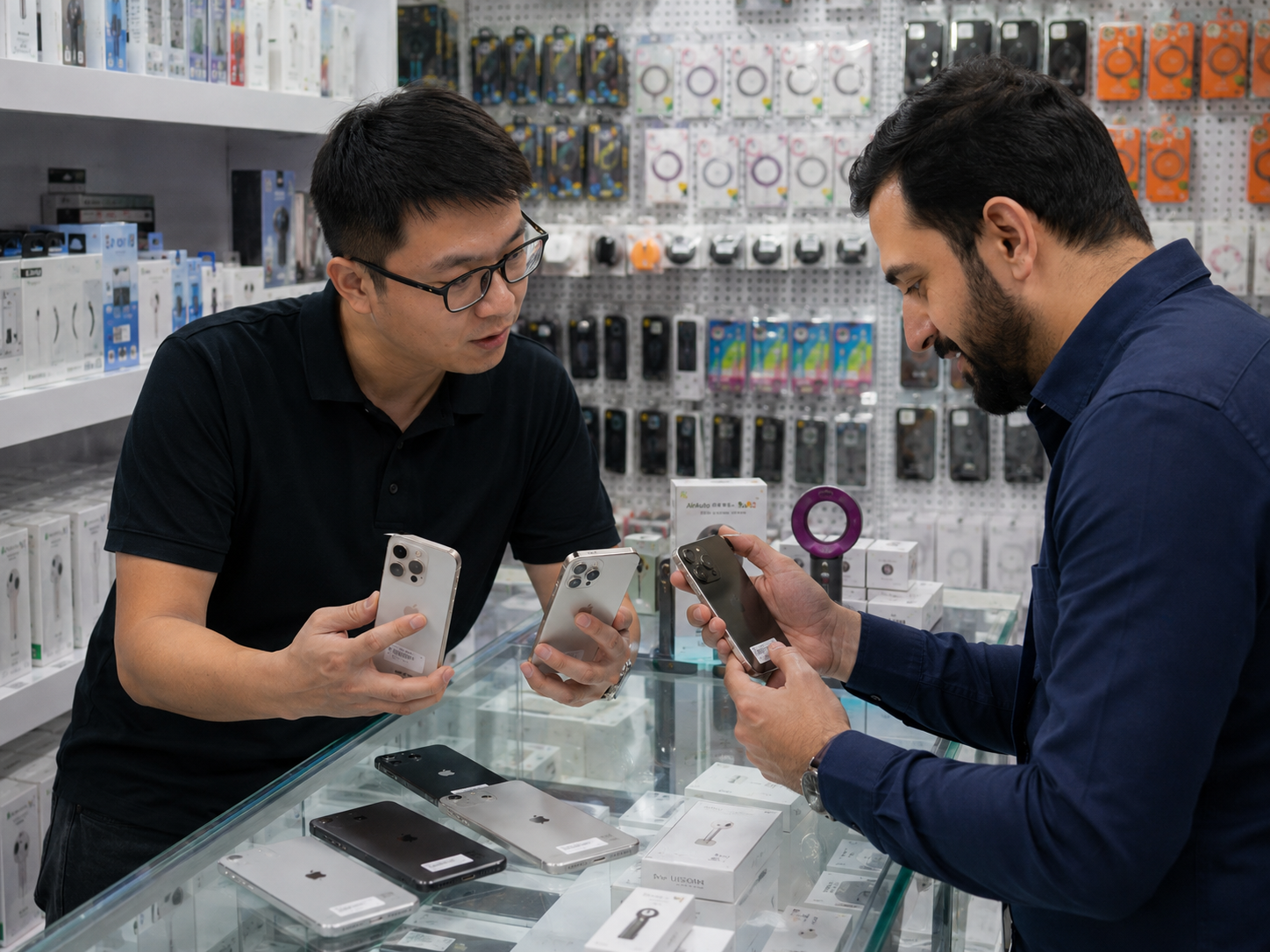
Parts decisions should begin with the end buyer’s requirement, not with a generic preference for one label. A value-focused channel may prioritize a disclosed, functional configuration. A premium channel may need tighter documentation and defined display, camera, battery, and cosmetic standards. The acceptance rule should be agreed before purchase and is subject to HQB verification for the exact quoted lot.
| Buyer requirement | Best sourcing question |
|---|---|
| Documented Apple-related repair status | What does Parts and Service History show? |
| Value-focused resale | Is the part functional, disclosed, and suitable for the condition tier? |
| Premium resale | Are display, camera, battery, and cosmetic standards documented? |
| Export or distribution lot | Are model, repair, network, and status requirements defined? |
| Repair channel | Is part type, condition, and fit verified for the exact model? |
| High-risk segment | Can stronger documentation and test records be provided? |
- Define the intended buyer segment.
- Define acceptable part statuses.
- Define functional test requirements.
- Define cosmetic grade separately.
- Request device-level or lot-level disclosure.
- Inspect conflicting records.
- Approve only verified, documented configurations.