
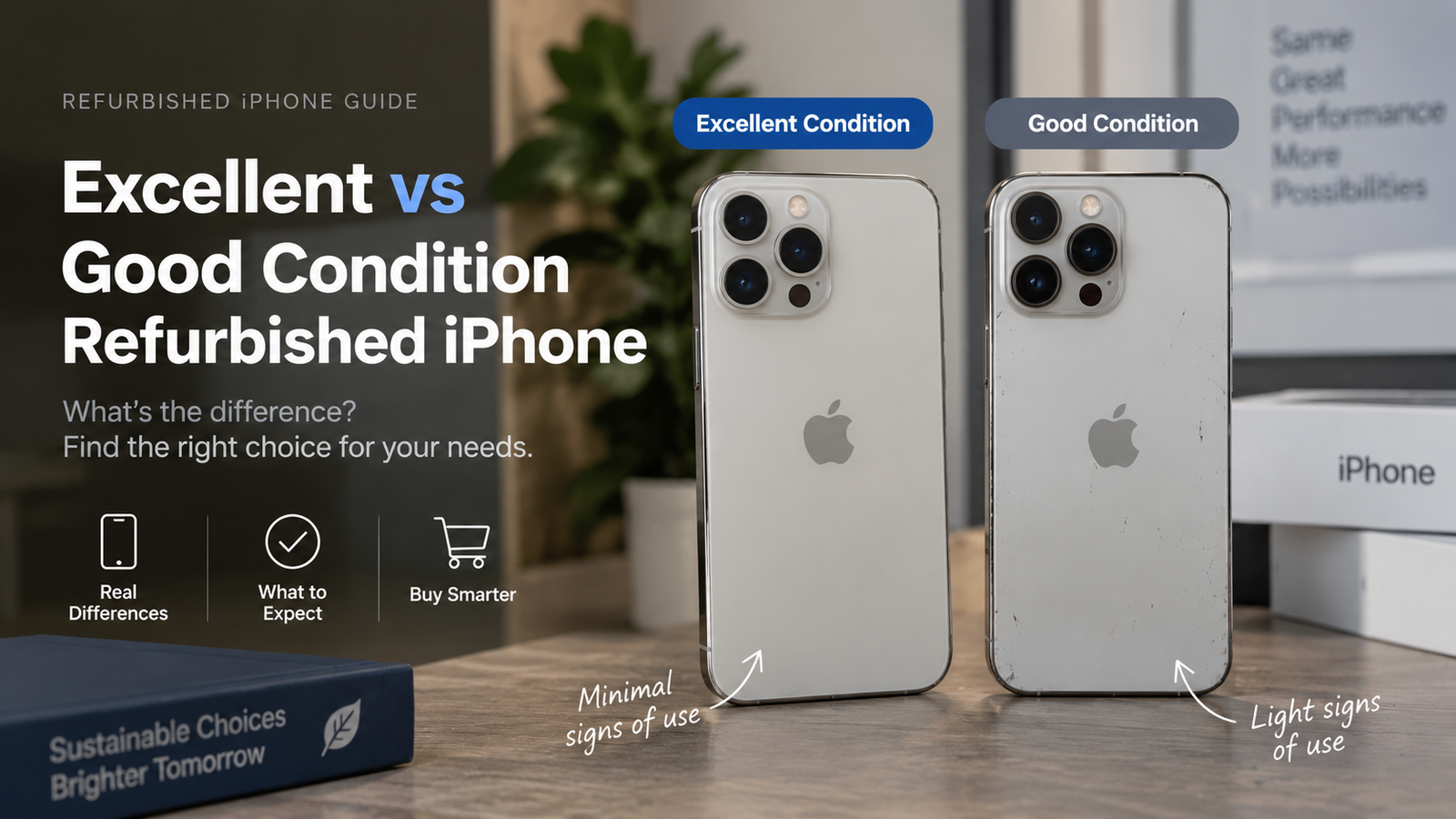

Overview
Grade Is Not the Whole Device
Cosmetic grade is only one part of refurbished iPhone quality. A complete condition statement should include appearance, functional test scope, battery information, repair disclosure, activation status, carrier requirements, storage, and model identity.
That separation makes a used iPhone condition grade usable for purchasing and resale. It prevents a visual label from being mistaken for a statement about every technical or commercial characteristic.
Buyers should ask for each condition area in a format that can be compared across the proposed units. A cosmetic category may guide the first shortlist, but it should not decide whether a device is acceptable. The complete record is what lets procurement, receiving, and sales teams describe the same unit consistently.
| Condition area | What it describes | Why it matters |
|---|---|---|
| Cosmetic grade | Visible wear on display, housing, and lenses | Sets buyer appearance expectations |
| Functional status | Whether listed functions were tested | Reduces avoidable returns |
| Battery information | Available battery condition and replacement disclosure | Supports buyer confidence |
| Display status | Screen quality and parts history where available | Affects customer experience |
| Repair disclosure | Relevant replacement or repair information | Supports accurate listings |
| Device status | Activation, management, and carrier requirements | Supports lawful usable resale |
| Storage | Exact capacity | Prevents listing errors |
Condition comparison
Why Grade Names Differ

Refurbishment platforms and suppliers can use different grade scales. One seller’s Excellent can resemble another seller’s Very Good, Grade A, Premium, or Like New category. The label alone does not identify the amount of permitted wear, the lighting used for inspection, or whether marks must be visible at normal viewing distance.
Different markets also set different expectations. A buyer who sells through appearance-led retail needs a detailed cosmetic brief. A buyer serving a value-focused segment may accept clearly described marks. In both cases, the written definition matters more than the marketing name.
Ask whether the rule applies only to the front glass or also to the frame, rear housing, camera area, ports, and buttons. Ask whether a single defect moves a unit out of grade, and whether the lot may contain exceptions. These questions turn an ambiguous label into a receiving standard.
A useful supplier document uses observable language. Instead of simply saying “high quality,” it identifies the inspection surfaces, the permitted type of wear, and the treatment of marks that do not meet the program. Buyers can compare documents line by line even when suppliers choose different grade names.
| Supplier label | Possible cosmetic meaning | Buyer action |
|---|---|---|
| Excellent | Usually minimal visible wear | Request the written definition |
| Good | Usually more visible but acceptable wear | Request the written definition |
| Like New | May indicate very limited wear | Do not assume new battery or no repairs |
| Grade A | May indicate higher cosmetic tier | Confirm exact permitted marks |
| Grade B | May indicate moderate cosmetic wear | Confirm screen, frame, and back-glass limits |
| Premium | May indicate top visual tier | Verify function and repair history separately |
Excellent Condition Defined

Excellent condition iPhone should be presented as a cosmetic standard with limited visible wear. It should not be presented as flawless unless a supplier has a written policy that supports that precise claim. It also should not imply a new device, an unrepaired device, original parts, or a particular battery condition.
For B2B iPhone sourcing, the useful question is which marks are allowed on each surface and how exceptions are recorded. A buyer can then decide whether the grade fits product photography, storefront presentation, and the expectations of the final customer.
Inspection conditions should be clear as well. A mark that is difficult to see under ordinary viewing can become obvious under direct light. The written standard should say how cosmetic inspection is performed, which areas are assessed, and how a buyer will receive exception notes.
Excellent is most helpful when it describes a repeatable presentation threshold. Receiving staff should still inspect each shipment against the agreed standard, because a category name does not replace physical review. That review can be documented with surface-specific notes, representative images where permitted, and a clear exception process.
| Area | Excellent-condition expectation | Required disclosure |
|---|---|---|
| Display | No obvious damage; limited or no visible wear under normal viewing | Note any visible marks honestly |
| Frame | Minimal signs of handling | Document visible edge marks |
| Back glass | Clean overall appearance | Disclose scratches, chips, or repairs |
| Camera lenses | Clear and intact appearance | Test camera function separately |
| Ports and buttons | Clean physical appearance | Test operation separately |
| Overall impression | Premium cosmetic presentation | Do not imply new or unrepaired status |
- Inspect the display under even lighting.
- Check screen edges and bezel condition.
- Inspect frame corners and side rails.
- Inspect back glass and camera lenses.
- Check for dents, chips, deep scratches, or uneven repairs.
- Record any visible marks that remain.
- Separate cosmetic notes from functional results.
Good Condition Defined

Good condition iPhone should be presented as a device with more visible cosmetic wear than Excellent, subject to the supplier’s written definition. It does not mean defective, unreliable, or unsuitable for resale. It simply requires a clearer description of what is visible and a separate statement of the functional test result.
Good grade can be a practical position for resellers whose customers accept disclosed signs of use. The buyer should distinguish light surface scratches from damage, and should never allow general wording to hide cracks, damage to camera lenses, or a functional exception.
When a lot is called Good, ask for the limits that still apply. For example, a buyer may need a rule for cracks, chips, deep dents, lens damage, or uneven repaired surfaces. A transparent Good-grade program records those items rather than relying on an overall impression.
This does not make Good a lesser functional program. It means the cosmetic expectation is transparent and matched to a resale position. The buyer should require the same basic clarity on model identity, capacity, functionality, battery information, repair disclosure, and device status that would be required for Excellent inventory.
| Area | Good-condition expectation | Required disclosure |
|---|---|---|
| Display | May show visible signs of use | Describe scratches or marks clearly |
| Frame | May show visible scuffs or wear | Record corners and side-rail condition |
| Back glass | May show light-to-moderate cosmetic wear | Disclose chips or cracks separately |
| Camera lenses | Must be inspected for clarity and damage | Test cameras separately |
| Ports and buttons | May show handling marks | Test all functions |
| Overall impression | Honest value-focused cosmetic presentation | Do not describe as Excellent |
- Identify visible scratches and scuffs.
- Check for dents, chips, or cracks.
- Inspect display condition separately from housing wear.
- Verify that cosmetic wear does not hide functional damage.
- Capture representative condition notes.
- Use accurate descriptions rather than vague words such as “clean.”
Excellent vs Good Comparison
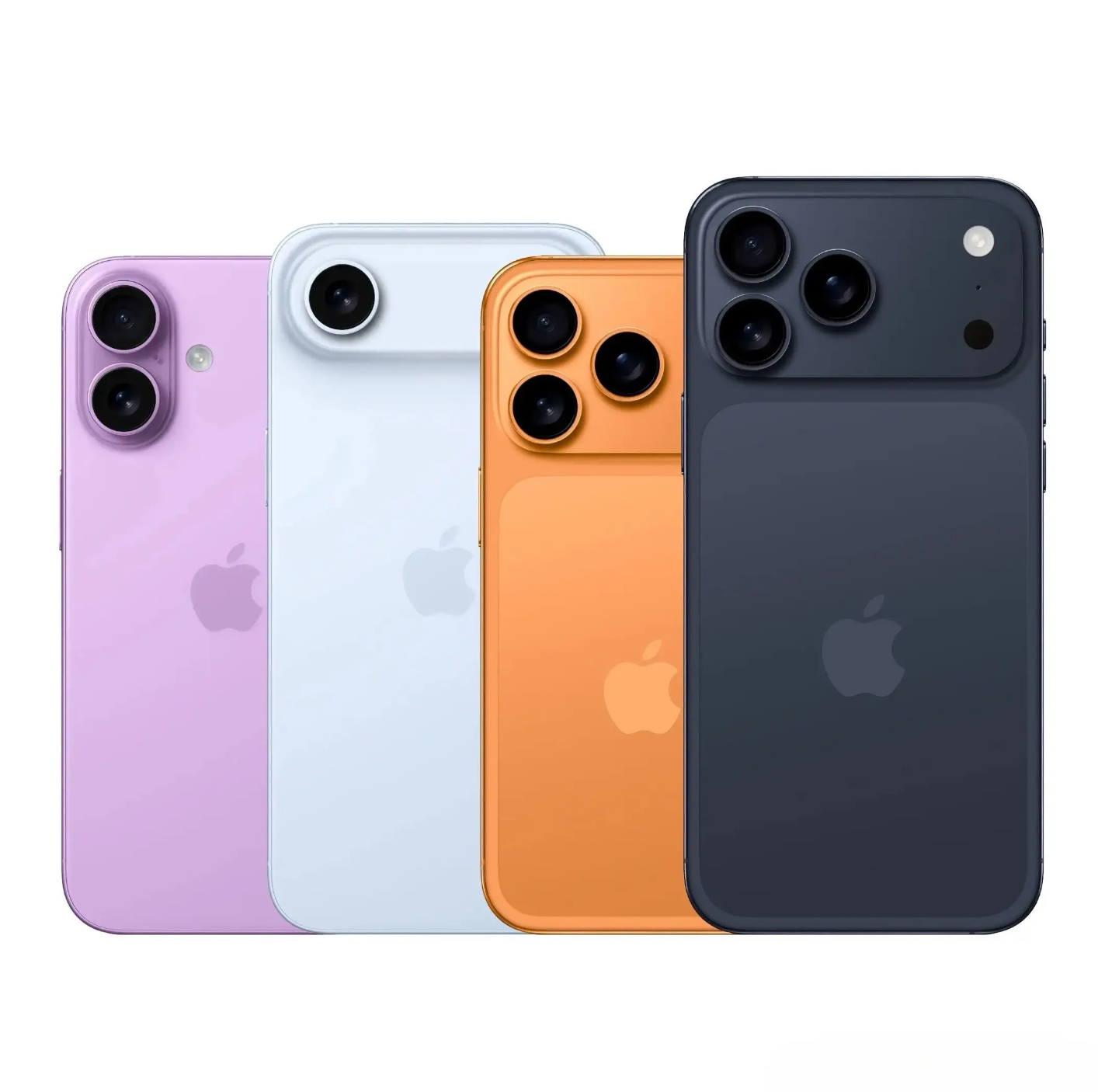
The practical distinction is a difference in cosmetic expectation, not a shortcut for technical quality. Both grades can meet the same test baseline. Both grades may require repair disclosure, device-status checks, and verified storage records.
For a purchase decision, put the two grades in separate rows of the brief instead of treating one as an upgrade word. This keeps the cosmetic standard traceable through quotation, inspection, receiving, product listing, and customer service. Any proposed lot mix remains subject to HQB verification.
Consider the cost of unclear wording before choosing a grade. A customer may accept ordinary signs of use when they are disclosed before purchase, but may dispute the same marks if a listing overstates condition. The most suitable grade is therefore the one that the supplier can define and the reseller can repeat accurately.
| Comparison point | Excellent condition | Good condition |
|---|---|---|
| Cosmetic expectation | Limited visible wear | More visible signs of use may be acceptable |
| Display appearance | Cleaner visual presentation | Visible marks may be present |
| Frame and back glass | Minimal handling marks expected | Scuffs or scratches may be more noticeable |
| Customer segment | Appearance-sensitive buyer | Value-focused buyer accepting disclosed wear |
| Functional requirement | Must be defined separately | Must be defined separately |
| Battery information | Must be disclosed separately | Must be disclosed separately |
| Repair history | Must be disclosed separately | Must be disclosed separately |
| Best use | Premium visual positioning | Value-led transparent resale positioning |
Functional Testing Is Separate

A phone can look Excellent but have a functional issue, and a Good-condition phone can be fully functional. Grade should not replace a test report. A consistent test record lets the receiving team compare units against the agreed condition program rather than guessing from a cosmetic label.
The test scope should state what “pass” means and what happens when a function needs review. Some checks depend on model generation or destination-market requirements. The buyer should record any exclusions before approval, rather than discovering different assumptions after the devices are received.
When lots contain different models, the functional record should account for model-specific features without implying that an unavailable feature was tested. This is especially useful when planning resale copy. A clear pass, fail, or requires-review result is more useful than a broad assurance that cannot be traced to an inspection step.
| Function area | What to test | How to record |
|---|---|---|
| Display | Touch, brightness, color, dead pixels, response | Pass, fail, or requires review |
| Cameras | Front and rear camera, focus, video, flash | Pass, fail, or requires review |
| Face ID | Setup and normal use where applicable | Pass, fail, or requires review |
| Audio | Speakers, earpiece, microphones | Pass, fail, or requires review |
| Connectivity | Wi-Fi, Bluetooth, cellular where applicable | Pass, fail, or requires review |
| Charging | Wired and wireless charging where applicable | Pass, fail, or requires review |
| Buttons | Volume, side, mute or action controls as applicable | Pass, fail, or requires review |
| Sensors | Proximity and related functions where applicable | Pass, fail, or requires review |
Battery Information Is Separate

iPhone battery condition is separate from cosmetic grade. A pristine-looking device may have different battery information than another device with visible wear. Buyers should request the supplier’s method for recording available battery information and ask how replacement disclosures are handled.
Battery details should follow the individual device or the exact quoted lot. A general statement cannot replace traceable information when a resale listing needs a specific disclosure. All lot-level battery information is subject to HQB verification.
Battery records and cosmetic records can be reviewed together, but they should remain separate fields. That discipline helps a purchaser compare alternatives fairly. It also prevents a cleaner exterior from being taken as evidence about battery condition, or a visible scratch from being used as evidence about battery performance.
| Battery question | Required buyer response |
|---|---|
| Is battery information available? | Record the exact available information |
| Was the battery replaced? | Request relevant disclosure |
| Is battery status being used as a cosmetic claim? | Keep it separate from grade |
| Does the device charge normally? | Test charging behavior |
| Is there unexpected shutdown behavior? | Record and escalate |
| Does the lot mix battery conditions? | Separate and disclose the configurations |
- Request the supplier’s battery-information method.
- Do not assume Excellent means a new battery.
- Do not assume Good means weak battery performance.
- Test power and charging behavior.
- Align battery details with the exact device or quoted lot.
- Disclose relevant replacement information where available.
Repair and Parts Disclosure

Repair disclosure should be separate from condition grade. A device can be cosmetically Excellent after repair, and a Good-grade device may retain original parts. Neither situation should be assumed without evidence. A supplier should share the available wording for the exact device where the model supports it.
The reseller can then choose appropriate copy for its own market. Cosmetic evidence, Parts and Service History where available, and functional results work together; none of them should be replaced by a Grade A, Grade B, Excellent, or Good label.
When a repair note is unavailable, describe it as unavailable rather than converting that absence into a positive claim. This approach protects the buyer’s listing accuracy. It also keeps cosmetic grading focused on the appearance standard it was meant to communicate.
| Disclosure topic | What to request |
|---|---|
| Display history | Available Parts and Service History status where supported |
| Battery history | Available replacement or status information |
| Camera history | Relevant repair disclosure where available |
| Housing or back-glass repair | Clear cosmetic and repair notes |
| Unknown Part status | Exact device wording and explanation |
| Genuine or Used status | Exact device wording where available |
| Functional result | Test record after repair |
Build a Grade Standard for B2B Lots

HQB buyers should agree on a written grade standard before quotation approval. The brief should translate general grade names into visible limits, test rules, and documentation requirements. That gives the supplier a workable inspection target and gives the buyer a record for receiving and resale.
The standard can also specify how mixed grades are labeled, how units are separated, and what evidence accompanies exceptions. A clear brief does not make an exact lot automatic; it makes verification more efficient. All model, storage, condition, and commercial details remain subject to HQB verification.
Before confirming, compare the written brief with the documents used by purchasing, quality control, and resale teams. The same terminology should travel with the lot. If an internal team uses a different word for the same cosmetic condition, record the mapping in writing so product listings and receiving checks stay aligned.
| Requirement | Excellent lot | Good lot |
|---|---|---|
| Cosmetic definition | Written permitted-wear standard | Written permitted-wear standard |
| Display condition | Defined scratch and damage limits | Defined scratch and damage limits |
| Frame condition | Defined scuff and dent limits | Defined scuff and dent limits |
| Back-glass condition | Defined crack and chip policy | Defined crack and chip policy |
| Functional baseline | Stated test scope | Stated test scope |
| Battery information | Defined disclosure approach | Defined disclosure approach |
| Repair disclosure | Defined documentation approach | Defined documentation approach |
| Device status | Defined activation and carrier checks | Defined activation and carrier checks |
- Define target market and customer segment.
- Select Excellent, Good, or mixed-grade inventory.
- Agree on written cosmetic standards.
- Define functional test scope.
- Define battery-information requirements.
- Define repair-disclosure requirements.
- Define device-status checks.
- Approve the lot only after written confirmation.
Choose the Right Grade for Resale
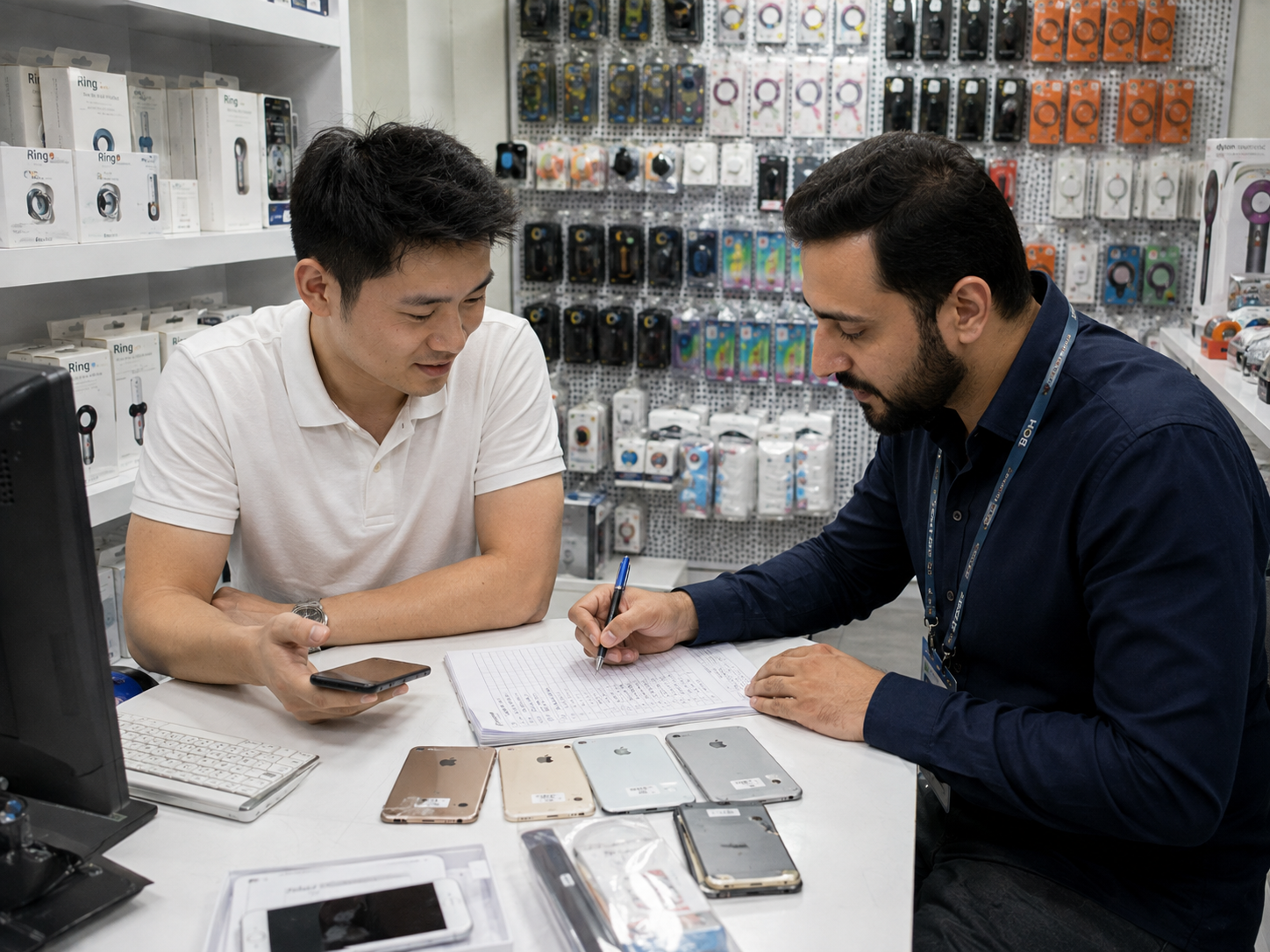
The right refurbished iPhone grading choice starts with the final buyer, not with a generic preference for the highest-looking label. Match the cosmetic program to the sales channel, the wording the reseller can support, and the supplier documentation available for the exact lot.
For example, a reseller may reserve Excellent units for presentation-led listings and use Good units where the listing clearly calls out expected cosmetic wear. That is a channel decision, not a claim that one grade has stronger functionality, different repair history, or a fixed battery status.
Mixed-grade planning can work when each device remains traceable to its cosmetic category. Avoid combining Excellent and Good units under one undifferentiated retail description. Separate inventory records support reliable product images, clearer internal picking, and a buyer experience that matches the wording used at sale.
Choose Excellent When
- The target buyer prioritizes premium-looking devices.
- The sales channel requires cleaner cosmetic presentation.
- Product images and shelf appearance are important.
- The buyer accepts the commercial difference for a stronger visual standard.
- The supplier can document the exact grade standard.
Choose Good When
- The target buyer is value-focused.
- Visible cosmetic wear is acceptable when disclosed honestly.
- Function, storage, battery information, and device status meet requirements.
- The reseller can communicate condition clearly.
- The supplier can document the exact grade standard.
Choose a Mixed Grade Lot When
- The buyer has distinct customer segments.
- Excellent and Good units are recorded separately.
- Storage, battery information, and repair disclosures remain traceable.
- Pricing and listing language can remain accurate by grade.
Reduce Grade-Related Disputes
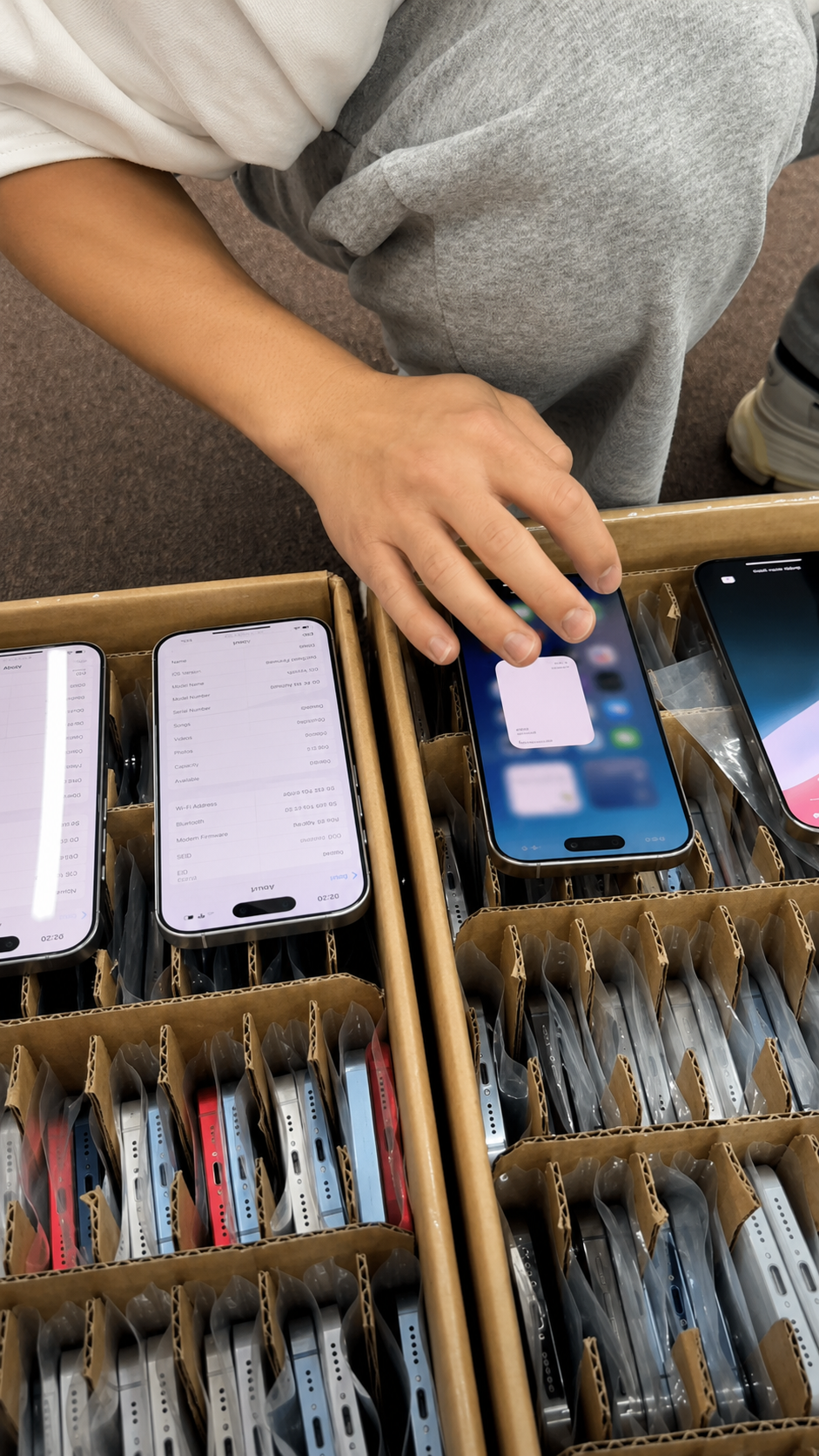
Most grade disputes come from vague language, inconsistent photos, mixed inventory, or failure to separate appearance from function. A transparent grade record improves receiving decisions and makes it easier for a reseller to write precise condition descriptions.
Review the evidence before shipment and at receiving. If a unit differs from the agreed standard, record the exception against the unit or traceable lot reference. This gives both parties a factual basis for the next decision and helps improve the condition program over time.
Photo samples are useful only when they are identified as representative and paired with written criteria. Lighting, camera processing, and display settings can change how wear appears. The written condition record remains the primary operational reference, while images help illustrate the standard and support a focused review of exceptions.
| Common problem | Why it happens | Prevention |
|---|---|---|
| Excellent device looks worn | Grade definition was unclear | Use written permitted-wear limits |
| Good device is described as damaged | Cosmetic grade and functional status were mixed | Separate the two records |
| Battery complaint | Grade was mistaken for battery condition | Disclose battery information separately |
| Repair dispute | Repair status was not explained | Provide available repair disclosure |
| Wrong storage delivered | Lot records were incomplete | Record exact capacity |
| Listing mismatch | Product descriptions were too vague | Use model-specific, grade-specific copy |
| Buyer sees unexpected lock | Device status was not screened | Perform activation and management checks |
- Photograph representative grades where permitted.
- Keep Excellent and Good inventory separate.
- Use the same test baseline for each grade.
- Do not use broad phrases such as “almost new” without definition.
- Record exceptions before shipping.
- Review buyer claims to improve the grade standard.
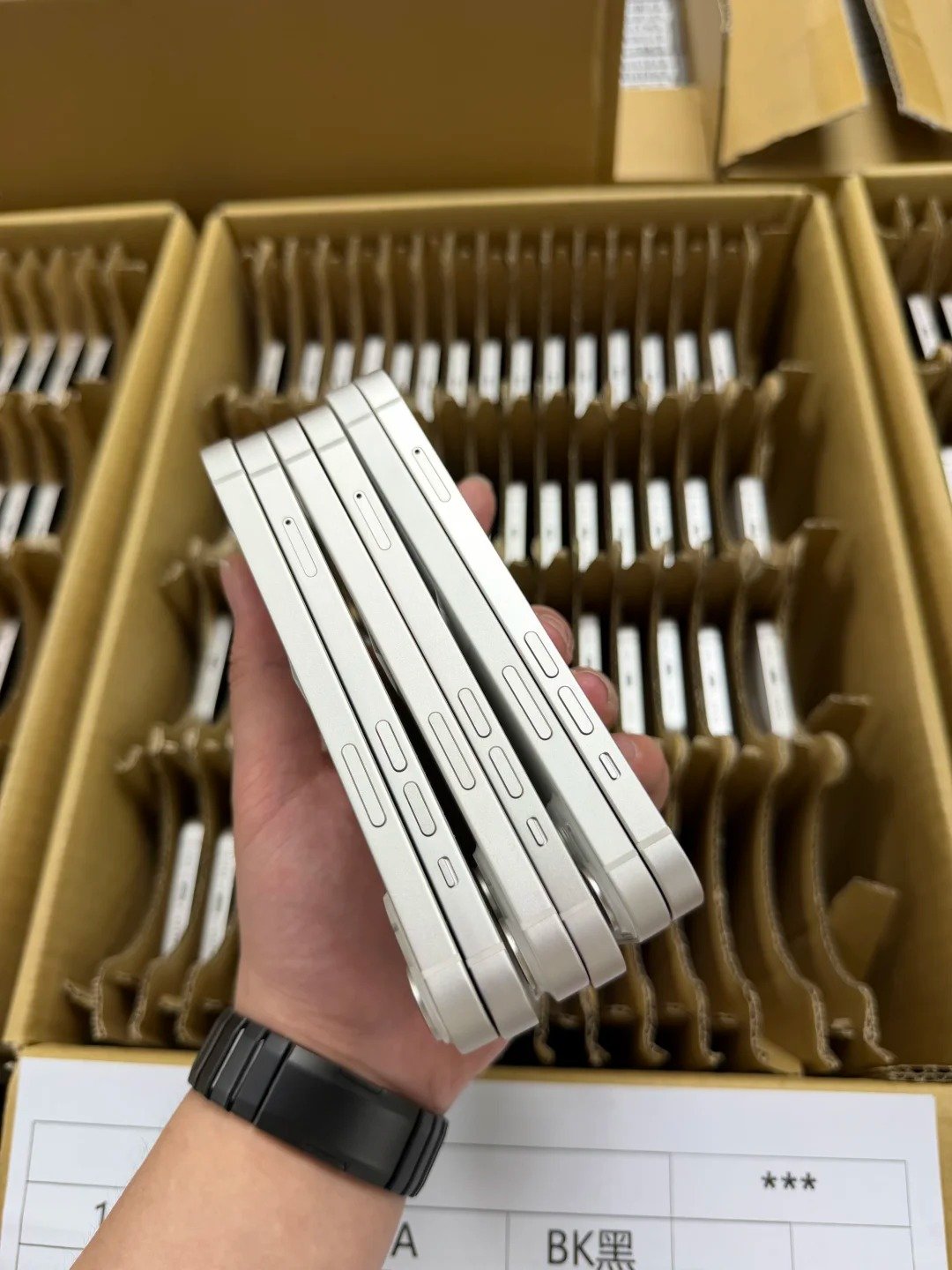
FAQ
Excellent vs Good Refurbished iPhone FAQ
What is the difference between Excellent and Good refurbished iPhone condition?
Excellent usually indicates less visible cosmetic wear, while Good may allow more visible signs of use. The exact meaning depends on the supplier’s written grading standard.
Does Excellent condition mean the iPhone has no repairs?
No. Cosmetic grade does not prove repair history. Ask for available display, battery, and parts disclosures separately.
Does Good condition mean the iPhone has functional problems?
No. Good should describe cosmetic appearance. Functional testing must be defined and reported separately.
Does Excellent condition include a new battery?
Not automatically. Battery information must be disclosed separately from the cosmetic grade.
Which grade is better for resale?
Excellent can suit appearance-sensitive buyers, while Good can suit value-focused buyers. The right choice depends on the target market and the clarity of the supplier’s grading standard.
What should buyers inspect in an Excellent-grade iPhone?
Inspect the display, frame, back glass, camera lenses, buttons, ports, functional test results, battery information, repair disclosure, and device status.
What should buyers inspect in a Good-grade iPhone?
Inspect the same functional and status items as Excellent grade, while carefully documenting expected cosmetic wear.
Can two suppliers use Excellent differently?
Yes. Grade labels are not universal. Always request written cosmetic criteria and test scope before purchasing.

Summary
Compare the Standard, Not Just the Label
Excellent and Good are useful only when they are supported by a written grading standard and separate documentation for battery information, functional testing, repair history, storage, and device status.
- Request the supplier’s written grade definition.
- Compare display, frame, back glass, and camera-lens condition.
- Separate cosmetic grade from functional testing.
- Separate cosmetic grade from battery information.
- Separate cosmetic grade from repair disclosure.
- Verify exact model and storage.
- Verify activation, management, and carrier requirements.
- Select Excellent for premium visual positioning.
- Select Good for transparent value-focused positioning.
- Approve only clearly documented lots.
HQB can support refurbished iPhone sourcing discussions, but cosmetic grade, battery information, repair disclosure, functionality, availability, and commercial terms must be confirmed for the exact quoted lot.
Contact HQB
Request a Refurbished iPhone Grade Quote
Tell HQB your target models, preferred Excellent or Good grade, storage mix, battery requirements, quantity, destination market, and documentation needs. HQB will respond subject to quotation and verification.
 HQBsales@usedphonehqb.com+8617374267737H1091, Manha Commercial Plaza, No. 2022 Huaqiang North Road, Futian District, Shenzhen.
Article record
Article Date
Published: September 15, 2026
Last updated: September 15, 2026
| Update check | Buyer action |
|---|---|
| Grade program or market changes | Recheck the written grading standard before future updates or purchases. |
Refurbished grade labels and supplier criteria can differ by program and market. Recheck the written grading standard before future updates or purchases.
Continue reading
Related Buying Guides
Buying guideUsed iPhone Grading Explained: Like New, Excellent, and Good
Learn how cosmetic grades should be defined, documented, and separated from functional device condition.
Inspection guideHow to Check the Quality of a Used iPhone Before Buying
Use a practical inspection checklist for display, battery, cameras, activation status, and cosmetic condition.
Parts guideOEM vs Aftermarket iPhone Parts
Understand how genuine, used, aftermarket, and unknown part labels require evidence and disclosure.