

Overview
Compare Standards, Not Names
Both labels may describe pre-owned devices, but their commercial meaning comes from the written program standard behind the label. A buyer should compare the actual conditions for cosmetic appearance, battery information, test scope, repair disclosure, device status, accessories, and commercial terms.
A named tier can be helpful only when its requirements are current, accessible, and relevant to the exact offer. A broad refurbished category can also be useful when the supplier defines its process clearly. In either case, a label is a starting point for due diligence, not a replacement for it.
| Comparison area | Renewed Premium program | General refurbished category |
|---|---|---|
| Label source | Usually a specific platform or seller program | Broad supplier or market category |
| Cosmetic standard | Must be defined by that program | Must be defined by the supplier |
| Battery requirement | May be program-specific | Must be requested from the supplier |
| Test process | May be documented by the program | Must be requested from the supplier |
| Parts disclosure | May follow platform policy | Must be stated clearly by the supplier |
| Warranty or returns | Program or seller-specific | Supplier or market-specific |
| HQB use | Use only with documented qualification | Use with HQB’s written condition standard |
Terminology and verification
What Renewed Premium Usually Means
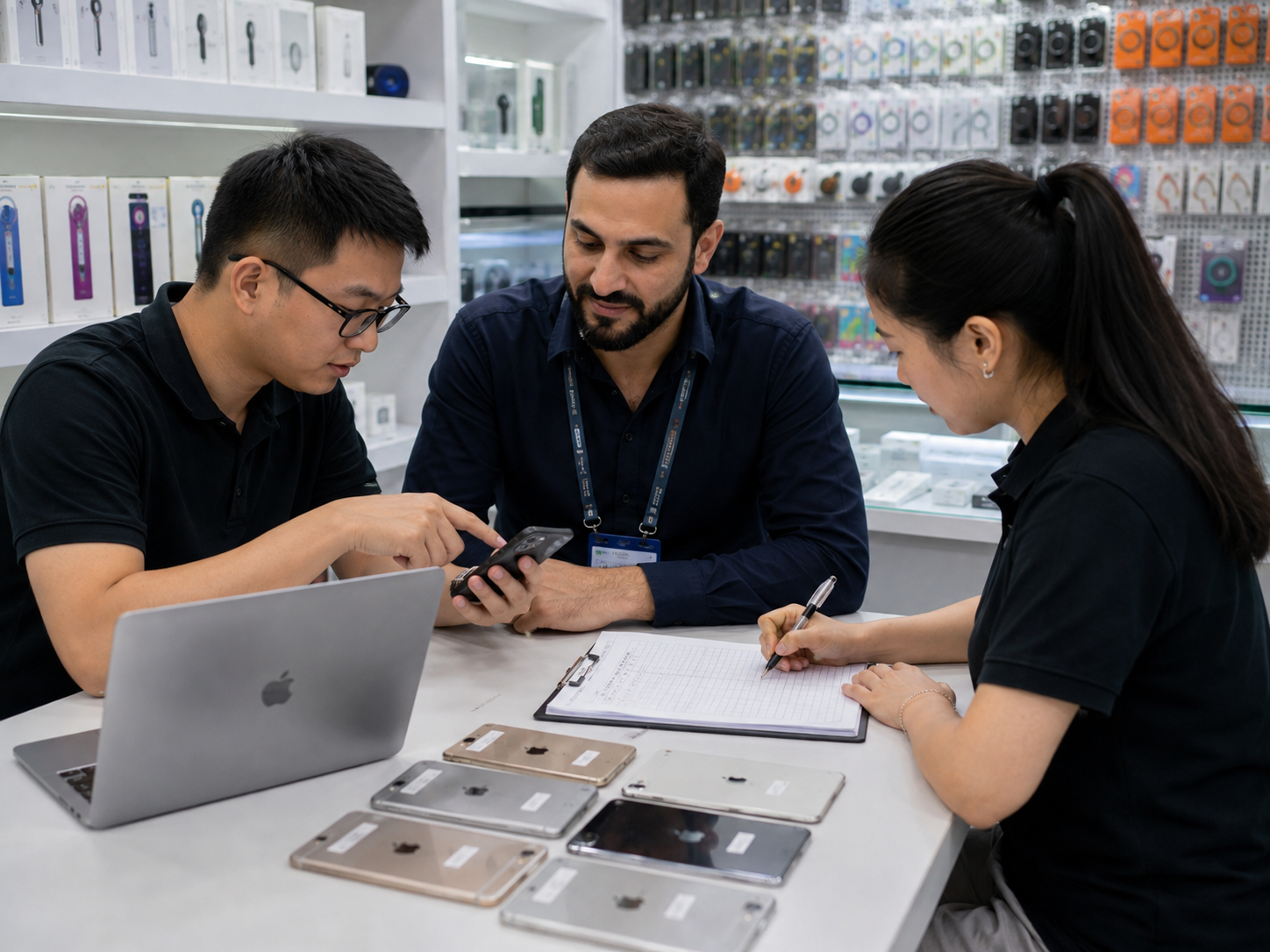
Renewed Premium is generally used as a higher-tier program label by a specific sales channel or seller. Its exact requirements should be read from that program’s current documentation. A buyer needs to know who owns the standard, what it covers, and whether it applies to the exact device offered.
The same label should not be carried into an HQB quote or listing merely because a device appears similar. Where HQB is not selling under the exact rules of a named program, the responsible approach is to use HQB’s own transparent, written condition standard instead of copying external labels.
| Question to ask | Why it matters |
|---|---|
| Who owns the Renewed Premium program? | Identifies the source of the standard |
| What cosmetic standard applies? | Defines permitted wear |
| What functional tests are required? | Defines performance expectations |
| What battery information is required? | Prevents assumptions about battery condition |
| What parts disclosure is required? | Clarifies repair and component status |
| What warranty or return terms apply? | Defines commercial coverage |
| Is the exact device qualified? | Prevents misuse of the label |
| Can the standard be documented? | Supports accurate resale claims |
What Refurbished Means
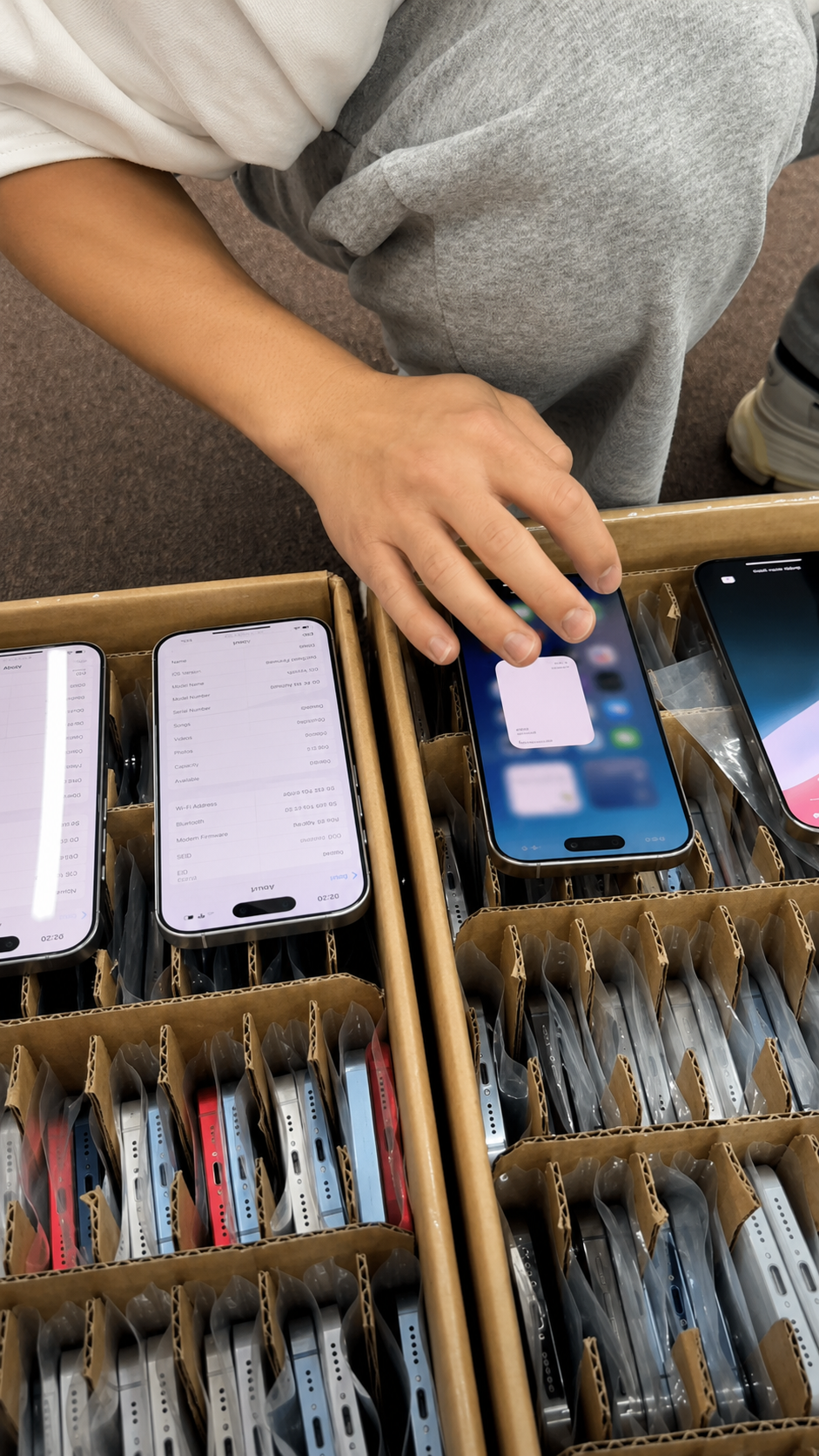
Refurbished is a broader category. It may include devices that have been inspected, cleaned, tested, repaired where needed, graded, and prepared for resale. The exact process varies by supplier, device history, model, and destination market, so buyers should request the relevant written process rather than infer it from the word alone.
The category can include different cosmetic tiers and different repair histories. It does not automatically mean that every component was replaced, that all parts are original, or that every device has the same cosmetic condition. Accurate B2B sourcing treats each of those as a separately documented question.
| Refurbished component | What it may include | What buyers must confirm |
|---|---|---|
| Device source | Trade-in, return, pre-owned, or other permitted secondary source | Lawful ownership and status |
| Inspection | Cosmetic and functional review | Actual test scope |
| Cleaning | Device preparation | Supplier process where relevant |
| Repair | Replacement or repair when needed | Parts and repair disclosure |
| Grading | Cosmetic classification | Written grade definition |
| Battery review | Available battery information | Exact method and lot-level details |
| Resale preparation | Listing, storage, and device-status checks | Model, capacity, and activation checks |
Premium Tier vs Standard Tier
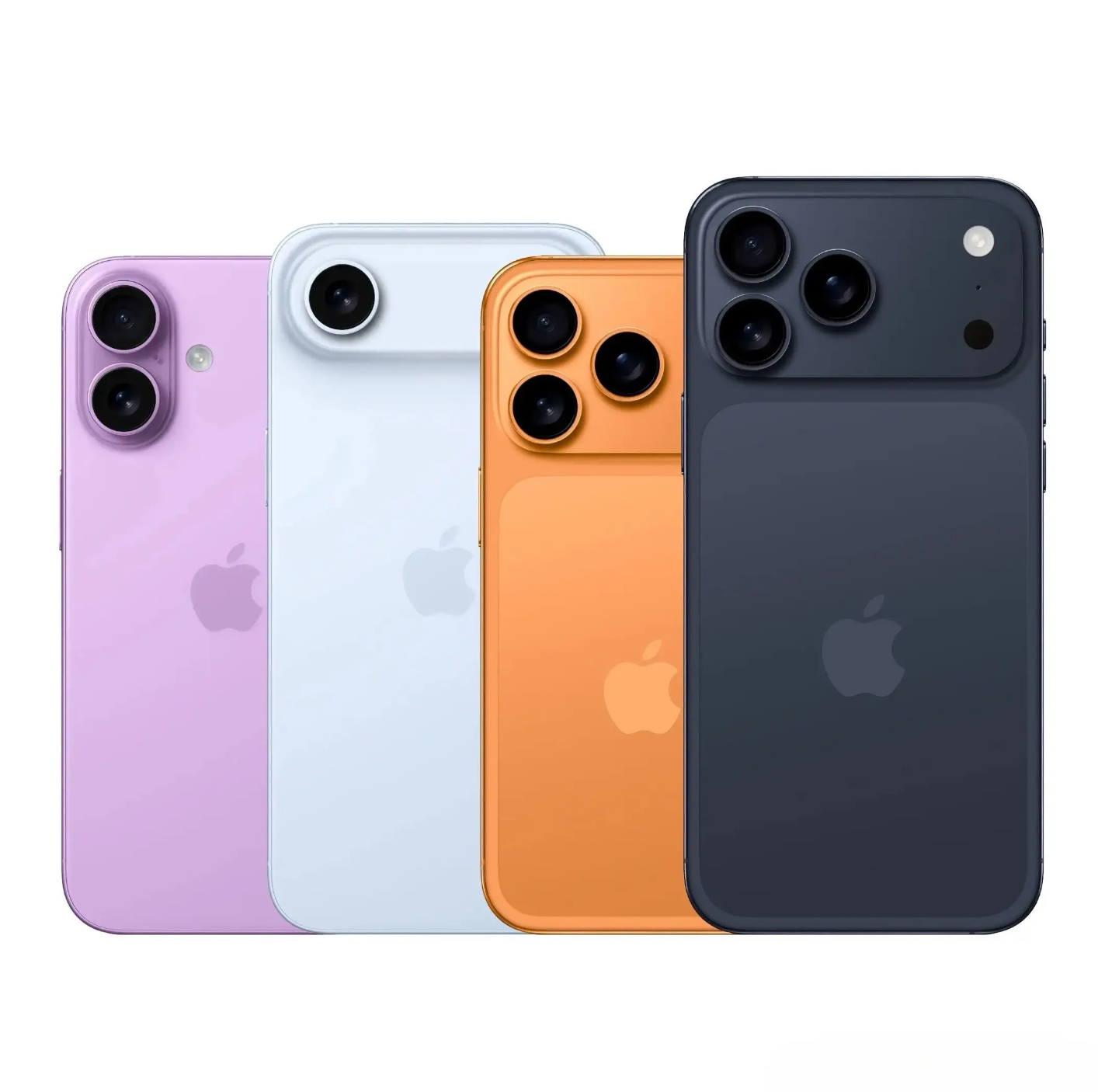
A premium tier normally aims at stronger cosmetic presentation or a more defined condition standard, but buyers must compare the real criteria. The word premium does not itself state the permitted scratches, test baseline, battery information, repair disclosure, or device-status checks.
Choose a higher tier only if its documented standard adds measurable value for the intended customer segment. A value-focused channel may need a different but equally transparent standard. The important distinction is whether the written criteria fit the product listing and receiving process.
| Selection factor | Higher-tier premium program | Standard refurbished offer |
|---|---|---|
| Cosmetic presentation | May allow less visible wear | May allow more visible wear |
| Grade definition | May be more tightly specified | May vary by supplier |
| Battery information | May have a defined policy | Must be requested explicitly |
| Functional baseline | Must be confirmed | Must be confirmed |
| Parts history | Must be disclosed where available | Must be disclosed where available |
| Device status | Must be checked | Must be checked |
| Buyer fit | Appearance-sensitive or premium channel | Value-focused or broad resale channel |
Cosmetic Condition

Premium Cosmetic Expectations
A premium-tier device may be positioned for buyers who prioritize a cleaner visual appearance. The written standard should define the inspection surfaces and allowed wear. Do not use “flawless” or “new” unless the written standard supports those exact claims for the device.
Standard Refurbished Cosmetic Expectations
Standard refurbished devices may show disclosed signs of prior use while remaining suitable for value-focused resale. The supplier should describe visible marks precisely, especially on the display, frame, back glass, and lenses. Cosmetic appearance must remain separate from battery information, repair disclosure, and functional status.
| Area | Premium-tier expectation | Standard refurbished expectation |
|---|---|---|
| Display | Limited visible wear under the stated standard | Visible wear may be permitted if disclosed |
| Frame | Cleaner overall presentation | Scuffs or handling marks may be permitted |
| Back glass | Minimal visible marks under the standard | Wear may be more noticeable |
| Camera lenses | Must be clear and inspected | Must be clear and inspected |
| Overall look | Premium visual positioning | Transparent value-oriented positioning |
| Functional test | Required separately | Required separately |
- Inspect display scratches and edge condition.
- Inspect frame corners and side rails.
- Inspect back glass and camera lenses.
- Check for chips, cracks, dents, or separation.
- Record visible wear accurately.
- Never use cosmetic condition to imply battery or repair status.
Battery Information

Battery status should be treated as an independent buying criterion. A device may have excellent cosmetics but different battery information than another device in a standard tier. Buyers should request the method, scope, and available disclosure rather than assume a particular capacity, replacement status, or performance outcome.
Battery information should be attached to the device or exact quoted lot where available. Do not state a percentage unless it is verified for that device or lot. All lot-level battery details, configurations, and commercial implications are subject to HQB quotation and verification.
| Battery question | Correct buyer response |
|---|---|
| Is a battery standard stated? | Read the exact written program or supplier rule |
| Is the battery original, replaced, used, or unknown? | Request available evidence and disclosure |
| Is battery information available per device or lot? | Record the scope clearly |
| Does the phone charge normally? | Test charging behavior |
| Is battery information being used as a cosmetic claim? | Keep battery and grade separate |
| Does a named program promise a new battery? | Do not assume; verify current terms |
- Request the battery-information method.
- Record available battery data accurately.
- Do not state a percentage unless verified for the exact device or lot.
- Request relevant replacement disclosure where available.
- Test wired charging and normal power behavior.
- Keep battery data separate from grade and parts claims.
Parts and Repair Disclosure

Premium and refurbished labels do not settle questions about display, battery, camera, housing, or other replacement parts. A device can present well after a repair, while another device with more visible wear may retain different components. Neither conclusion should be made without available evidence and disclosure.
Ask for the exact device wording where the model supports Parts and Service History information. If information is unavailable, state that it is unavailable rather than converting that absence into a positive parts claim. Functional testing after repair remains important even when a condition tier is well defined.
| Disclosure area | Buyer question |
|---|---|
| Display | Is available Parts and Service History information recorded? |
| Battery | Is replacement or battery information disclosed? |
| Cameras | Is relevant repair history available? |
| Housing and back glass | Are repairs or cosmetic changes disclosed? |
| Parts status | Is any Genuine, Used, Unknown, or other recorded status available? |
| Functional testing | Was testing performed after any repair? |
| Supplier terminology | Are terms defined clearly and supported by evidence? |
Functional Testing

Every condition tier must have a clearly stated functional baseline. Cosmetic presentation does not replace testing. A premium label does not remove the need for the same systematic functional verification required for every refurbished iPhone.
The test report should identify a pass, fail, or requires-review result. It should also explain relevant model-specific limits, so a buyer does not mistake an unavailable feature for an omitted inspection. This provides a reliable baseline for receiving, resale descriptions, and exception handling.
| Function area | What to test | How to record |
|---|---|---|
| Display | Touch, brightness, color, dead pixels, response | Pass, fail, or requires review |
| Cameras | Front and rear cameras, focus, video, flash | Pass, fail, or requires review |
| Face ID | Enrollment and use where applicable | Pass, fail, or requires review |
| Audio | Speakers, earpiece, microphones | Pass, fail, or requires review |
| Connectivity | Wi-Fi, Bluetooth, cellular where applicable | Pass, fail, or requires review |
| Charging | Wired and wireless charging where applicable | Pass, fail, or requires review |
| Buttons | Volume, side, mute, or action controls as applicable | Pass, fail, or requires review |
| Sensors | Proximity and related functions | Pass, fail, or requires review |
Device Status and Ownership

Cosmetic and functional condition do not resolve ownership, MDM, Activation Lock, carrier, or IMEI concerns. These are separate checks for lawful, usable resale. A device may look premium and pass functions while still needing status review for the buyer’s intended destination.
Record the exact model and capacity before listing or shipping. Where a status result is unclear, quarantine the unit for review rather than placing it under a cosmetic label. Every status requirement should be defined in the purchase brief and applied consistently.
| Status check | Why it matters | Required action |
|---|---|---|
| Activation Lock | Confirms prior owner account issue is resolved | Check separately before resale |
| MDM or supervision | Identifies organization management risk | Quarantine unclear devices |
| Carrier status | Affects market eligibility | Verify for intended destination |
| IMEI review | Supports identity and applicable status checks | Review lawfully and appropriately |
| Storage | Prevents listing mismatch | Confirm exact device capacity |
| Model identity | Prevents configuration error | Record exact model |
- Verify device identity.
- Record storage accurately.
- Review activation status.
- Review MDM and supervision separately.
- Review carrier requirements.
- Complete lawful IMEI checks where appropriate.
- Keep status results separate from cosmetic grade.
Build a Premium-Grade Purchase Brief

HQB buyers should create a written purchase brief rather than requesting vague “premium” devices. The brief should identify whether a named third-party program is required or whether an HQB-defined premium standard is sufficient. It should make every condition and documentation requirement clear before quotation preparation.
A detailed brief gives procurement, quality control, and resale teams the same vocabulary. It also supports an efficient verification process for the exact quoted lot. Condition, battery, parts, configuration, availability, and commercial details remain subject to HQB quotation and verification.
| Buyer requirement | What HQB needs to know |
|---|---|
| Target market | Customer expectations and destination requirements |
| Target models | Exact device families and configurations |
| Condition tier | HQB-defined premium, Excellent, Good, or other written grade |
| Storage mix | Required capacity distribution |
| Cosmetic criteria | Permitted marks and excluded damage |
| Battery requirement | Required disclosure approach |
| Parts requirement | Repair and component disclosure needs |
| Functional baseline | Required test scope |
| Device-status checks | Activation, MDM, carrier, and IMEI requirements |
| Quantity | Supports quotation preparation |
- Define whether the buyer needs a named third-party program or an HQB-defined premium standard.
- Confirm the exact written condition criteria.
- Define battery and parts disclosures.
- Define functional test scope.
- Define device-status requirements.
- Review lot-level documentation.
- Approve only verified configurations.
Choose the Right Offer
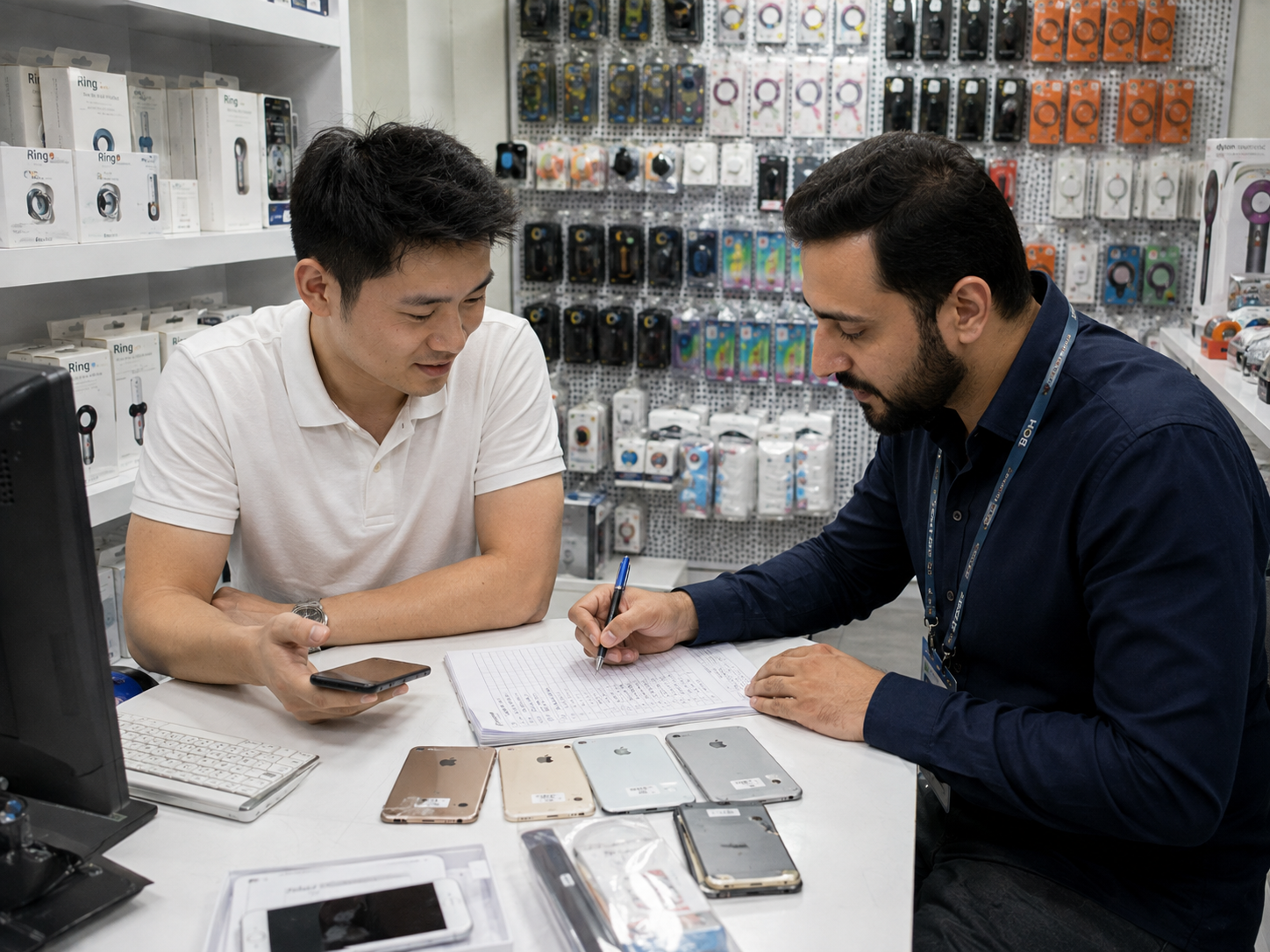
The right offer is the one whose standard fits the final customer and can be documented accurately. Separate the commercial label from the evidence required to support it. This reduces the risk of a product listing promising a named program or condition result that has not been verified for the actual inventory.
Choose a Named Renewed Premium Program When
- The buyer specifically requires that exact documented program.
- The supplier can demonstrate qualification for the exact device.
- The program’s current terms meet cosmetic, battery, testing, and commercial requirements.
- The product listing can use the program name accurately and lawfully.
Choose an HQB-Defined Premium Refurbished Standard When
- The buyer wants stronger cosmetic presentation without relying on a third-party marketplace label.
- HQB can provide a written cosmetic, functional, battery, and parts-disclosure standard.
- The buyer needs clear B2B documentation by lot.
- The listing must remain independent of third-party program terms.
Choose Standard Refurbished Inventory When
- The buyer prioritizes value-focused resale.
- Visible cosmetic wear is acceptable when disclosed clearly.
- Functional testing and device-status checks remain fully documented.
- The target channel can present condition transparently.
Apply the Standard at Receiving
A condition standard matters only when receiving teams can use it on the actual units delivered. Match every device to the agreed model, storage, cosmetic criteria, functional record, battery information, and relevant parts disclosure. If the lot record does not support a requested claim, hold that claim for review rather than allowing the sales description to fill the gap.
Use the same written criteria at quotation, inbound inspection, channel allocation, and final listing. This makes it easier to identify whether a difference is cosmetic, functional, configuration-related, or a device-status issue. It also gives the buyer a practical route for handling exceptions without treating a broad “premium” label as evidence by itself.
| Evidence Point | Receiving Question | Action When Unclear |
|---|---|---|
| Program Qualification | Does the device record support the named program? | Do not use the name until verified. |
| Cosmetic Tier | Does observed wear match written criteria? | Record and regrade if needed. |
| Battery Information | Is the available record linked to the device or lot? | State the scope accurately. |
| Parts Disclosure | Is relevant available history documented? | Keep disclosure separate from grade. |
| Functional Result | Was the agreed test scope completed? | Hold for test or exception review. |
| Device Status | Are activation, management, and carrier checks clear? | Quarantine unclear devices. |
- Keep the purchase brief with the receiving record.
- Do not convert missing information into a positive condition claim.
- Separate verified premium units from standard or review units.
- Update the listing only after the record is complete.
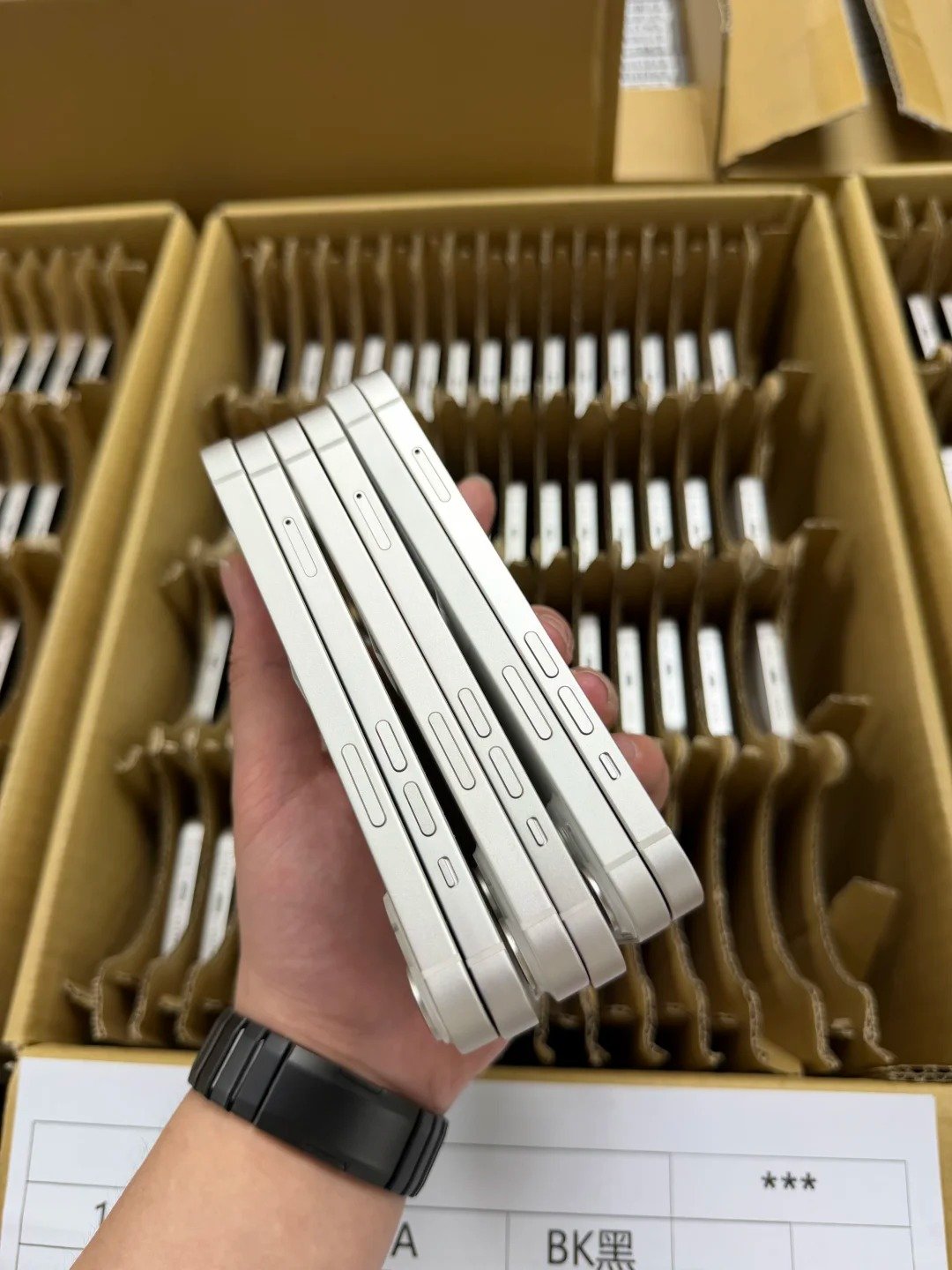
FAQ
Renewed Premium vs Refurbished iPhone FAQ
What is a Renewed Premium iPhone?
Renewed Premium usually refers to a higher-tier program defined by a specific platform or seller. Buyers should read that program’s current written conditions before comparing it with other offers.
Is Renewed Premium the same as refurbished?
Not exactly. Refurbished is a broad category, while Renewed Premium is usually a named program or condition tier with its own rules.
Does Renewed Premium mean the iPhone has a new battery?
Not automatically. Battery requirements depend on the exact program or supplier policy and must be verified for the specific device or lot.
Does refurbished mean the iPhone has original parts?
No. Refurbished devices may have different repair histories. Request available parts, display, battery, and repair disclosures separately.
Can HQB list a device as Renewed Premium?
Only if HQB can verify that the exact device qualifies under the named program’s requirements. Otherwise, use HQB’s own written condition standard.
What should buyers compare between premium and standard refurbished iPhones?
Compare cosmetic condition, battery information, functional test scope, repair disclosure, device status, storage, accessories, and commercial terms.
Is a premium cosmetic grade enough for B2B resale?
No. Cosmetic grade must be accompanied by functional testing, battery information, repair disclosure, and ownership or device-status checks.
Which option is better for resale?
The best option depends on the target buyer segment. Premium programs may fit appearance-sensitive buyers, while standard refurbished lots may fit value-focused buyers when documentation is clear.

Summary
Verify the Standard Behind the Label
Renewed Premium and refurbished iPhone labels are meaningful only when a buyer can review the written standard and verify it against the exact device or lot.
- Identify whether Renewed Premium is a named third-party program.
- Do not use the program name without documented qualification.
- Request the written cosmetic-condition standard.
- Request battery-information requirements.
- Request parts and repair disclosures.
- Confirm the functional test scope.
- Verify device status, storage, and model identity.
- Choose premium tiers for appearance-led customer segments.
- Choose standard refurbished tiers for transparent value-focused resale.
- Approve only verified and documented configurations.
HQB can support refurbished iPhone sourcing discussions, but program qualification, cosmetic condition, battery information, parts disclosure, functionality, availability, and commercial terms must be confirmed for the exact quoted lot.
Contact HQB
Request a Premium Refurbished iPhone Quote
Tell HQB your target models, preferred condition standard, storage mix, battery requirements, parts-disclosure needs, quantity, destination market, and documentation requirements. HQB will respond subject to quotation and verification.
HQB
sales@usedphonehqb.com
+8617374267737
H1091, Manha Commercial Plaza, No. 2022 Huaqiang North Road, Futian District, Shenzhen.
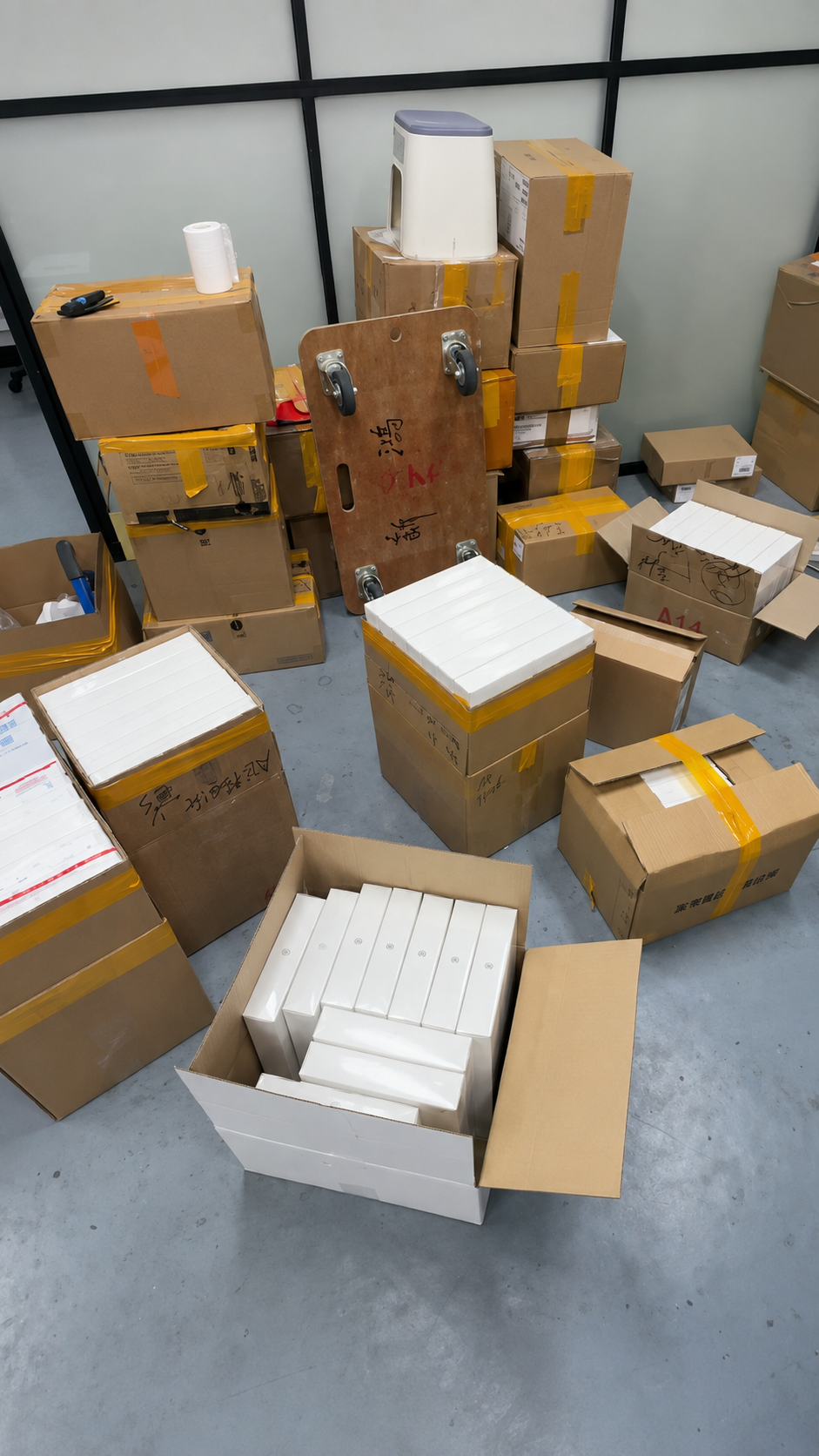
Article record
Article Date
Published: September 16, 2026
Last updated: September 16, 2026
| Update check | Buyer action |
|---|---|
| Program or market criteria change | Recheck the current written criteria before future updates or purchases. |
Renewed Premium program terms and refurbished-grade standards can change by seller, platform, and market. Recheck the current written criteria before future updates or purchases.
Continue reading
Related Buying Guides
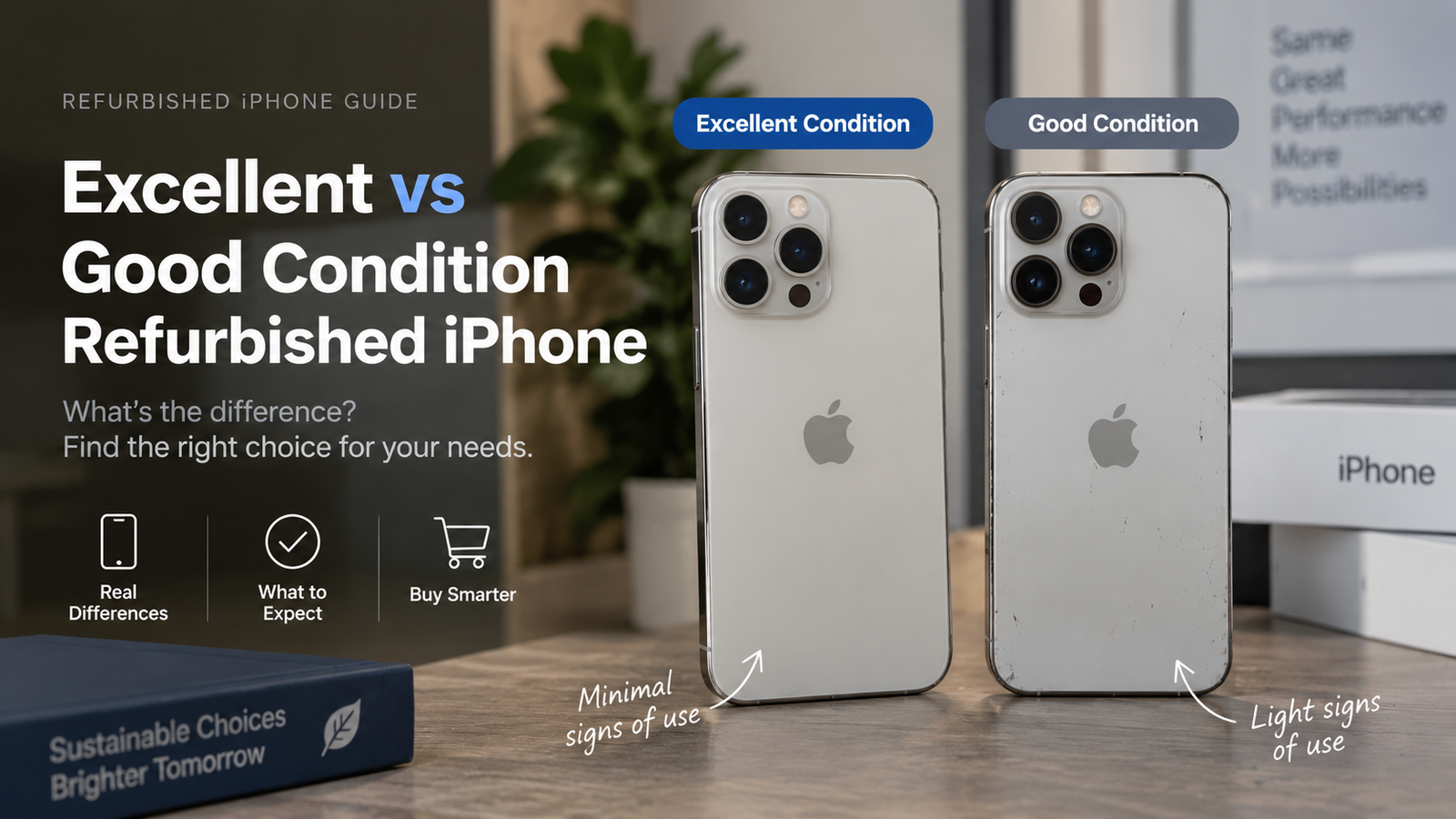 Buying guide
Excellent vs Good Condition Refurbished iPhone
Compare cosmetic grades while keeping battery, repair disclosure, functionality, and device status separate.
Parts guide
OEM vs Aftermarket iPhone Parts
Learn how parts labels require evidence, functional testing, and clear repair disclosure.
Inspection guide
How to Check the Quality of a Used iPhone Before Buying
Use a practical inspection checklist for display, battery, cameras, activation status, and cosmetic condition.