

Overview
Build the Price from the Device Record
A price should begin with a complete device record, not a generic model name. There is no single correct resale price. A defensible range is tied to exact model, storage, cosmetic grade, battery information, repair disclosure, activation and management status, destination market, sales channel, costs, and current comparable completed sales.
The best resale price is not automatically the highest visible listing price or the lowest competitor price. It is a price that the intended market can accept while supporting accurate condition disclosure, channel costs, and responsible inventory management.
| Input | Why it affects price | Verification source |
|---|---|---|
| Model | Defines the product generation | Exact model identity |
| Storage | Changes buyer utility and market value | Device-level capacity check |
| Cosmetic grade | Sets appearance expectations | Written grade standard |
| Functional result | Affects usability and claim risk | Test record |
| Battery information | Influences customer confidence | Available device or lot record |
| Repair disclosure | Affects buyer expectations | Parts and service information where available |
| Activation status | Affects lawful usability | Separate status check |
| MDM status | Affects organization-management risk | Documented screening |
| Carrier status | Affects market eligibility | Destination-market review |
| Sales channel | Changes fees and buyer expectations | Channel cost model |
| Destination market | Changes demand and price band | Current local comparables |
Evidence-led pricing
Start with Comparable Completed Sales

Recent completed sales are generally more useful than open listings because open listings may not reflect what buyers actually paid. A comparable must resemble the device being priced, not merely share a product name. Record the market, date, channel, and condition evidence used for each comparison.
| Comparable requirement | Why it matters |
|---|---|
| Same model | Avoids comparing different product generations |
| Same storage | Storage value does not always scale proportionally |
| Similar cosmetic grade | Prevents condition mismatch |
| Similar battery information | Supports fair buyer expectation |
| Similar repair disclosure | Avoids hidden-condition differences |
| Same or similar carrier status | Supports practical market fit |
| Same destination market | Reflects local demand and currency |
| Same sales channel | Reflects different fee and trust structures |
| Recent completed date | Reduces stale-price risk |
- Use completed or confirmed sales where available.
- Compare more than one relevant transaction.
- Remove obviously incomplete or suspicious listings.
- Do not compare locked or damaged devices with verified resale-ready devices.
- Record the source date and market.
- Update comparisons when market conditions change.
Separate Asking Price from Sold Price

A public asking price is an intention, while a completed sale is a stronger market signal. Both can be useful, but they should not be treated as equal. Asking prices can show how sellers position inventory; they cannot prove demand at that amount.
| Price signal | What it shows | Limitation |
|---|---|---|
| Asking price | Seller’s requested amount | May never convert into a sale |
| Completed sale | Amount a buyer accepted | May need condition and fee context |
| Trade-in offer | Fast-exit reference point | May not reflect retail resale potential |
| Wholesale quote | Business-to-business acquisition reference | May not include full resale costs |
| Retail listing | Customer-facing position | May include channel-specific benefits |
| Internal sales data | Actual performance in the reseller’s channel | Requires sufficient sample size |
Calculate Fully Loaded Cost

Acquisition cost alone is not the true resale cost. A reseller must calculate the full cost of making one device sellable in the intended channel. Use real internal values, not another reseller’s cost assumptions. Commercial details are subject to HQB quotation and verification.
| Cost category | Example input |
|---|---|
| Acquisition cost | Supplier quotation for the verified device or lot |
| Inspection cost | Internal labor or defined receiving cost |
| Repair or rework reserve | Approved repair assumption where applicable |
| Testing and grading | Functional testing and condition-record cost |
| Packaging | Channel-specific presentation cost |
| Freight and insurance | Shipment-related cost where applicable |
| Import, tax, or duty | Market-specific cost confirmed by qualified advisors |
| Marketplace or payment fees | Channel-specific fee schedule |
| Return or claim reserve | Internal risk assumption |
| Inventory carrying cost | Internal capital and storage assumption |
Set a Market Floor and Ceiling

Pricing should operate within a documented market range. The ceiling comes from credible current comparables. The floor comes from fully loaded cost and the reseller’s internal business rules. The target position should be reviewed when evidence changes, not defended by intuition.
| Price concept | Definition | Purpose |
|---|---|---|
| Market ceiling | Upper range supported by credible current comparables | Avoid unrealistic listings |
| Market floor | Minimum sustainable level based on fully loaded cost and business rules | Avoid unplanned loss-making sales |
| Target price | Position within the acceptable market range | Supports the sales strategy |
| Review trigger | Condition under which price is reassessed | Controls slow inventory |
| Exit decision | Decision to reprice, re-channel, repair, or return | Protects inventory discipline |
Adjust for Model and Storage

Model and storage are separate pricing variables. A higher-capacity device is not automatically worth a fixed percentage more in every market. Compare exact configuration sales in the relevant destination and channel, then document any local demand pattern rather than importing assumptions from another market.
| Configuration factor | Pricing effect | Buyer action |
|---|---|---|
| Standard versus Pro | Different feature and buyer segments | Use model-specific comparables |
| Pro versus Pro Max | Different display and battery positioning | Compare size-specific demand |
| Storage capacity | Changes usability and buyer perception | Compare exact capacity sales |
| Color | May affect customer preference | Treat as a local data point |
| Regional model variant | May affect network or SIM suitability | Confirm destination requirements |
| Accessories or packaging | May affect channel presentation | Do not assume value without market evidence |
Adjust for Grade and Cosmetic Condition

Grade should change price only when the supplier’s written standard and actual device appearance support the adjustment. Keep grades separate in the records. A repaired or damaged unit should not be priced as a higher grade simply because other units in the lot meet that standard.
| Condition item | Pricing relevance | Required evidence |
|---|---|---|
| Display scratches | Affects visual appeal | Inspection record |
| Frame scuffs | Affects cosmetic tier | Written grade definition |
| Back-glass wear | Affects buyer perception | Photos or notes where permitted |
| Camera-lens condition | May affect functionality and appearance | Lens inspection and camera test |
| Dents or chips | Can affect buyer confidence | Accurate disclosure |
| Cosmetic grade | Supports listing position | Supplier-defined criteria |
- Keep Excellent, Good, and other grades separate.
- Use the exact written grade definition.
- Do not price a repaired or damaged device as a higher grade.
- Compare only with similar cosmetic condition.
- Capture exceptions before listing or quotation.
- Separate cosmetics from battery and functionality.
Adjust for Battery, Parts, and Repair History

Battery information and repair disclosure may change the buyer’s perceived risk and should be included in pricing decisions. Cosmetic grade cannot substitute for battery information, repair history, or functional testing. Use the available record precisely and avoid broad claims about origins or replacement status.
| Device record | Pricing consideration | Required action |
|---|---|---|
| Available battery information | May affect customer confidence | State it accurately |
| Battery replacement disclosure | May change buyer expectations | Record relevant details |
| Display service history | May affect listing transparency | Check available records |
| Genuine, Used, or Unknown parts status | Requires precise wording | Avoid broad origin claims |
| Functional issues | May require rework or different channel | Do not price as resale-ready |
| Repair history unavailable | Increases uncertainty | Use conservative disclosure and review |
Adjust for Device Status

Activation Lock, MDM, carrier status, and IMEI status can determine whether a device is usable in a specific market. These checks must be complete before final resale pricing. Do not discount an unresolved ownership or management issue into a normal resale price; resolve it lawfully or remove the device from resale inventory.
| Status check | Pricing impact | Correct response |
|---|---|---|
| Activation Lock unresolved | Device is not resale-ready | Do not price for normal resale |
| MDM or supervision unclear | Organization-management risk | Quarantine and seek lawful confirmation |
| Carrier status unclear | Market eligibility uncertainty | Verify before market placement |
| IMEI issue where applicable | Potential usability risk | Review lawfully and appropriately |
| Storage mismatch | Listing accuracy risk | Correct the device record |
| Function test failure | Rework or alternate disposition needed | Do not price as fully functional |
Choose a Pricing Strategy by Channel

Retail, marketplace, wholesale, and export channels can have different cost structures and buyer expectations. A retail price should not be copied into a wholesale quote, and one country’s price should not be carried into another market without destination-specific evidence.
| Sales channel | Main pricing consideration | Required data |
|---|---|---|
| Local retail | Customer experience and presentation | Local completed sales and store costs |
| Online marketplace | Fees, dispute exposure, and shipping | Completed sales and fee model |
| Wholesale resale | Lot consistency and buyer volume | Verified quote and bulk-demand evidence |
| Export distribution | Destination compliance and logistics | Market comparables and landed-cost model |
| Repair channel | Parts and rework economics | Functional and repair assessment |
| Corporate or fleet buyer | Documentation and status verification | Buyer-specific condition requirements |
- Do not apply retail prices to wholesale quotes.
- Do not apply one country’s market price to another.
- Include channel fees before setting a final price.
- Confirm who bears shipping, returns, taxes, and claims.
- Use the channel’s expected condition language.
Use Inventory Days as a Pricing Signal

Pricing should be reviewed when inventory stays unsold longer than the business’s defined target period. There is no universal number of days. Use the reseller’s own review schedule and track inquiries, conversion, returns, claims, and buyer objections by model, storage, grade, and channel.
| Inventory signal | What it may indicate | Possible response |
|---|---|---|
| Strong inquiries but low conversion | Price, listing, or trust issue | Review comparables and disclosures |
| Low inquiries | Weak model-market fit | Reassess channel or target segment |
| Long inventory age | Capital tied up in stock | Review price, channel, or disposition |
| High return rate | Condition or expectation mismatch | Improve testing and descriptions |
| Repeated buyer objections | Missing information | Update the device record |
| Fast stockout | Demand may exceed supply | Verify before raising or expanding price |
- Set an internal review date for each listing or lot.
- Track inquiries, conversion, returns, and claims.
- Compare results by model, storage, grade, and channel.
- Adjust based on data, not emotion.
- Retain the reason for every major price adjustment.
Build a Pricing Approval Record

Every price decision should be traceable for internal consistency. The approval record brings device verification, comparable sales, fully loaded cost, and channel logic into one reviewable document. It supports repeatable pricing without pretending that a market range is permanent or guaranteed.
| Record field | What to capture |
|---|---|
| Model and storage | Exact device configuration |
| Cosmetic grade | Written grade category |
| Battery information | Available device or lot record |
| Repair disclosure | Available parts and service information |
| Device status | Activation, MDM, carrier, and IMEI review results |
| Comparable sales | Source, date, market, and similarity notes |
| Fully loaded cost | Internal cost categories used |
| Sales channel | Intended selling route |
| Proposed price range | Market floor, target, and ceiling logic |
| Approval date | Time-stamped review |
| Review trigger | When the price should be reassessed |
- Verify the device record.
- Gather recent comparable completed sales.
- Calculate fully loaded cost.
- Define market floor and ceiling.
- Choose a channel-specific target range.
- Document the pricing rationale.
- Review inventory performance.
- Update only when evidence changes.
Keep Pricing Decisions Traceable
A price range should be explainable after the listing goes live. Keep the device record, comparable-sales notes, cost assumptions, intended channel, and approval date together. The aim is not to turn every sale into a complex report. It is to make sure the team can show why a configuration was placed in a particular range and what information still needs verification.
Traceability is particularly important when a lot contains different storage capacities, cosmetic grades, battery disclosures, repairs, or status results. Do not blend these into one broad “used iPhone” reference. Separate units or subgroups that have materially different records, then compare each one against relevant completed sales rather than using the strongest-looking device as a proxy for the lot.
Keep acquisition evidence separate from customer-market evidence. A supplier quotation can establish an input to fully loaded cost, but it does not prove that a local buyer will accept a retail price. In the same way, a high public listing can describe a seller’s position without proving a completed transaction. Both sides of the decision must be documented before final approval.
| Record Question | Why It Matters | Action if Incomplete |
|---|---|---|
| Is the exact model and storage confirmed? | Configuration drives the comparison set. | Pause final pricing and verify. |
| Is the cosmetic grade documented? | Appearance affects buyer expectation. | Inspect and apply written criteria. |
| Is battery information scoped correctly? | A lot-level note may not apply to every unit. | State the available scope precisely. |
| Are repair and parts disclosures recorded? | They can change channel fit and customer confidence. | Use accurate disclosure or review. |
| Are comparable sales genuinely similar? | Unmatched records distort the market range. | Replace weak comparisons. |
| Are channel costs included? | They affect the sustainability of the range. | Refresh fully loaded cost. |
| Is the review date current? | Market evidence changes over time. | Recheck current evidence. |
- Save the date and market for each comparable sale.
- Record why a sale was included or excluded.
- Keep asking-price observations separate from sold-price evidence.
- Document channel-specific fee and return assumptions.
- Use a controlled hold when status or condition is unclear.
- Keep all commercial details subject to HQB quotation and verification.
Review the Result, Not Just the Listing
After inventory enters a channel, review its performance against the original pricing record. Strong inquiries with low conversion, repeated buyer objections, returns, or extended inventory age can signal a problem in the price, the listing, the condition disclosure, or the channel fit. No single signal proves the cause, so review the device record and market evidence together.
A review should not become a promise that lower or higher pricing will solve every inventory problem. It is a decision point. Reprice, re-channel, repair, hold, return, or use another approved disposition only when the current device record, fully loaded cost, and relevant market evidence support that choice.
| Observed Signal | Question to Revisit | Evidence to Check |
|---|---|---|
| Low conversion | Does the range fit comparable completed sales? | Recent matching transactions and listing detail. |
| Repeated condition questions | Is the disclosure complete? | Grade, battery, repair, and test record. |
| Long inventory age | Does the channel still fit the device? | Current demand and channel cost model. |
| Return or claim | Did the listing match the record? | Device evidence and sales description. |
| New market evidence | Has the comparable range changed? | Current date, market, and channel records. |
- Review the original record before changing the range.
- Identify the device fact or market signal that changed.
- Update the rationale, not just the number.
- Keep a new review trigger for the next decision.
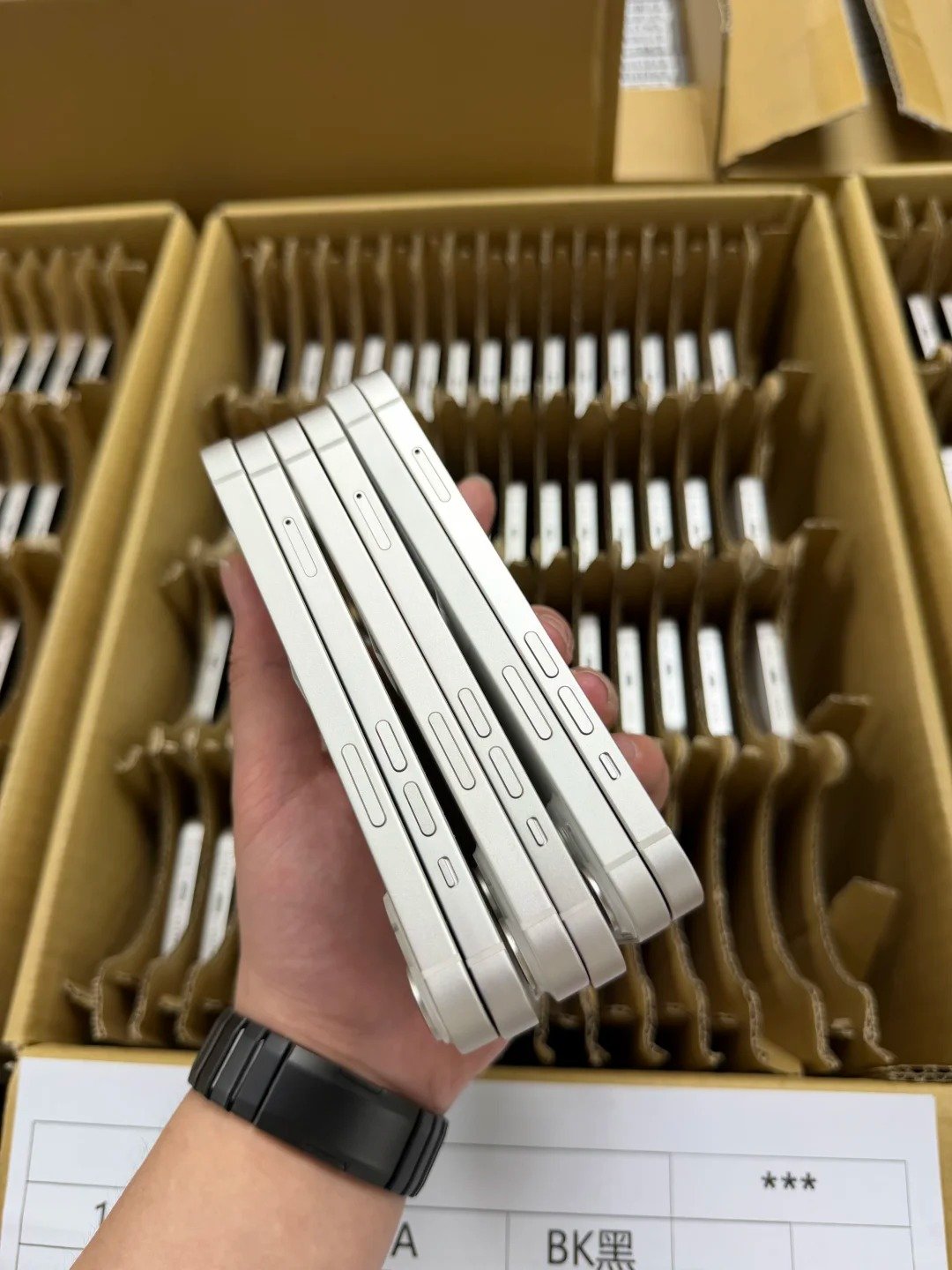
FAQ
Used iPhone Pricing FAQ
How should I price a used iPhone for resale?
Start with recent comparable completed sales for the same model, storage, grade, status, market, and channel. Then confirm that the range supports the device’s fully loaded cost.
Should I use competitor asking prices?
Use asking prices for context, but prioritize completed sales and verified internal results because listed prices may not convert.
Does higher storage always add the same amount of resale value?
No. Storage value depends on the model, market, customer segment, and current demand. Compare exact storage tiers.
How does condition affect used iPhone pricing?
Cosmetic grade affects buyer perception, but it should be priced separately from functionality, battery information, repair history, and device status.
Should battery information change the price?
It can affect buyer confidence and return risk. Record available battery information accurately and compare devices with similar battery disclosures.
Can I discount an MDM-locked or Activation Locked iPhone for normal resale?
No. Unresolved organizational management or ownership issues should be handled lawfully and should not enter normal resale inventory.
How often should resale prices be reviewed?
Review when comparable sales, supply, demand, channel costs, or inventory performance change. Use a documented internal review schedule.
Can HQB guarantee a resale price or margin?
No. HQB can support sourcing discussions, but market prices, condition, availability, and commercial outcomes are subject to quotation and verification.

Summary
Price with Evidence
Used iPhone pricing is a repeatable process: verify the device, compare credible completed sales, calculate fully loaded cost, select the correct channel, and review inventory performance.
- Verify model, storage, grade, battery information, repair disclosure, and device status.
- Use recent comparable completed sales.
- Separate asking prices from sold prices.
- Calculate fully loaded cost with real internal inputs.
- Define a market floor and ceiling.
- Use channel-specific pricing logic.
- Track inventory days, conversion, returns, and claims.
- Review pricing when market evidence changes.
- Never promise a margin or fixed resale outcome.
HQB can support used iPhone sourcing discussions, but pricing, device condition, availability, market suitability, and commercial terms must be confirmed for the exact quoted lot.
Contact HQB
Request a Used iPhone Pricing Quote
Tell HQB your target models, storage mix, condition grade, battery requirements, quantity, destination market, and sales channel. HQB will respond subject to quotation and verification.
HQB
sales@usedphonehqb.com
+8617374267737
H1091, Manha Commercial Plaza, No. 2022 Huaqiang North Road, Futian District, Shenzhen.

Article record
Article Date
Published: September 16, 2026
Last updated: September 16, 2026
| Update check | Buyer action |
|---|---|
| Market or cost change | Recheck current market comparables, internal costs, and destination-market requirements before future updates. |
Used iPhone prices and channel costs can change quickly. Recheck current market comparables, internal costs, and destination-market requirements before future updates.
Continue reading
Related Buying Guides
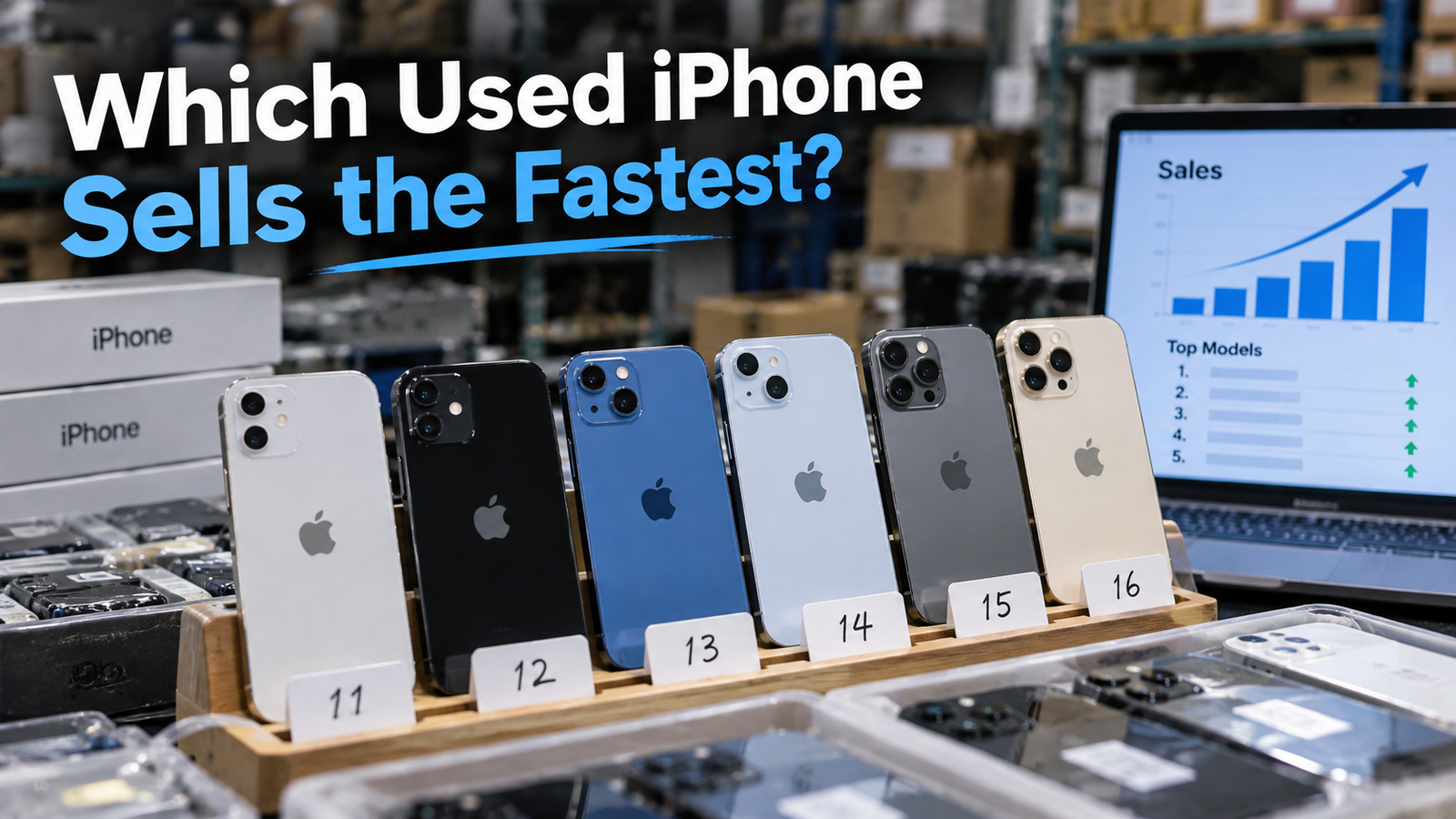 Inventory guide
Which Used iPhone Sells the Fastest?
Build a data-led inventory plan using sell-through, inventory days, condition, storage, and buyer feedback.
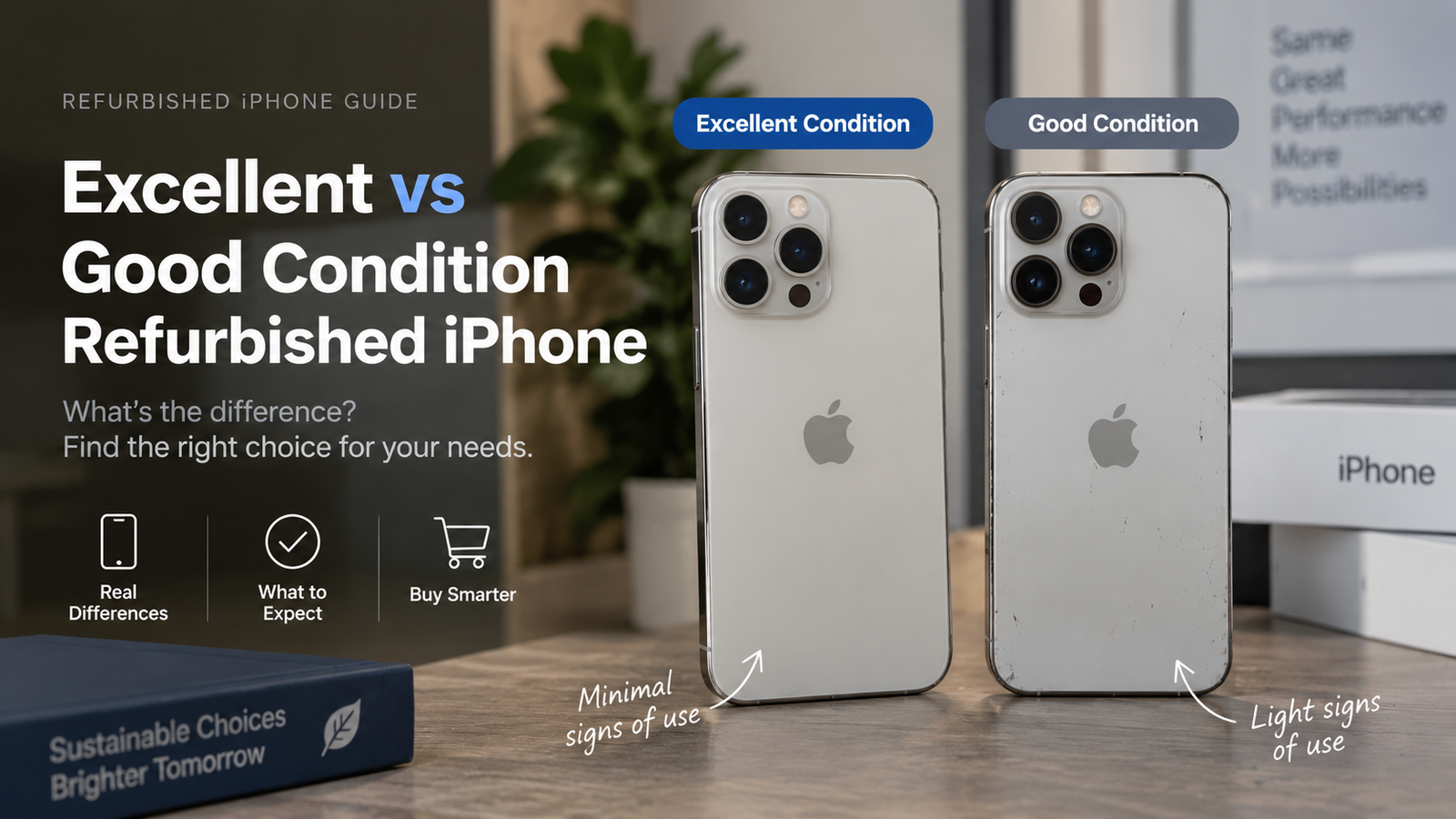 Condition guide
Excellent vs Good Condition Refurbished iPhone
Compare cosmetic grades while keeping battery, repair disclosure, functionality, and device status separate.
 Inspection guide
How to Check the Quality of a Used iPhone Before Buying
Use a practical inspection checklist for display, battery, cameras, activation status, and cosmetic condition.